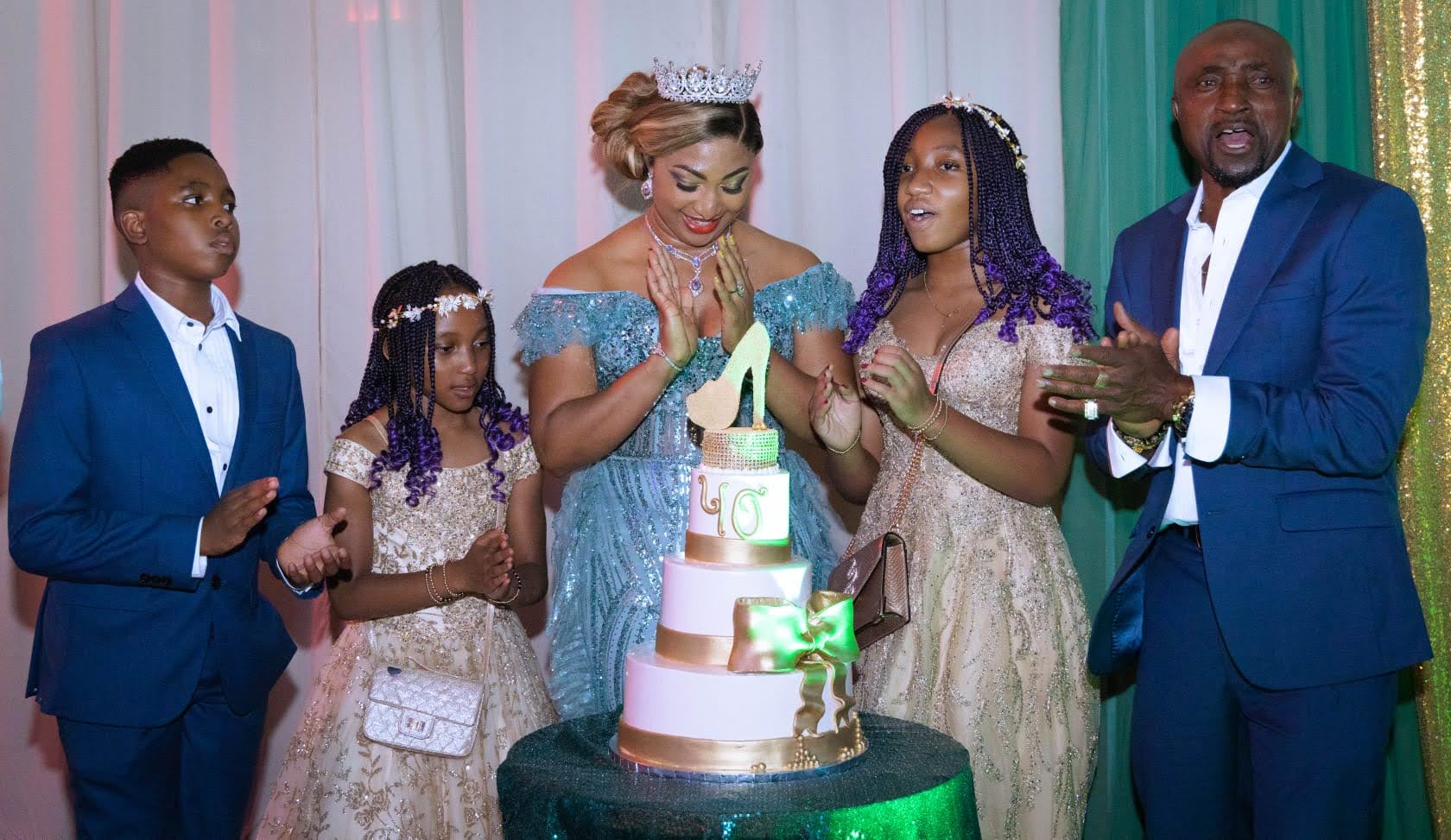
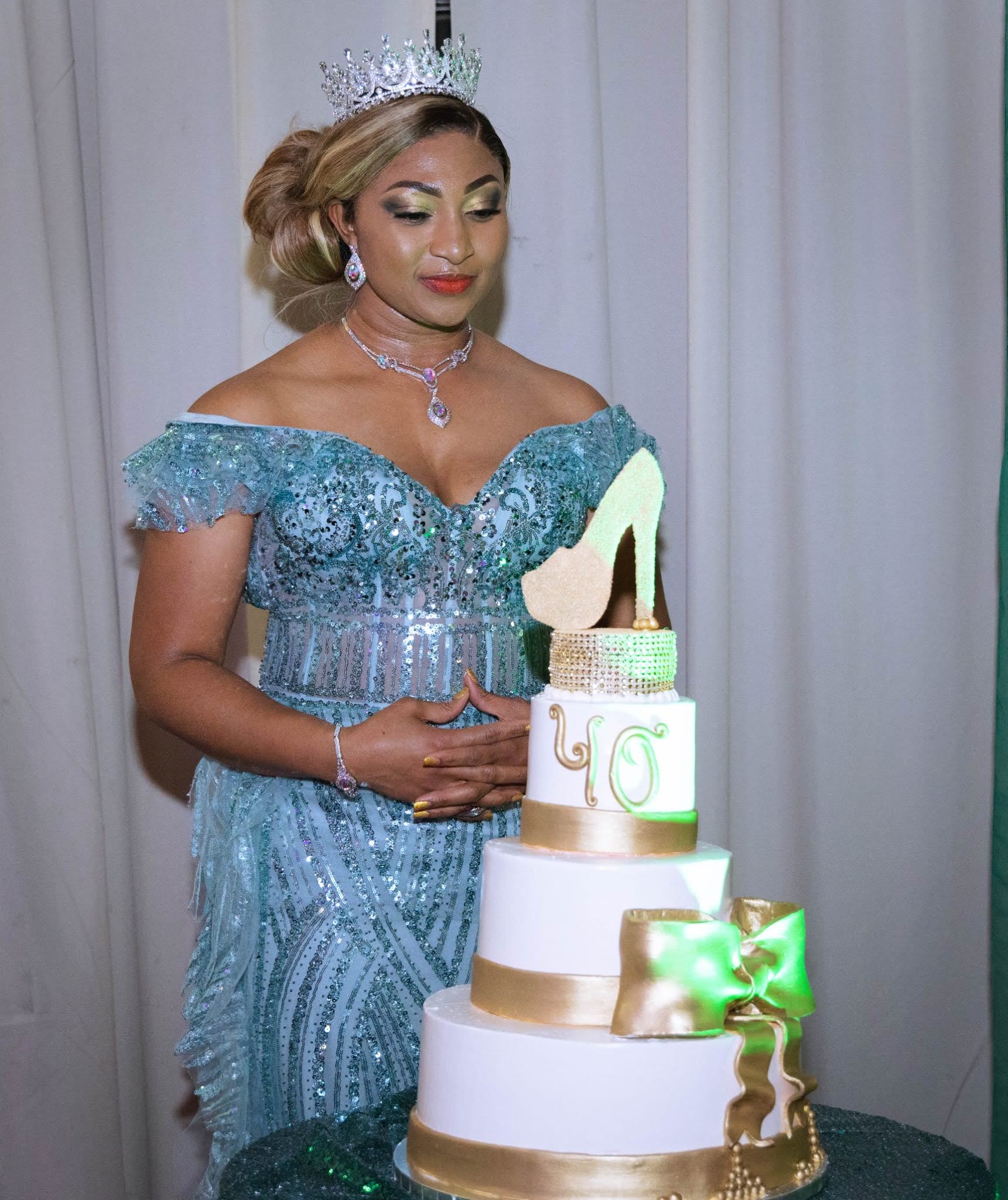
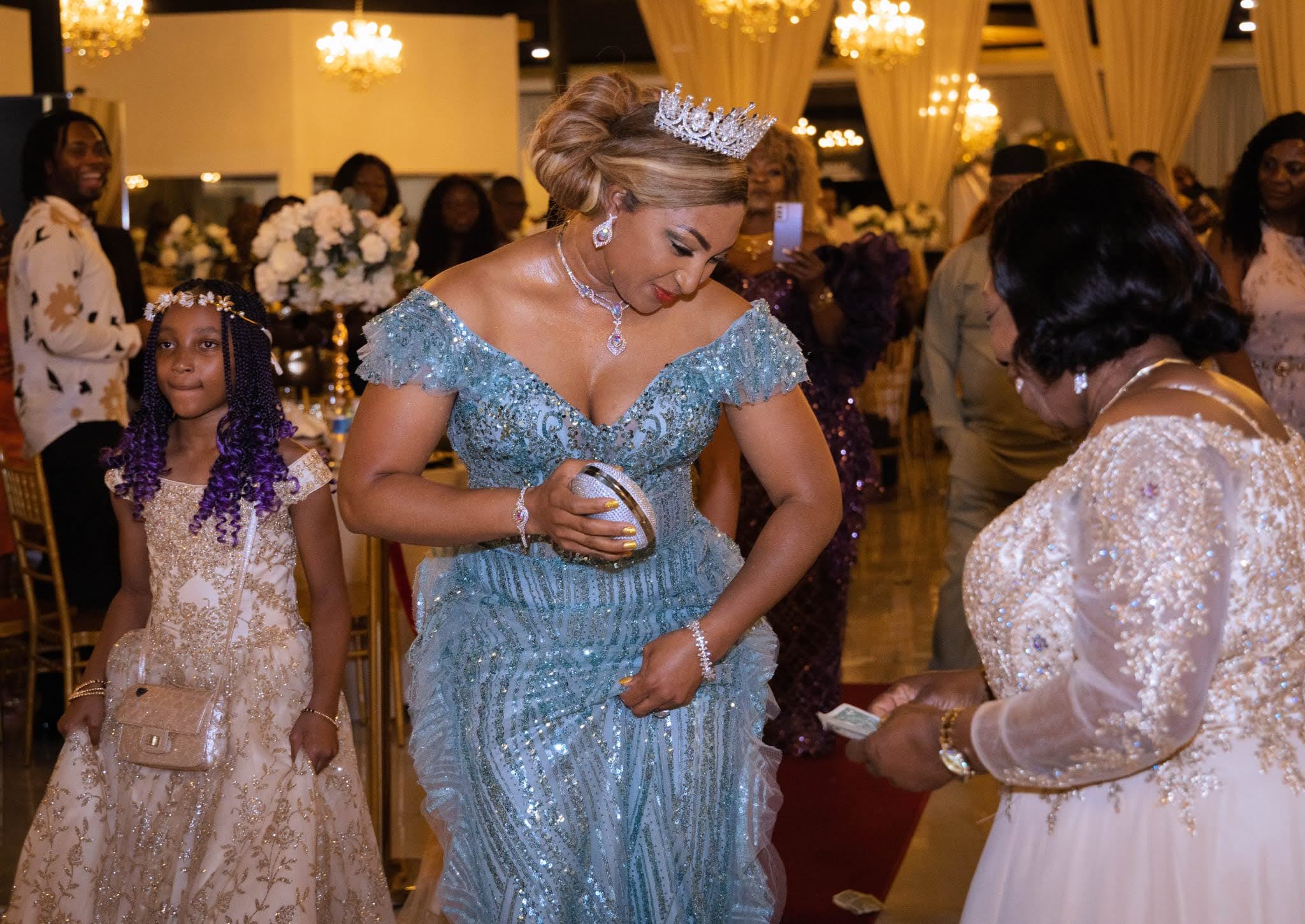
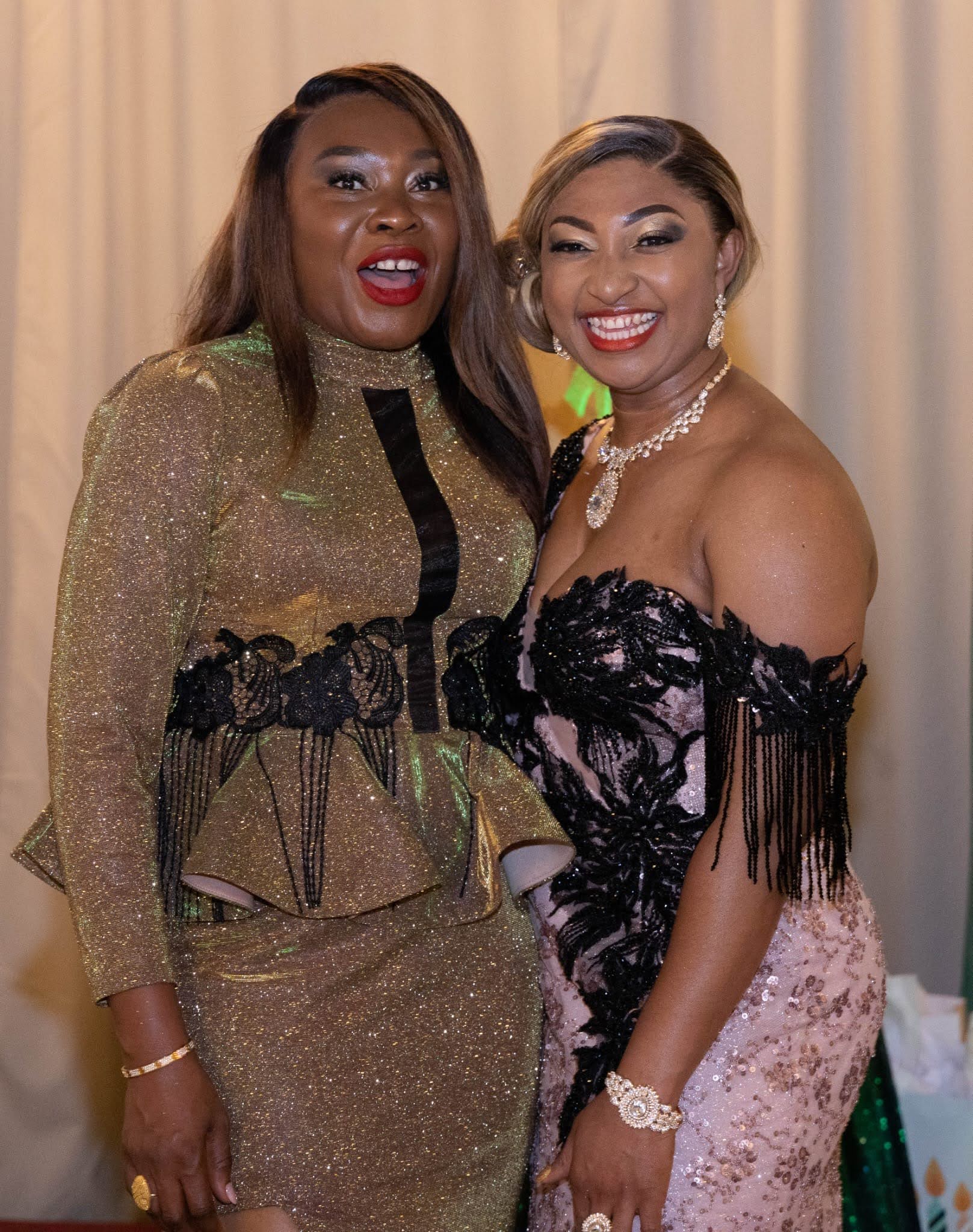
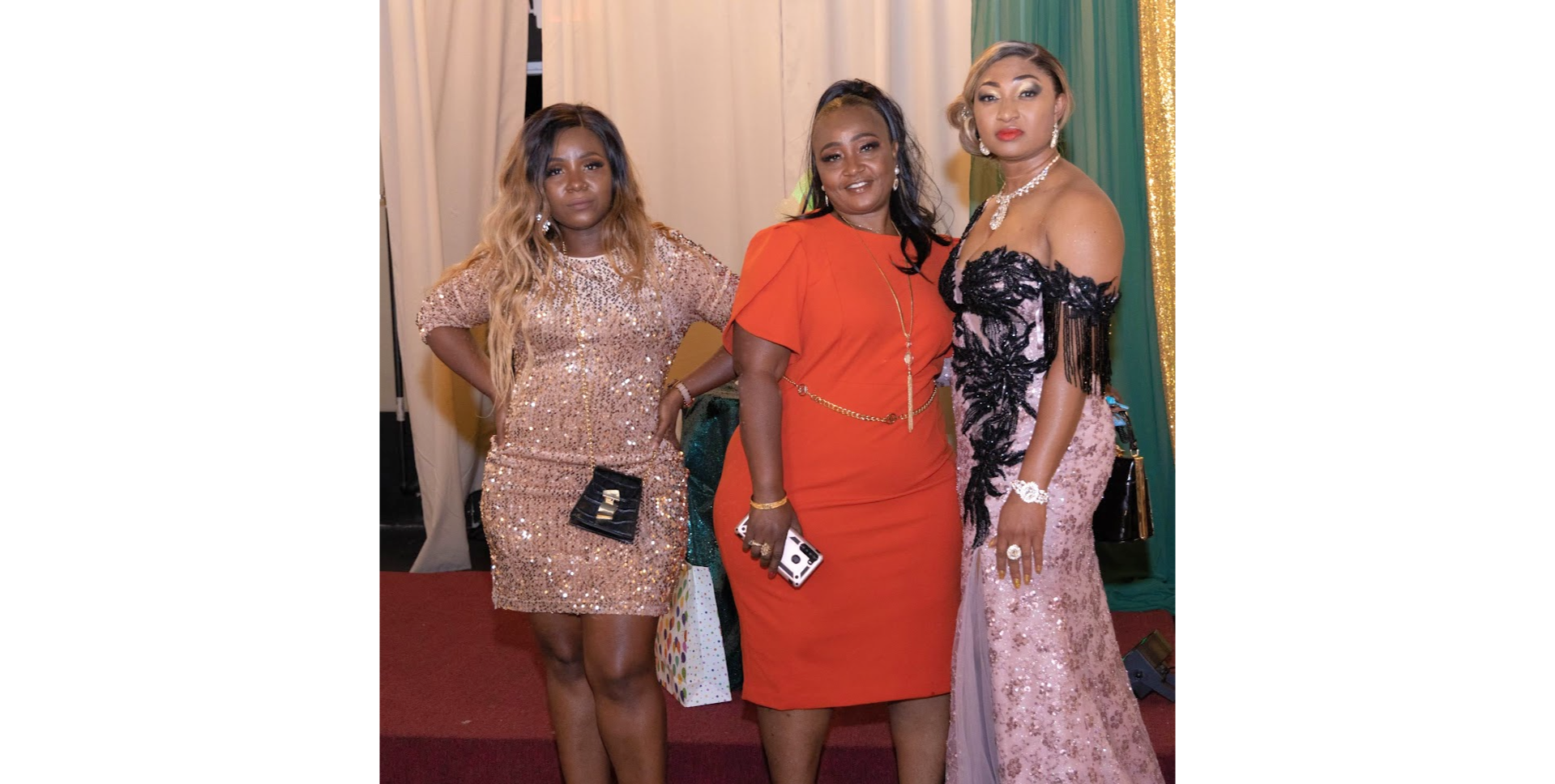
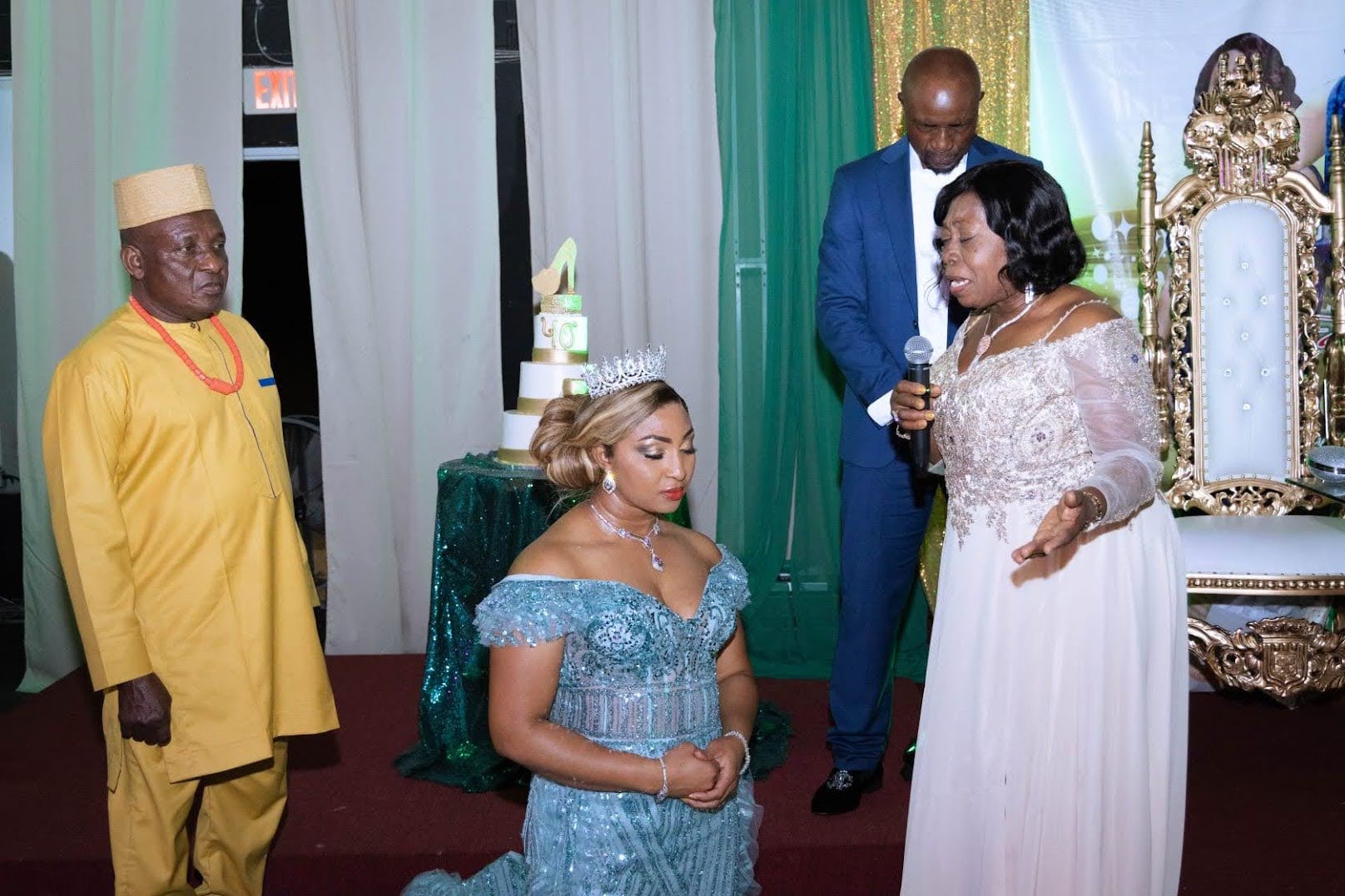
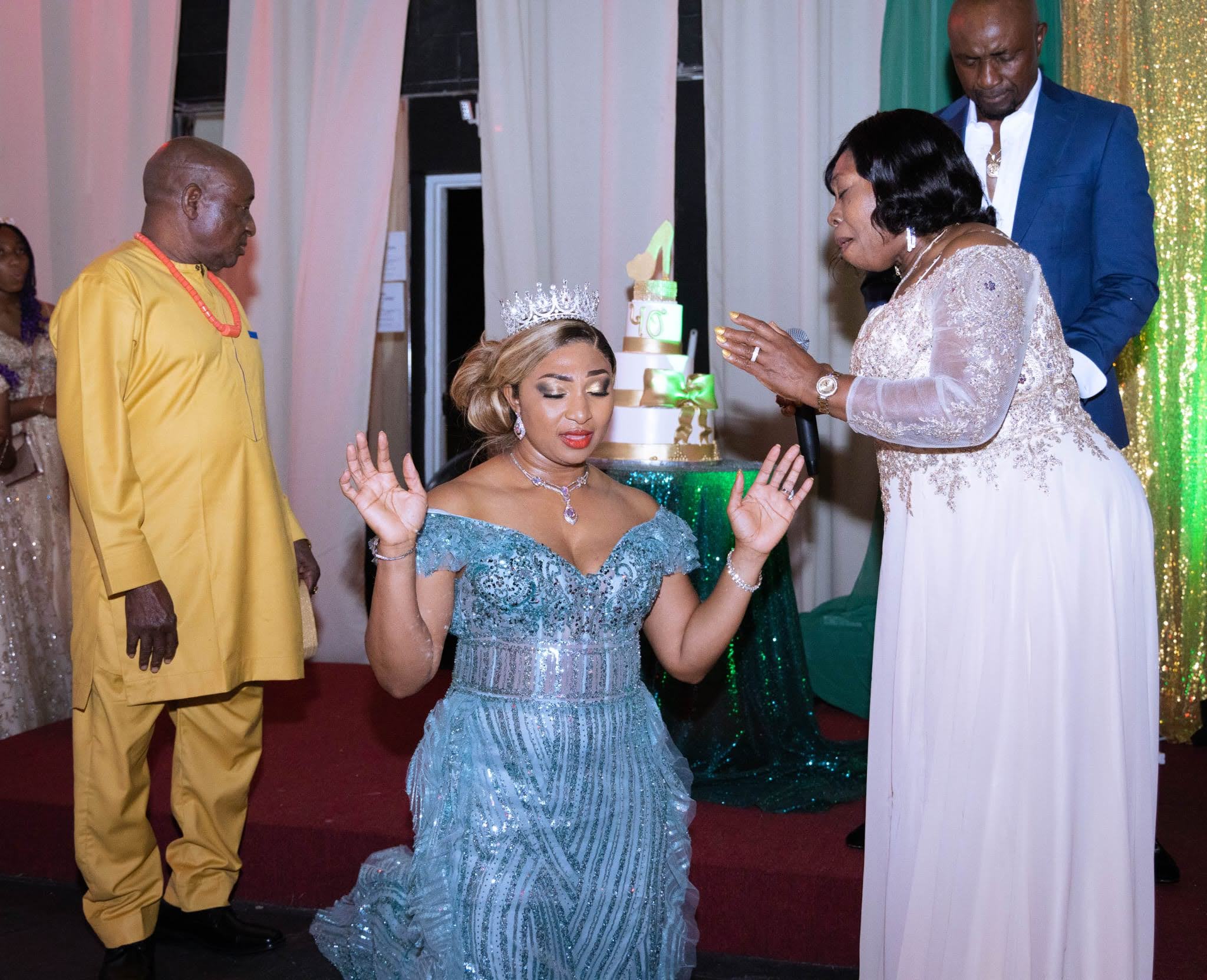
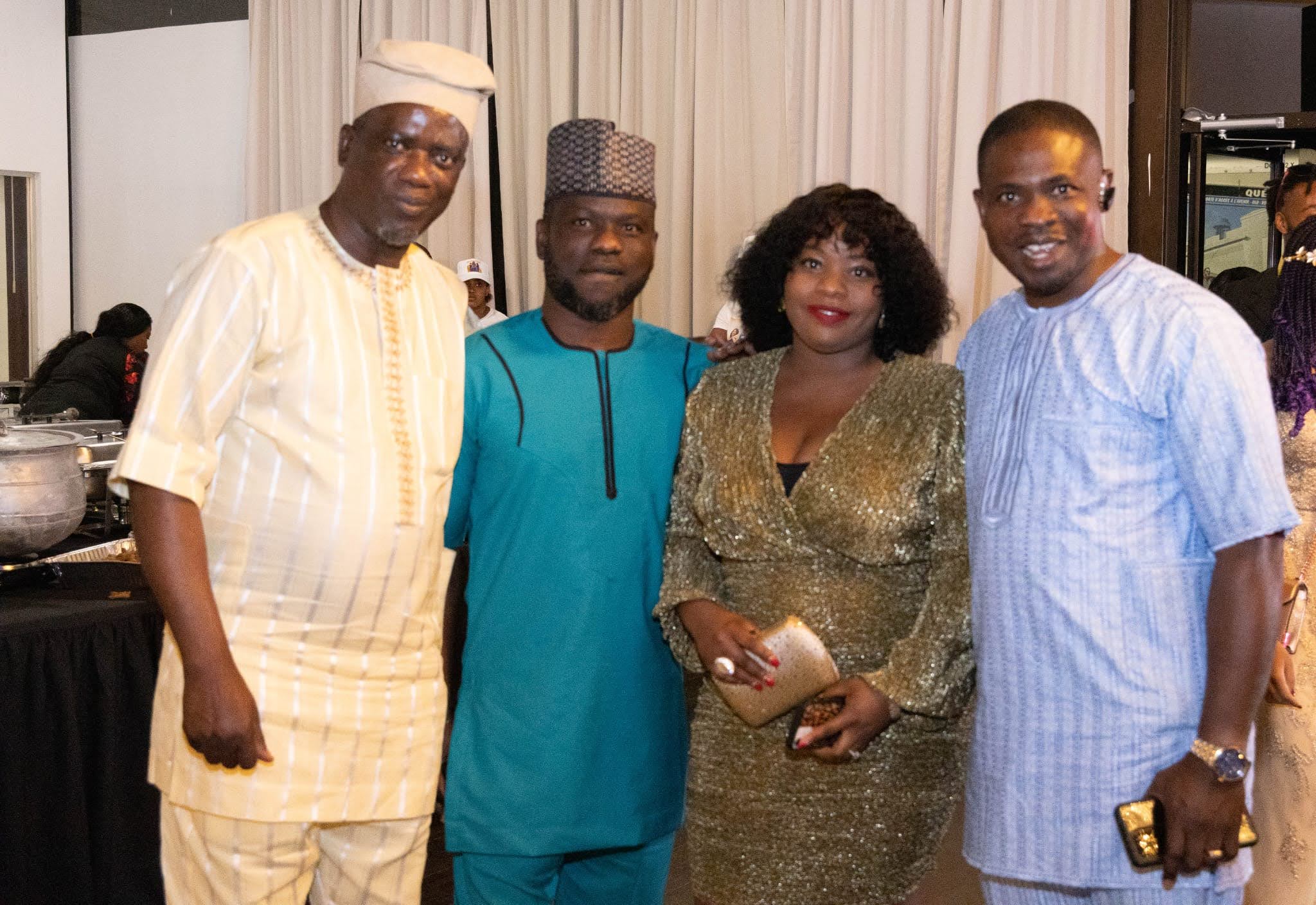
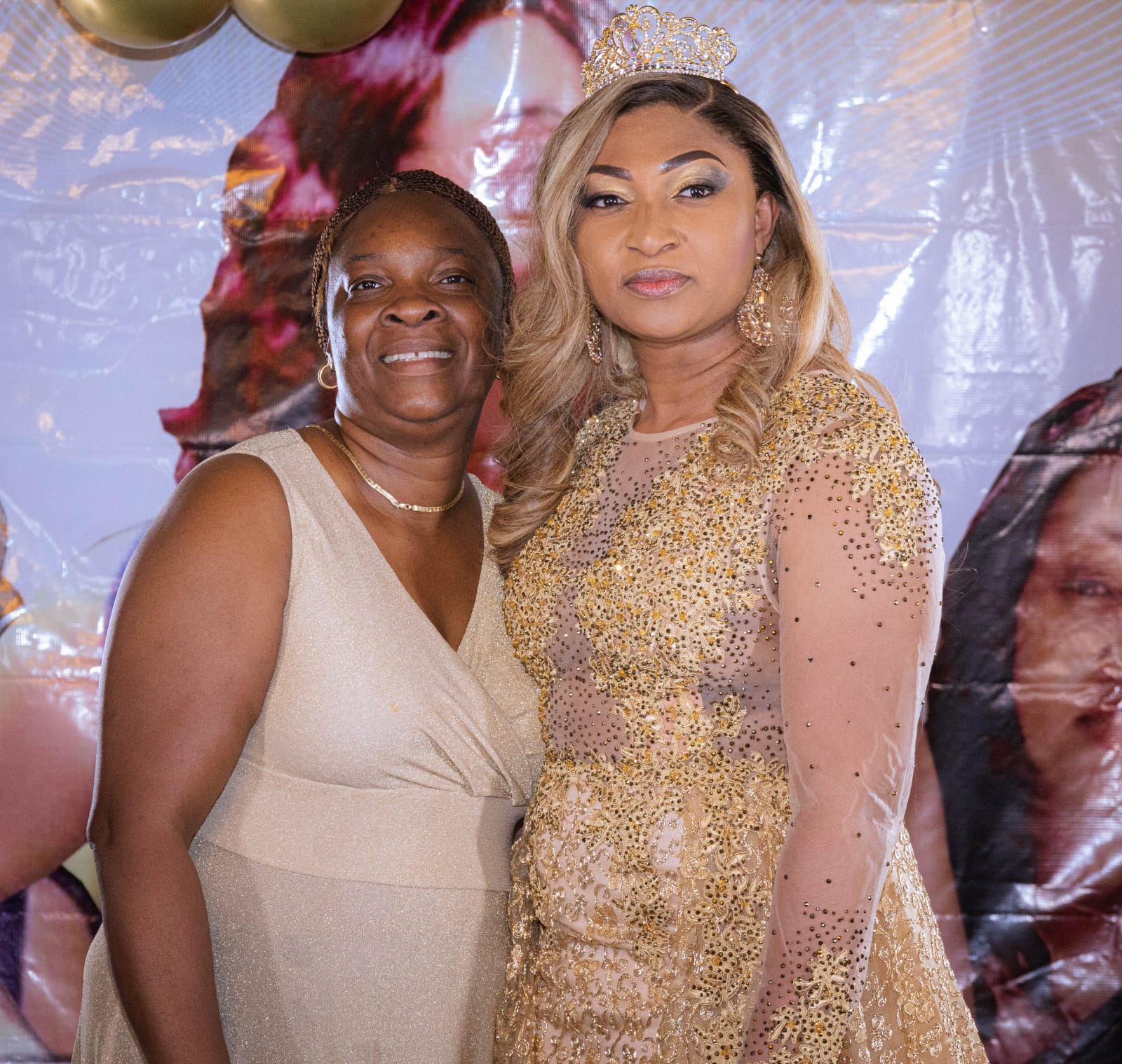
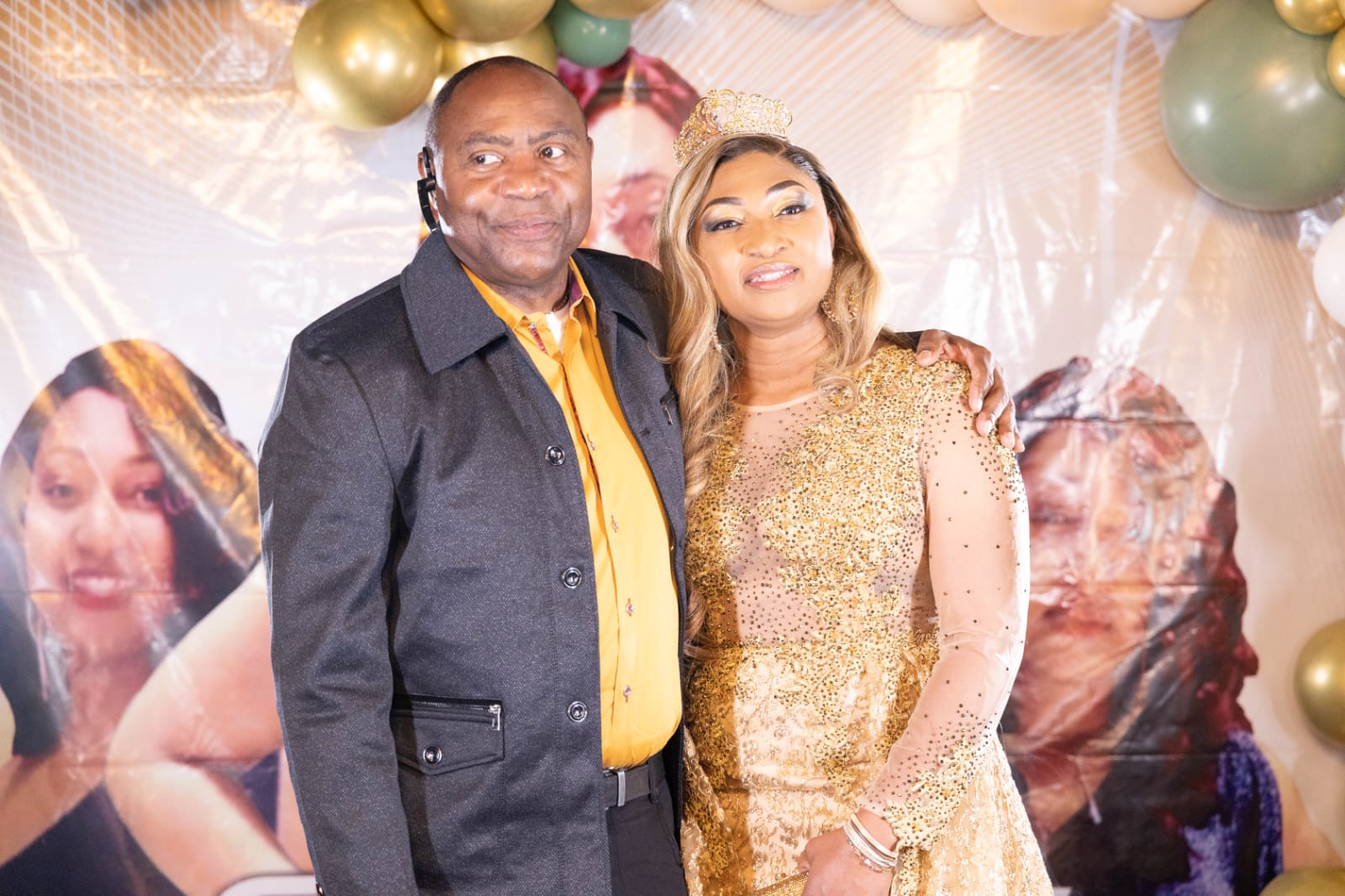
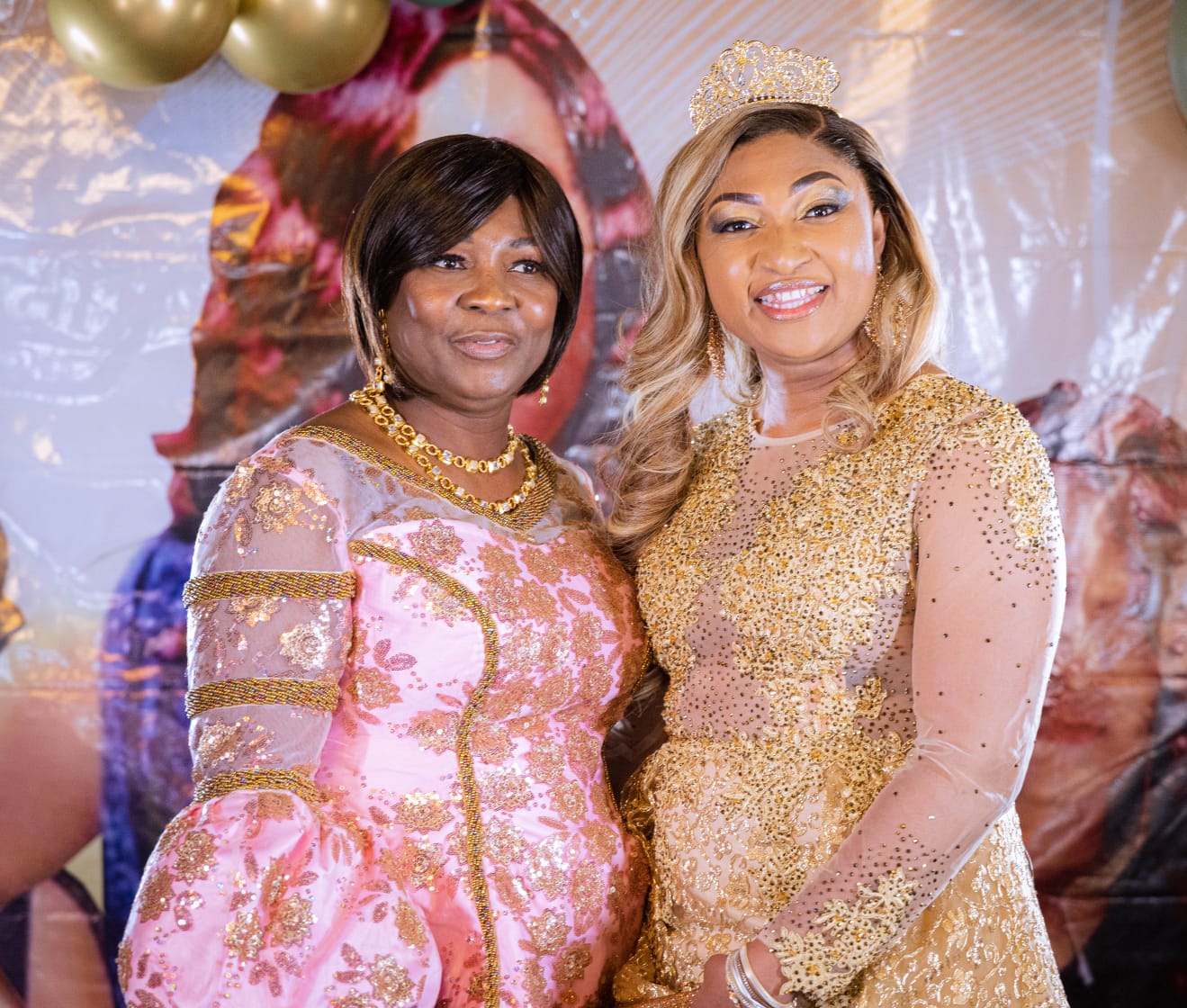
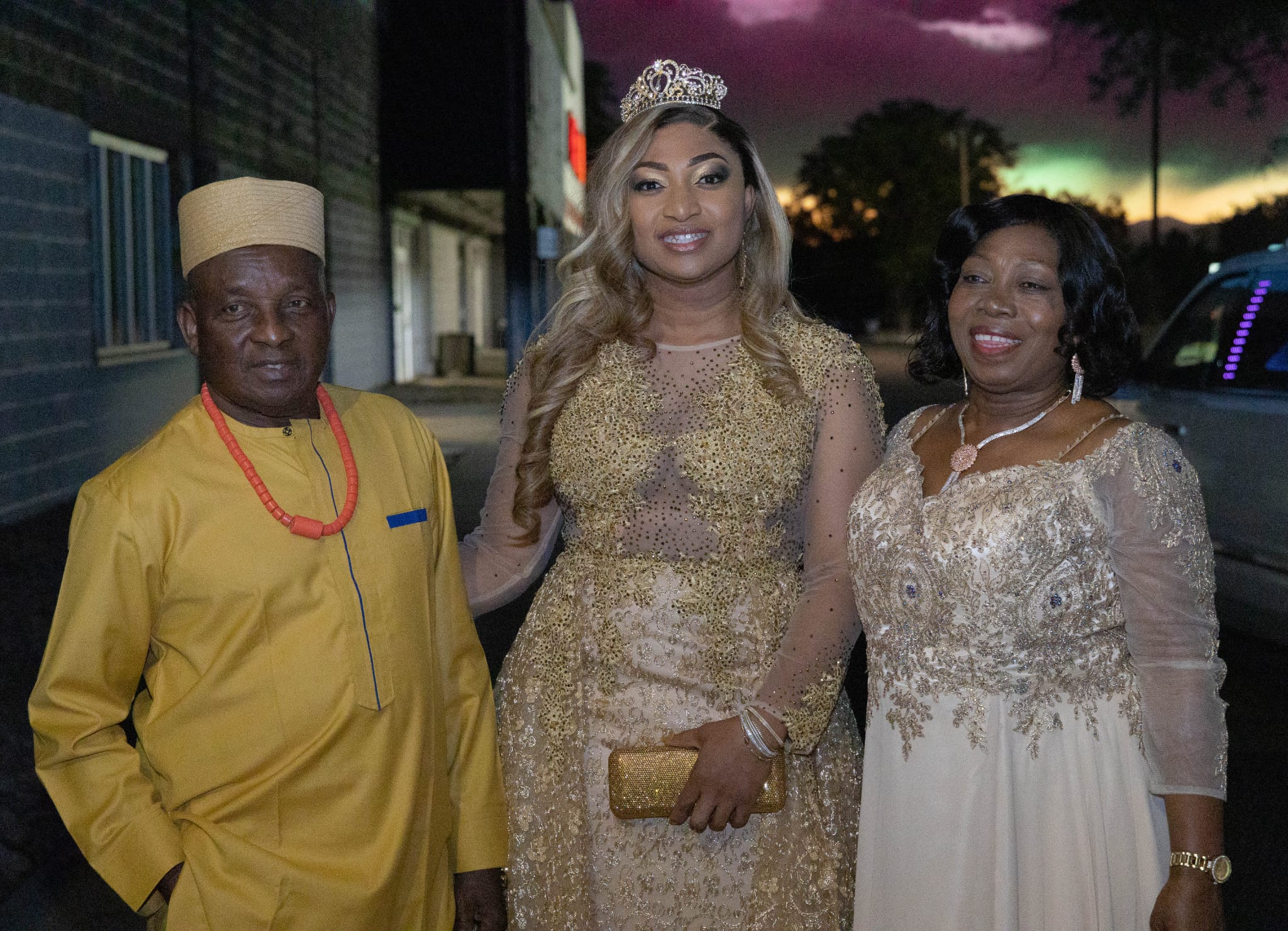
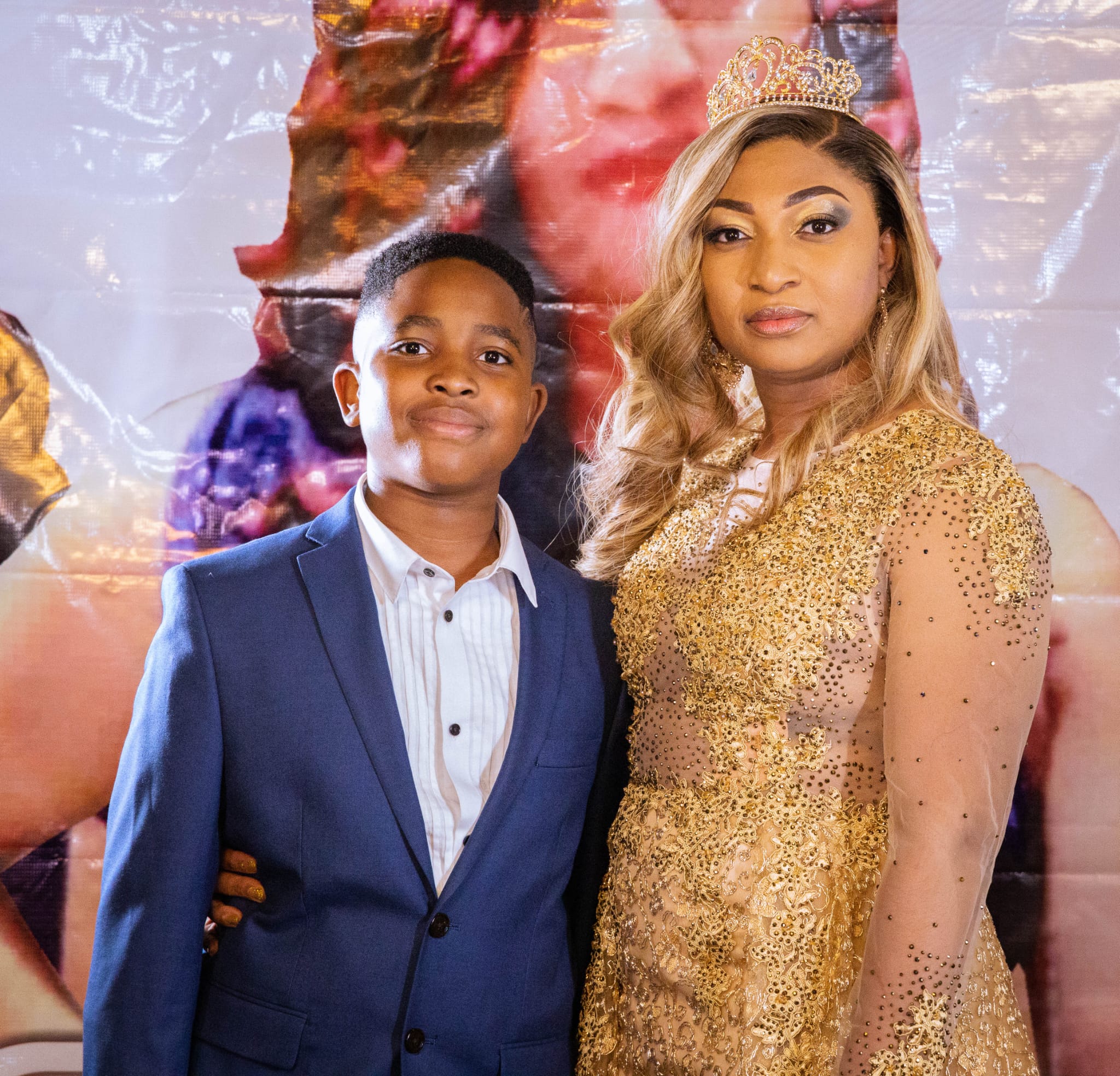
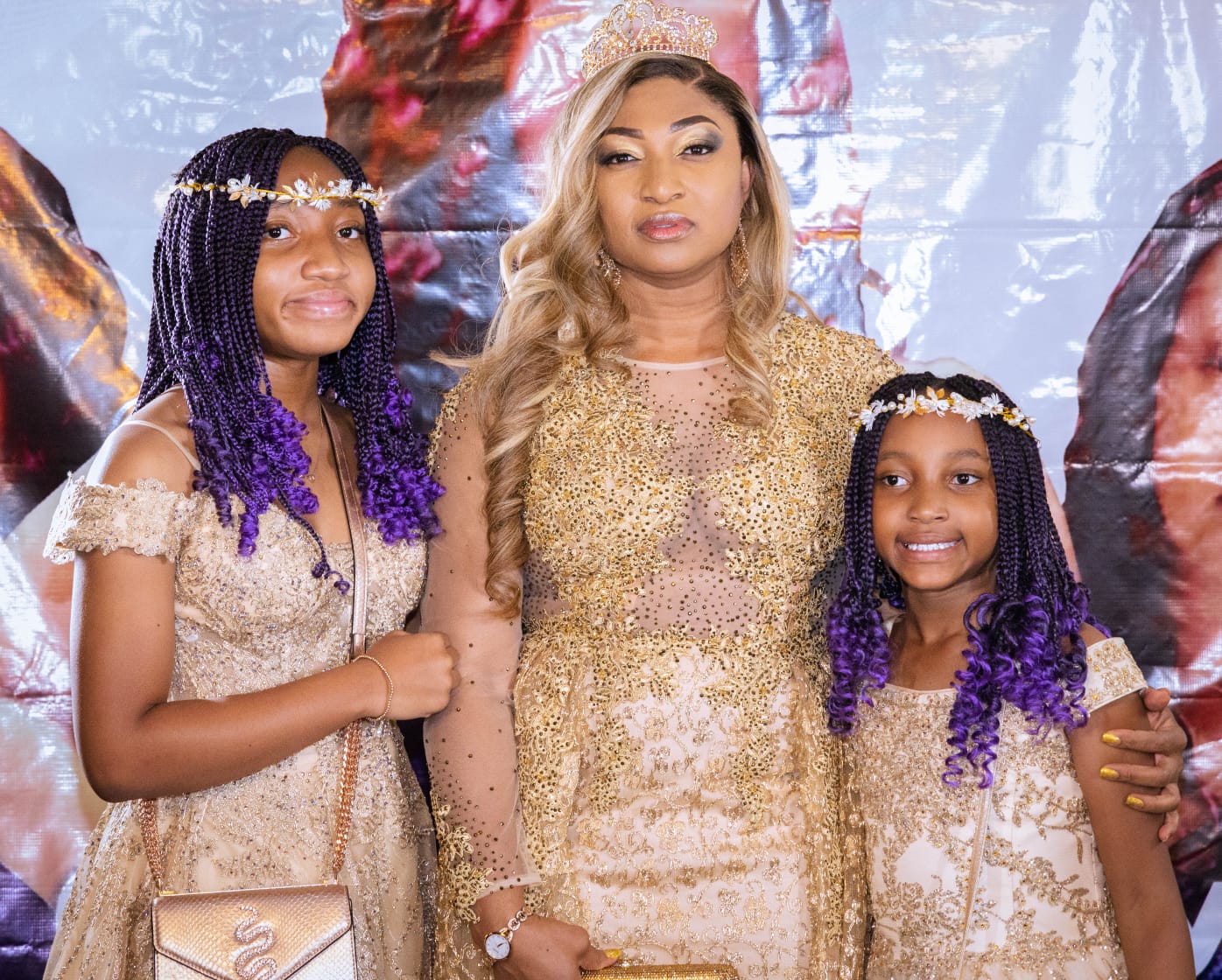
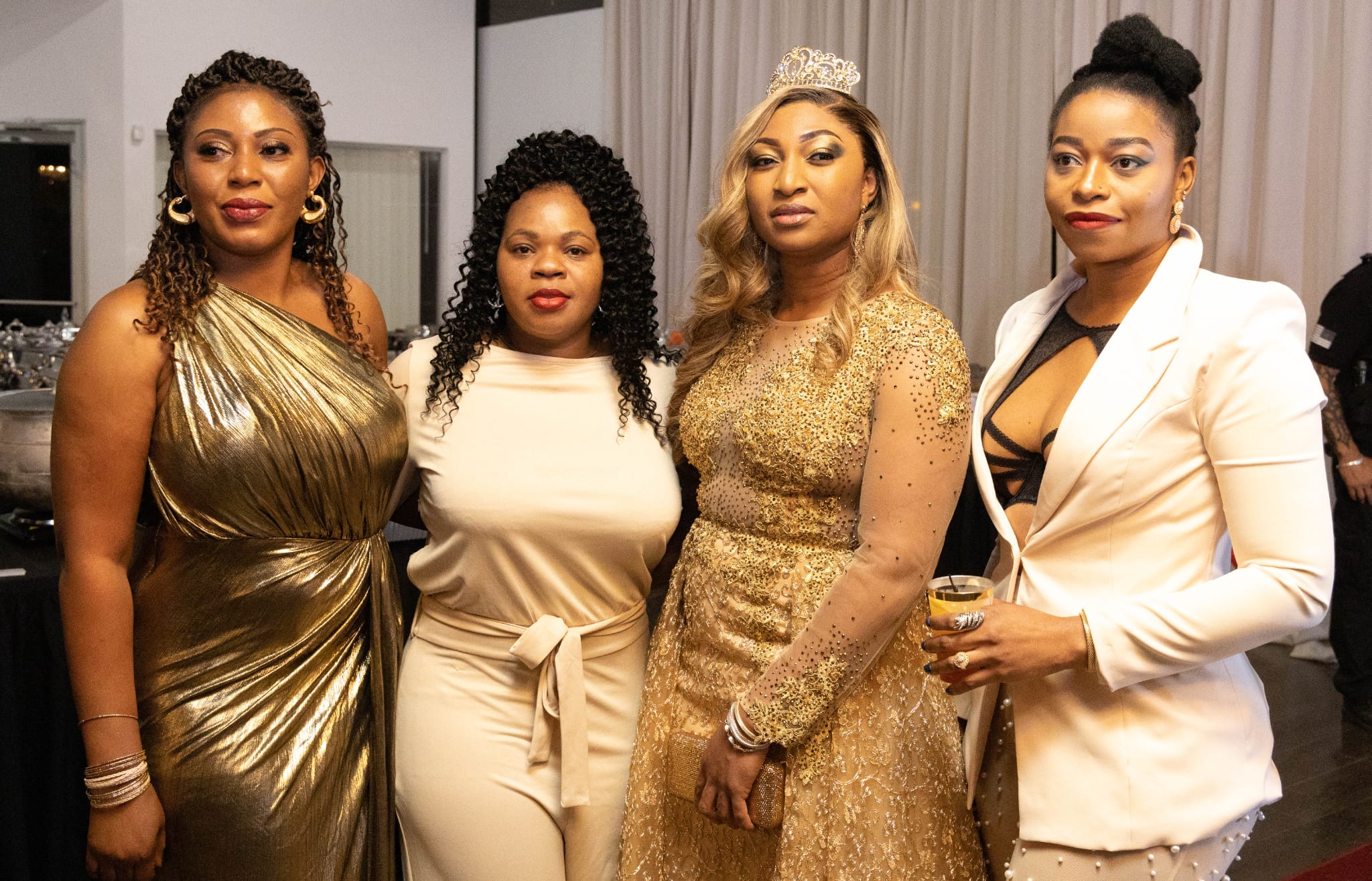
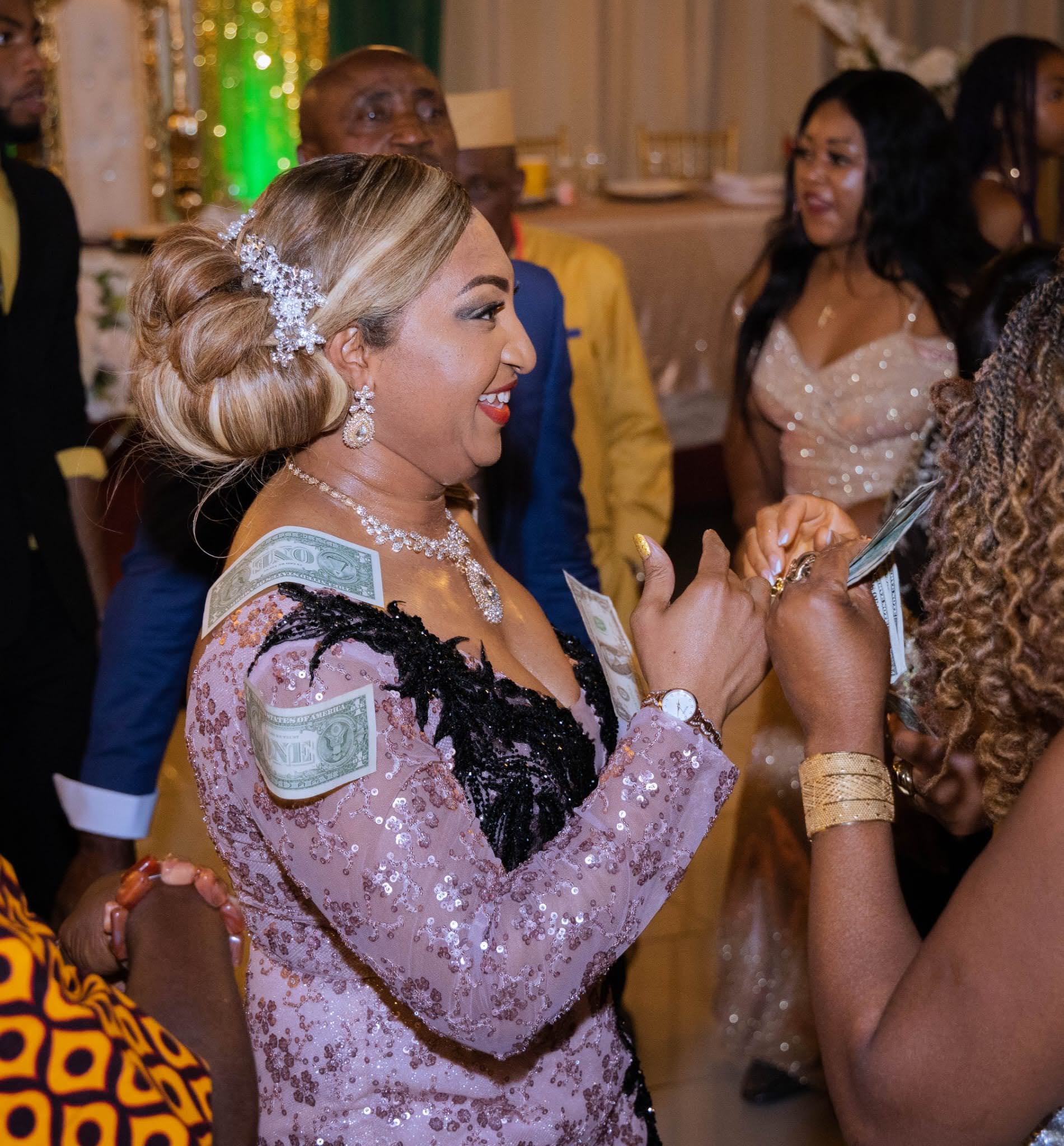
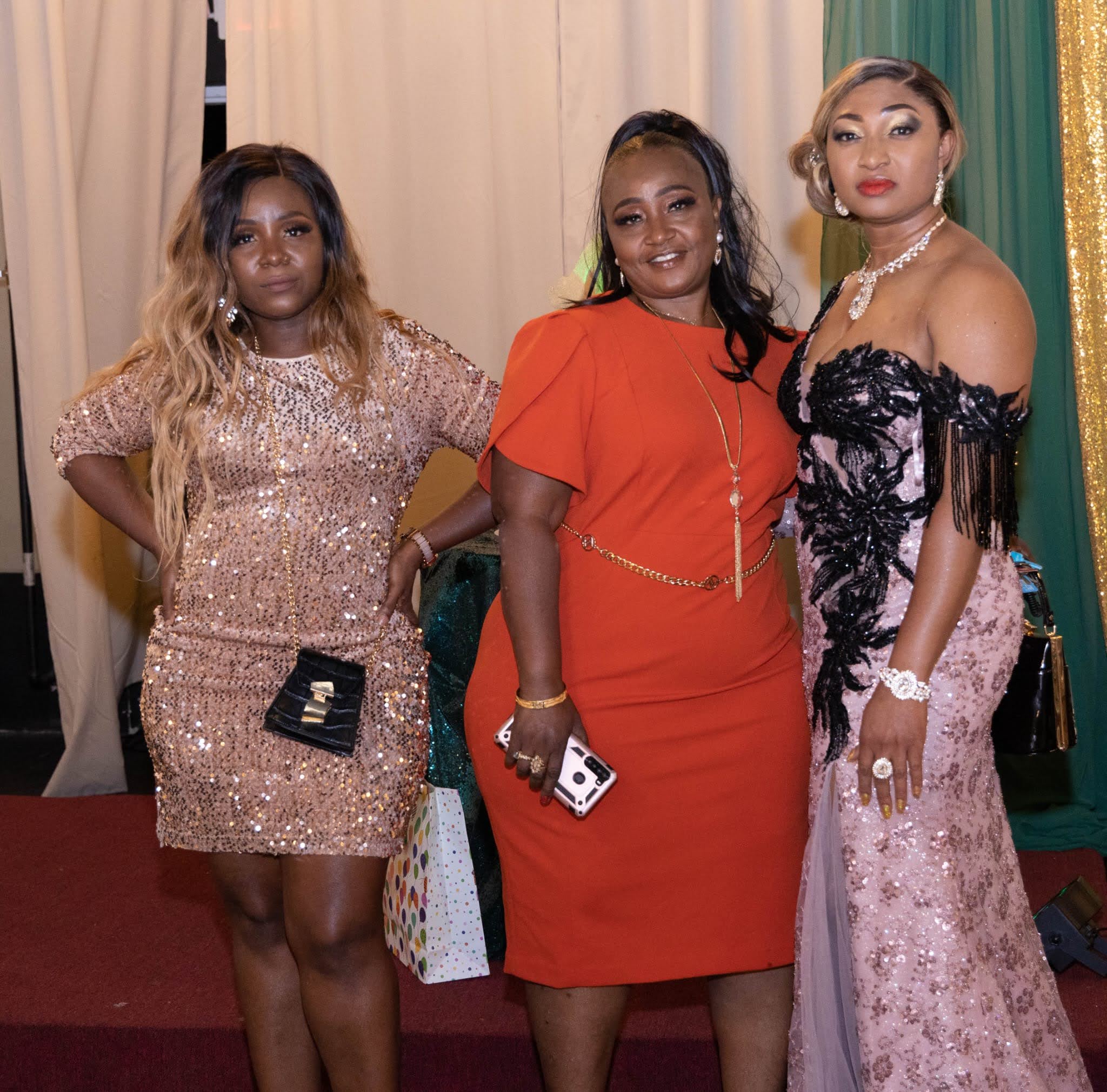
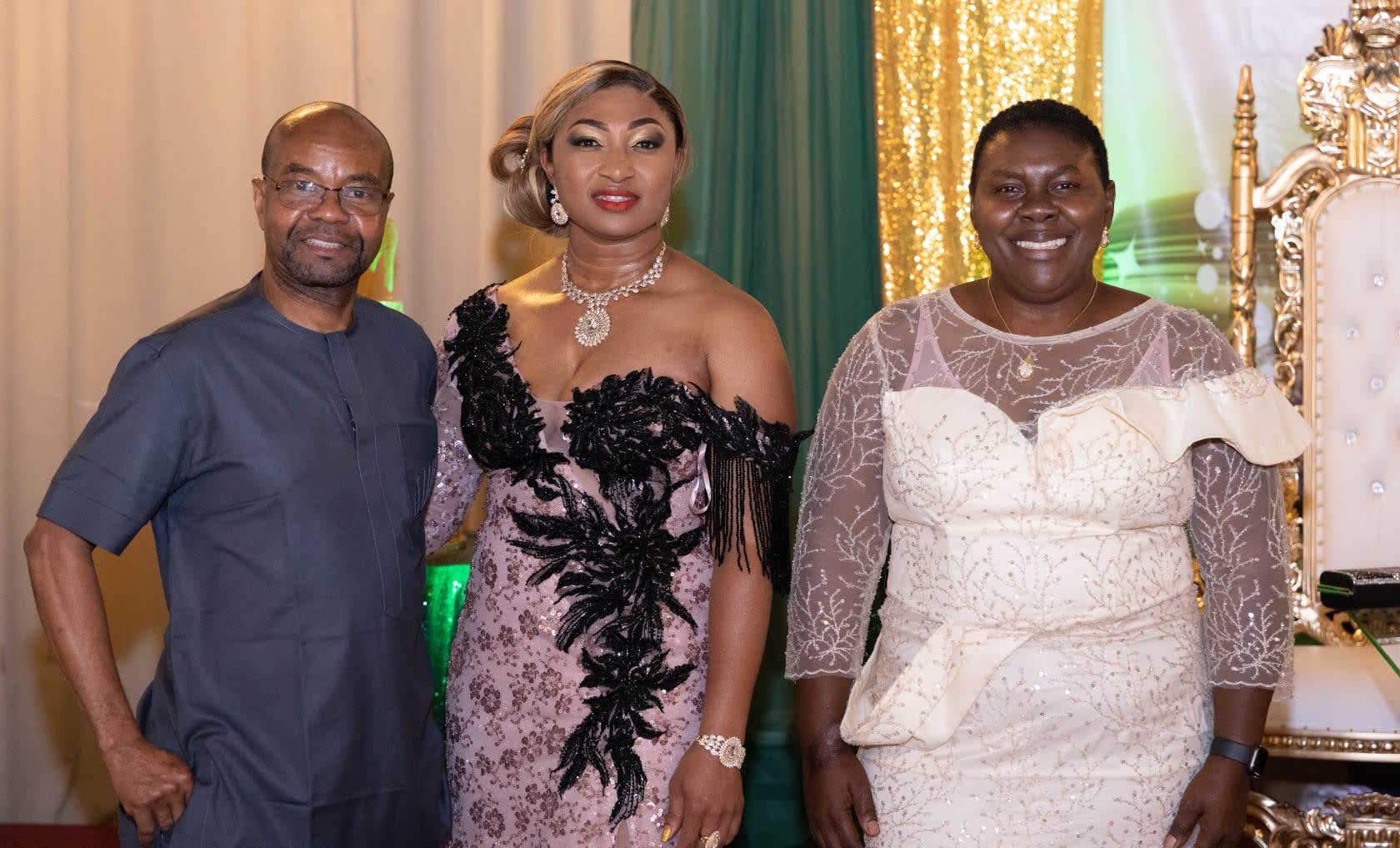
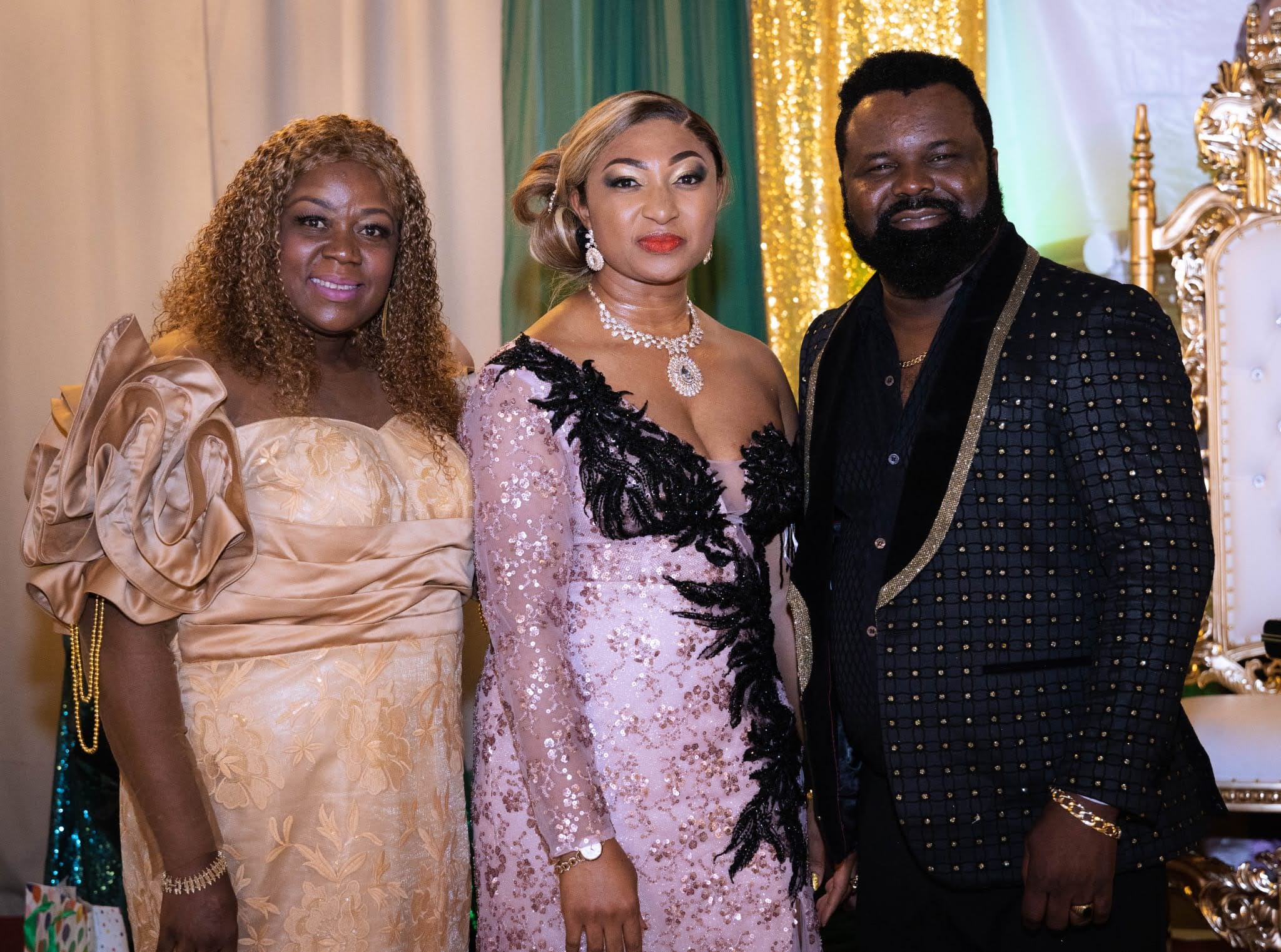
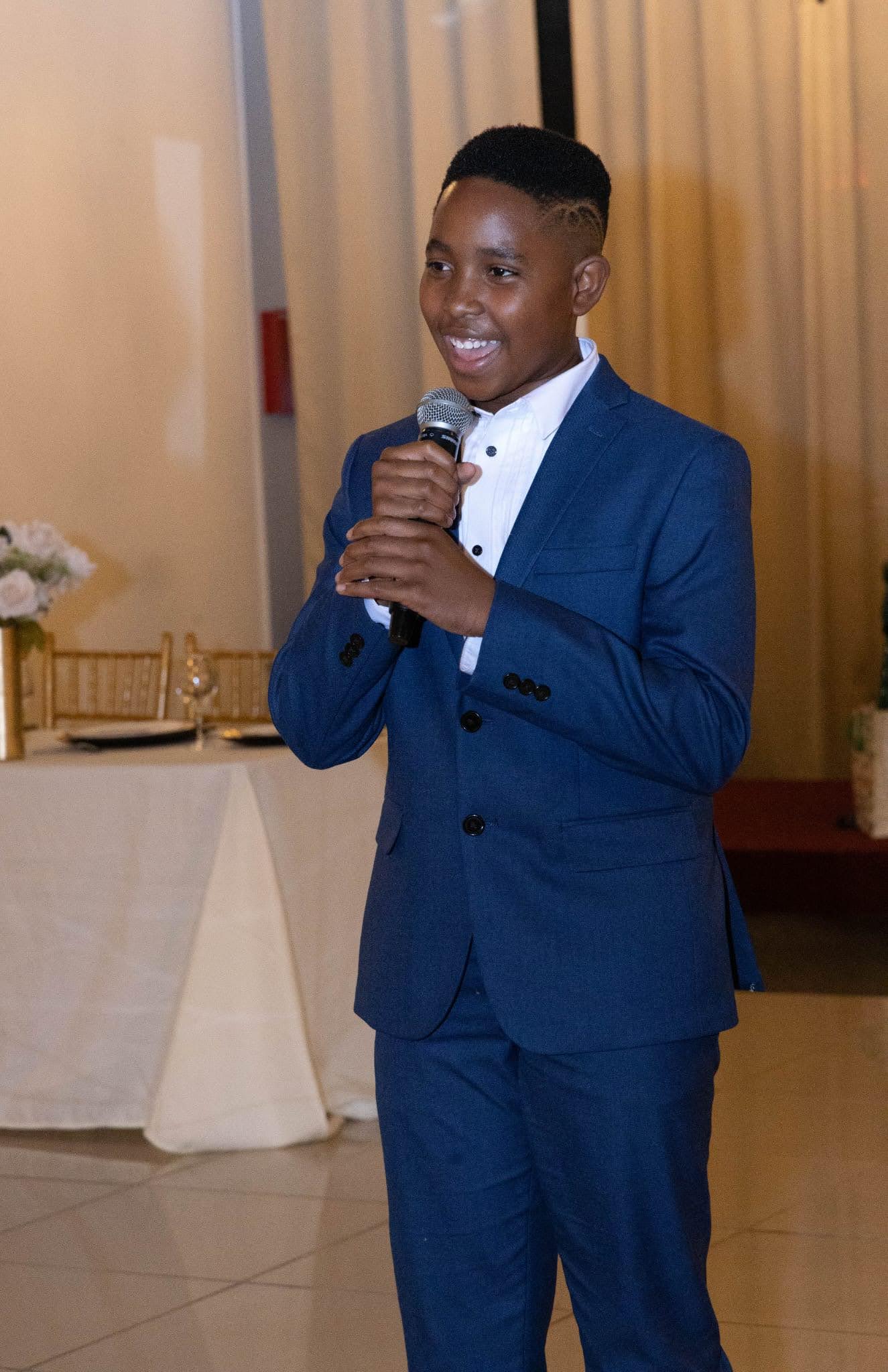
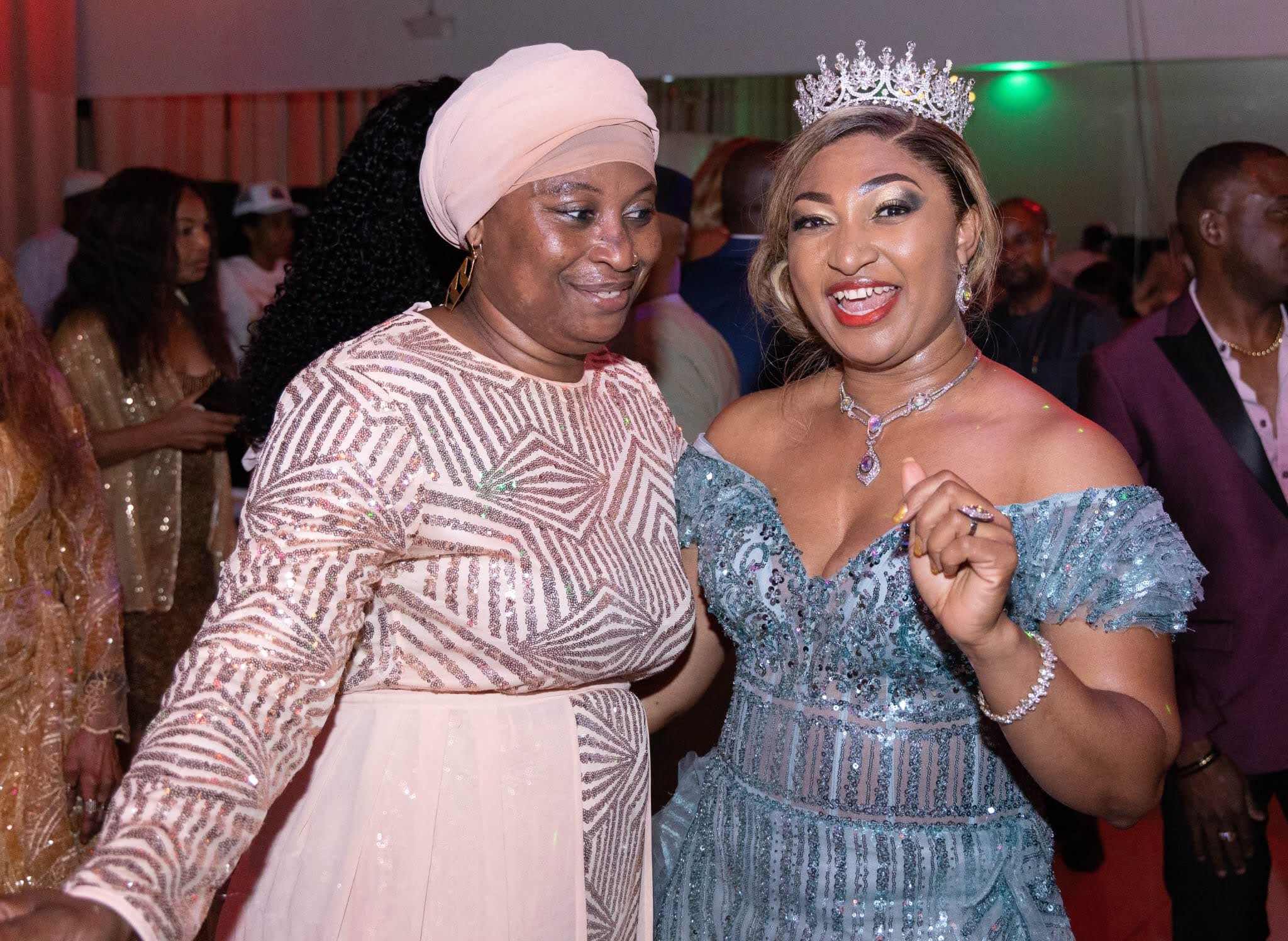
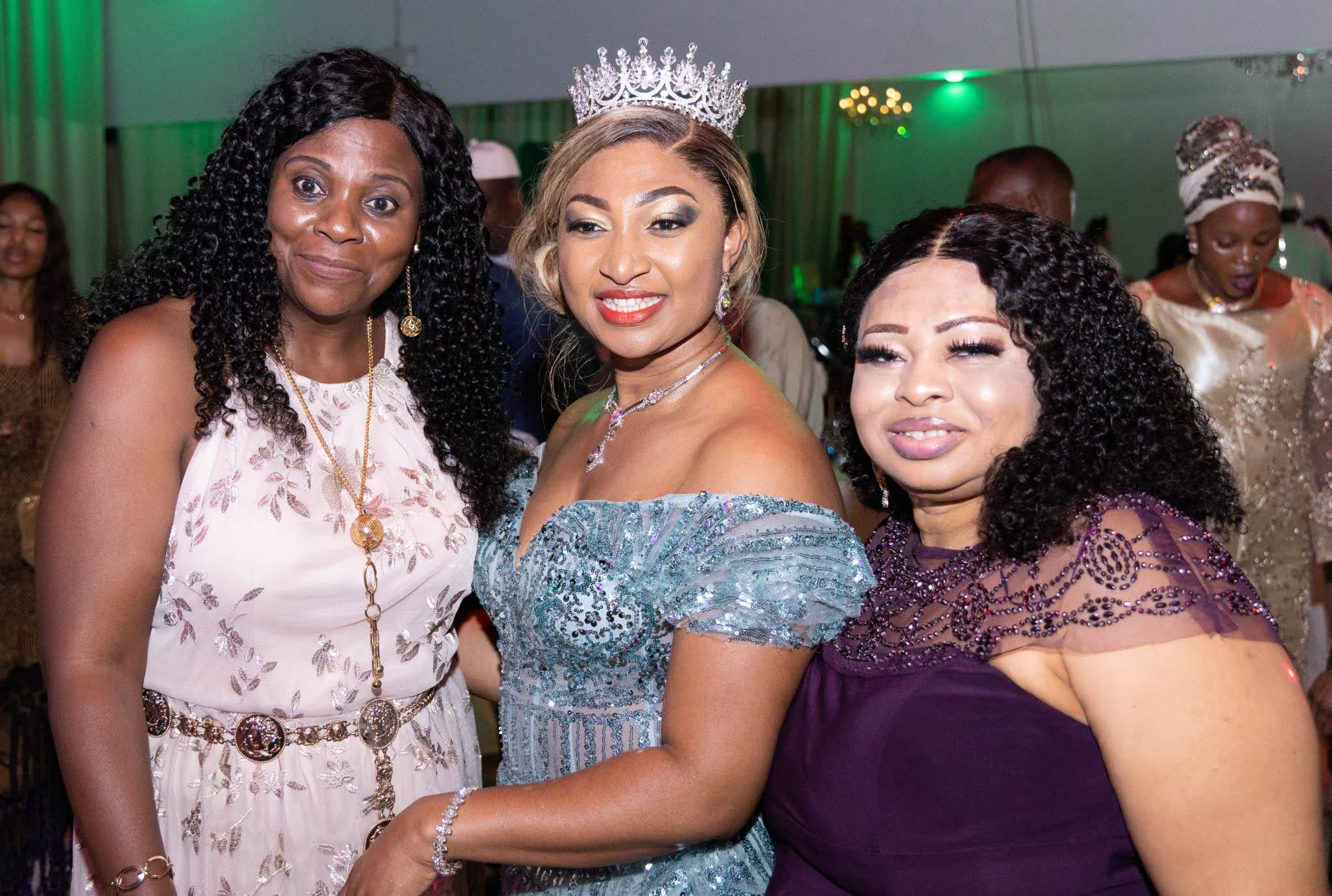
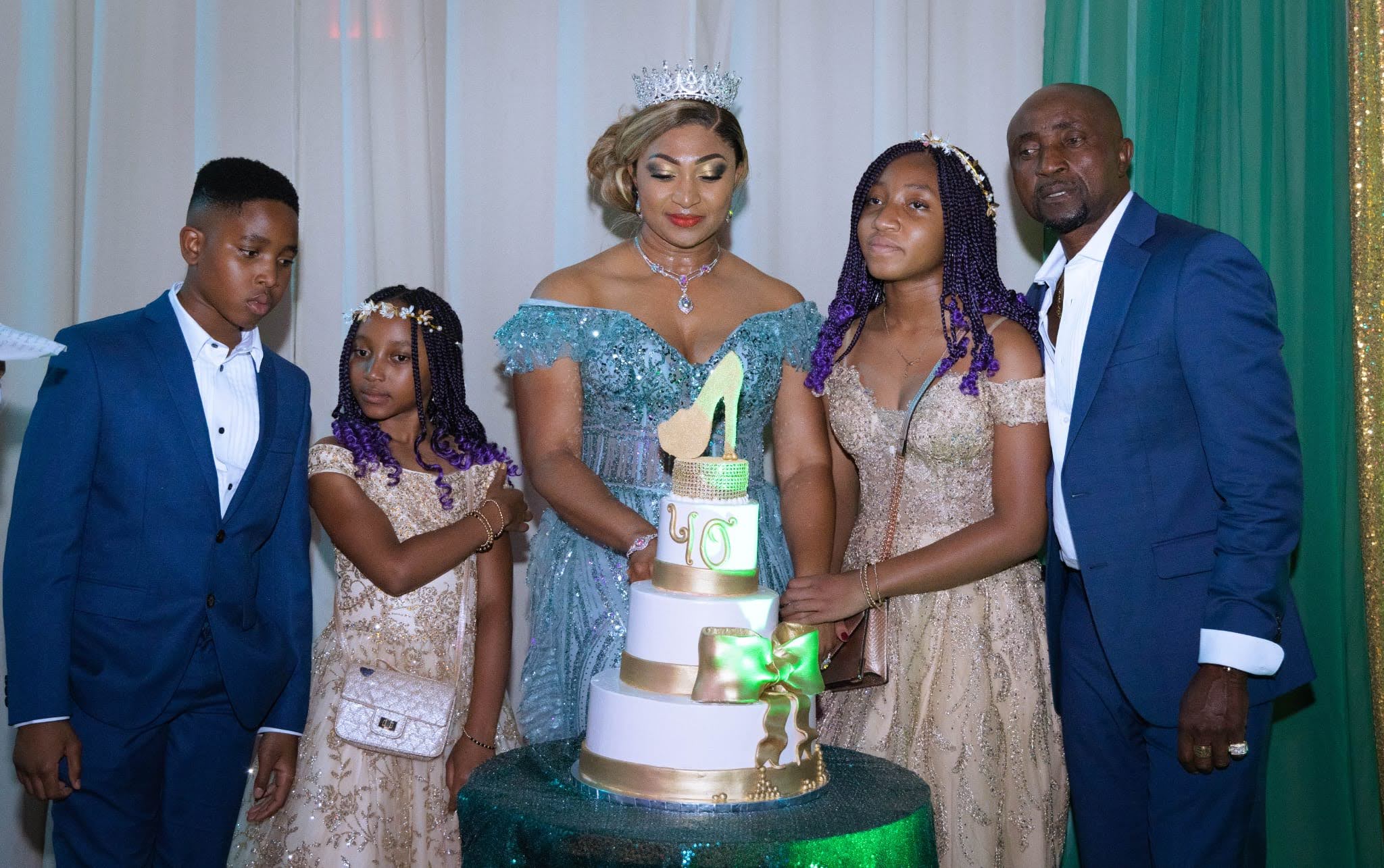
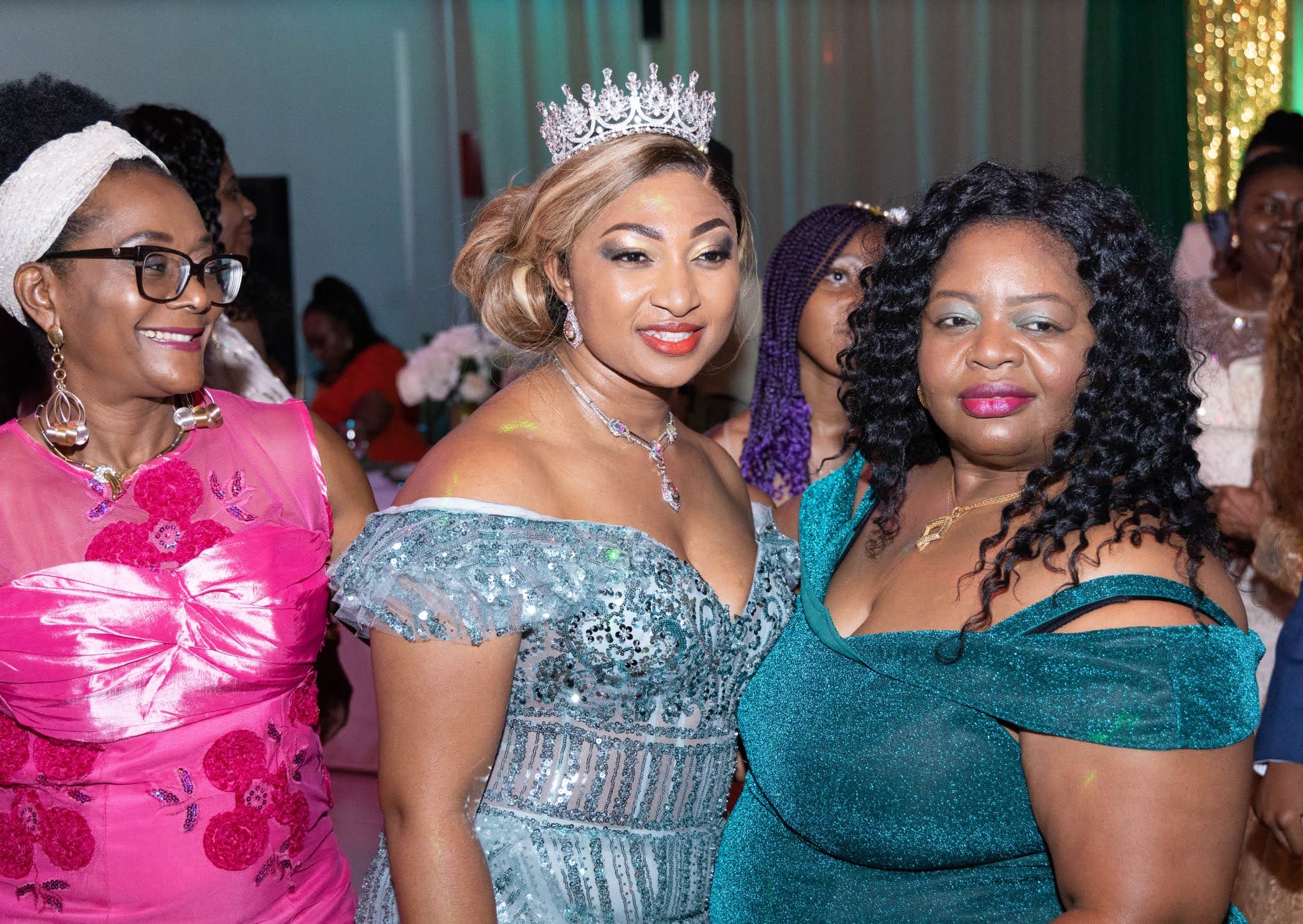
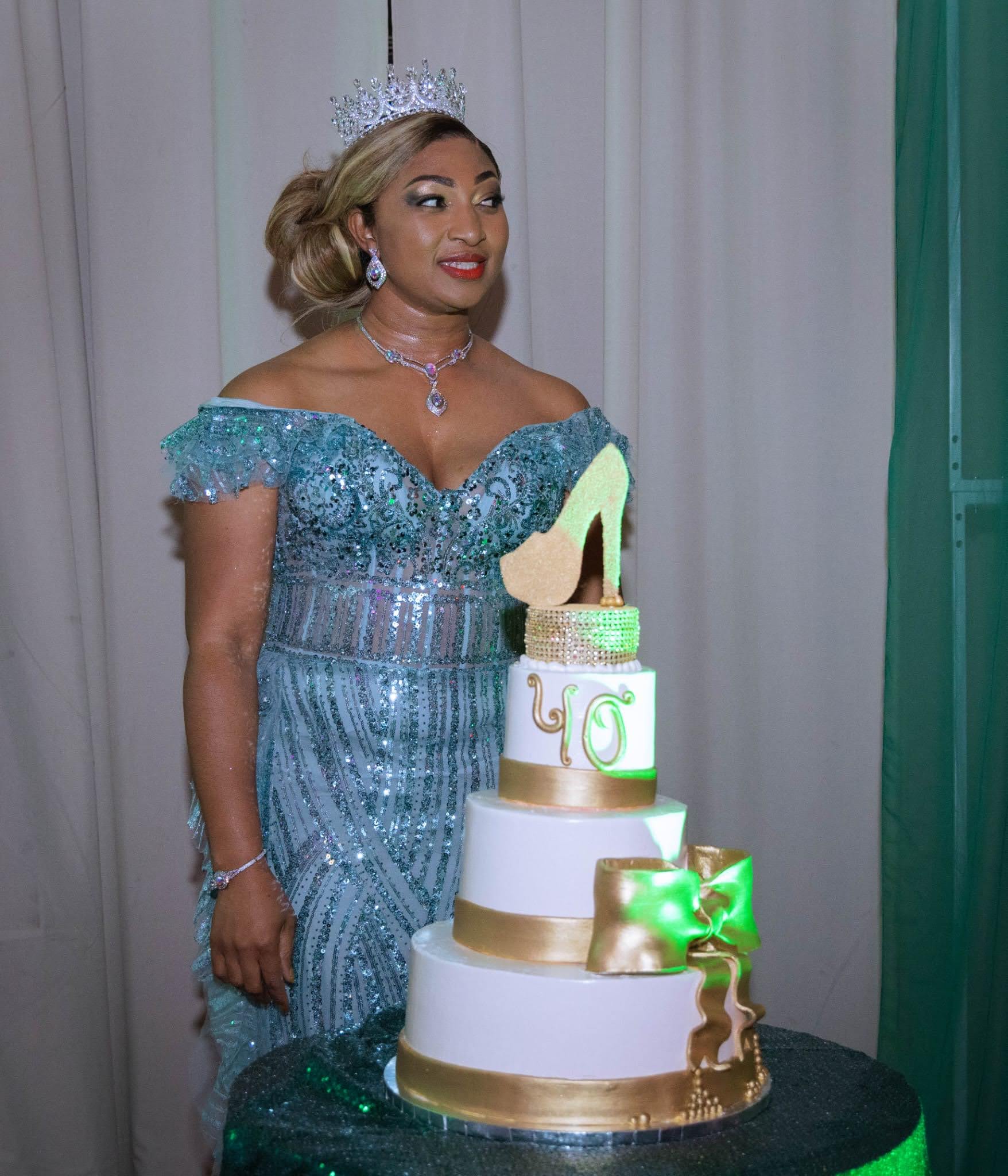
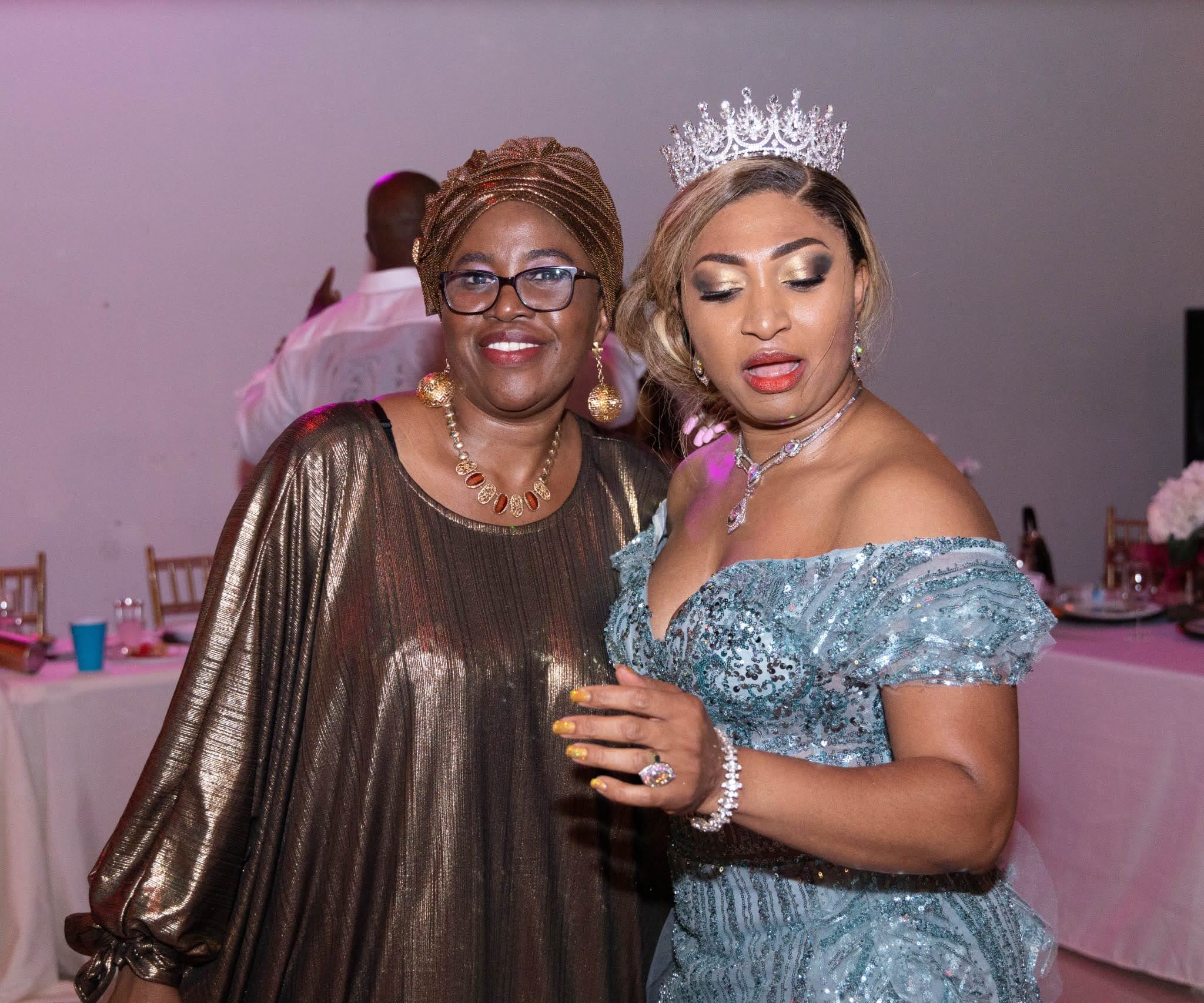
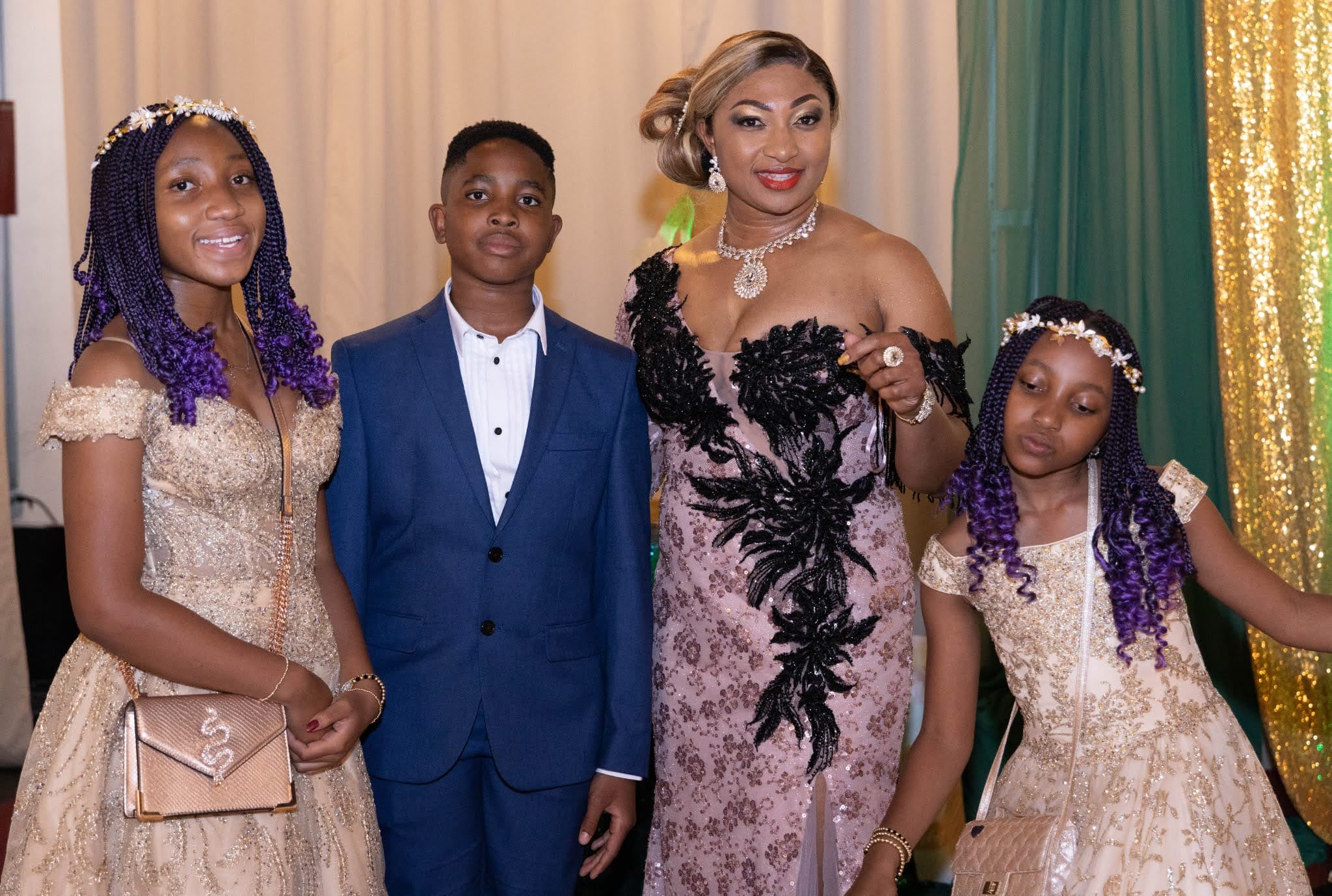
It was all glitz and glam on September 17, 2022, in Aurora Colorado during the fortieth birthday bash of the ever-gorgeous Ijeoma Dogo, fondly called Ijay.
People arrived from within and outside Colorado to celebrate the blessed mother of three beautiful children and the wife of a businessman. The large reception hall was breathtaking in gold with a swanky ambiance. The celebrant made three separate entrances, disappearing and returning after each round of dancing in a new change of clothes. As she dazzled in her resplendent flow-train dresses, one could see that the birthday lady is really fabulous at forty.
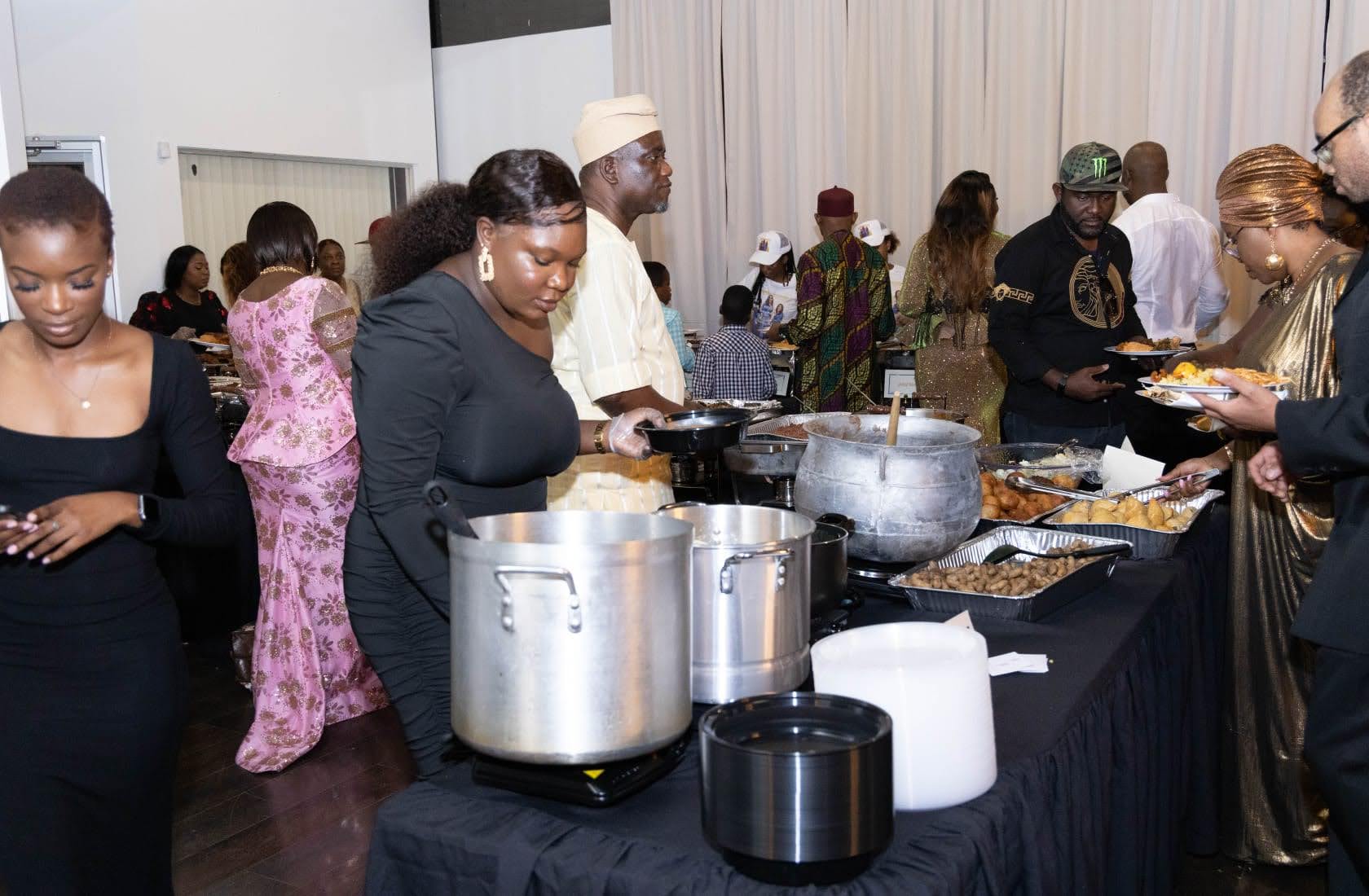
Her father and mother were there all the way to complete her joy. Her husband, Vince Dogo, and their three kids beamed with joy. Other relatives and close friends came from near and far to celebrate her. Guests came from everywhere to honor the birthday girl. Ladies came decked in gold while men came in their freestyle, as had been announced. Food was in its assortment; music was tremendous and guests had so much fun.
Asked why she celebrated, Ijay said, “Forty is a good number to celebrate. The Lord has helped me through many hurdles and I wanted to appreciate God in a loud way. This is in addition to some of my friends, convincing me to celebrate myself.”
Asked what she would have wished for, Ijay revealed that It would have been nice to have her siblings with her, “but that was beyond my control, other than that, I wouldn’t change anything.”
Afrik Digest further asked if she regretted anything in her forty years on earth, she said, “I don’t think so. I always try to do my best in whatever I find myself doing. What I have achieved so far is my best. I have no regrets!”
Ijay is grateful to her amazing parents, family and friends. She thanks her cousin, Rosemary, and her kids; her auntie, Chika Onyema from Atlanta, and Ezra Onyema from Oklahoma. She further expressed her appreciation to everyone who helped in one way or another before, during, and after, to make the party successful.
Afrik Digest wishes Her Fabulousness an amazing new age.
-Is the Chinese generosity genuine or a smokescreen?
China, the largest government creditor to emerging economies, announced recently that it will forgive 23 interest-free loans to 17 African countries and redirect $10 billion of its International Monetary Fund reserves to nations on the continent.
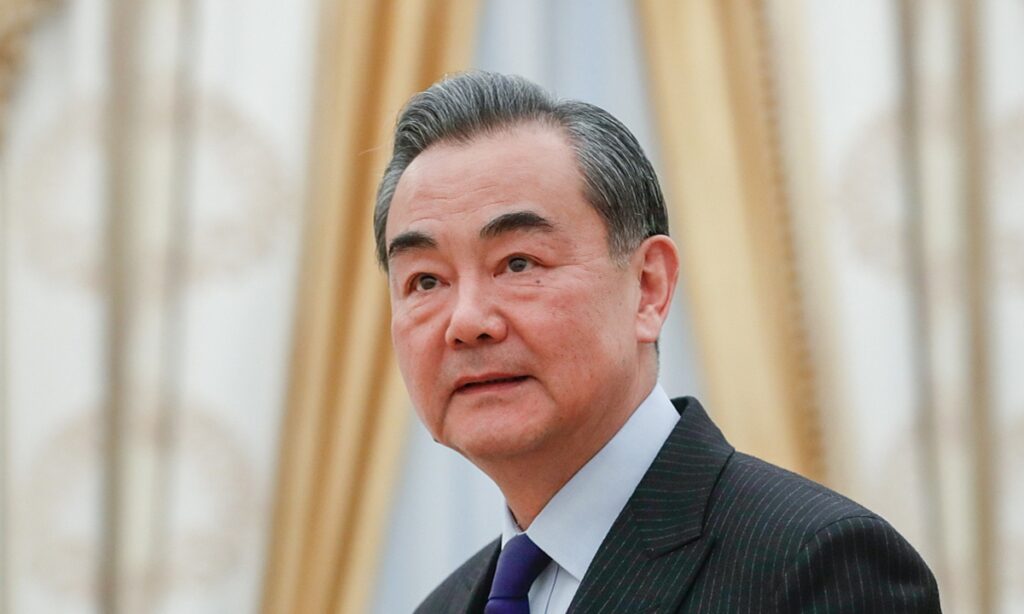
This latest Chinese position was disclosed by the Chinese Foreign Minister, Wang Yi while speaking with select Chinese and African diplomats in a meeting of the Forum on China-Africa Cooperation (FOCAC), according to a report by Bloomberg. The gathering was a follow-up meeting of the FOCAC that was held last November in Senegal.
In recent years, China has established itself as Africa’s largest bilateral lender bankrolling key infrastructure projects on the continent as well as giving out loans. Although details of the 17 benefiting countries and the amount were not disclosed, it was also revealed that some other countries would still benefit from the Asian superpower’s $10 billion IMF funds which serve to implement the follow-up actions of the eighth ministerial conference of FOCAC.
According to Yang Wi, “We will also continue to increase imports from Africa, support the greater development of Africa’s agricultural and manufacturing sectors, and expand cooperation in emerging industries such as the digital economy, and health, green and low-carbon sectors”.
Chinese Foreign Minister Wang Yi announced the debt cancelations in a recent meeting of the Forum on China-Africa Cooperation. Photo – Global Times
It is important to note that these grants, or interest-free loans, account for a tiny share of China’s loan portfolio in Africa — in the low single digits — and Wang’s announcement does not have any impact on the much larger commercial and concessional obligations that are due. The generosity China has showered on Africa in recent times in the form of waivers and debt cancellations has got many on the continent feeling worried and asking, what does China really want from Africa ?
It’s no secret that Africa, despite its numerous challenges, is fast becoming the urbanizing region of the world, with rural migrants moving into cities at a rate that has even surpassed that of China and India, as the continent becomes one of the final frontiers of the fourth industrial revolution. This rapid transition presents big challenges but also offers big rewards for countries willing to risk billions in an infrastructure building revolution unlike anything the world has seen before – and no country has answered Africa’s call quite like China.
By 2050, it is estimated that Africa’s current 1.5 billion person population is slated to double, with 80% of this growth happening in cities, bringing the continent’s urban headcount up to more than 1.3 billion. The population of Lagos alone is growing by 80 people per hour. According to McKinsey, by 2025 more than 100 cities in Africa will contain over a million people.
China’s role in Africa defies conventional stereotypes and punchy news headlines. China is both a long-established diplomatic partner and a new investor in Africa. Chinese interests on the continent encompass not only natural resources but also issues of trade, security, diplomacy, and soft power. China is a major aid donor, but the scope, scale, and mode of Chinese aid practices are poorly understood and often misquoted in the press according to the Chinese government who would like to see their overtures to Africa received wholeheartedly and not with some tepid skepticism that it encounters from time to time.
Africans’ reactions to Chinese involvement have been mixed over the years. Government officials have been overwhelmingly positive to the Chinese intervention, while other elements of African societies criticize China for what they see as an exploitative, neo-colonial approach.
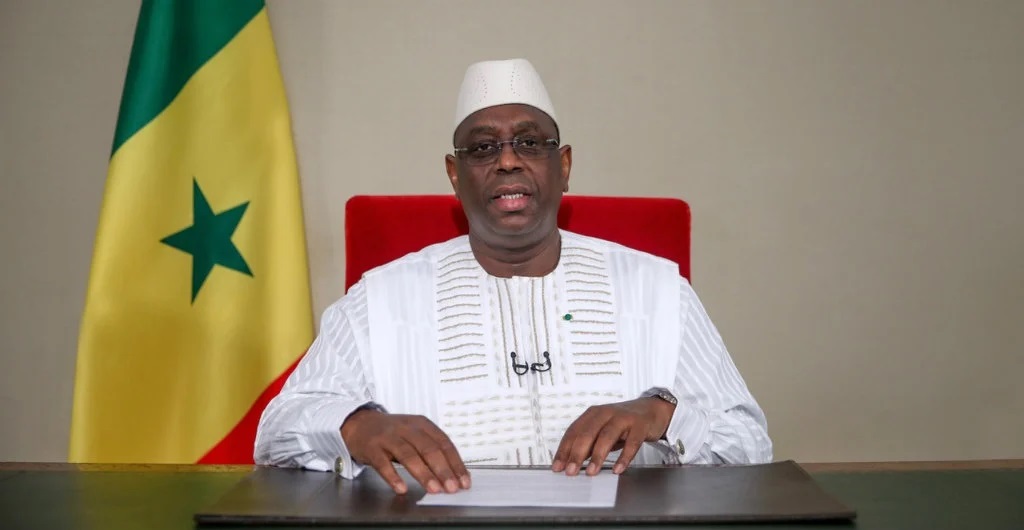
Senegalese President Macky Sall who also doubles as the president of the African Union has welcomed the debt pardon from the Chinese government. Photo – africa24news
China has four overarching strategic interests in Africa. First, it wants access to natural resources, particularly oil and gas. It is estimated that, by 2026, China will import more oil worldwide than the United States. To guarantee future supply, China is heavily investing in the oil sectors in countries such as Sudan, Angola, and Gabon and Nigeria. Secondly, investments in Africa, a huge market for Chinese exported goods, might facilitate China’s efforts to restructure its own economy away from labor-intensive industries, especially as labor costs in China continue to increase.
Thirdly, China wants political legitimacy. The Chinese government believes that strengthening Afro-Chinese relations helps raise China’s own international influence. Most African governments express support for Beijing’s “One China” policy, a prerequisite for attracting Chinese aid and investment. Finally, China has sought a more constructive role as contributor to stability in the region, partly to mitigate security-related threats to China’s economic interests.
African governments on the other hand look to China to provide political recognition and legitimacy and to contribute to their economic development through aid, investment, infrastructure development, and trade. To some degree, many African leaders hope that China will interact with them in ways that the United States and other Western governments do not — by engaging economically without condescendingly preaching about good governance, for example, or by investing in high-risk projects or in remote regions that are not appealing to Western governments or companies. Some Africans aspire to replicate China’s rapid economic development and believe that their nations can benefit from China’s recent experience in lifting itself out of poverty.
In an effort to douse the criticism and skepticism that it has encountered in large parts of the continent, Beijing has in recent years adjusted its policies to assuage Africans’ concerns and put the Afro-Chinese relationship on a more balanced footing. These modifications include a greater emphasis on “sustainability” in the economic and trade relationship; the promotion of Chinese soft power, culture, and people-to-people exchanges; and proactive engagement in the security and stability of conflict-prone areas in Africa. Such adjustments represent an understanding among Chinese elites that China’s increasing presence on the continent is producing negative consequences that must be addressed.
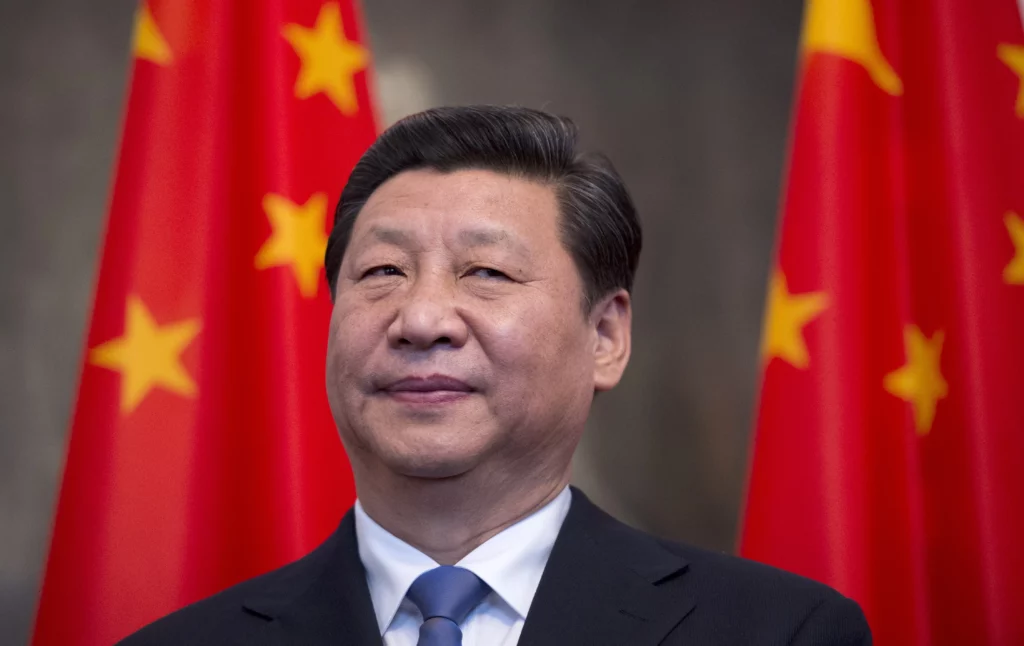
Chinese President Xi Jinping. African observers and experts continue to debate if China’s gestures to Africa is genuine or not. Photo(Time.com)
However, there is a common misconception that all Chinese projects in Africa have the backing of Beijing. More often than not, Chinese SOEs are operating in Africa on purely for-profit ventures that don’t have the ambitions of their government in mind. However, it can be difficult to separate China’s commercial intentions in Africa from the strategic, as, in many cases, the two inevitably overlap. The internationalization of Chinese construction firms and IT companies as well as the building of infrastructure to better extract and export African resources, are key concerns for Beijing. So while the infrastructure being built on the ground may not necessarily be orchestrated by Beijing it does ultimately play into China’s broader geo-economic interests.
While the announcement of the debt pardon highlights China’s efforts to build ties with developing nations. The US and China are competing for influence around the world, Africa inclusive, and Beijing’s announcement comes at a low point in ties between the two superpowers, with tensions rising following a visit to Taiwan by US House Speaker Nancy Pelosi earlier this month and Beijing’s support of Russia amid its invasion of Ukraine.
While the United States and China may not be strategic rivals in Africa, the two countries could increasingly compete commercially if American businesses become more engaged in African markets, something that former U.S. President Obama clearly hoped to foster through the multiple trade- and infrastructure-related initiatives he announced during his 2013 summer trip to Senegal, South Africa, and Tanzania.
Such business competition would benefit African countries and advance U.S. interests. African governments might be able to negotiate more favorable commercial terms if they are not beholden to Chinese financing. African communities would benefit, as American companies are more likely than their Chinese counterparts to hire local laborers for skilled and unskilled positions, transfer industrial technologies to local partners, require humane working conditions, and contribute to initiatives that promote the health and welfare of their workforce. Such business practices would likely encourage Chinese enterprises to do the same so as to secure deals, compete in local labor and consumer markets, and ultimately enhance China’s image in Africa.
Fifty African leaders are expected to join President Biden in Washington, DC, to discuss pertinent inter-relational issues, including food security, etc., as America re-engages Africa.
President Joe Biden announced recently that the United States will be bringing together leaders from across the African continent for a major summit in Washington, DC this December to discuss pressing challenges that range from food security to climate change.
“The summit will seek to demonstrate the United States’ enduring commitment to Africa, and will underscore the importance of US-Africa relations and increased cooperation on shared global priorities,” Biden said in a statement to the media.
The US-Africa Summit, scheduled for December 13-15, was announced concurrently in virtual remarks by Vice President Kamala Harris to the US-Africa Business Summit in Marrakesh, Morocco. The latter event was hosted by the Corporate Council on Africa and the Kingdom of Morocco.
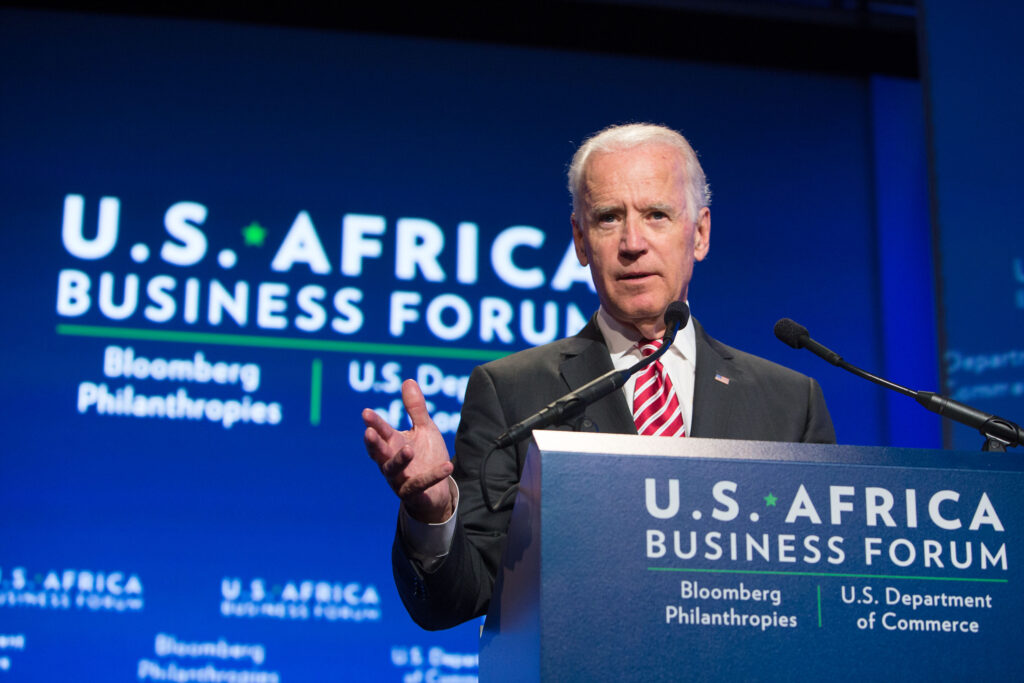
President Biden will in December host the second edition of the US-Africa summit in Washington D.C Photo – CNN
A senior official of the administration, while discussing the plans of the US-Africa summit on condition of anonymity, told the Reuters news agency that about 50 African leaders are expected to join POTUS for the December 13-15 series of meetings.
It will be coming at the end of a year when Biden has engaged other regions of the world with trips to visit US allies in Asia, Europe and the Middle East. Biden is yet to visit Africa since assuming office, and the summit will be his most comprehensive look at the complicated nature of the continent.
Till date, majority of Biden’s diplomatic efforts have focused on promoting Western democracies as a counterweight to China, but Whitehouse officials say the US-Africa summit is not all about Beijing and say they are not in any way asking Africa to choose. “We strongly believe the United States offers a superior model, but we are not asking our African partners to choose”.
Since China overtook the United States as Africa’s largest trade partner over 13 years ago, the queer silence of American engagement on the continent has been, well, deafening.
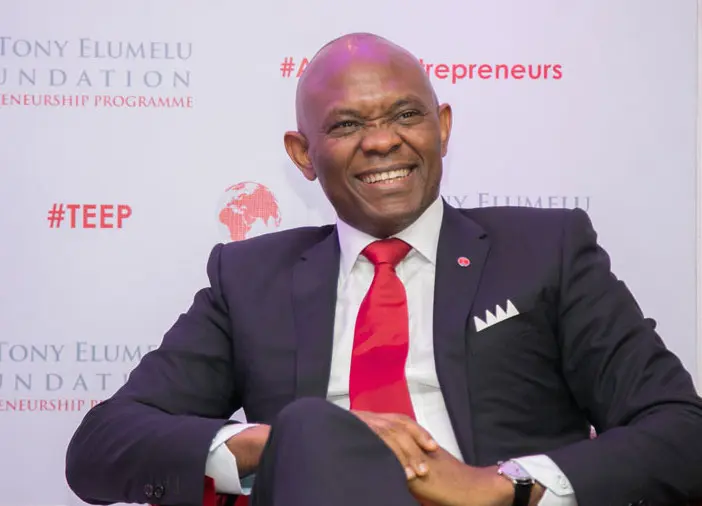
Nigerian business mogul Tony Elumelu made this point during a visit to Washington DC in the spring where he examined how China, Europe and Japan were all making enormous strides on the continent while the US was retreating. “Where is America in all this?” he contemplated in an op-ed for The Hill.
Nigerian Business mogul, Tony Elumelu is one of those who have called on the U.S. to rekindle its relationship with Africa. Photo – Vanguard News
But Elumelu eventually walked away heartened by the outcome of his US trip, noting that in his numerous exchanges with American policy makers, “I found a sincere interest in re-engaging the African continent in a manner that prioritizes mutual benefit and self-reliance.”
He wasn’t farther from the truth in all honesty, as the steps the US government has taken since then has shown that it plans to rekindle its ties with the African continent. And if there was added indication of this resurgence, the US-Africa Business Summit that took place in Marrakech, Morocco in July was a big step for the United States.
Conferences tend to get a bad rap, often deservingly, for being all talk and no action. Lots of people show up, make lofty declarations and commitments with no real intention to follow through.
But sometimes showing up is just enough, and they did show up for the summit organized by the Corporate Council on Africa: 2,200 delegates from around the world, including the full weight of the American private sector – Big Oil, Big Tech, Big Pharma, all the Big’s you can phantom. With them a large entourage from the US government, including the trade-focused initiative ‘Prosper Africa’ and the many US government agencies that have contributed to its fledgling success.
That the event was hosted in Morocco, the only African country to enjoy a free trade agreement with the US, was no accident either. Observers believe the American engagement in Morocco provides a template for supporting the whole of the continent in its desire to be self-sufficient, whether it is to help African countries grow and process their own food, increase access to electricity or build the critical infrastructure that will enable the success of the African Continental Free Trade Agreement, the world’s largest trading zone.
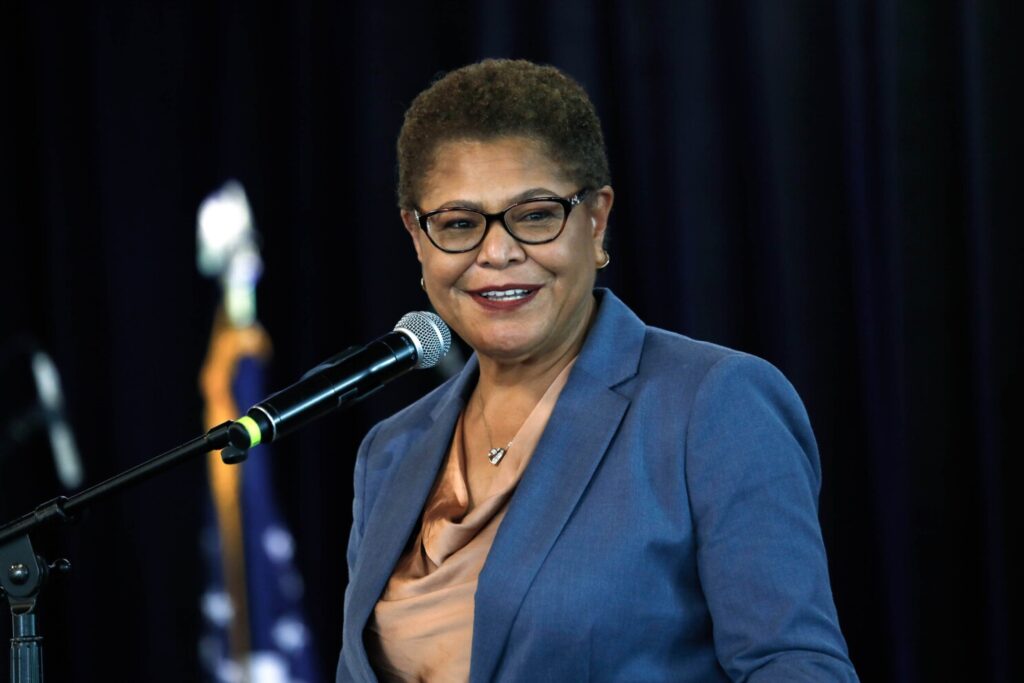
The announcement of the US-Africa summit by Biden has been met with positive responses from the vast majority of the African-American community across the country. Congress member Karen Bass, who has been serving as the U.S. representative for California’s 37th congressional district since 2011 said in a statement on her official website that she was absolutely delighted that this summit would be taking place.
“I was excited to hear President Biden’s announcement for a second U.S.-Africa Summit to take place this December, inviting government officials from across the African continent to Washington, DC to discuss the pressing challenges Africa faces, ranging from human rights to food insecurity to global public health. I was also pleased to learn that the Summit will kick off with the annual African Growth and Opportunity Act (AGOA) forum to promote robust trade relationships with African nations and encourage job creation in the U.S. and across Africa”.
Karen Bass The U.S. representative for California’s 37th congressional district has praised President Biden for the upcoming summit. Photo – LA Times
“First hosted by the Obama administration, the U.S.-Africa Summit is an illustration of the U.S.’s commitment to the formation of resilient bonds with African nations and therefore the importance of strengthening the institutional capacities of our partners on the continent. African leaders and representatives of the American civil society, the private sector, and the African diaspora are expected to join President Biden and administration officials in important discussions across a wide variety of issues. Continued collaboration with key partners on the African continent is essential to advancing Africa’s socio economic development, and I applaud President Biden’s commitment to establishing mutually beneficial social, economic, and institutional ties with African nations.”
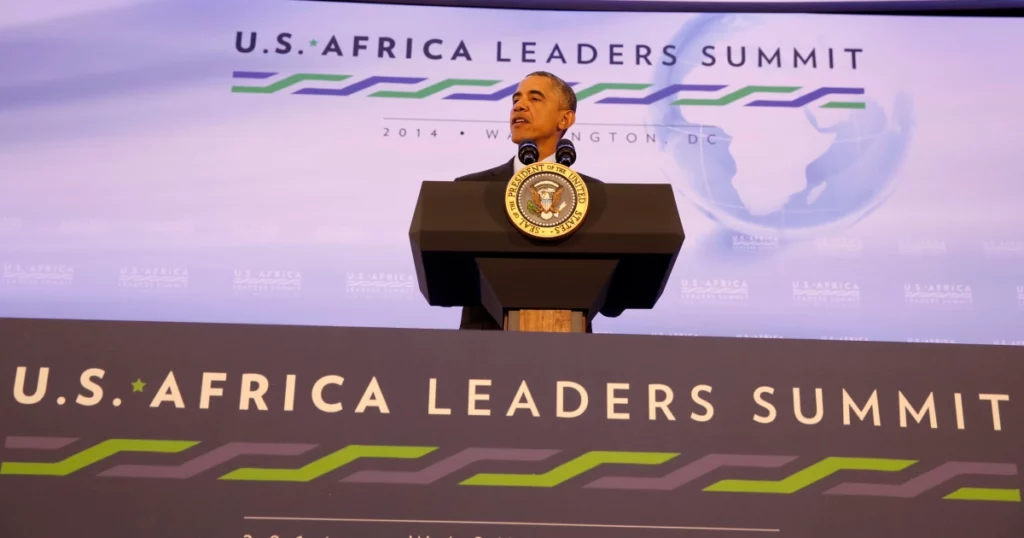
Former President Barack Obama hosted the first ever US-Africa summit. Photo- ABC News
As the continent gears up for the summit, it is absolutely vital that America demonstrates through action the full attention and respect for African voices and priorities that will be brought to the fore, this even as all sides recognize that the United States retains its concern over the rising influence in Africa of China and Russia.
The strategy the U.S. has adopted in the past with Africa clearly hasn’t worked. Previous strategies tend to be more of a schemer & patsies relationship which has never won the United States any favors on the continent.
Ultimately, there appears to be a renewed scramble to gain new spheres of influence in Africa as high-stakes international politics look to change on the global scene. African leaders must ensure they get it right as tensions between Russia, China and the West are starting to manifest in Mali and Burkina Faso. Having being easy prey to flattery by foreign dignitaries over the years, African leaders must learn and ensure they put the continent’s self and mutual interests first. It goes without saying that, as they welcome the visitors, they must exercise caution. Individual Heads of State and Governments, the AU, the Economic Community of West African States (ECOWAS) and other regional groups must not fall for the same tricks again.
The United States with its new strategy, has invited African partners to join it on a journey — and in a relationship qualitatively different from those of the past. But a shared journey must begin with traveling companions jointly identifying their destination — and that is the step Africa has to take now. America has spoken clearly of Africa as a rising global power that will be central in shaping the world that future generations will inherit from us. Africa must now summon the confidence and determination to respond in kind, and to play its role as a global power to the benefit of Africans and the world.
President Biden seemed to understand this when he announced he would be hosting the US-Africa Summit in December, inviting all African heads of state to the White House for the first time in eight years. It was a welcome sign that America was at last making its presence felt again.
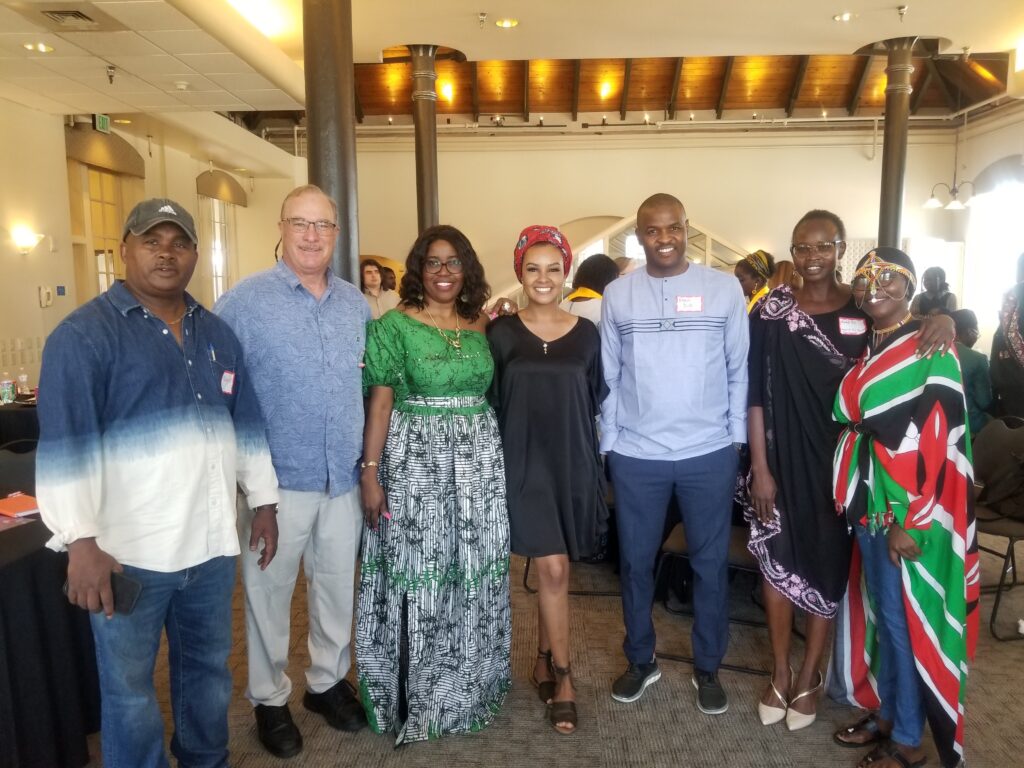
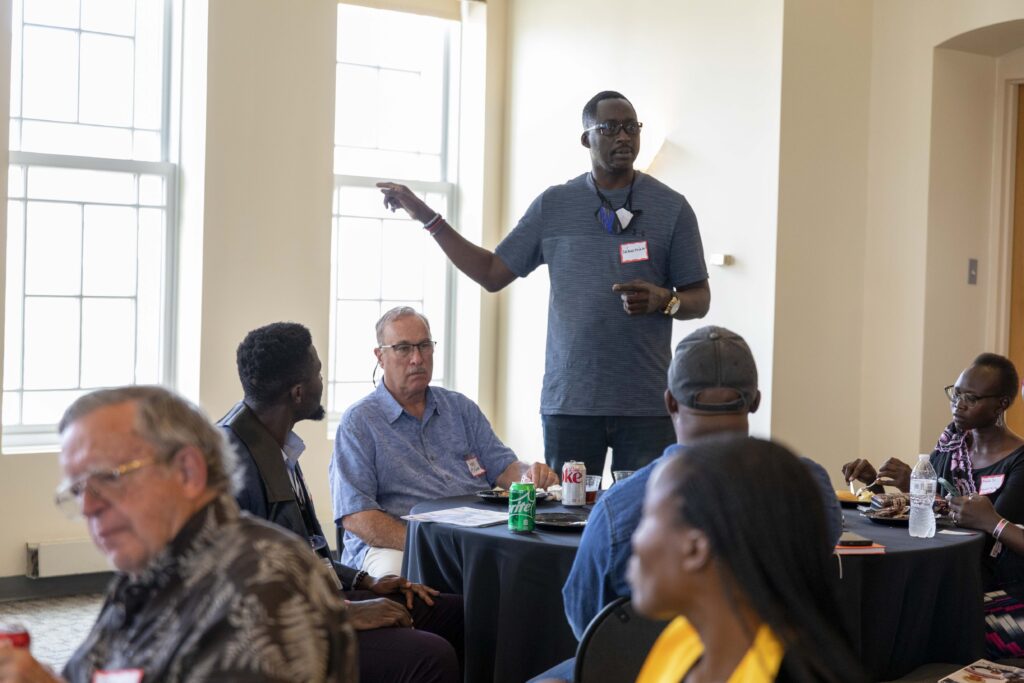
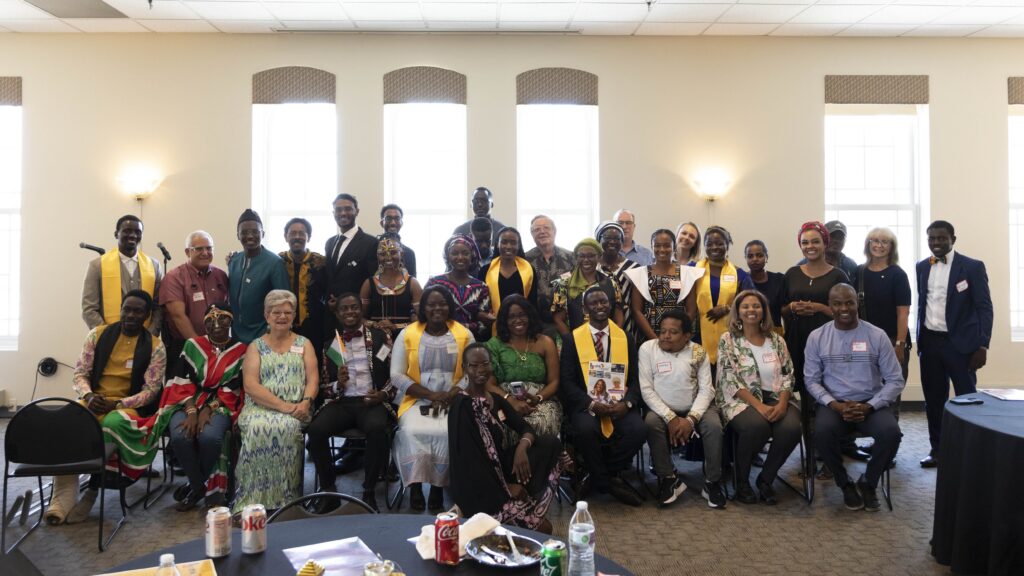
Denver Colorado recently played host to a group of African young leaders who arrived in Colorado in July 2022 for the Mandela Washington Fellowship of the Young African Leaders Initiative. The visiting young Africans sat down to enjoy an appetizing lunch in a cozy small hall in the Tivoli Student Union block of the University of Colorado, during a small reception hosted by the Rotary Club of Denver.
The July reception was attended by some proud Africa community leaders that included Dr. Azuka Idam, Publisher and CEO of Afrik Digest Magazine, Ms. Nyadak Pal of the Nyadak Pal Peace Foundation, Ms. Maya Wheeler from the African Chamber of Commerce, Dr. H. Malcolm Newton, founder of the Pan African Business Council, Mr. Nigusse Beyene from the Global Refugee Solution and Mr. Papa Dia the founder and Executive Director of the African Leadership Group.
The fellows who were picked from different countries of Sub-Saharan Africa, were extremely delighted to be received by Africans in Colorado. The African community leaders who were present congratulated the fellows on their outstanding journey so far and admonished them to continue being worthy ambassadors of the African continent. Some of the participants expressed gratitude to the fellowship organizers and spoke highly of the training they have received. They also thanked CU Denver and Rotary for the unforgettable experience.
Since the Mandela Washington Fellowship for Young African Leaders Initiative (YALI) was established in 2014, the program has seen participation from more than 5000 young African leaders from all over the continent. President Obama launched the Young African Leaders Initiative (YALI) in 2010 as a signature initiative to offer support to young African leaders as they work to spur growth and prosperity, strengthen democratic governance, and enhance peace and security across the continent. This year, a cohort of 25 selected young leaders attended the training at the University of Colorado (CU Denver) School of Public Affairs, where they were paired with organizations in academia and the non-profit world for a mutual exchange of knowledge and information.
The University of Colorado Denver (CU Denver) was an institute partner for this year’s fellowship program. The program works in collaboration with US colleges and universities toward a six-week leadershiptraining to build skills in business, civic engagement, leadership and public management for visiting fellows.
–Ceremony Set to honor the remarkable achievements of Africa, Africans and African descendants across various industries
The Africa-America Institute (AAI), the premier US-based international organization connecting Africa to America through education, training and dialogue, announced its 38th Annual Awards Gala celebrating the vast contributions of Africa and its worldwide diaspora. Returning to an in-person format, the Awards Gala will take place at Cipriani 42nd St. in New York City, on September 20th at 6PM.
Launched in 1984, the AAI Awards Gala is the most anticipated African-centered event convened in New York City. Held during the week of the United Nations General Assembly, the Gala brings together a host of distinguished notables including heads of state, diplomats, government officials, business and civil society leaders, scholars, journalists and other leading figures for an unforgettable evening.
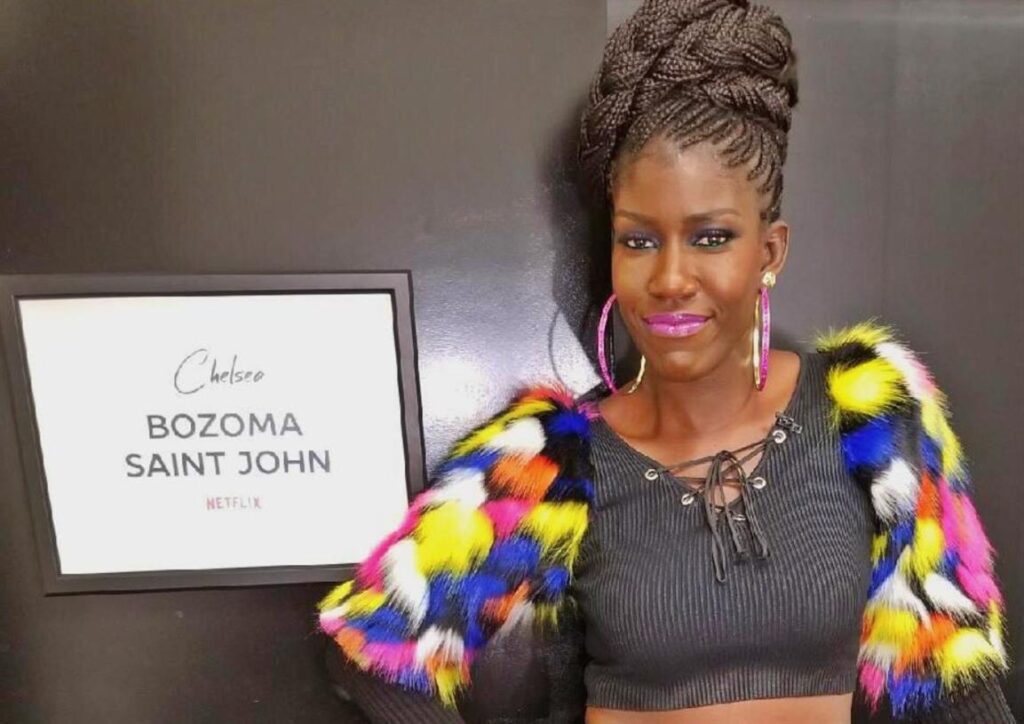
Bozoma Saint John the chief marketing officer for Netflix will host the 38th Annual Awards Gala of The Africa-America Institute. Photo -Reuters
Hosted by marketing executive, entrepreneur and author Bozoma Saint John, this year’s awards will center around the theme of “Africa in the World.” During the ceremony, AAI will honor an illustrious group of leaders across industries that have used their platforms to advance and affect substantive change locally, nationally and globally in their respective areas.
The 2022 Awards and Honorees include:
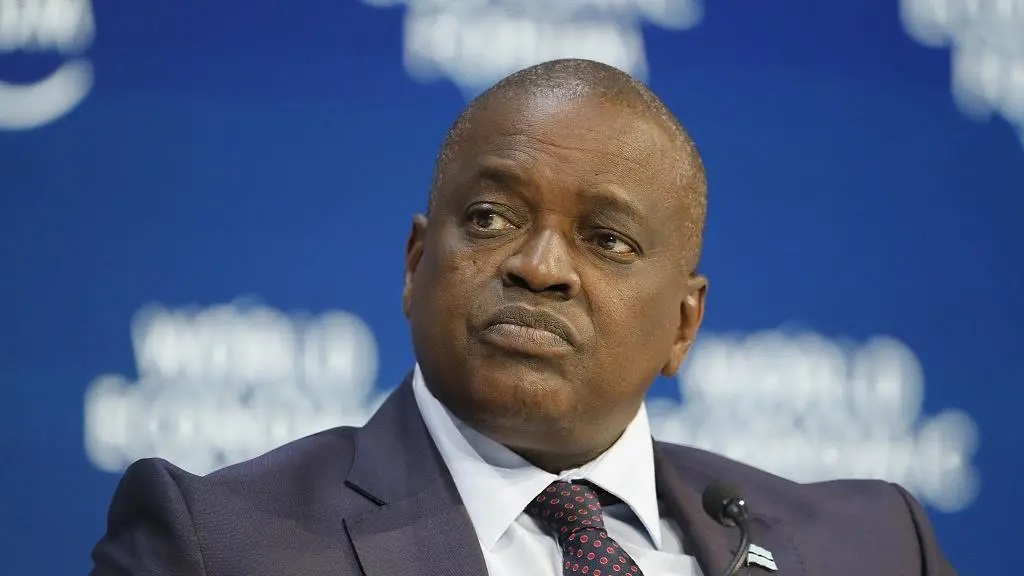
National Achievement Award: The Republic of Botswana to be accepted by His Excellency Mokgweetsi Eric Keabetswe Masisi
The President of Botswana,Mokgweetsi Keabetswe will be receiving the National Achievement Award on behalf of his country. Photo – vanguard.com.ng
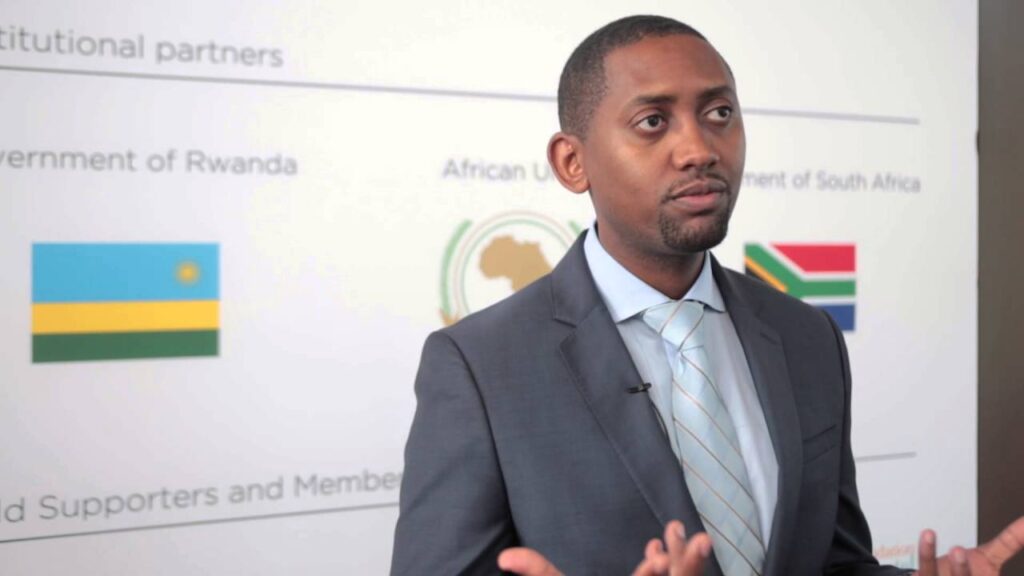
Science and Technology Leadership Award: Solomon Assefa – Vice President of IBM Research, Africa & Emerging Market Solutions
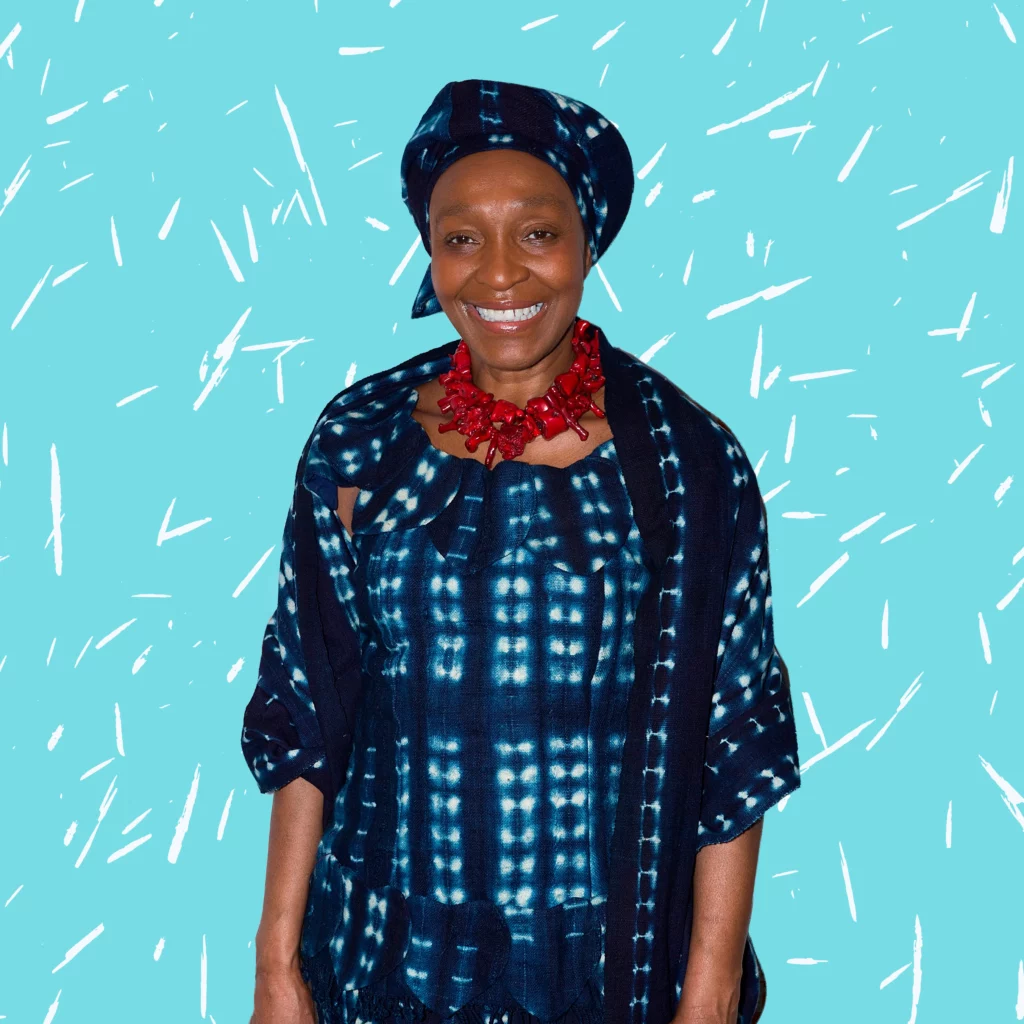
Solomon Assefa – Vice President of IBM Research, Africa & Emerging Market Solutions will be the recipient of the Science and Technology Leadership Award. Photo -BBCSierra Leonean born Mahen Bonetti will be receiving the Ambassador of African Film Award. Photo(Essence.com)
Ambassador of African Film Award: Mahen Bonetti – Founder of the African American Film Festival, Inc. (AFF) and Executive Director of the New York African Film Festival (NYAFF)
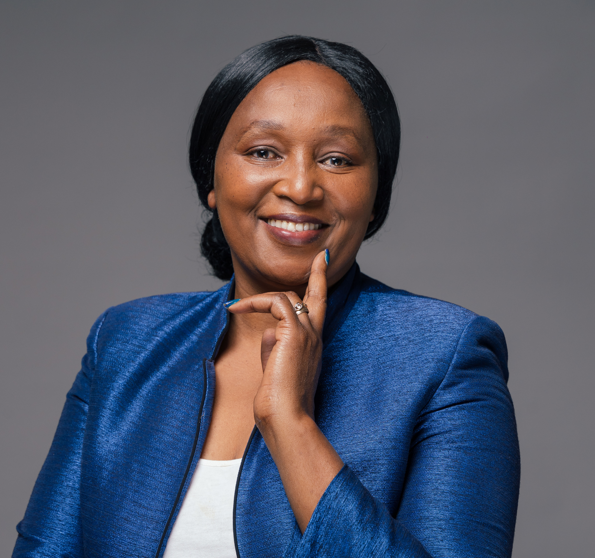
Distinguished Alumnus Award: Betty Wambui Kibaara – Director of the Food Initiative at the Rockefeller Foundation
Betty Wambui Kibaara, Director of the Food Initiative at the Rockefeller Foundation will receive the Distinguished Alumnus Award. Photo -Rockefellerfoundation.org
“This year’s Gala promises to be especially exciting as it marks a return to an in-person event after the last two editions were held virtually due to the COVID-19 pandemic. We are delighted to have the opportunity to honor the people of the Republic of Botswana for their steadfast commitment to democracy and ground-breaking global partnerships in medical research and education,” said Kofi Appenteng, AAI’s President & CEO. “We’re also celebrating Dr. Solomon Assefa’s crucial work in deploying AI to enable sustainable futures, Betty Kibaara’s work championing food security and agribusiness investments, and Mahen Benetti’s legacy of bringing African and Diasporan voices to the forefront of global cinema. In geographical, scientific, artistic, and cultural terms these honorees embody this year’s Gala theme of Africa in the World.”
Since its founding in 1953, AAI has awarded scholarships and fellowships to over 23,000 Africans. These individuals comprise an esteemed network of alumni, many of whom are leaders and influencers across the public, private, and governmental sectors in Africa and globally. Included in this network are current Heads of State, H.E. Hage Geingob, President of the Republic of Namibia; H.E. Alassane Ouattara, President of the Republic of Côte d’Ivoire; H.E. Mohamed Bazoum, President of the Republic of Niger; and H.E. Cyril Ramaphosa, President of the Republic of South Africa. Many of AAI’s Alumni have left an indelible imprint, including the late 2004 Nobel Peace Prize Laureate Wangari Mathaai and the late Barack Obama, Snr.
The Miss Africa Calabar beauty pageant which debuted in the year 2017 is gearing up for the 2022 event which promises to deliver on the hype.
The beauty pageant, which is the initiative of Prof. Ben Ayade-led administration, is a platform aimed at creating awareness about the effect of climate change and its attendant impact.
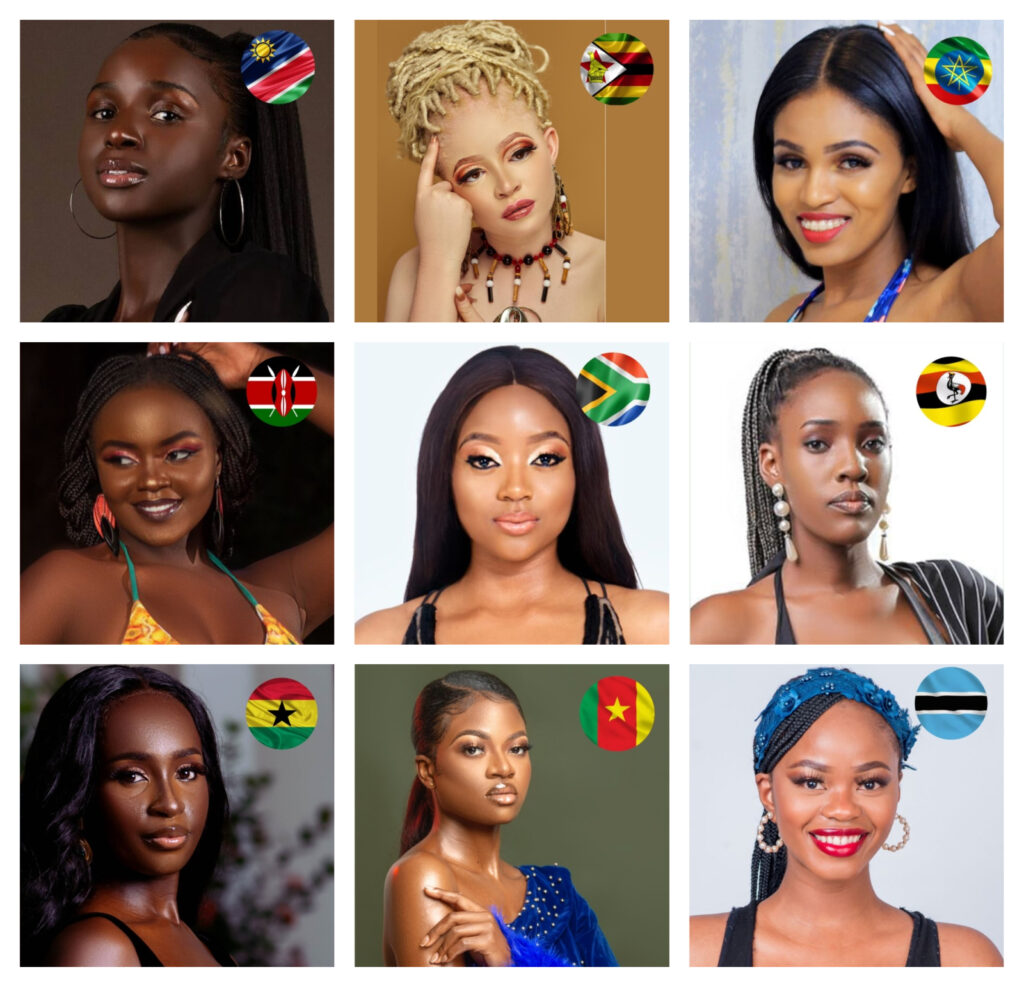
The Contestants for this year’s beauty contest
The Cross Rivers State governor, who himself is a strong environmental activist, has said that he hopes the beauty pageant continues long after he leaves office and would love nothing more than to see the continent begin to take more serious steps in protecting its environment and combating climate change.
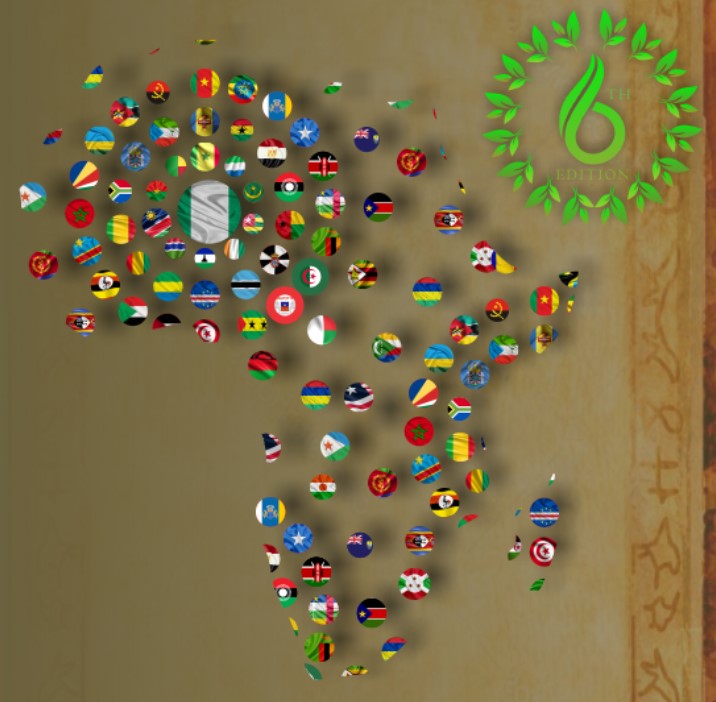
The event is held every December and this year’s event will be held on the 27th and 28th of December 2022. The organizers plan to have 13 contestants from Namibia, South Africa, Tanzania, Tunisia, Nigeria, Ethiopia, Botswana, Uganda, Zimbabwe, Zambia, Kenya, Ghana and Cameroon slug it out for the right to be crowned the African Queen for the year 2022.
Sarra Sellimi of Tunisia won the 2021 beauty pageant and is the current reigning queen. Photo(MissAfricatv)
Like other Miss Africa beauty pageants that abound, the contest is among the activities designed to empower young women on the continent and give them a platform on which they can effect positive change as it pertains to the environment in Africa.
The 2021 pageant was won by Sarra Sellimi from Tunisia.
Several African migrants were reportedly gunned down at a Moroccan border that shares very close boundaries with Spain in the Nador region of Morocco. The incident happened on June 24th 2002, and according to various reports at the time, the victims, who were shot at close range by Moroccan police, were among the 2,000 migrants that stormed a barrier between the Moroccan region of Nador and the Spanish enclave of Melilla while trying to scale the heavily fortified fence.
Walking Borders, an asylum and refugees advocacy organization in Spain, had stated at the time that at least 37 migrants died in the unprecedented violence, but Moroccan authorities maintained that only 23 migrants died. Individuals and organizations all over the continent have widely condemned this wicked act and have called for probes into the deaths of those victims.
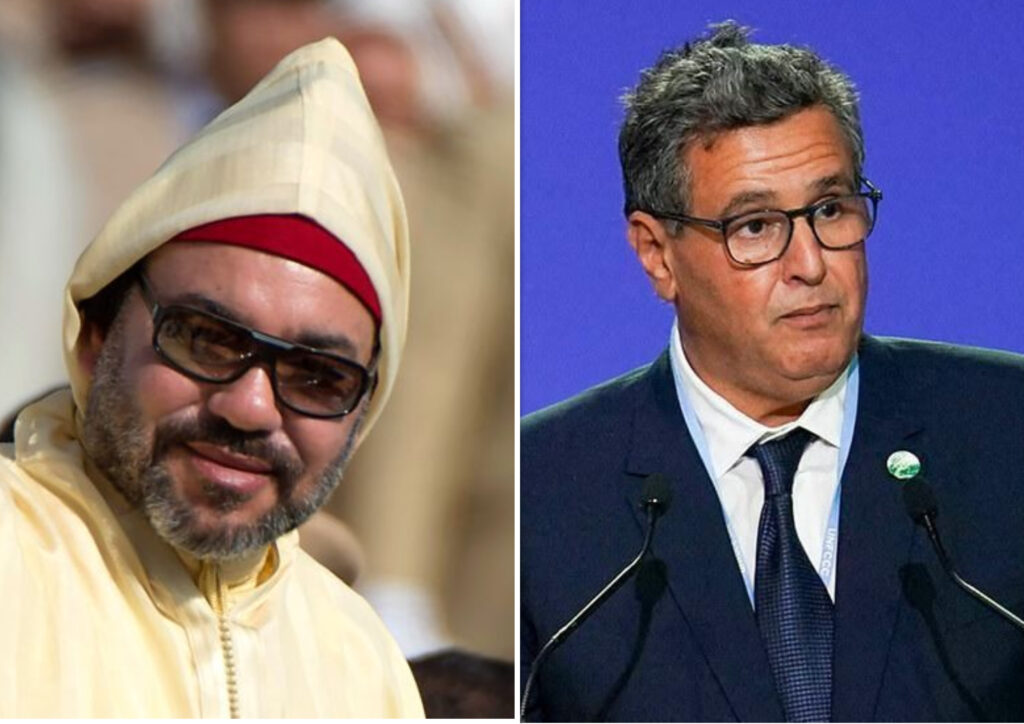
King of Morocco, Mohammed VI and Prime Minister Aziz Akhannouch have both been widely condemned for the incident at the Moroccan border and for strong arming Europe to do it’s bidding with the threat of a migrant wave. Photo (Al Jazera)
The African Youth Assembly through its Speaker of the Assembly in the West African Region, Comrade Matthew Naankin, in Jos, Nigeria condemned the killings in very strong terms and stated; “We wish to state categorically clear that the life of one African matters much to us with no reference to the part of the continent he or she comes from. The act is in contravention of the international convention on the protection of the right of migrants and workers and the members of their families as encapsulated in articles 9, 10 and 13 cum other articles of the treaty,” he said.
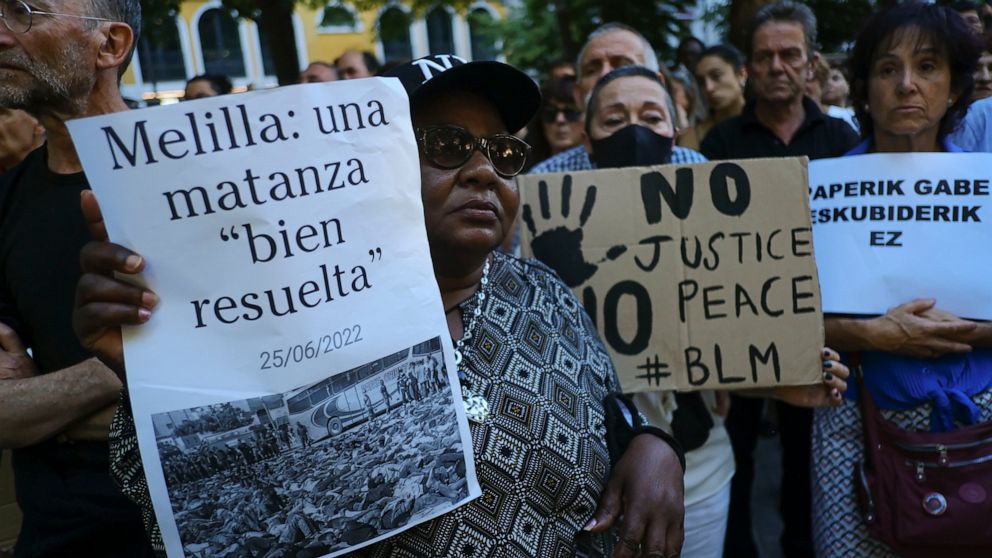
Demonstrations to protest the killings were also held in Major Spanish cities with considerable African populations like Madrid, Barcelona and Seville under the moniker “Las Vidas Negras Importan” in Spanish or “Black Lives Matter” in English. In Madrid, demonstrators filled up Callao square and held signs that read “Borders Kill” and “No human being is illegal.” In Barcelona, participants marched as they chanted against racism and colonialism.
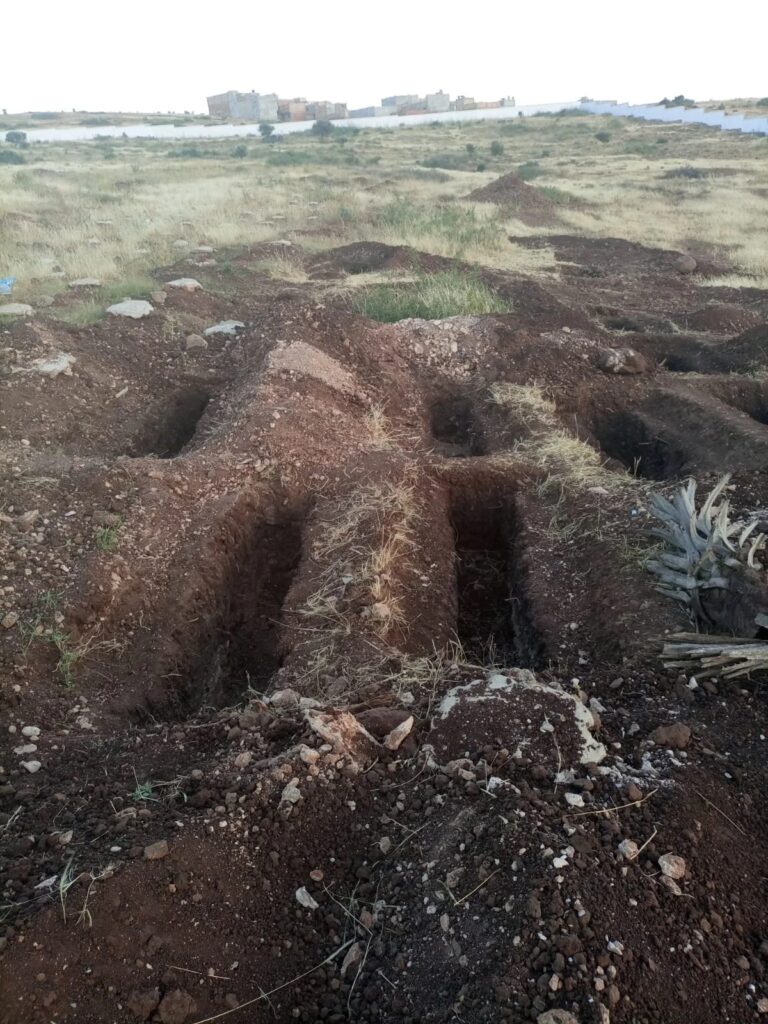
Freshly dug graves at Sidi Salem cemetery, Nador, Morocco, where local activists believe authorities plan to bury the bodies of the migrants who died during an attempt to scale the fence dividing Spain and Morocco. Photo(AFP)
Moussa Mahamat, the African Union Commission chairman, condemned the violent treatment meted out to the migrants, reminding countries of their obligations under international law that stipulates protection of migrants’ dignity and safety, and refraining from the use of excessive force.
Even in Rabat, the capital city of Morocco, more than 60 people held placards splashed with red paint, emulating blood to demand justice for the dead migrants. “We are here to express our anger about the massacre that took place in Melilla,” says Mamadou Diallo, a coordinator with the Collective of Sub-Saharan Communities in Morocco. “We have issued recommendations to the Moroccan authorities, who are responsible for setting up an independent investigation to identify those responsible for this massacre, but above all for the identification of all the remains, in order to return their bodies to their relatives or to bury them in humane conditions.”
Videos and Images that emerged in the days following the deaths sparked even greater outrage and condemnation by several human rights groups and officials, including the United Nations secretary-general, Antonio Guterres and the UN Human Rights Commissioner Michelle Bachelet. In one video shared by the Moroccan Human Rights Association dozens of young African men, some of them motionless and bleeding, were seen strewn on the ground as Moroccan security forces stood over them. Armed uniformed men could also be seen poking some bodies with their batons.
In another video, a group of migrants are seen climbing a fence, some hurling rocks at Moroccan anti-riot police trying to stop them. At one point, the fence collapses, sending them to the ground from a height of several meters. Further disturbing news emerged when reports broke that the authorities in Morocco had dug mass graves and may be planning on organizing hasty mass burials.
On June 26, the Association Marocaine des Droits Humains (Moroccan Human Rights Association or AMDH) posted two photographs on Twitter of what it estimated were between 16 and 21 graves being dug in the Sidi Salem Cemetery, on the outskirts of Nador, the Moroccan town across the border from Melilla. The first of these photographs was posted on Twitter by AMDH at 1:01 p.m. local time on June 26.
People protesting over the deaths in Seville. The protests occurred in major Spanish cities like Madrid, Barcelona and Valencia. Photo(AFP)
From the review conducted on those photographs, several human rights groups could identify at least 10 freshly dug individual graves, and by matching the shape of the perimeter of the cemetery, as well as buildings, trees, and landscape seen in the background with satellite imagery, the Moroccan Human Rights Association verified the exact location of the graves to be in the Sidi Salem Cemetery.
The way the Moroccan government has gone about the issue clearly shows a blatant disregard for the lives that were lost on that fateful day. While no one in their right mind will condone illegal border crossings, anyone attempting an illegal crossing still does not deserve to be shot on the spot. The European Court of Human Rights has made it clear in several cases involving border control that while states can and should take measures to prevent unauthorized entry into their territory, including the use of force, the need for border control cannot justify resorting to practices or using force in a manner that violates human rights protections, including right to life and freedom from inhuman or degrading treatment.
Morocco, which is the only African country to share a border with Europe, has long been a channel for sub-Saharan African migrants fleeing war and seeking better lives.
There have been strong claims that the North African country has allegedly been using migration flows as a political tool to pressure European countries to support its claim on Western Sahara territory, a small island country tucked in between Africa and the Middle East.
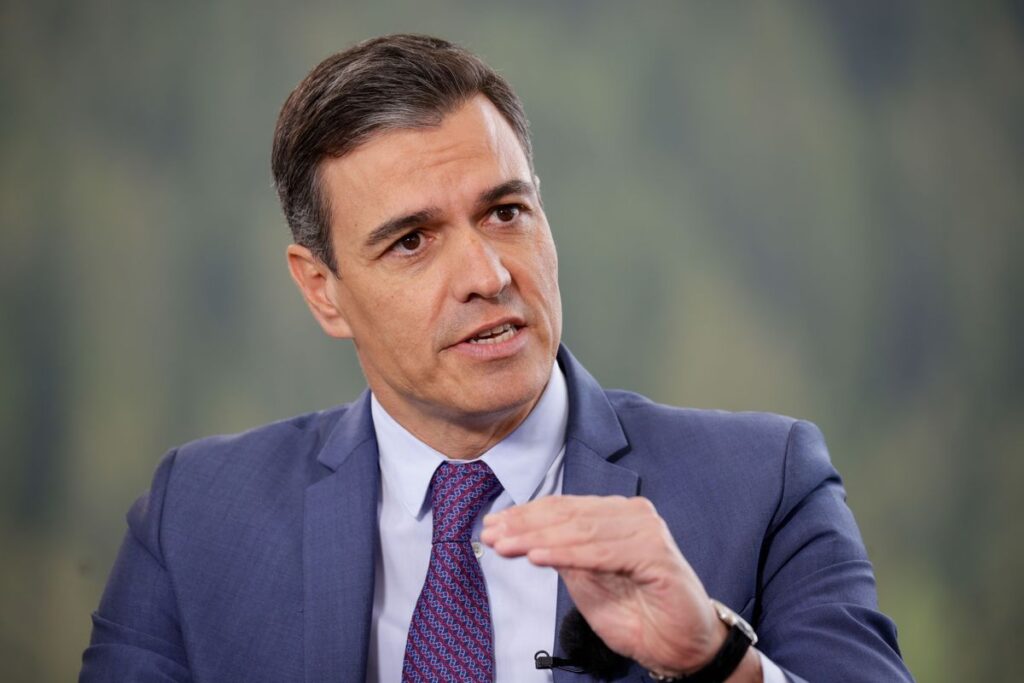
Spanish Prime Minister Pedro Sánchez has been mute on the killings that occured in Morocco. (Photo -Bloomberg)
In May 2021, when close to 10,000 migrants surged across the border into Spain’s other enclave, Ceuta, the Moroccan border guards took no action to stop the migrants from crossing. Instead, the action of the guards was seen as a punitive gesture by Morocco to pressure Spain for support in the political row over the disputed territory of Western Sahara.
As though bowing to the pressure, the Spanish Prime Minister Pedro Sánchez sided with Morocco and altered the country’s stance on the longstanding neutrality on the dispute over Western Sahara in a bilateral accord signed in March. Sánchez hoped to ensure Morocco’s cooperation on migration flow would prevent a repeat of the Ceuta incident.
Critics promptly rounded up on the Prime Minister and said the migration issue should not in any way be used for political ends.
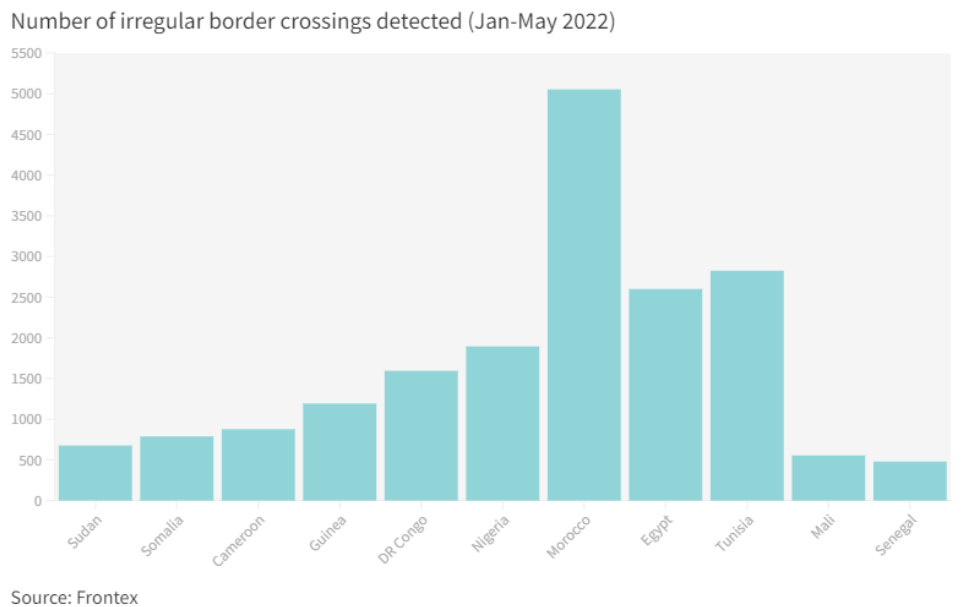
An infographic showing the countries that have attempted illegal border crossings in Africa this year.
The ever rising cases of violent border policing in Europe have raised calls for African governments to stop migration flows by improving conditions for their citizens. The number of Africans who are desperate, fleeing poverty and war at home and try to enter Europe illegally en masse annually keeps rising. While this piece isn’t trying to beat old drums of condemning African leaders for their inability to provide an enabling environment for their people thrive, the fact remains that wars and poverty are the biggest reasons why millions of Africans have subjected themselves to inhumane treatments just to eke out a better life in Europe or elsewhere.
Several decades after attaining independence from colonial rule, a lot of African nations still cannot manage their own budgets properly and watch helplessly as their people wallow in poverty, while many lose their lives due to poorly resourced service facilities, such as healthcare institutions.
It’s no secret that 85% of African governments often make policies within their countries with the expectation of assistance or aid from the developed world. This sort of thinking has severely crippled almost every aspect of our societies. Aid or assistance is in itself not wrong, especially when there is a real need for it, emanating mostly from catastrophes and natural disasters. The pattern in Africa has however seen the majority of our leaders neglecting their responsibility to serve their people by failing to create environments that allow their people to thrive.
Until African governments and its leaders start to invest massively in Africa across various sectors that create employment and related opportunities, embrace and invest more in non-traditional business models such as sports and sporting academies, find ways to work with global partners to break various smuggler networks that currently grossly exploit young people and fashion out a way to ensure all Africans start to adopt a change in mindset, one that drives everyone to take control and responsibility for their futures, the unfortunate incident in Morocco will be one of many that will occur in the not too distant future.
The Ngorongoro Crater is one of Africa’s most famous sites. It is said to have the highest density of wildlife in Africa. Often described as the ‘eighth wonder of the world’, the crater has continued to attract an ever-increasing number of visitors each year. While you are unlikely to escape other vehicles here, you are guaranteed a great and exhilarating wildlife viewing experience in a genuinely mind-blowing environment. There is nowhere else in Africa quite like Ngorongoro.
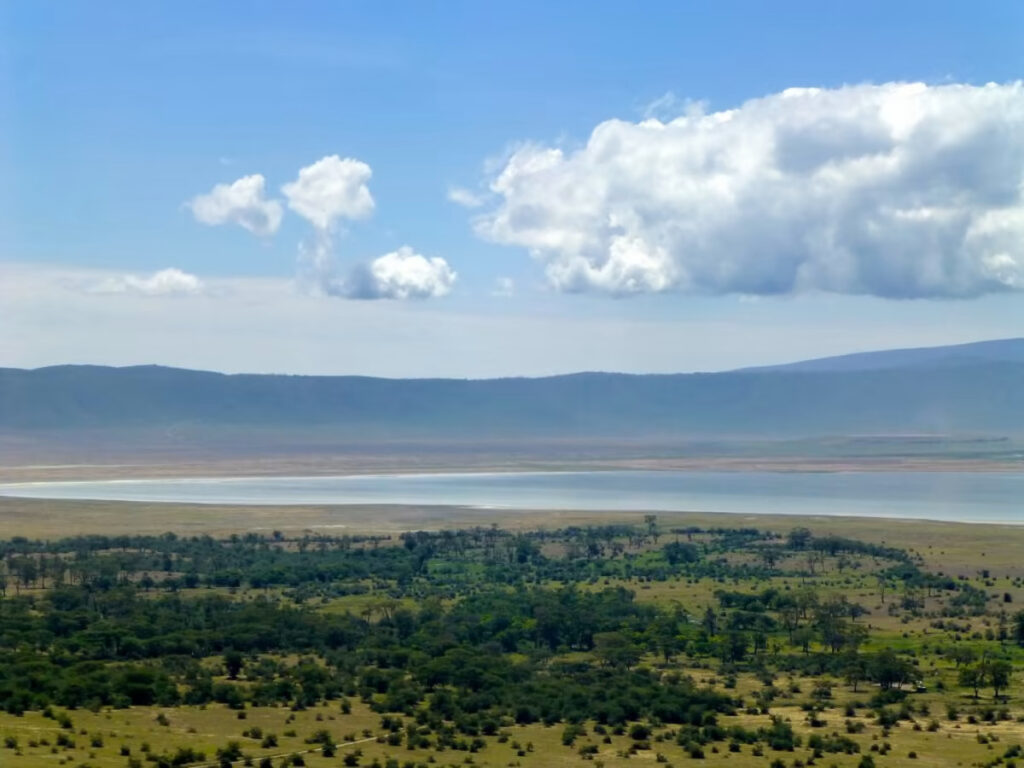
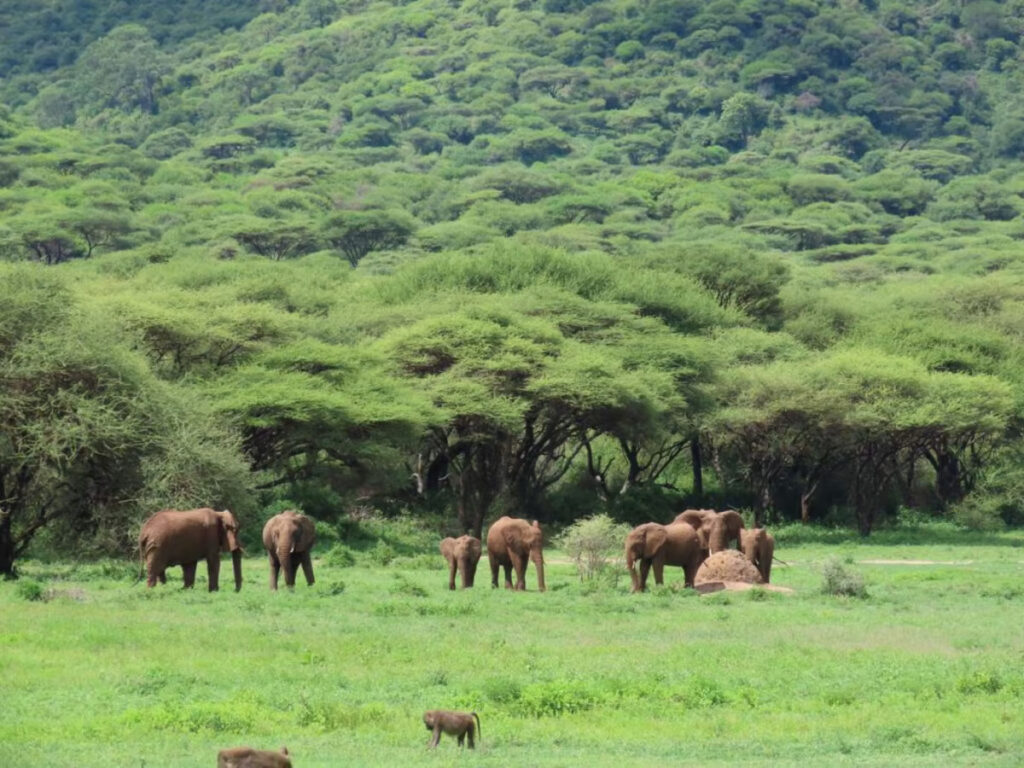
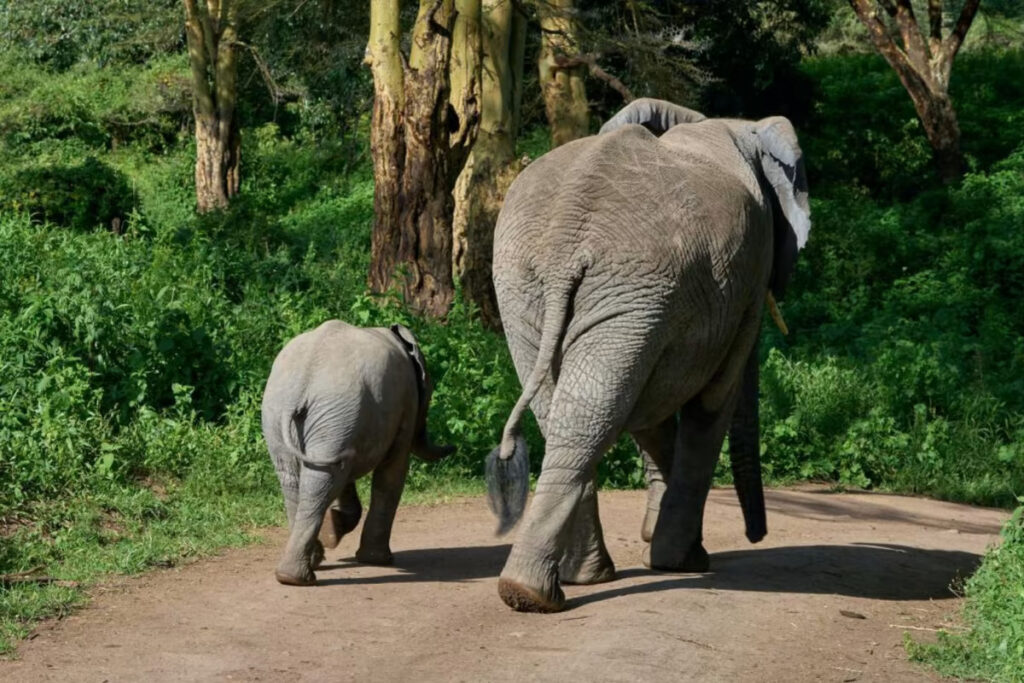
A view of Ngorongoro Crater’s Lake Magadi and Lerai Forest. Photo -RFPAn elephant herd near the thickly forested wall of Ngorongoro Crater. Photo-RFPA mother Elephant and her calf head into the forest along one of the game roads. Photo -RFP
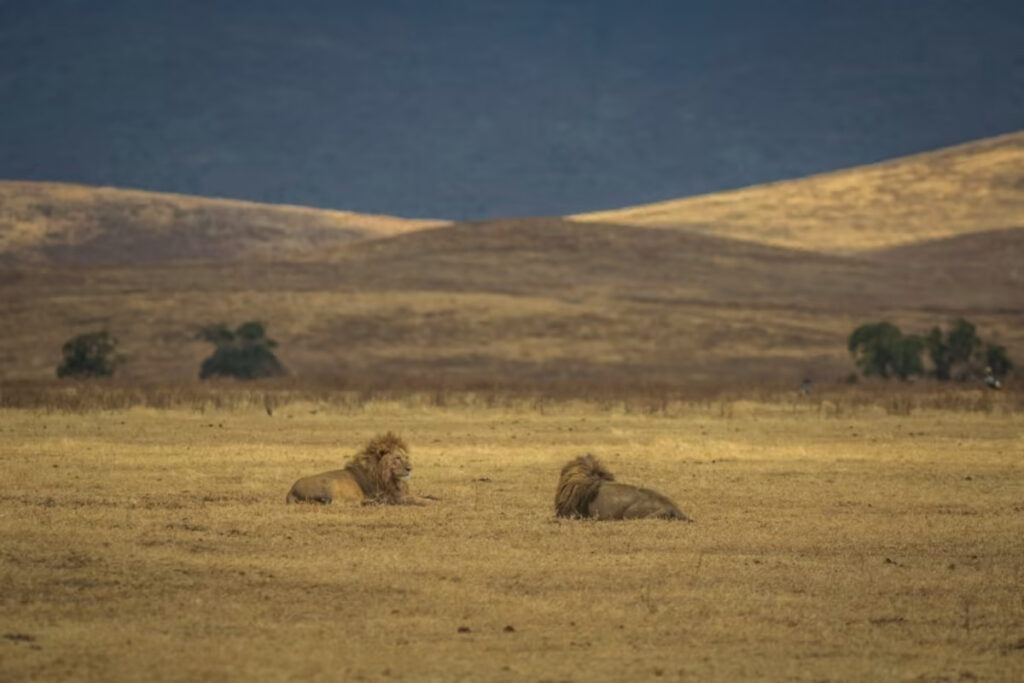
The Ngorongoro Crater is a breathtakingly beautiful setting and the best place in East Africa to see the Big Five (The Big Five is a term that is used to encompass the following wildlife that are commonly found in Africa: The iconic lion; elusive leopard; gentle elephant; hardy rhino; and the powerful African buffalo).
It is a great way to start your African safari adventure if you ever plan to go on one. However, as one of the world’s most astonishing and renowned natural wonders, the Ngorongoro Crater does get busy, and at times very very busy.
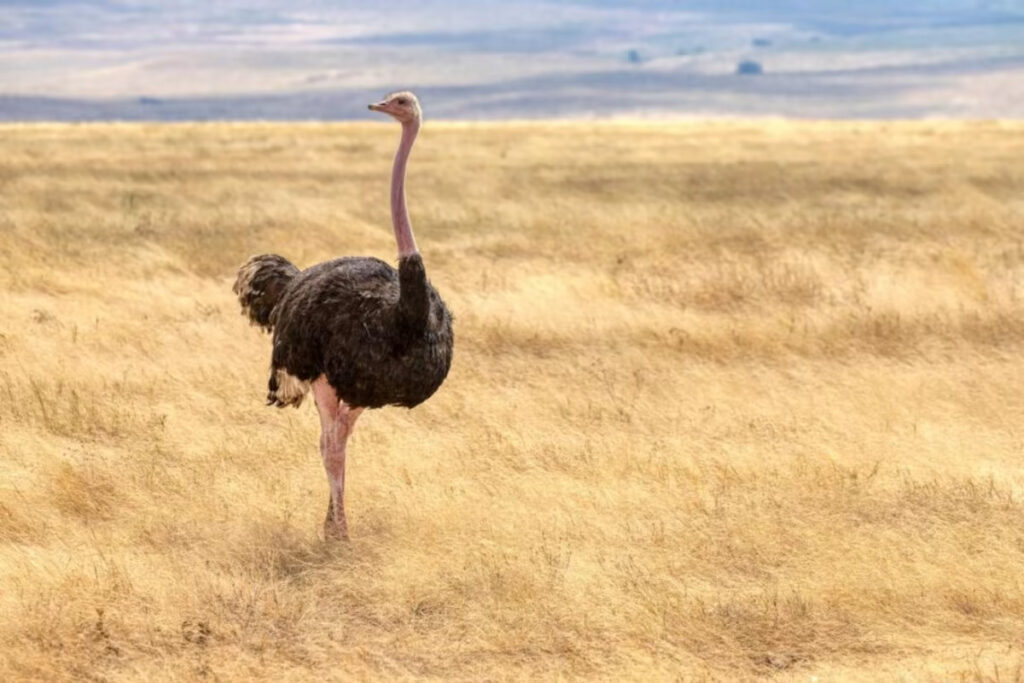
A lone ostrich presents a rather contemplative pose in the browned dry-season grass of Ngorongoro Crater. Photo-RFP
The entire Ngorongoro Conservation Area (NCA) is a UNESCO natural World Heritage site located in the northern highlands of Tanzania. The Ngorongoro crater, the world’s largest intact volcanic caldera, is often referred to as ‘Africa’s garden of Eden’. It is a commonly told anecdote that when Noah left his (Biblical) Ark, he let all the animals he had taken with him disperse from the Ngorongoro crater.
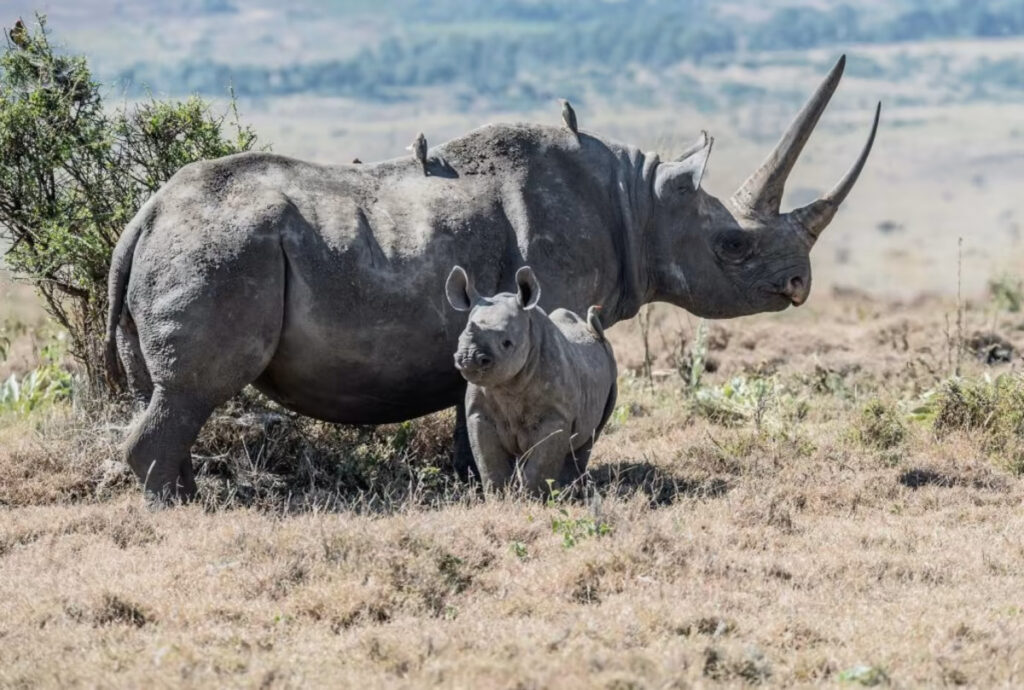
Black rhinos are very easy to spot at the crater as well. Photo -RFP
Some scholars have as a matter of fact even concluded that the ‘true’ Garden of Eden or cradle of humankind must have been located in East Africa.
The crater floor consists of a number of different habitats that include grassland, swamps, forests and Lake Makat (Maasai for ‘salt’) – a central soda lake filled by the Munge River. All these various environments attract wildlife to drink, wallow, graze, hide or climb. Although animals are free to move in and out of this contained environment, the rich volcanic soil, lush forests and spring source lakes on the crater floor (combined with fairly steep crater sides) tend to incline both grazers and predators to remain throughout the year.
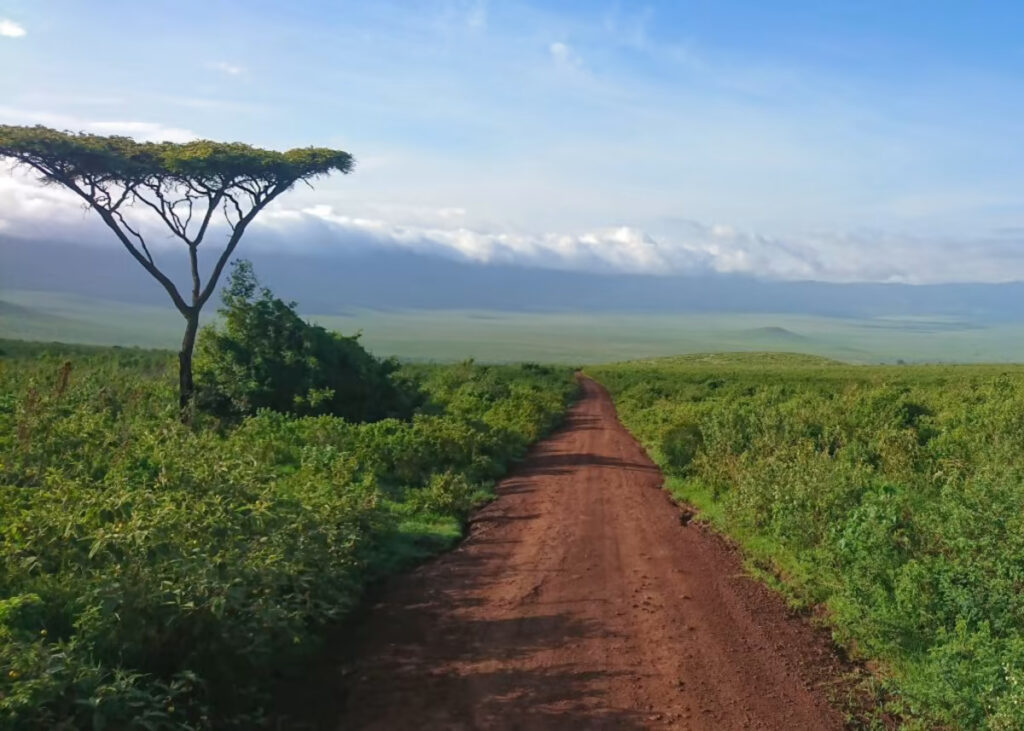
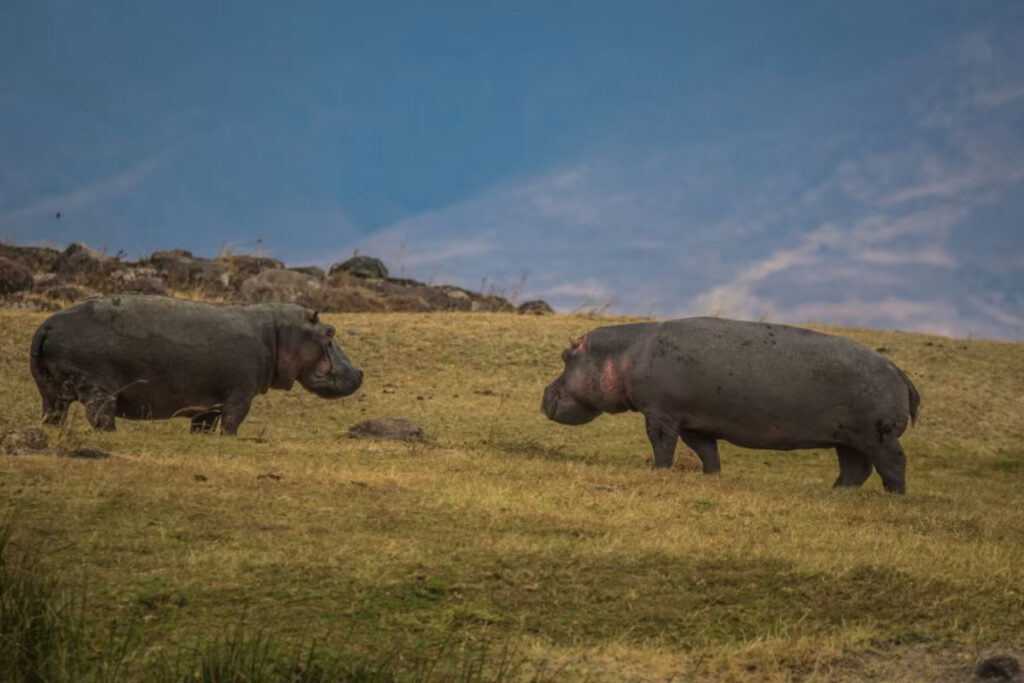
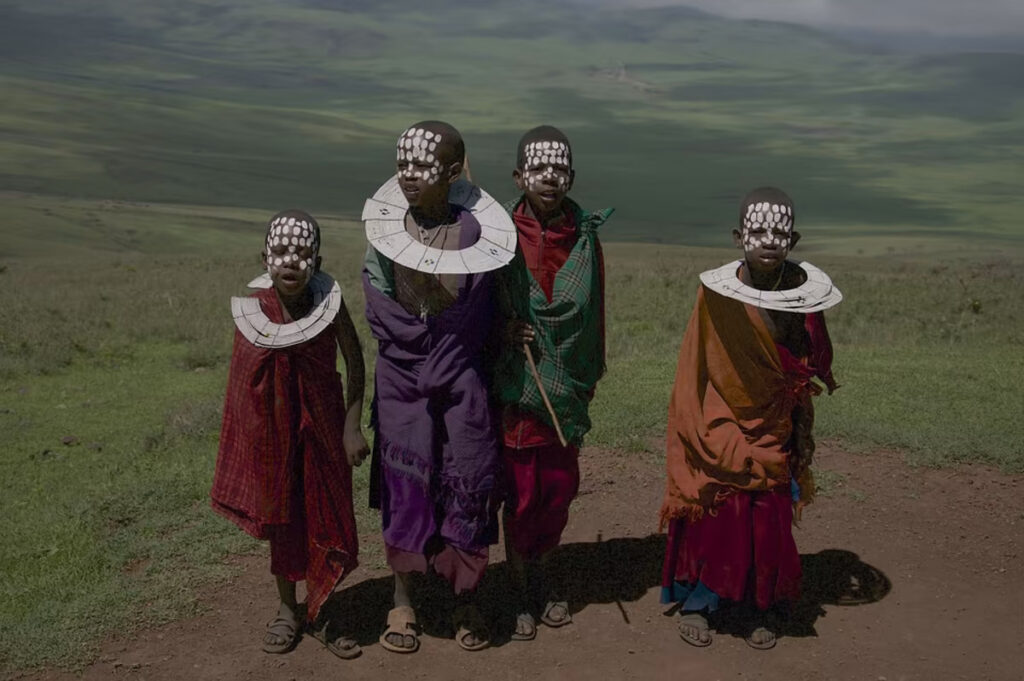
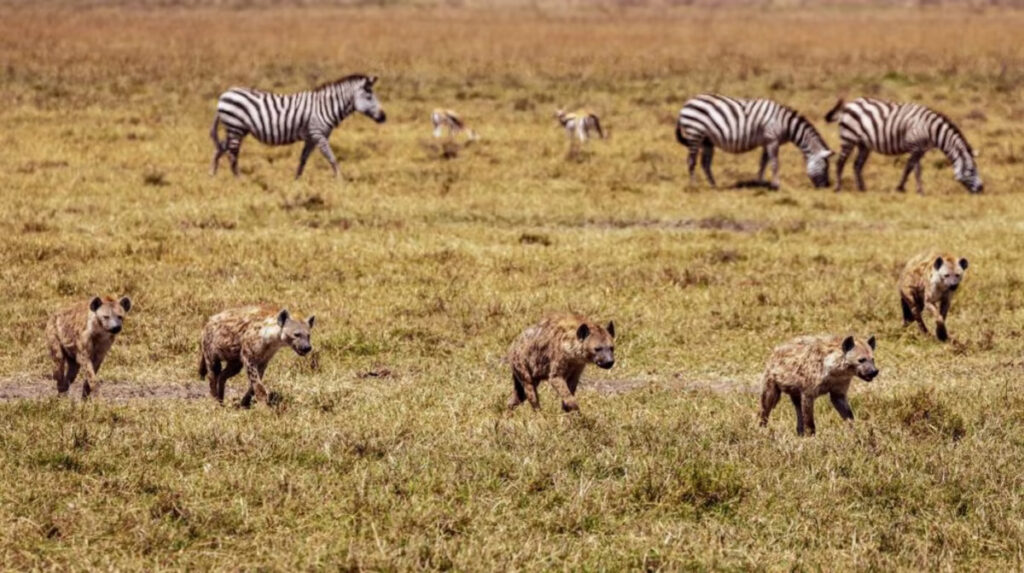
Dirt road through the centre of the Ngorongoro Crater, visitors are only allowed to explore the Crater in a safari vehicle. Photo -RFPHippos are a staple of the marshland ecosystem in Ngorongoro Crater. Photo -RFPHippos are a staple of the marshland ecosystem in Ngorongoro Crater. Photo -RFPMaasai children wearing traditional attire – the girls’ large, flat, beaded collars identify their clan and social status. Photo -RFPZebras, hyenas and gazelles in the grasslands of Ngorongoro Crater. Photo -RFP
Here are 10 great facts about Tanzania’s Ngorongoro Crater
1. The largest unbroken caldera in the world
2. The crater has several different ecosystems
3. The Ngorongoro Crater boasts 300 animal species
4. The crater has the Big Five, but no giraffes
5. It has the world’s highest density of lions anywhere in the world
6. The lions at the crater are the world’s best-studied population
7. Over 550 species of birds can be seen here (Egyptian vulture, Black kite, Martial eagle, Kenya rufous sparrow and a Adbim’s stork are some of the many birds that exist there)
8. Three discrete tribes have historic roots here (Maasai – 97% of the resident population, Datooga – 2% of the resident population and the Hadza – 1% of the resident population are the tribes that have historic roots to the crater)
9. It’s a natural and cultural World Heritage Site
10. More than a quarter of all tourists to Tanzania visit the crater
It is no longer news that Denver International Airport sometime in April announced the formation of The Africa Air Service Committee to structure out a plan that will see it landing direct flights to Africa.
Phil Washington, the CEO of Denver International Airport is leading the process to establishing direct flights to Africa. Photo-thedenverchannel.
DIA officials believe the continent could be primed for new passenger and cargo connections. This move in some quarters shows how much of an interest the world and America especially has taken in Africa.
The formation of the Africa Air Service Committee stems from the airport’s plan to reach 100 million annual passengers by expanding its global reach and without a shadow of doubt, the African continent offers the opportunities to hit that mark due to its ever growing economy and the steady rise of immigrants from the continent all over the city of Denver and the State of Colorado in general.
The committee which held its first meeting on the 23rd of February, 2022 and which is also scheduled to meet every quarter say they are highly optimistic of their prospects in coming up with a plan that will see this idea become a reality.
DIA CEO Phil Washington said in a news release, “As African economies grow and mature; we want Denver to be positioned as a favoured point of access for the flow of passengers and cargo, securing new long-haul routes can take many years, and the members of the Africa Air Service Committee will be invaluable in helping us to achieve this goal.”
As of now, the Denver international airport only offers international passenger service to multiple places in Europe, Mexico, Canada, Central America and the Caribbean, and for its sole Asian destination, Tokyo.
Federal figures obtained from statista.com show that Colorado sent about $51 million in exports to Sub-Saharan Africa in 2018 and in Denver, about 9% of the city’s immigrant population is from the continent of more than 50 countries.
Flying to African cities from Denver for a lot of people typically requires time-consuming connections in eastern U.S. cities, Europe or both and this move will definitely be pleasing news to the African community in Denver.
According to Wikipedia.org, the Denver International Airport is the largest airport in North America by land area and the second largest in the world, behind King Fahd International Airport, Saudi Arabia.
Opened in 1995, the DIA currently has non-stop service to 215 destinations amongst 23 different airlines throughout North America, Latin America, Europe, and Asia; it was the fourth airport in the U.S. to exceed 200 destinations. The airport is a hub for both United Airlines and Frontier Airlines and is one of the largest operating bases for Southwest Airlines. With over 35,000 employees, the airport is the largest employer of labour in Colorado.
Papa Dia, an immigrant from Senegal based in Denver and the founder of the African Leadership Group is one of the members of the Africa air service committee. Photo -linkedin.
In 2021, DIA was the third busiest airport in the world as well as the third busiest airport in the United States by passenger traffic; the DIA has been among the top 20 busiest airports in the world every year since 2000.
Going by the status of the DIA, one may be tempted to say that the move to establish direct flights with Africa may perhaps be a little bit too late, but then the State of Colorado has a whole doesn’t boast of the same kind of African immigrant population compared to states like California, Illinois, New York or Texas.
The new committee’s first task will be to “identify the airlines and markets that provide the best opportunities for flights to Denver and it may most likely give some concessions to any airline that’s interested in plying the Denver-Africa route.
The newly formed committee features 16 community members and local leaders that includes two Denver city council members and several Black business owners.
Papa Dia, an immigrant from Senegal and the founder of the Denver-based non-profit African Leadership Group, speaking to the news service of Colorado public radio, said he joined the group to give fellow African immigrants a voice in air travel as traveling to and from Africa has been a herculean task for Coloradans.
“You usually take three to four flights,” Dia said. “In some cases you have to go through Europe. [It can take] days to get to your final destination, and it costs more.”
Members of the African Community Center of Denver. The African immigrant population in Denver continues to grow rapidly. Photo-linkedin
Also, members of the African Students United (a group comprising of African students studying at the University of Denver) have welcomed the initiative as it will undoubtedly ease the burden of traveling to Africa for a large majority of its members.
Right now, the Denver International Airport, the Denver City council and the State of Colorado are definitely striking the right chords with the African population in Denver.
Below are the listed members of the Africa Air Service Committee:
Geta Asfaw, Asfaw Family Foundation International
Albus Brooks, Milender White
Denise Burgess, Burgess Services
Matthew Burkett, The Flyfisher Group
Papa Dia, African Leadership Group
Andrew Feinstein, EXDO Group Companies
Lee Gash-Maxey, Colorado Black Chamber of Commerce
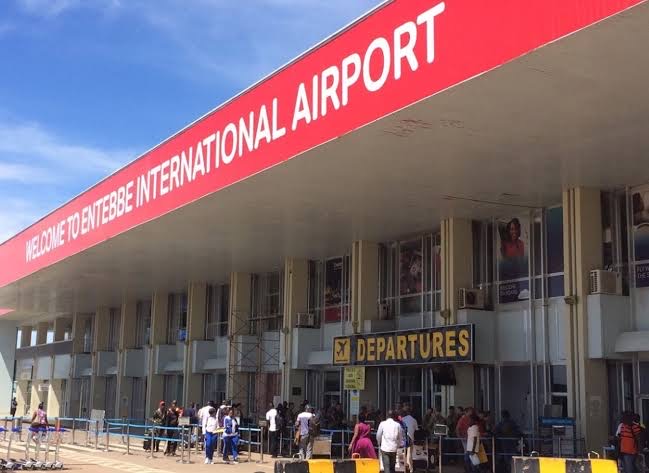
Top Ugandan officials are in a difficult position after lenders in China rejected their request to re-negotiate clauses in the U.S.$200 million loan signed six years ago to expand Entebbe International Airport.
Uganda : Entebbe International Airport
Some of the unfavourable provisions in the loan agreement that Uganda signed with the Export-Import Bank of China on March 31, 2015, will – if not amended – expose Uganda’s sovereign assets to attachments and take-over upon arbitration awards in Beijing. Approximately 13 clauses were deemed “unfriendly,” including
the clause that gave Exim Bank the sole authority to approve the withdrawal of funds from the Uganda Civil Aviation Authority accounts.
Planning Minister Amos Lugoloobi admitted that the loan was poorly negotiated and signed but that the ministry has put in place stringent measures, including setting up an entire department to ensure loans are closely monitored so that the country does not slip into debt distress.
Attorney General Kiwanuka Kiryowa, playing down the fears of the airport takeover, says there is no cause for alarm because no property of Uganda has been mortgaged. He added that the loan was a commercial contract with an obligation to both parties.
Source: All Africa
Newsletter Signup
Subscribe to our weekly newsletter below and never miss the latest news and updates.