Category: Food

  • FIVE AFRICAN RESTAURANTS TO VISIT IN COLORADO

    FIVE AFRICAN RESTAURANTS TO VISIT IN COLORADO

    Two years ago, Colorado made headlines as the fastest-growing state for Black immigrants, with 400 percent growth from 2000 to 2019, according to a Pew Research Center report. Nationwide, the Caribbean still accounts for the largest share of immigrants, but there has been growing diversity from African countries, with a 348 percent increase from Kenya, 300 percent increase from Ethiopia, 205 percent increase from Somalia, and 200 percent increase from both Nigeria and Ghana.

    Over the same time period, there’s been a steady increase in interest in African food and restaurants. With 1.4 billion people, Africa is home to many different cuisines, each with its own history, ingredients and techniques. For most Americans, however, exposure to fare from the second-largest continent in the world is still limited.

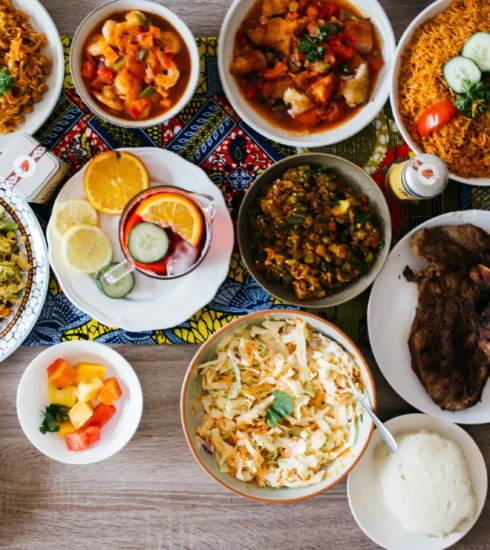
    Whether you’re a food enthusiast looking for new tastes or someone reminiscing about their homeland, these restaurants have something special to offer. From the bold spices of Nigerian food, Ghana food, and Kenya food to South African food, you have your hands on what they offer.

    Tolu Omotunde of Afrik Digest Magazine has put together five African restaurants to visit in Colorado.


    Queen of Sheba RESTAURANT, Denver:

    Began as a small family-owned restaurant in March 1991 in Dallas, Texas and over the years spread to other States in the country. Located in the East Colfax area of Denver metropolis, this restaurant is your go to spot for all authentic Ethiopian cuisines alongside Italian-inspired dishes and a full selection of vegan and vegetarian entrees. Whether you’re craving injera with Doro Wott, plant-based stews, or one of their signature pasta creations, you can trust them to deliver. They offer an open kitchen where all the aromas are available for the public to enjoy.


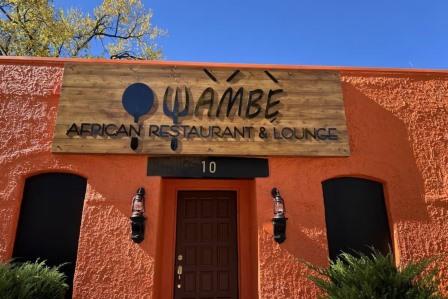
    Owambe African Restaurant & Lounge, Colorado Springs:

    This is the first Nigerian and African restaurant in Colorado Springs. They prepare a variety of African dishes like Ponded Yam, Fufu, Ogbono Soup, Pepper soup, Egusi, Jollof & Fried rice and many more. The restaurant’s decor and atmosphere are also frequently mentioned as highlights.They serve authentic African cuisine and are patronised by customers from across Africa and beyond. They offer delivery services as well as take-aways and dine in options. Their dishes bring the perfect blend of sweet, savoury, and spice that leaves you craving for more.


    African Grill and Bar, Lakewood:

    This is the first all African kitchen with two cozy dining areas and 200 dining capacity, dependable catering services for all events, room to rent for all parties, delivery service, and one of 8 restaurants selected to offer catering services at the Denver and Chatfield Botanic Garden in Colorado. They serve cuisines from West Africa, East Africa, North Africa, South Africa, and Central Africa and you can be assured of top-notch satisfaction.


    Akwaba Restaurant, Aurora:


    Experience the rich flavors of West African food with a touch of Afro-Caribbean fusion at Akwaba Restaurant. Those who step inside Aurora’s Akwaba Restaurant are greeted with the smell of sizzling red snapper, tilapia, and skewered chicken kebabs. Fried appetizers like nêm and bofrot grace the menu as delicious West African takes on spring rolls and fritters, respectively, while sauce kplala, peanut butter stew, eggplant stew, semi-sweet yogurt speckled with millet grain are among their popular and a hearty Ivorian gumbo is a standout entrée. Akwaba has many crave-worthy dishes to choose from.


    Taste of Soweto, Denver:

    The owners of the South African food truck aim to deliver the real-deal meals of their formerly segregated hometown.Taste of Soweto offers more than culinary thrills; it offers a taste of history. During the apartheid era in South Africa, Soweto was established as a Black neighborhood outside of Johannesburg to house blacks to keep them away from white communities. Although it’s not the first South African food business in Denver, it is the first Black-owned one. Their top draws include the peri-peri chicken wings tossed in their signature paprika-laced sauce. Or the kota, an Indian-heritage dish, often called “bunny chow,” of beef or chicken curry stuffed into a hollowed-out quarter loaf of white bread.

  • A peek at 20 of the Best African Foods From Across the Continent

    A peek at 20 of the Best African Foods From Across the Continent

    Trying to figure out Africa’s best dish is an impossible task. The Continent is so diverse and rich in various cuisines that can cater for almost every palate. Tolulope Omotunde of Afrik Digest Magazine has put together a list of the 520 must-try foods when traveling in Africa or to try and replicate at home. If you’re lucky, there’s a restaurant serving one of these dishes in your location. Many of Africa’s favorite foods have recently been popping up on various menus worldwide.

    One thing is for certain, African food is just as diverse as its people. From the West to the East to the North and South, some foods are so delectable that they’re worth breaking a leg for.


    1. Chapati (Country: Kenya, Tanzania, Uganda)

    While this delicious staple originates in India, the unleavened flat bread is one of the most popular staples in East African cuisine, it can be enjoyed any time of day, and is often eaten with lentils, beef stew and other sauces. It’s a versatile dish and can be had for breakfast, afternoon snack or the main entree for dinner.


    1. Beyenatu (Country: Ethiopia)

    Ethiopian restaurants can be found all over the African continent and, in fact, the world. It’s a varied cuisine, popular for the wide variety of spices and, of course, injera, the delightfully spongy sourdough bread which diners use to scoop up aromatic stews and sauces. Beyenatu is a tasty vegetarian dish consisting of lentils, beats, spiced greens and a combination of other tasty vegetables, and is served with injera, of course.


    1. Palm Butter (Country: Liberia, Gabon)

    Palm butter is a thick sauce made by boiling and grinding palm nuts. The silky buttery richness of this dish as it’s ladled over rice is where it gets its name. It can be used to cook a wide variety of proteins from crawfish to goat. Many have their preferred version, but Liberians like it with plenty of pepper. In Liberia, it’s usually served for lunch.


    1. Pondu (Saka-Saka) (Country: DRC)

    Pondu is a classic Congolese stew made of cassava leaves, onions, chili, and palm oil. Eat it with white rice for a filling, delectable meal. It’s so famous and good that even people in neighbouring countries like Rwanda also cook it. As far as the Congolese are concerned, they do not get enough credit for their dishes.

    1. Pweza wa nazi (Country:Tanzania)

    Swahili is one of the great world cuisines with influences that span the Indian Ocean basin and the African continent. It’s a reflection of the east coast, and Tanzania in particular has a history as a crossroads for trade and empire. There’s nothing quite so quintessentially Tanzanian as “pweza wa nazi” or octopus curry. This Tanzanian delicacy consists of octopus braised in lime, spices and coconut milk until it’s tender. It’s a true seafood lover’s dream.


    1. Caranguejo de Coco (Coconut Crab Curry) (Country: Mozambique)

    In general, dishes from Mozambique are fairly low maintenance and easy to prepare, and Caranguejo de Coco is no exception. At its simplest, and most traditional, the recipe calls for cooking/steaming the crabs in a broth of rich coconut milk seasoned with garlic, onions, and tomatoes and garnished with lavish amounts of chopped cilantro. Crack open the crabs to get at the fluffy white meat while the fragrant sauce mixes with the rice.

    1. Bunny Chow (Country: South Africa)

    This is a beloved dish created out of necessity. An Indian-South African invention designed to take away. Instead of on a plate with more traditional starches like rice, the curry is ladled into a loaf of bread which acts as a takeaway container and accompaniment to the main event. Originally vegetarian and from the seaside city of Durban, it’s now often made with meat, satisfying the tastes of South Africans from all backgrounds.

    8. Fufu & Palm Nut Soup (Country: Ghana)

    “Fufu” is a West African staple that encompasses most starches eaten by hand with a sauce or stew. Cassava fufu is probably the best known. Palm nut soup, like its Liberian cousin palm butter, is a Ghanaian classic made from the oil-rich palm fruit, cooked with chilis, tomatoes, garlic and other flavorful ingredients.


    9. Plasas (Country: Gambia, Sierra Leone)

    Plasa means stew or soup and refers to a dish with a lot of rice on which some seafood and/or meat, vegetables and sauce are added. It is perhaps the most typical Sierra Leonean dish. Another very common variety of plasa is made with cassava leaves instead of sweet potato leaves. Visitors to Freetown will never forget the smell of plasas, a hearty stew made with leafy greens, meat, peppers, peanut sauce and often dried fish. Sierra Leoneans swear this dish cures everything from a broken heart to a hangover.


    10. Yassa Guinar (Yassa Poulet) (Country: Senegal)

    You can never go wrong with a well marinated and seasoned chicken that is accompanied by mouth-watering onion sauce that will leave you dreaming for days. This dish can be made in a way that suits the cook and the people that he/she is serving. Add a side of plantains, olives, peas & carrots, substitute the chicken for fish, or just go all out vegetarian; that is the beauty of yassa.


    11. Seswaa (Country: Botswana)

    Made with pounded beef and goat, this dish is a staple in Botswana and is often served during ceremonies and special events. The meat is boiled until tender in a pot, with just enough salt and pounded. It is often served with pap (maize meal), setampa (samp, ground corn) or mabele (sorghum). Locals say the best way to prepare this dish is to cook on a three-legged pot over an open fire. This is the Batswana version of a slow cooker


    12. Egusi (Country: Nigeria, Ghana)

    Classic West African soup made with pounded melon seeds and is a staple in homes and bukas, or street food stalls, across Nigeria and in many parts of West Africa. The soup takes its name from egusi, or agushi―the seeds that both thicken and flavor it. Egusi soup typically features meat (such as beef, smoked poultry, goat, cow skin, or offal) and seafood (smoked dried fish or stockfish), as well as awara (Nigerian tofu), mushrooms, and greens. You can’t go wrong with egusi and a side of rice or fufu. It’s savory and pairs well with rice, eba or pounded yam.


    13. Jollof Rice (Country: Senegal, Nigeria, Ghana, Liberia, Togo, Benin, Mali, Cameroon, Sierra Leone, Gambia)

    This one’s a no-brainer. It’s West Africa’s most cherished dish, perfect for large celebrations or at home. No surprise, describing which country with the best jollof is no small thing. The biggest rivalry is between Nigerians and Ghanaians, though the Senegalese are said to have the best jollof rice in the whole of West Africa.


     14. Ndole & Plantains (Country: Cameroon)

    Ndole is Cameroon’s most popular dish, prepared using spinach, bitter leaf and stewed nuts. It is always present at parties, and when cooked properly flies off the table. If you can’t get to Cameroon to try it, some of the best versions of the dish can be found in Cameroonian restaurants in Paris, London and New York.


    15. Tajine (Country: Morocco, Algeria, Tunisia)

    This slow cooked stew or casserole of meats and vegetables is named after the ornate pot that it’s cooked in. The ultimate one-dish comfort food. For its taste, infinite combinations, simplicity and symbolism, tajine reminds one of a gathering of family and friends. Waiting for the tajine to be brought and enjoying beforehand the smell of the cooking smoke teases you in the meantime! Tajine is traditionally cooked over hot charcoal leaving an adequate space between the coals and the tagine pot to avoid having the temperature rise too quickly.


    16. Rolex (Country: Uganda)

    This popular Ugandan breakfast food combines eggs and vegetables wrapped in chapati. It’s Uganda’s very own breakfast sandwich. It is rolled around fried eggs to which spices and vegetables have been added. It’s usually cooked in a frying pan on a charcoal stove. It’s prepared on order and served very hot, usually in a paper wrapper, plastic bag, or plate. Rolex was even ranked as the best African food by CNN in 2019.


    17. Cachupa (Country: Cape Verde)

    Cachupa is a slow-cooked stew consisting of peas, sweet potato, beans, corn, carrots and fish or meat. Every mouthful offers warm, nourishing goodness and is Cape Verde’s most traditional dish.


    18. Thieboudienne (Country: Senegal, Mauritania)

    Thieboudienne (or thieb or benechin or benachin) is a traditional dish from Senegal and an intangible cultural heritage of humanity that is also consumed in Mauritania, Guinea-Bissau, Guinea, Mali, The Gambia, and other West and Central African countries. It is also the national dish in Senegal. The version of tiep called thieboudienne, Ceebu Jën or chebu jen (Wolof: ceebu jën; French: thiéboudiène) is prepared with fish, broken rice and tomato sauce cooked in one pot. There are also tiep yappa (with meat) and tiep ganaar (with chicken). Additional ingredients often include onions, tomatoes, carrots, cabbage, cassava, hot pepper, lime and peanut oil, and stock cubes.


    19. Ukwa (Country: Nigeria)

    Ukwa, eaten mostly in Eastern Nigeria, is a flavorful porridge made of breadfruit. It can be eaten fresh or prepared as a porridge. Ukwa is commonly cooked with potash, bitter leaf, dry fish, pepper, and spices. It is considered a good source of vitamins and minerals, especially protein.


    20. Malawah (Country: Somalia)

    A round, sweet pastry like a thin pancake, malawah can be eaten with sugar and honey or with a savory stew. And it’s great with Somali spiced milk tea. Malawah is a plate-sized sweet pancake that is eaten for breakfast or as a snack anytime during the day. It is similar to a sweet crepe and is flavoured with cardamom.

  • HILDA BACI: Nigerian Chef On the Verge of World Breaking Record

    HILDA BACI: Nigerian Chef On the Verge of World Breaking Record

    Nigerian cooking sensation Hilda Effiong Bassey has become a national icon after cooking nonstop for 100 hours, in an attempt to set a world record.

    The chef, known on social media as Hilda Baci, started cooking on Thursday 11th May 2023 and continued until the 14th of May– creating over 55 recipes and more than 100 meals designed to showcase the best of Nigerian cuisine in the marathon kitchen session.

    The Guinness world record committee still has to confirm that all their criteria have been met and whether Bassey will become the record holder.

    Hilda Effiong- Bassey popularly known as Hilda Baci will be soon be officialy pronounced as the world record holder for cooking. Photo: Pulse.ng

    The record to beat – 87 hours and 45 minutes – was set in 2019 by Indian chef Lata Tondon who posted a message of support to Bassey during her attempt.

    Bassey revealed to the press that she was motivated to attempt the record because she wants to put Nigerian food on the global stage.

    “Nigerian cuisine is the best out there,” she said. “The more recipes are propagated, the more people will be willing to try it. Nigerian food is such comfort food,” she added.

    Despite the lack of sleep throughout her cooking spree in Lagos, Bassey remained in high spirits and could be spotted dancing and waving at her fans who turned out in droves to support her.

    One lady, Mercy Egwu, told the media she took a bus journey through the night, traveling hundreds of kilometers to arrive at the venue in Lagos to show her support for Hilda.

    The Governor of Lagos State, Babajide Sanwo-Olu also visited the venue of Hilda’s world breaking attempt to show his support and throw the backing of the state government at Hilda. The governor who also had a sample of some of the cuisines Hilda prepared expressed his delight at Hild’as resilience, inventiveness and can-do spirit, saying her efforts showcased to the world what makes Nigeria and Nigerians tick.

    Indian chef Lata Tondon is the current world record holder. Photo: Wikipedia

    Hilda also revealed that she did not know she could sit while cooking to break the Guinness world record. The Akwa Ibom State born damsel said she stood for 100 hours cooking because she saw that the contestant who had won the challenge didn’t sit while cooking.

    “I didn’t know I could sit while cooking. I only found out after I completed the challenge that I could.

    “One of the reasons I was intentional about filming the whole process was because when I decided to attempt the challenge, I went online and could only see three videos.

    “One of the reasons why I didn’t know I could sit despite the fact that Guinness didn’t ask me to stand is that when I checked the videos of the previous chef, she was standing.

    “Only after the attempt did I find a clip of her sitting. Maybe before now, no one thought was possible to stand for 100 hours cooking but because somebody has done it, it means it’s possible and doable.”

    Hilda Effiong Bassey was born on the 20th of September, 1996 in Nsit Ubium Local Government Area of Akwa Ibom State, Nigeria. She graduated with a degree in sociology from Madonna University, Okija and won the “Jollof Faceoff’ competition” In August 2021.

    A snapshot of Hilda during her attempt to break and set a new world record for the longest hours for cooking. Photo: Tribune.Com

    Her Alma Matter, Madonna University recently announced that they would be awarding her a scholarship until PhD level.

    In a statement titled: “Celebrating excellence and congratulating our proud Alumna, Hilda Bassey Effiong” by Associate Professor Martin Anagboso (DVC Admin), the school congratulated the new record breaker for the award of scholarship to PhD level.

    In addition to the scholarship awarded to her, other brands like Dana Air, Zaron Cosmetics, Victoria Crest Homes and many others have showered her with gifts and various sponsorship and modelling opportunities.