Category: Interview

  • “There are challenges, but being a woman, I can’t stop.” – Afrik Digest’s Exec. Editor

    “There are challenges, but being a woman, I can’t stop.” – Afrik Digest’s Exec. Editor

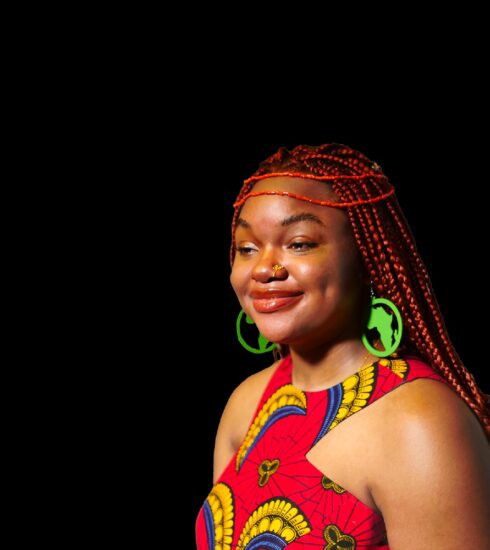
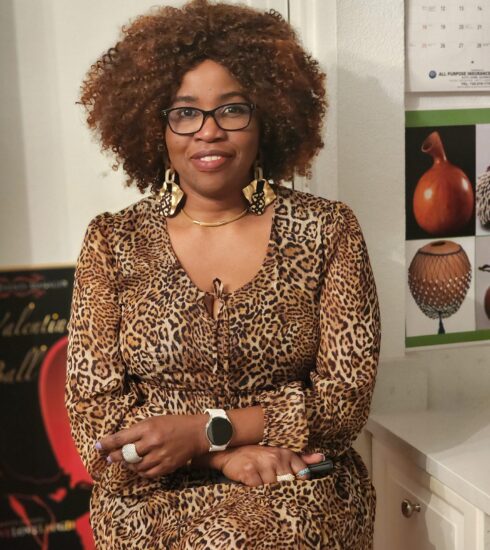
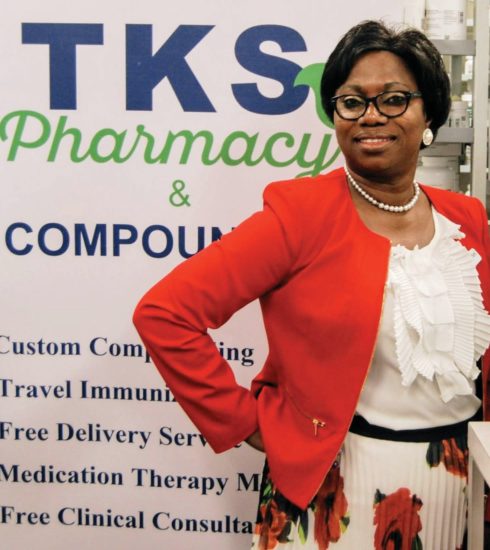
    Vera Azuka Osuokwu-Idam is the publisher of Afrik Digest Magazine, headquartered in Colorado, USA.

    Vera Azuka Osuokwu-Idam is an esteemed professional and community advocate whose extensive work across various domains has significantly impacted numerous lives. Her unwavering commitment to her community, professional distinction, and advocacy for unity and empowerment all together are inspirations for many within and beyond the African diaspora.

    As the publisher of Afrik Digest International Magazine, Vera has created a pivotal platform that unites the African diaspora by disseminating news, lifestyle stories, and community profiles, all from its Colorado base.

    As someone who came to the United States as an immigrant, she understands the struggles that the average immigrant goes through. She has ensured her talents and outlet have been used to ensure immigrants have a voice that can advocate for them.

    Vera’s entrepreneurial skills are evident in her roles as CEO of Confetti Events Manager and AfrikTide Publishing, where she oversees event organization and book publishing, catering to various needs.

    With a rich editorial background in Nigeria, where she served as a book editor for one of the country’s foremost publishers, Vera has honed her literary craft, which she continues to apply in her diverse roles.

    Vera’s extensive community service includes membership in the Colorado State’s Community Advisory Committee on New Americans and the Colorado Statewide Community of Practice, earning her widespread recognition and numerous accolades for her contributions.

    Her dedication has been acknowledged by the African Leadership Group, and African Chambers of Commerce Colorado among others, with her ALG award speech underscoring her belief in the transformative power of passion, happiness, and health in achieving success. 

    She sat with me, Tolulope Omotunde, a staff with Afrik Digest, for an in-house interview where she talked about a whole range of issues about Afrik Digest and the black community in Colorado and beyond.

    Please read the interview below.
    ***

    Tolu (AfrikDigest): Finally I get to sit with you to tell the whole world about AfrikDigest. So, what exactly is AfrikDigest all about?

    Vera Idam (Publisher): Afrik Digest is a cherished African lifestyle magazine dedicated to recounting narratives from African immigrants and people of African descent in America. Headquartered in Colorado, USA, our publication covers diverse topics, including culture, lifestyle, civic matters, business, education, and entertainment. Our inception was driven by a compelling need to serve the community, providing a platform for voices often marginalized. We illuminate community initiatives, share immigrant experiences, and spotlight local events.
    At Afrik Digest, we actively engage with our community members and listen to their perspectives on civic matters, healthcare, education, and economic challenges. Our commitment extends to forging partnerships across culturally diverse groups. Through our print and online platforms, as well as our social media channels, we disseminate verified information, emphasizing truth and transparency.

    Our coverage strategy is meticulously tailored to address the specific needs of African immigrants and people of African ancestry. Distribution decisions are guided by necessity and financial feasibility, reaching people where they reside. The Metro area of Colorado, particularly Aurora and Denver, along with Boulder and Colorado Springs, remains our primary coverage zone, reflecting the heart of our community.

    Tolu (AfrikDigest): So what exactly is the mission of Afrik Digest?

    Vera Idam (Publisher): We have many goals, but our mission, as a Colorado-based publication, has been compressed to this: to address critical coverage gaps within Colorado’s larger community. As a community newsroom, we recognize that mainstream media often overlooks the unique experiences and perspectives of African immigrants. We want to bridge this gap. We also aim to become a trusted platform for people of African descent everywhere. By doing so, we foster a sense of belonging and empower our community with relevant information. We have also identified two significant coverage gaps: representation and language barriers, which we see as presentation. At Afrik Digest, we say representation is everything. So, we step in to fill the representation gap temporarily. Also, mainstream media fails to capture the cultural nuances and complexities of the Black immigrant experience in Colorado. Many Black immigrants who do not speak or read English fluently, are limited in information access. What we do then is to try and present our coverages in culturally familiar and sensitive ways.

    Our contents are tailored for black immigrants/diaspora Africans. We tell inspiring stories from personal narratives, interviews, documentaries, and podcasts, and build individual and corporate profiles that highlight their triumphs and struggles. We also explore critical issues relevant to our black immigrants, such as how to access resources, address racial discrimination, and initiate programs to preserve culture.

    Tolu (AfrikDigest): How have you been funding your operations so far?

    Vera Idam(Publisher): It has taken a lot of resilience, doggedness, determination, and sheer passion to keep the flag flying. Afrik Digest has been privately owned, operated, and funded since inception solely by myself. Despite our marvelous relentless service to the community, we continue to struggle with the challenges of funding. It is an ethnic media outlet, and things are even tougher being far removed from the mainstream. As a newsroom committed to making a positive impact within our community, we are fueled by passion. However, without adequate financial support, our efforts remain limited. We have been relentless in advocating for equity and inclusion, yet our mission cannot be fulfilled without the essential resources.  Our funding challenges mean Afrik Digest operates with smaller teams due to budget limitations. This means we have fewer journalists available to cover stories, leading to narrow coverage. For example, as much as we place a high premium on quality reporting, limited funds impact our newsroom’s quality of reporting to a great extent, such as investigative journalism, which requires time and resources, suffers.

    Tolu (AfrikDigest): You have talked about the funding challenges, which is key.  Are there other challenges or unique experiences you have had to deal with?

    Vera Idam (Publisher): Certainly! The challenges and experiences have been varied. The funding challenge is no doubt a huge factor in our operations. We have a challenge with human resources. We deal with high staff turnover rates due to finance. This problem can result in a loss of institutional knowledge. New journalists may not fully understand the local context. While this is a critical challenge for the ecosystem, it’s not specific to us.

    There’s also the technological challenge as well. Transitioning to digital platforms requires investment in technology and training, which smaller outlets like ours may lack. Also analyzing data for investigative reporting demands specialized tools and skills which are tight for us. As expected, limited resources force a lot of newsrooms like ours to prioritize certain stories over others.

    Lastly, Afrik Digest grapples with unique experiences that make our struggle very real. Media funders don’t reckon so much with us and this can be dispiriting. I believe it’s because they don’t connect closely with the struggles of our community. They don’t feel our heat. However, I must say that we can’t entirely blame them. Everyone knows that immigrants are resourceful and resilient, but taken too far, it becomes a negative. You won’t find many of our community members at the table of decisions. We have very few genuine, persistent advocates of our community out there. As a result, great opportunities are held past us all the time, and it can be frustrating for community enthusiasts like us. Let me say this here, together we must leverage our numbers and voices. If we don’t rally for ourselves, we don’t expect anyone else to do it for us.

    Tolu (AfrikDigest): Do you ever think of stopping?

    Vera Idam(Publisher): No, I can’t stop. I am a woman and we don’t give up. Women carry dreams to term and I intend to carry this project to term, if that makes sense. Despite the headwinds, Afrik Digest will continue to be effective within the local news ecosystem. We keep finding ways to thrive through community partnerships and collaboration to fulfill our mission of bridging coverage gaps, by amplifying African voices and promoting community engagement.

    Through our media outlet, I took the lead in establishing the Colorado Ethnic Media Exchange (CEME), a coalition of local minority newsrooms united to advocate for their diverse communities across Colorado. CEME members collaborate to address shared challenges encountered by ethnic media organizations and foster understanding among different communities. Additionally, Afrik Digest is a member of the Colorado Press Association (CPA) and frequently engages with media partners such as the Colorado Media Project (CMP) and CoLab in community events and programs.

    We amplify voices that often go unheard, shining a spotlight on African and Black immigrant experiences, and we have been consistent in capturing the essence of our community. We have also effectively operated and planned improvements through collaboration and content sharing. We have and are still collaborating with other local news outlets, sharing content, and co-publishing investigative pieces. This expands reach and ensures important stories reach a wider audience, while also ensuring that our community engagement remains solid. We have participated in local events, town halls, and community meetings while building relationships with community members to have solid sources for valuable story leads and foster trust.

    Another thing that sets Afrik Digest apart is our commitment to serving the underserved. We amplify the voices of the voiceless and strive to level the playing field. From my personal experience, new Americans are often excluded from decision-making tables due to a lack of confidence in advocating for themselves. The immigrant community tends to be reluctant to present themselves as needy, yet they contribute significantly to the growth of the United States economy through their taxes. Worldwide, news media wields social influence and has the power to transform society. When a segment of society is left out of the media net, they are left behind. Our community has experienced this exclusion, which underscores the undeniable need for an ethnic media outfit like Afrik Digest.

    Tolu (AfrikDigest): Alright. So where exactly is the coverage area for Afrik Digest?

    Vera Idam(Publisher):  Our geographic scope extends to people of African heritage residing in the Denver metropolitan areas, including Boulder, Colorado Springs, and Greeley. According to the 2020 Census, over 45,000 African immigrants live in Colorado. To reach them effectively, we’ve established additional channels such as community associations, churches, and community engagements. Recognizing that not everyone in our community speaks and understands English, having a media owner who belongs to that community ensures everyone feels included and relevant in our media output.

    Tolu (AfrikDigest): Thank you so much for taking the time to talk to me

    Vera Idam(Publisher/CEO):  It’s my pleasure

  • Colorado State Senate District 28 Candidate, Idris Keith, Speaks on His Candidacy

    Colorado State Senate District 28 Candidate, Idris Keith, Speaks on His Candidacy

    “To be clear, my campaign, like any other, strictly adhered to all campaign finance laws.  The media failed to clearly state this fact.”

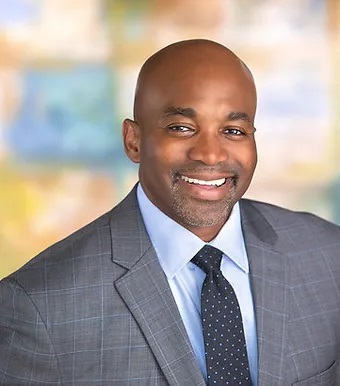
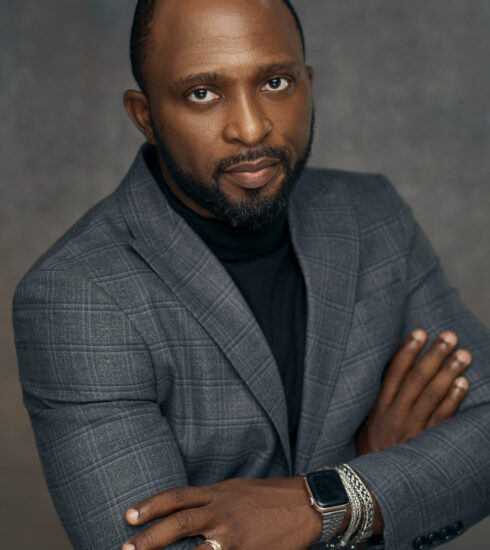
    Idris Keith is a resident of Aurora Colorado. He ran as a candidate for Senate District 28 in June 2024. A dependable civic and community organizer, he works as a business attorney. His wife and two children have continued tremendously supporting his work in the community.

    Afrik Digest caught up with him to know how he is holding up months after the election.


    Afrik Digest:  You ran for the Colorado State Senate in District 28 and lost in the June 25, Democratic Primary.  It has been a couple of months since the Primary Election.  Have you moved on from the fallout?

    Idris Keith: I have moved on, but have been disturbed by ongoing articles mentioning the campaign. I read an article in a news outlet that mentioned that my then-opponent narrowly defeated me in the Primary.  The article said that I was the beneficiary of tremendous sums of “dark money” or independent expenditures.  The article further noted that I was contacted, but refused to comment on the story.  This was false as no one attempted to reach out to me for that story.  I contacted the media outlet for an opportunity to respond to that story and previous stories and the same was denied.


    Afrik Digest: Given the significant focus on independent expenditures during your campaign, how do you distinguish between legitimate campaign contributions and what you consider “dark money”?

    Idris Keith: Let me first explain why I ran.  I envisioned an Aurora and a Senate District 28 where local jobs were enough to enable parents to enjoy their families, where safe streets permitted kids to play freely, and where schools were staffed with dedicated, well-paid teachers.  That is the Aurora that I envisioned.  My experience in job creation and common-sense leadership were well-suited to deliver on this vision.

    Instead of litigating the campaign on the issues, I was bombarded with questions about independent expenditures and greeted with shock that I would dare run against the establishment. Independent expenditures are part of nearly every political campaign, yet my campaign faced intense public scrutiny.  Independent expenditures which are sometimes called “dark money” refers to political spending by organizations or individuals that do not directly go to political candidates but instead fund activities on the candidate’s behalf. According to Colorado, candidates and campaigns cannot interact with funders of dark money.


    Afrik Digest: You mentioned facing intense scrutiny from the media regarding independent expenditures.  Do you believe this scrutiny was fair and balanced, or do you feel that the media had a preconceived notion about your candidacy?

    Idris Keith: In early June, a fringe media outlet published a defamatory piece, and the former state party chair, knowing that the piece was rife with inaccuracies, nevertheless published the article on social media.  The article accused me of being a shill for the Republican Party, misrepresented the political offices for which I ran as well as my motives for running, and was insulting in tone; at one point comparing my run to “smoking blunts.”

    Afterward, the more established media began calling. Every reporter asked about independent expenditures. One reporter said that the opposition was good and asked why anyone would try to defeat him. One article was entitled, “(Opponent) Fighting Off Dark Money.” And yet another article was entitled, “Someone Really Wants This Aurora Lawmaker Defeated.”  To be clear, my campaign, like any other, strictly adhered to all campaign finance laws.  The media failed to clearly state this fact. Late in the campaign, an individual said he read about my having received $300,000. This, of course, was false, and the individual, like many other readers, was badly misinformed.

    When reporters called, I reiterated my plan for our seniors, improving schools, creating jobs, etc.  There was no interest in my platform and my thoughts were rarely reported.  Instead, reporters kept circulating misleading stories, irrespective of the facts.  Independent spending displayed a picture of me with my kids (i.e., throwing a football, playing in the park, etc.).

    Alternatively, the opposition’s independent spending misrepresented my positions on women’s health, attacked my supporters, and worse.  While canvassing, a constituent said that he would not vote for me and I asked why.  The constituent opposed my position on “repeat offenders.”  I asked, “[W]hat is my position[?]”.  The constituent responded that I would put repeat offenders in prison for life and represented that my opponent mailed him material to that effect.  I explained the dishonest nature of the piece and earned a vote.  Unfortunately, I could not rebut every lie uttered by the opposition.

    Clearly, my opponent benefited from “dark money” during the campaign and for nearly a decade prior and so did the former party chair, with whom he lives.  The media did not subject them to similar scrutiny and this was a disservice to the voters.  A free, fair, and impartial press is critical to the success of the Republic as are Freedom of Speech, Freedom of Religion, and Freedom of Assembly. For this reason, they are all included in the First Amendment to the US Constitution. Of note, the freedom must be responsibly exercised in good faith and with impartiality.


    Afrik Digest: How did the establishment’s support for your opponent influence the campaign dynamics?  Did you feel that their backing gave them an unfair advantage?

    Idris Keith: The Establishment supported my opponent which was not uncommon. Unfortunately, neither my opponent nor the establishment could provide a clear basis for my opponent’s run besides his being term-limited in the House of Representatives.  In nearly 10 years at the Capitol, the people of House District 36 could not articulate how his policies improved their lives.

    The Establishment erred when, late in the campaign, the Colorado Secretary of State (the person who certifies the votes) headlined a fundraiser for my opponent in a competitive primary where there was no incumbent.  Think about that, the person who certifies the vote helped one candidate raise funds against another candidate.


    Afrik Digest: Despite the challenges posed by independent expenditures and media scrutiny, what were your key strategies for reaching voters and communicating your message?

    Idris Keith: The people of House District 36 and Senate District 28 are disproportionately impacted by unemployment, understaffed and underpaid teachers, and rising prices at the grocery store and the gas station.  From the beginning, I advanced my theory of job creation, promoting home ownership, and creating generational wealth.  As noted, the press refused to report my plans for improving the lives of others but instead focused on independent expenditures. The message was conveyed by canvassing, phone banking, and direct mailers.


    Afrik Digest: You mentioned feeling unsupported by the Democratic Party.  How do you believe this lack of support impacted your campaign, and what steps can be taken to strengthen party unity in future elections?

    Idris Keith: The state and county Democratic Parties offered a great deal of support to the opposition.  And yet, with all the institutional support, the opposition only won by a few hundred votes.  Therefore, I do not believe the lack of support significantly impacted the outcome.  However, the inability to be afforded the same opportunities as the opposition and the unwillingness of the media to report the facts were critical. The state and county parties must begin respecting its membership. Through the years, I canvassed thousands of doors on behalf of Democratic candidates and yet there was little, to no, goodwill established as the Party refused to permit the race to be decided on the merits of each candidate.


    Afrik Digest: How did you address the spread of falsehoods and misinformation about your candidacy?  Were you able to effectively counter these claims?

    Idris Keith: As discussed earlier, I refuted false information that was brought to my attention, but I could not correct every lie uttered by the opposition.  And the media did little to staunch the flow of misinformation.


    Afrik Digest: Campaign Finance Laws – You emphasized that your campaign strictly adhered to all campaign finance laws.  How can voters be assured that candidates are complying with these laws and that the system is transparent?

    Idris Keith: I was the only candidate to accept voluntary spending limits because of my concern about money in politics. My opponent could have joined me in accepting voluntary spending limits, but he did not. Ultimately, each candidate is driven by his/her own set of values. I can only control my conduct. I cannot control the conduct of others.


    Afrik Digest: Future of the Democratic Party – In light of your experiences in this campaign, what do you see as the future of the Democratic Party in Colorado?  What reforms or changes are necessary to ensure success?

    Idris Keith: If the Party focuses on the dynastic ambitions of career politicians attempting to consolidate political power, the Party may face difficulties in the years ahead. If however, the Party focuses on the issues and improving the lives of others, the Party will be fine.  It was extremely difficult to communicate my message because of the significant amount of misinformation.  Again, this was a tremendous disservice to the voters.  And, ultimately, it is the people of Aurora who suffer most when politics is more about politicians and less about fixing a broken system.

    Moving forward, I invite all voters to demand fairer campaigns that focus on the issues and not on distractions. Our collective voices are important. Together, we can work toward an Aurora that represents and benefits us all.


  • – Afrik Digest Publisher’s Interview with His Royal Majesty Oba, Dr. Michael Adedotun Aremu Gbadebo, CFR, Okukenu IV, The Alake of Egbaland

    – Afrik Digest Publisher’s Interview with His Royal Majesty Oba, Dr. Michael Adedotun Aremu Gbadebo, CFR, Okukenu IV, The Alake of Egbaland

    This interview was first published in 2018 when the royal father visited Denver, Colorado. It has been re-published again for your consumption.

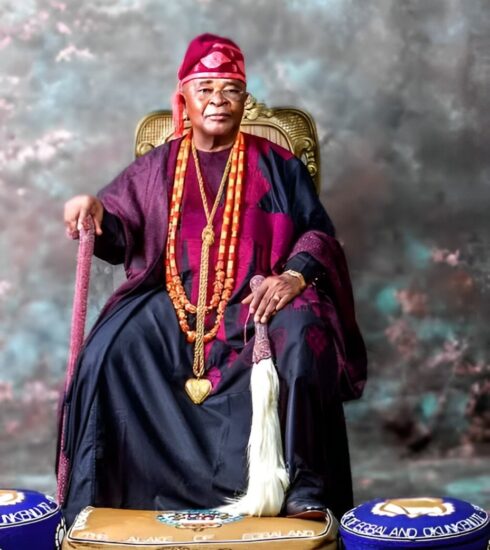
    Denver Colorado has never had it so grand as was witnessed recently. The city welcomed a throng of Egba royals from Nigeria, who arrived for the 7th biennial convention of the Egba National Association, Colorado chapter. The Colorado ENA played host to 15 chapters of the association, and laid out a spectacular three to four days of pomp and pageantry, beginning with the opening ceremony on August 30th. The stately occasion was declared open by the paramount ruler of the people, His Royal Majesty Oba, Dr. Michael Adedotun Aremu Gbadebo, CFR, Okukenu IV, The Alake of Egbaland.

    The convention was a crammed set of events that lived up to the hype. The event venue was colorful as the guests, including His Royal Majesty, donned similar patterned beautiful tie-and-dye attire, proudly produced in Egbaland.

    Hotels in the Mile-high city were fully booked, as guests came from within and outside of Colorado. The Alake, and his Olori came from Nigeria, with a retinue of Egba high chiefs.  The Ogun State Secretary to the Government, some top government officials, and trustee members of the Egba Heritage Foundation were also present in their glory. It was a great pleasure having all those dignitaries in Denver, a city known for its sky high mountains that bears a resemblance to the rocky terrain of Abeokuta, city of the Egbas.

    After the events, Vera Azuka Idam, the Publisher and Editor-in-Chief of Afrik Digest magazine, met up with the distinguished royal father himself, and he was gracious enough to express some thoughts, and answered some personal questions. Excerpts below.

    The Alake of Egbaland at his 80th birthday on the 14th September 2023. Credit-BellaNaija

    Getting up to Speed
    I am the Alake of Egbaland, the paramount ruler of the people of Egba. These great people were the first in Nigeria to learn to read and write. Our people are over 2.5 to 3 million in population, occupying the south-western part of Nigeria, on some 60 by 40 miles territorial area. Egbaland founded its capital city, Abeokuta in 1830, and 13 years later, the missionaries came. This was when the art of reading and writing started in Egbaland. And along came the freed slaves too- I mean Egbas who returned from Sierra Leone. This gave my people an edge over the rest of Nigeria. Egbaland is the land of many firsts. The first secondary school, CMS Grammar School was established first in Abeokuta in 1859, and later got transferred to Lagos. The first newspaper in Nigeria, started in the same year, the first hospital, the first pipe borne water, and so on were in Abeokuta.

    What Brought the Alake to Colorado
    I have come here this year to attend the convention. This is the 4th biennial convention of the Egba National Association (ENA) that I have attended. We have a total of 18 chapters of the association, consisting of our people that live in different states of the US and Canada. They come together towards the welfare of their members, and to assist with development at home in Egbaland.  So we discuss this every two years and review what they must have done, and plan ahead against another two years. They hold meetings intermittently among themselves, but I join them every time with the high chiefs. This is what has brought me here. Two years ago, it was held in Toronto in Canada, four years ago it was in Houston Texas, six years ago it was in Maryland, and 8 years ago, I did not attend that one. That was in Florida. So, that is my mission here.

    Alake’s Pomp Reception
    I arrived in Colorado on Thursday night, 30th August. The hospitality of the Colorado chapter has been fantastic. Right from when we arrived, it has been great. We have enjoyed great attention. They have been taking us to places. We had the opening ceremony on Friday night, and it was a huge success. Each of the 15 chapters attending this year presented their individual plans and achievements. On Saturday night we had the award ceremony, and on Saturday afternoon we had the picnic. On Sunday morning we attended church service, and on Sunday evening we had the gala night. So it’s been four days of brilliant activities. Members of the chapter volunteered to clean certain areas of the city, but I was not involved. It has been a very successful outing.

    Children of the Monarch at his birthday celebration. Credt-BellaNaija

    Award Night and Awardees
    The award ceremony was to reward those who have been supporting the association in one way or another in the last two years; those who have shown leadership qualities, some of them are not based in the US. They include Deaconess Doyin Ogunbiyi, a three-time commissioner in Ogun state; Otunba Olumide Osusina, Dr Leke Badmus, Chief Obadeyi, and Dr. Zents Sowunmi.  The award is to serve as a stimulant to some people who may be lukewarm in their support, to know that they too can be honored when they so freely offer themselves in the service of the association.

    I am really satisfied with the awardees. The citation which was read on each of them showed that the awardees are people of excellent caliber and honor, and showed that they deserve the honor being conferred on them. And they are poised to do more.

    Achievements So Far
    My achievement has been mainly in unifying the Egbas and preparing them for greater heights. We had a glorious past. Our heroes were great. Our people signed a treaty of friendship with the British in 1893, whereas some of our neighbors had to fight with the British, and of course God is always with the army with the bigger guns. They all lost men and material, but the Egbas signed the treaty of friendship. Since then we have been leading in technology, commerce, and education. Name it, we have the Egbas there. So my mission here is to ensure that we do not lose that leadership position. I am here to solicit for more scholarships, boreholes for our villages and towns, to solicit for more healthcare delivery equipment for hospitals, like screening equipment for our people, and so on, anything that would take us to the modern era; that would promotes scholarship, gainful employment and skills acquisition for our people.  This is what has been my guiding principle and that is why I have come all the way from Nigeria.

    The Alake dancing with his Queen. Credit – BellaNaija

    Response from Members and Public
    The response has been amazing. This is the 4th one I have attended. The turnout has been increasing all the time. The number of chapters that have joined, and the new ones that are going to join have been increasing. Two days ago one of the chapters, on its own, undertook to award a hundred scholarships for January next year to Egba indigenes in tertiary institutions in Nigeria. So the response has been enormous and increasing every year. That is what has encouraged me to keep coming here every two years. You know that my predecessor, our revered Oba Oyebade Lipede did not come to the United States; he thought it was too far. But I have come to the US several times, and I am really glad to be here. My grandfather was the first king in the whole of West Africa to visit Britain in 1904, so I am following in his footsteps.

    Things that give the Alake Fulfillment
    I derive fulfillment in knowing that my people own the best industries; are the best brains in Nigeria. I will be fulfilled when my people are captains of industries; when the best schools are located in Egbaland; when we have more quality universities in Nigeria than any other part of the country. You see, I am a difficult person to please. I am not going to rest on my oars on little achievements, no! We cannot rest on insignificant achievements. We cannot promote mediocrity. We have to promote the very best. We are going for things that will make our forefathers very happy in their graves.

    Role in Politics
    I do not take part in partisan politics but I take part in politics of the best schools, of the best hospitals, of the best homes, of gainful employment and agriculture, in promoting Ofada rice – our home-grown rice – to be the best in Nigeria, to be well packaged for export all over the world. That is the kind of politics I take part in. The government that we have in Ogun State has done a lot in this direction. So I thank God for the past seven years that the government has done exactly what we have prayed for that God would do for us over the years. We pray that succeeding governments will do even better. That is our prayer.

    Is the Alake Humble?
    I will tell you that arrogance takes people to nowhere.  You know, pride they say, goes before a fall. I take pride only in what God has done for us. I take pride in glorifying God, because when I do this, He does even more for us.

    Alake’s Favorite Quote
    I have many favorite quotes but I will give you one. You see, I try to be diligent in whatever I do. The Bible says “Seest thou a man diligent in his business; he shall stand before kings and not before mean men.”

    On the Olori, Queen of Egbaland
    I arrived here with my Olori, the queen, and my Egba high chiefs. I always travel everywhere with my Olori, except for local journeys. If I have to dash to Abuja from Abeokuta I don’t take her, because she runs her own business too. I cannot take her unless it is very important and her presence is required. Otherwise, she has to be with me when I travel out of the country. And remember, I am the first Alake to have only one wife, because I want peace of mind.

    The Olori has been very supportive. She has been with me for 47 years. We were in the army together, that is, we lived in barracks together. When I was being moved up and down, posted everywhere, she was absolutely supportive and has continued to be a pillar of strength for me.

  • PASSION, SERVICE & LEADERSHIP – MAYOR MOBOLADE’S JOURNEY SO FAR

    PASSION, SERVICE & LEADERSHIP – MAYOR MOBOLADE’S JOURNEY SO FAR

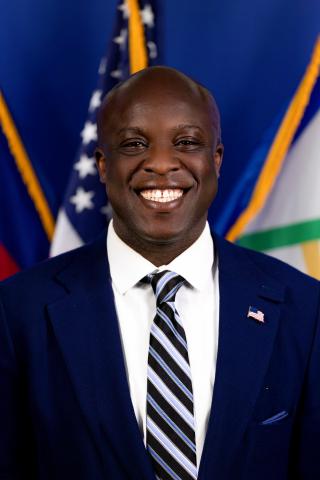
    Mayor Yemi Mobolade is not your typical politician. The soft spoken and highly cerebral business administration and computer information systems graduate from Bethel University made history when he was elected as the first Black immigrant and non-GOP mayor of Colorado Springs, Colorado. 

    This immigrant from West Africa moved to Colorado in 2010, where he started a family, built three small businesses, launched a church, and became a public servant and community leader has a burning passion to effect real change for the people of Colorado Springs. Listening to him speak, one can tell that he genuinely understands the challenges of the people he leads and has practical solutions to help them make their lives easier. Make no mistake, getting him to have this interview was a herculean task due to his very busy schedule but the time spent was well worth the wait. He seemed in control, was relaxed, articulate and exuded confidence in his ability to get things done. Tolulope Omotunde of Afrik Digest Magazine conducted this interview with him over the phone where he talked about his upbringing, faith, passion for service and his plans for Colorado Springs. Enjoy

    Yemi Mobolade raises his right hand as he was sworn in as Colorado Springs’ mayor at the Pioneers Museum on last year. Credit: CPR.com


    Afrik Digest: Congratulations Mayor once again for emerging as the first African-American Mayor of Colorado Springs. How has life been in office so far?

    Mayor Mobolade: You know, its politics and politics is not for the faint of heart but in the end, I say it’s the hardest job and the most rewarding job I’ve ever done. So, I guess it’s like being a parent. You know, you have those two intense emotions happening that you love your kids and it drives you crazy.


    Afrik Digest: I know you’ve talked about your childhood in previous interviews, but did your upbringing have any effect on the person you are today?

    Mayor Mobolade: Oh, completely, Hands down. First of all, the immigrant story of being an outsider and giving me the empathy to be able to see and pull people into the decision-making table because when you’re an outsider and now an insider, you never lose sight of that. I think about the values that we were taught growing up in Nigeria and I often say though, even the whole village mentality. I say it takes a village to raise a kid, it’s not just a nice statement, It’s an actual experience of being raised by not just mom and dad but uncles and aunties and neighbors and grandma.

    You know, success comes from a diverse village. So, it’s one of the things that I bring into my mural leadership is understanding that success also takes a diverse village who are leaders and people who help create success. One of the things in terms of my own parents’ story was education which was very big, especially for my dad.

    You know, my dad grew up in a time when the British were still in Nigeria and when his dad passed away at age 13, he dropped out of school and a couple of his British teachers fought for him to stay in school and convinced his mom and grandma, who is deceased now, and that was a game-changer because that, being able to go back to school, finish school, go to university and gain employment allowed him help send his own siblings to school. And so, as a young kid, two things were ingrained in us. One is, you know, to just make sure we’re educated and then two, my dad would always say the sky’s the limit.

    The sky’s the limit. There are no boundaries. And then, growing up in a faith household, you know, Household of Faith taught me all the values that I implement in office today. Values of courage, values of empathy, values of humility as well.

    New Colorado Springs Mayor Yemi Mobolade speaks to a crowd in front of the Pioneers Museum after being sworn into office. Credit; CPR.com

    Afrik Digest: What actually motivated you to get into politics?

    Mayor Mobolade: One, I wanted to be the change I wanted to see in the world. At some point, when you see what needs to change, instead of looking around you to see who is going to do it, you have to step into the arena.

    And so, I wanted to be that change and I believe I had something to contribute to the conversation. I wanted to disrupt politics in the best way because there’s a lot of hopelessness when it comes to the direction American politics is going. And sometimes it takes an outsider, it takes an immigrant to remind us of what’s best of us as Americans and our foundation and our formation.

    And so, I felt like I could contribute something to the arena, to the story I’m bringing so many people along with me. I felt like as a political independent, I have an opportunity to put people over politics and keep the main thing the main thing. So, those are my… And then, one last motivation is the Greek word for love of city, topophilia. And love makes you do crazy things like run for office. So, I love this city. I love Colorado Springs. This is home for my family and I and, you know, I used to say I love it for what it is. I also love it for what it could become. And so, love makes you do crazy things and then you find out you’re running a campaign.

    Yemi Mobolade as a little kid growing up in Lagos, Nigeria. Credit: Denver Trust


    Afrik Digest: The homeless issue in Colorado Springs is well documented. What steps have you taken or do you plan to take to address this?

    Mayor Mobolade: Yeah, the homelessness one is not peculiar to Colorado Springs. It’s also nationwide. It grounds my story and what many growing cities are experiencing and a lot of contributing factors to homelessness, whether it’s mental health, drug abuse or housing. And one of the things I’m proud of in my city is how we’re responding. We take politics away from it, which is very important. We don’t pursue political decisions.

    We pursue pragmatic decisions. I’m proud to say Aurora, Mayor Kaufman, and Mayor Johnston are also looking at Colorado Springs to say, what are you guys doing? And that is, how are you moving the needle. Now, I just want to be clear that we talk about ending homelessness in the city of Colorado Springs, but we put that big vision ahead of us, even though we would never end it, you know, if you’re a person of faith you’ll remember the scripture passage that says, Jesus says you will always have the poor with you. But what I’m happy to say is that we’re making progress and we’re back to numbers that we haven’t seen since 2016. So we’re going the right way. We’ve moved from, I think, 1,600 now to 1,200 homeless residents.

    About 700 plus of those are people that are sheltered. I know that 300 plus are unsheltered. And so we are seeing a lot of progress. But in terms of what we’re doing really well, boil it down to three things. One is, in our city, we invested in cleanups to ensure that we clean up our city, as well as ensuring that we don’t have those fire dangers, because in the homeless encampments, they start fires. And then as we do cleanups, we’re able to provide the next steps for those residents. Two, we’re relentless about partnerships. We know as a government, we can’t do it alone. So we depend on the business community, the nonprofit community, and we partner with them.

    And one of the partnerships that we actually have with one of the local rescue missions is this program called WorkCOS, where formerly homeless residents who are ready to work, actually come and join the city in a program called WorkCOS, which has to do with cleaning up our city. And then the third emphasis that we’re taking is behavioral health, understanding that we have to get to the root cause of homelessness, and a lot of it has to do with an unhealthy mind. So we are pushing that we have behavioral health outreach people that are out there on the streets, meeting homeless and vulnerable homeless residents and trying to get them off from the streets back into housing, health and work.


    Afrik Digest: Okay, yeah, you mentioned something when you were giving me your answer. You said you take all the politics out of this knowing full well that you ran as an independent. How do you plan to walk across party lines to achieve all your goals? Knowing full well that say, for example, you need to pass a bill, you have Democrats angling for something, you have the Republicans, you know, how do you how do you intend to manage all of this?

    Mayor Mobolade: And that’s the secret of being an independent is that I don’t have a home, but my home is Colorado Springs. In fact, one of the Colorado senators told me, he said, stay an independent as long as you can Mayor. And I said, why? He goes, because you get to pursue the right policies, without being beholden to a group of people or party members. And so when you look at my policies, let me for instance, let me give you my vision for the city.

    My vision for Colorado Springs is that it will be an inclusive, culturally rich, economically prosperous, safe, vibrant and a world class American city on a hill that shines brightly. Now, when you take that apart, if you look at those elements, if you lean more left, you’re probably excited to hear things like inclusive, culturally rich, if you lean more right, you’re excited to hear things like economically prosperous, safe, safe city. And that’s it.

    All these elements are really important. America is both left and right. And I think the political challenge we have today is trying to divide us over party politics. And most of us Americans are not easily divided. It’s complicated. And so part of the joy and the wisdom of being an independent is I am independent in my own leadership decisions and not bound to any group, power brokers or political parties.

    So I make decisions as an independent and I pull people from both parties. I pull wisdom from a cross section of people. I build teams of rivals, diverse thinking and diverse perspectives and bring them together. And we sometimes duke it out and then we come out of that boardroom with a meaningful solution.


    Afrik Digest: Thank you.  Also, moving on. How do you plan to assist your residents of your city who are struggling with the ever rising cost of living? We know inflation is probably everywhere and I’m sure America is affected by it as well. So what do you plan to do to help ease that burden?

    Mayor Mobolade: Yeah definitely, America is affected by it. We live in Colorado where unfortunately we’re becoming one of the hardest places and most expensive places to live. The state of Colorado is no longer a best kept secret because everybody wants to move here now.

    I think it was three or four years ago, the U.S. News and World Report released that top five ranking in terms of best cities and four out of five Colorado cities were in the top five. It’s a matter of supply and demand. So a lot of people want to move here and you don’t have enough housing. The cost of housing goes up.

    So it’s getting more and more expensive to live here, but we’re not just sitting back and watching it happen. So basic math is that we’ve got to increase the housing supply and that helps bring down the cost out of housing. So we’re short in supply and we’re working on that like I highlighted earlier. We’re also working on diverse housing options.

    We’re participating at the state level in terms of legislation, meaningful legislation to unlock the supply of housing. I’m personally involved in the House Bill 106 to ensure that we can unlock the supply of more condos and tree level housing. One of my first decisions as a new mayor was to appoint a chief housing officer because it’s that important that my chief housing officer is tasked with ensuring that we’re moving the needle.

    We’re accelerating housing projects. We’re providing incentives, financial incentives for more housing. We are pursuing housing innovations and thinking of new ways of building homes because the traditional ways are no longer working. And then the number five that I do want to talk briefly about is there’s only so much you can do to bring the cost of housing down because a lot of building materials are involved. At the end of the day, we have to figure out how to put more money in the pockets of Americans.

    And that’s where economic development is an important part of this equation in terms of high paying jobs. And I am very proud of my city and the work that we’re doing in this regard. Many of the record breaking announcements that we’ve had last year, last two years and this year are that a lot of the residents of Colorado Springs are now in jobs that are paying between $80,000 to $150,000.

    So when you pay people more money, it equips them with the ability to live comfortably in our communities.

    Mayor Mobolade and his family. Credit: CNN

    Afrik Digest: Moving further, how do you propose to reduce crime in the city while at the same time ensuring fair policing? Ensuring that your citizens get the best possible policing they can get and that they are not being racially profiled, they are not being harassed unnecessarily. You know, what are your plans to ensure that the police are actually doing their jobs and they are not going overboard?

    Mayor Mobolade: That’s a great question and I want to answer this, but just setting the record straight that a lot of the issues around policing are political. There are efforts and improvements that need to be made. Granted, but a lot of it is strictly political and I’m not about political grandstanding.

    The numbers nationally show that a lot of the issues around policing, it’s about 5% of officers. So 95% of officers nationally, actually public servants are doing the job because they want to serve people. The scripture says that, um, no greater love than a man would lay his life down for their brother.

    I don’t know how many people sign up for a job knowing that today could be the last day and not be there for the family. So I want to be clear about what we’re talking about. 95% of our officers are in it for the right reasons.

    And being mayor, I get a front row seat into this job and, and I get to witness how hard it is to actually become an officer.  Very soon I’ll be graduating thirty new officers in our program and doing the oath of ceremony. And you know that list starts with two thousand people just to get to the academy, and then you’re in the academy and not everyone makes it.

    So you have to be the best of the best of the best of the best of the best in the community. My pastor’s son wanted to become an officer and he got told no. Yeah, it’s that hard. I mean, you have to have almost like a perfect record to be able to. So that’s really important.

    It’s a story that’s not being told in this arena. Now it’s that 5% that we need to work on. Like every industry, you have good employees and you have bad employees, and you think of things like how do you retrain, how can you help, what can we do better, how can we improve.  So it’s important that as mayor, public safety has to be paramount for me.

    And it’s because no other entity can take that on. You know, I can’t go to the private sector, I can’t go to the nonprofit sector, and the most essential function of your government is public safety. So when people call 911 in a time of distress they need people there to come to the aid. That is my job and I take it seriously. So we’ve had a shortage of officers because of the political pressures on the job. We’ve had to deal with early retirements because people don’t want it.

    And so we’re trying to make it a more conducive environment for them to work. And we’re trying to improve our response time. And we’re doing that here in Colorado Springs by trying to get to maximum strength. As it stands, we need about 818 officers to take care of our city.

    And we’ve been short, but we have a plan by the end of this year to get to that number of authorized strength. That would be the first time since 2019 we have had that.

    And then once we get to that, you see that our response time improves. So when you get into a car accident, instead of just standing there and nobody shows up, because you’re short on officers, we have to prioritize and answer the most life threatening needs. I’m hoping that we get back to a place where, when there’s a car accident and somebody needs to show up, you actually have somebody there.

    So that’s important and let me end this segment by saying this, what I’ve explained to you is strictly the downstream solution. We also have to go upstream, so it’s both.  If you’re at a stream or a river, and you see debris coming through the river, you keep cleaning it, keep cleaning it. At some point, you have to ask, why is all this crap coming through the river? I have to go upstream to see what’s going on.

    And so now we’ve got to go upstream, and as mayor, it’s important to me to partner with community organizations that are stopping violence and gang prevention, and also providing opportunities for residents, economic opportunities for residents, business trainings, folks that are coming out of the prison system to ensure that they have the tools to be successful in life.

    So crime does not even become an option. So we have downstream, and we’ve got upstream. That’s how we solve crime in our community.


    Afrik Digest: Who has had the greatest influence on your political career?

    Mayor Mobolade: Oh, man. I’m a product of good mentors and people. I don’t know if you remember the Yoruba proverb that says the wisdom of others keeps the king from being called a fool. Yeah. So sometimes the wisdom of others and the mentors come from people that I’m meeting with.

    So I have mayors, former mayors that are mentoring me today. I have people that are mentoring me that I don’t even know of because I read about them in books. But I would say as a Nigerian American, as an immigrant who became an American citizen seven years ago, I look to other American figureheads and leaders to help inspire my own American leadership. And one of my greatest inspirations is the 16th president of the United States, Abraham Lincoln. You probably see I have a couple of his books in my back.

    And I’m reading the book Team of Rivals again. Abraham Lincoln was masterful as just being a courageous and empathetic leader. A leader that was humble and he was a frontline leader.

    He was not above anybody. He would go meet with the soldiers who were in the front lines in the war; he had an ability to use humor. He was funny and was a very gifted communicator. He was just a down to earth person, very likable. But it’s more than just all these gifts. It’s how he used them to accomplish great things. And one of the greatest things that he accomplished was holding the union together that we know as the United States of America.

    It was going to be fractured for good. And if not for the wisdom of Abraham Lincoln and his leadership and his ability to work with rivals, we wouldn’t be the country we are today. That’s a type of leadership that inspires me.

    And that’s the type of leadership that I’m putting into practice. If you look at some of my team members, for example, one of my core team members is one of the persons I ran against during the campaign. Another leader on my team is the other leader that I ran against in a campaign.

    We did the runoff against each other, Wayne Williams. He is on my advisory council. And so the ability to find common ground, find ways to pull even opponents together, knowing that together we can work for the greater good has been inspired by Abraham Lincoln. And it also happens that we share the same birthday on February 12th.

    And I’ll tell you, I always give a nod to Dr. Martin Luther King Jr. I sit on the shoulders of giants, if not of his work and leadership. I don’t think as a black man and immigrant mayor, I don’t think I would have the opportunity to be a mayor of a top 50 U.S. city.

    Yemi Mobolade at a photo shoot session during his campaign for mayor. Credit-photopit.com

    Afrik Digest: You became a naturalized citizen in 2017. When you were elected in 2023, Good Morning America said you had lived the American Dream. But you’ve said in interviews that the American Dream is further out of reach of some people in Colorado Springs. How much can you do, as a mayor specifically, to turn the tide and give more people a shot?

    Mayor Mobolade: It all starts with a young man who started out as an immigrant from West Africa, became a citizen only seven years ago, and now is a mayor of the 39th largest city. It starts with the face of the city and how that brings about hope.

    I know I’m now in a privileged position to be able to open those doors. For some people, it’s just that crack they need. Just open it a little bit and they can feel the breeze. That’s a breeze of hope. For some, it’s just being able to open the door wide open and say, walk and come on in. And so it starts with leadership. It starts with good leadership that prioritizes people over politics. And that’s what I mean by not having access to the American Dream, which in my experience has become about partisan politics. In fact, my criticism is that we are obsessed with White House and national politics.

    And I believe the most important politics is local politics, the decisions that affect your neighborhood roads, your neighborhood street, your schools and your mental health. These are the issues. And this is why being a mayor is a very attractive job for someone like me that wants to make a difference and wants to make an impact in the life of others.

    Because we get to brass tacks on what the most important issues are and how can we increase access for others. So we’re doing that. For me, we’re doing that in five different pillars.

    We talked about public safety, economic mobility, infrastructure and also community activation. And I’m missing one. What’s the last one? Public safety, economic development, community activation, infrastructure. Yeah, there’s one more. Did I miss it? Okay. But those are the five. These are the four.

    I’ve mentioned four of the five areas where we’re trying to improve access and give access to make it easier for people to obtain the American Dream. oh, the fifth one is housing. Housing. Yes, housing. Those are the five elements.

    So public safety, infrastructure, housing, economic development, and community activation.


    Afrik Digest: Do you see yourself holding statewide or national office in future?

    Mayor Mobolade: For some reason, everyone keeps asking me that question a lot. (General Laughter).

    Well to answer your question about political aspirations, I’m just about a year into my job and I’m like, people, give me a chance to figure out being mayor first before the next step. I talked to a state leader just recently because he’s in touch with me and Mayor Johnston up in Denver. And this state leader literally says on the phone, it is my goal to get you to be governor. I am going to do everything within my power to make sure that you’re governor. And I went, whoa, whoa, whoa, whoa. Who says I want to continue in the realm of politics? Politics is a blood sport.

    And so when people tell me that, I take that as a compliment. I hear that as a “we appreciate the way you’re leading and how you’re leading differently”. And I receive that as a compliment because what people are saying is, we need more of it.

    But honestly, I don’t know if that’s of interest to me. I never want to say never because I said I’ll never run for mayor, and here I am. And so God has a sense of humor. But I’ll say at this point, I’m not interested. My goal was never to become a politician. My goal is always to serve my community. And so I don’t know what the future holds. Okay. Maybe I can have, there might be some other Africans that might decide to run for governor. I can support that.

    And honestly, my goal is for other minorities to see themselves in me. It’s one of the best compliments I hear when I meet young kids and meet other Africans that go, man, I feel like I can do that too. I can run. The sky’s the limit. For the barriers to be removed, I mean, that’s music to my ears.

    Lt. Gen. A.C. Roper, Deputy Commander, U.S. Northern Command, welcomes Colorado Springs Mayor, Yemi Mobolade to the NORAD and USNORTHCOM headquarters on Peterson Space Force Base, Colorado. Credit – dvidshub.net

    Afrik Digest: How do you balance your political career with your personal life? How has it been?

    Mayor Mobolade: That’s a tough one. That’s a tough one. The job is never ending. Yesterday I went home to be with my family, and then I came back here and I didn’t leave until midnight. But it’s what I signed up for.

    I just have to fight for it. I’m almost a year at this, and I was trying to give it a year to get a sense of the life and rhythms of my city and determine the best time that I can take time off. I’ve come to realize there’s no best time. I just have to go. And so it helps to be grounded. I have three core values that I operate from.

    I don’t know if you can see my challenge coin (shows me the coin). It says courage, empathy, and humility. And the value of humility keeps me grounded, and I have other people speaking to my life.

    I have an executive coach. I have mentors. I have a spiritual director. I have advisors, teams of advisors, and many of these leaders are good at saying, are you taking time off? Make sure you’re spending time with family and reminding me how family is important. So having them around me is a way that I try to ensure that I’m staying grounded with my own personal life as well. Family is important.

    I try to make sure I’m there for my kids. And for me personally, I would tell you that now that this weather is getting warmer, I love landscaping. I love planting. I’d probably start getting into gardening again. It’s more than a hobby. It’s Sabbath for me.

    It’s allowed me the opportunity to not just recreate but to recreate in a way that is different, that is life-giving. So as long as I’m chasing after my family and those habits that give me life, then I’m successful.

    Mayor Mobolade and his entire family during a visit to Nigeria. Credit: CPR.com


    Afrik Digest: What legacy do you hope to leave behind at the end of your term?

    Mayor Mobolade: That this mayor loved people. That I was a mayor for all people and that people’s personal lives were flourishing and their families flourished and lives were enhanced because of my leadership. I want people to look back. I want people to feel inspired to do great things. The word inspiration is one that has been associated with my leadership for years.

    And I want people to be inspired. We live in a time where hope is becoming a scarce commodity. And I want people to hope again. We’re going to get a lot of stuff done Tolu. No doubt about that. I have a great team. We have a 3,000-person team. They’re all badasses. They can get things done.

    They’re great leaders in their own right. And I’m so honored to be around them. So we’re going to get a lot of stuff done. We’re going to do the typical, in four years or eight years, the American thing that we tend to do a lot. During his time as mayor, we did X, Y, Z, you know, all the data around that. But even more than that, I want people today to look at my leadership and be inspired to lead the same way. I often tell my team that the process is as important as the outcome. So I want people to look at the process, not just what we got done, and be inspired on how to lead.

    Abraham Lincoln is quoted with – this quote is attributed to him that says, Give me six hours to chop down a tree, and I’ll spend the first four hours chopping the axe. Yeah. I want people – I don’t want people to see that the tree is chopped down.

    I want people to look at the four hours of the axe being sharpened and to see that as an inspiration for them to – for their leadership as well and their quality of life.

    Afrik Digest: Thank you so much, Mayor. I’m so grateful for taking out the time to have this interview with me. I know you’re a very, very busy person, so I’m going to let you just get back to it.

    Mayor Mobolade: Thank you very much Tolu, it’s been a real pleasure


  • ONE 2 ONE WITH VERA AZUKA IDAM. CEO/PUBLISHER OF AFRIK DIGEST MAGAZINE

    ONE 2 ONE WITH VERA AZUKA IDAM. CEO/PUBLISHER OF AFRIK DIGEST MAGAZINE

    Vera Azuka Osuokwu-Idam is an esteemed professional and community advocate whose extensive work across various domains has significantly impacted numerous lives. Her unwavering commitment to her community, professional distinction, and advocacy for unity and empowerment all together stands as a beacon of inspiration for many within and beyond the African diaspora.

    As the publisher of Afrik Digest International Magazine, Vera has created a pivotal platform that unites the African diaspora by disseminating news, lifestyle stories, and community profiles, all from its Colorado base.

    As someone who came to the United States as an immigrant, she understands the struggles that the average immigrant goes through. She has ensured her talents and outlet have been used to ensure immigrants have a voice that can advocate for them.

    Vera’s entrepreneurial skill is evident in her roles as CEO of Confetti Events Manager and AfrikTide Publishing, where she oversees event organization and book publishing, respectively, catering to a wide array of needs.

    With a rich editorial background in Nigeria, where she served as a book editor for one of the country’s foremost publishers, Vera has honed her literary craft, which she continues to apply in her multifarious roles.

    Vera’s extensive community service includes membership in the Colorado State’s Community Advisory Committee on New Americans and the Colorado Statewide Community of Practice, earning her widespread recognition and numerous accolades for her contributions.

    Her dedication has been acknowledged by the African Leadership Group, and African Chambers of Commerce Colorado among others, with her ALG award speech underscoring her belief in the transformative power of passion, happiness, and health in achieving success. 

    She sat with me, Tolulope Omotunde, a staff with Afrik Digest, for an in-house interview where she talked about a whole range of issues about Afrik Digest and the black community in Colorado and beyond.

    Below are excerpts from the interview.
    ***

    Vera Azuka Osuokwu-Idam is the publisher of Afrik Digest Magazine, headquartered in Colorado, USA.

    Tolu (AfrikDigest): Finally I get to sit with you to tell the whole world about AfrikDigest. So, what exactly is AfrikDigest all about?

    Vera Idam (Publisher/CEO): Afrik Digest is a cherished African lifestyle magazine dedicated to recounting narratives from African immigrants and people of African descent in America. Headquartered in Colorado, USA, our publication covers a diverse array of topics, including culture, lifestyle, civic matters, business, education, and entertainment. Our inception was driven by a compelling need to serve the community, providing a platform for voices often marginalized. We illuminate community initiatives, share immigrant experiences, and spotlight local events.
    At Afrik Digest, we actively engage with our community members and listen to their perspectives on civic matters, healthcare, education, and economic challenges. Our commitment extends to forging partnerships across culturally diverse groups. Through our print and online platforms, as well as our social media channels, we disseminate verified information, emphasizing truth and transparency.

    Our coverage strategy is meticulously tailored to address the specific needs of African immigrants and people of African ancestry. Distribution decisions are guided by necessity and financial feasibility, reaching people where they reside. The Metro area of Colorado, particularly Aurora and Denver, along with Boulder and Colorado Springs, remains our primary coverage zone, reflecting the heart of our community.

    Tolu (AfrikDigest): Okay. So what exactly is the mission and vision of AfrikDigest?

    Vera Idam(Publisher/CEO): At Afrik Digest, our mission is clear. To address critical coverage gaps within Colorado’s larger community. We recognize that mainstream media often overlooks the unique experiences and perspectives of African immigrants. We want to bridge this gap, and we’ll be committed to leveraging any philanthropic funding that grace brings our way to this purpose. We also aim to become a trusted platform for African and Black immigrant voices in Colorado. By doing so, we foster a sense of belonging and empower our community with relevant information. We have also identified two significant coverage gaps which are representation and language barriers. At Afrik Digest, we say representation is everything. Mainstream media fails to capture the cultural nuances and complexities of the Black immigrant experience in Colorado. Many Black immigrants who do not speak or read English fluently, are limited in information and representation access.

    Tolu (AfrikDigest): How does  Afrik Digest intend to bridge this gap that you just talked about?

    Vera Idam(Publisher/CEO): By ensuring that we dish out tailored content for Black Immigrants/DiasporaAfricans. We create content specifically tailored to the Black immigrant community. From personal narratives to interviews, documentaries, podcasts, and profiles that highlight their triumphs and struggles. We also explore critical issues relevant to Black immigrants, such as access to resources, cultural preservation, and addressing racial discrimination.

    Tolu (AfrikDigest): How have you been able to run and fund your operations so far?

    Vera Idam(Publisher/CEO): It has taken a lot of resilience, doggedness, determination, and sheer passion to keep the flag flying. AfrikDigest has been privately owned, operated, and funded since inception solely by myself. Despite our marvelous relentless service to the community, we continue to struggle with the challenges of funding. It is an ethnic media outlet, and things are even tougher being far removed from the mainstream. As a newsroom committed to making a positive impact within our community, we are fueled by passion. However, without adequate financial support, our efforts remain limited. We have been relentless in advocating for equity and inclusion, yet our mission cannot be fulfilled without the essential resources.  Our funding challenges mean Afrik Digest operates with smaller teams due to budget limitations. This means we have none or fewer journalists available to cover stories, leading to gaps in coverage and the quality of our reporting. For example, as much as we place a high premium on quality reporting, limited funds impact our newsroom’s quality of reporting to a great extent, such as investigative journalism, which requires time and resources, suffers.

    Tolu (AfrikDigest): You have talked about the challenges of funding which is key. What other challenges or experiences have you encountered or learned so far?

    Vera Idam(Publisher/CEO): The challenges and experiences have been varied. Aside from the funding challenge which no doubt is a huge factor in a lot of our operations because year after year, ethnic media outlets like Afrik Digest grapple with financial constraints. We largely lack the resources to consistently seek out news stories, so our struggle is real. Aside from that, we have challenges with human resources.  High turnover rates due to financial instability result in a loss of institutional knowledge. New journalists may not fully understand the local context. While this is a critical challenge for the ecosystem, it’s not a specific issue for us, as we have not hired a full-time journalist in a long while.

    There’s also the technological challenge as well. Transitioning to digital platforms requires investment in technology and training, which smaller outlets like ours may lack. Also analyzing data for investigative reporting demands specialized tools and skills that may be scarce while limited resources force a lot of newsrooms like ours to prioritize certain stories over others, often favoring breaking news. So those have been some of the challenges that we have encountered so far.

    Despite these headwinds, Afrik Digest has demonstrated resilience and effectiveness within the local news ecosystem. We thrive on community partnerships and collaboration and continue to partner with various organizations to fulfill our mission of amplifying African voices and promoting community engagement. Our newsroom took the lead in establishing the Colorado Ethnic Media Exchange, a coalition of local minority newsrooms united to advocate for their diverse communities across Colorado. CEME members collaborate to address shared challenges encountered by ethnic media organizations and foster understanding among different communities. Additionally, Afrik Digest is a member of the Colorado Press Association (CPA) and frequently engages with media partners such as the Colorado Media Project (CMP) and CoLab in community events and programs.

    I am proud to say that we actively seek our audience’s input through periodic Google Forms surveys distributed to members of the African community. We gauge their expectations, preferences, and concerns. This intentional feedback loop ensures our reporting remains relevant and impactful.

    Tolu (AfrikDigest): And despite all these challenges you strongly believe that AfrikDigest is unique?

    Vera Idam(Publisher/CEO): Yes I do because our commitment to authentic storytelling sets us apart. We amplify voices that often go unheard, shining a spotlight on African and Black immigrant experiences, and we have been consistent in capturing the essence of our community. We have also effectively operated and planned improvements through collaboration and content sharing. We have and are still collaborating with other local news outlets, sharing content, and co-publishing investigative pieces. This expands reach and ensures important stories reach a wider audience, while also ensuring that our community engagement remains solid. We have participated in local events, town halls, and community meetings while building relationships with community members to have solid sources for valuable story leads and foster trust.

    Another thing that sets Afrik Digest apart is our commitment to serving the underserved. We amplify the voices of the voiceless and strive to level the playing field. From my personal experience, new Americans are often excluded from decision-making tables due to a lack of confidence in advocating for themselves. The immigrant community tends to be reluctant to present themselves as needy, yet they contribute significantly to the growth of the United States economy through their taxes. Worldwide, news media wields social influence and has the power to transform society. When a segment of society is left out of the media net, they are left behind. Our community has experienced this exclusion, which underscores the undeniable need for an ethnic media outfit like Afrik Digest.

    Tolu (AfrikDigest): Alright. So where exactly is the coverage area for Afrik Digest?

    Vera Idam(Publisher/CEO):  Our geographic scope extends to people of African heritage residing in the Denver metropolitan areas, including Boulder, Colorado Springs, and Greeley. According to the 2020 Census, over 45,000 African immigrants live in Colorado. To reach them effectively, we’ve established additional channels such as community associations, churches, and community engagements. Recognizing that not everyone in our community speaks and understands English, having a media owner who belongs to that community ensures everyone feels included and relevant in our media output.

    Tolu (AfrikDigest): Thank you so much for taking the time to talk to me

    Vera Idam(Publisher/CEO):  It’s my pleasure

  • ONE 2 ONE WITH DR SUNBOLA: LAWYER ON A MISSION TO ERADICATE HUNGER

    ONE 2 ONE WITH DR SUNBOLA: LAWYER ON A MISSION TO ERADICATE HUNGER

    Dr. Michael Sunbola is the founder of the Lagos Food Bank Initiative. He has raised almost $2million in cash and food to provide hunger relief to over 2.4 million vulnerable women and children within and outside Lagos

    Dr. Michael Sunbola is an award-winning Social Entrepreneur, an Obama Leader, a seasoned food system activist, a Community Mobilizer, an SDGs Advocate, a Legal Practitioner, and the founder of the Lagos Food Bank Initiative. To many he comes across as a workaholic and very serious person who has little or no time for socials. While that may be true to an extent, there is a side to him that most people don’t get to see. He has a passion to help people and make an impact. As a matter of fact, it’s as if he’s in a race against time to touch so many lives in one fell swoop.

    He is a foremost thought leader in Community Mobilization, Social Entrepreneurship, Volunteering, Leadership, Community Development, Social Impact, and Advocacy. Michael is also a Gratitude Network Fellow, Perennial Fellow, SIP Fellow, and French African Foundation Laureate. He currently serves on the Food Systems Taskforce (FST) for the implementation of the National Food Systems Transformation for Nigeria. He has been profiled by Forbes Magazine, Redrick Public Relations, and various Nigerian National Dailies, as one of Nigeria’s young social entrepreneurs.

    Through his work, Michael has raised almost $2 million in cash and food alongside 25,000 volunteers at the initiative to provide nutrition intervention, hunger relief, dietary counseling, and job placement to over 2.4 million vulnerable women and children across different underserved and far-to-reach communities within and outside Lagos.

    As part of his initiative to support food-insecure families, he piloted a family farming program to improve women’s contribution to household agriculture and gender equality. This program has been scaled to reach over 500 vulnerable women in Lagos.

    Tolulope Omotunde of AfrikDigest International Magazine got to chat with him recently where he got to share more about his initiative. Enjoy


    AfrikDigest: Can you please introduce yourself so our readers can get to know you?

    Dr. Michael Sunbola: My name is Michael Sunbola and I am a legal practitioner by profession. I am a social entrepreneur, an Obama leader, a community mobilizer, an SDGs Advocate, a food system activist, and a humanitarian at heart. I am the Executive Director of Lagos Food Bank Initiative and currently serving as a member of the board of trustees. I am also the Managing Principal at Pundit Barristers & Solicitors. My passion is centered around ending hunger and malnutrition in all its forms and helping to move closer to a hunger-free Lagos and eventually, across Nigeria.

    AfrikDigest: What inspired you to start the Lagos Food Bank Initiative?

    Dr. Michael Sunbola: Having experienced food insecurity as a growing child and what it feels like to go to bed hungry on several occasions, starting the Lagos Food Bank Initiative was inevitable for me as a humanitarian at heart. Noticing the food or hunger gap in society and the fact that food is a basic need for survival, which is clearly not available to all. With over 40% of the Nigerian population estimated at risk of experiencing food insecurity, I became concerned even as a legal practitioner and felt the aching need from within to sort of address this essential need for humanity. So, it is my personal experiences as a child which were challenging, coupled with my desire to solve basic human problems and bring hope to people in need of support that fueled the start of the Lagos Food Bank Initiative.

    LFBI Volunteers

    AfrikDigest: Can you tell us a few of the challenges you faced when carrying out activities for the Foodbank?

    Dr. Michael Sunbola: The food bank has its fair share of challenges just like other non-profits operating within the third sector however it is important to note that overcoming a challenge is an important learning point for every organization. One of our major challenges has been funding, especially at the inception of the food bank as the concept of food banking is quite new in Africa and was almost non-existent in Nigeria. It was tough to secure the trust and commitment of corporate bodies, possibly due to the existing notion that a lot of people have about NGOs in Nigeria however, due to our track records of impact and transparency we have proven and still proving ourselves to be a credible organization which appeals to the goodwill of individuals and organizations. We have also intensified our fundraising efforts to ensure we reduce the effects of food insecurity and its consequences within these communities.

    Another challenge we have faced is the lack of policies that favor the food bank and its activities. For example, the Good Samaritan Act (Good Samaritan law offers legal protection to people who give reasonable assistance to those who are, or whom they believe to be in emergencies) which is found in different countries is not applicable here in Nigeria as such, there’s no form of legal protection and encouragement for donors of food and grocery products to nonprofit organizations for distribution to needy individuals.

    AfrikDigest: Since the launch of the Lagos Food Bank, what has been the general response from the public?

    Dr. Michael Sunbola: Since the launch of the Lagos Food Bank, we have received an overwhelmingly positive response from the public. Also, there has been a great level of support from our volunteers, corporate volunteers, communities, companies, and organizations. Many people have shown interest in the Lagos Food Bank and have actively participated in various ways including volunteering and donating. The public’s support has been significant in enabling the Lagos Food Bank to expand its reach and impact, thereby helping to address food insecurity and alleviate hunger.

    Partner NGOs Distribution

    AfrikDigest: I am sure you have seen the food bank change from 2016 when you started operations, then throughout the COVID-19 pandemic, and now. Can you tell us how?

    Dr. Michael Sunbola: The food bank has undergone a tremendous amount of changes and growth over the past eight years, much of which happened especially in 2020 as a result of COVID-19. The food bank being the first in Nigeria came up at a time when people were not thinking of such, and so in 2016 when the food bank started, it focused on providing immediate nutritional relief to vulnerable families within Lagos and was able to serve over 16,000 vulnerable individuals partnering with 4 organizations.

    As the food bank grew, the vision grew as it became apparent that the level of food insecurity within the nation was quite alarming. Through research on solving the key issues surrounding food insecurity such as hunger, malnutrition, and poverty, the food bank developed targeted programs that addressed the growing need and now in 2024, has developed 9 programs that cut across nutrition, sustenance, and food/agricultural recovery.

    As the years went by, the food bank had strategically positioned itself to provide relief in different communities across all 20 local government areas within Lagos and partnered with NGOs, and when the lockdown happened in early 2020, it was easy to put in place measures to mitigate the sudden increment in food insecurity levels. Through strategic partnerships with national, international, and multilateral organizations, and leveraging on connections within our database, the food bank continues to grow and has been able to serve the most vulnerable in society.

    AfrikDigest: Can you share with us a few statistics on the impact of the Lagos Food Bank over the years?

    Dr. Michael Sunbola: In the last eight years, the Lagos Food Bank has reached over 2.4 million individuals across 160 communities through nine (9) programs within Lagos and across Nigeria through partnerships with over 500 organizations who supported the food bank with monetary, staple food, product, and personal care item donations to further our reach within low-income communities with a manpower of over 24,000 volunteers in our database.

    On average each year, we impact the lives of over 300,000 individuals directly through our community intervention programs. In addition, the food bank currently has a network of over 150 non-governmental organizations where it supplies food to local food bank partners and credible non-profit organizations across Nigeria. This program is designed to reach more communities and beneficiaries outside the food bank’s immediate reach.

    Family Farming Empowerment

    AfrikDigest: Has the government (state or federal) reached out to you to support or commend your efforts?

    Dr. Michael Sunbola: Yes, the food bank is currently partnered with the Lagos State Government’s Ministry of Agriculture to support our urban farming-based program (Family Farming) and the Lagos State Emergency Management Agency (LASEMA) in 2020 as we got a permit which allowed us unrestricted access to reach more vulnerable people during the pandemic. We have also received visits from the LASG Office of the SDGs to discuss the impact of our work through our targeted programs to achieve Sustainable Development Goals (SDGs) across the various communities we serve.

    AfrikDigest: I know the food bank initiative started in Lagos, how many states of the federation have you branched out to now?

    Dr. Michael Sunbola: Through our Food Bank Network Nigeria (FBNN) we have reached 9 states in Nigeria as we partner with reputable NGOs with whom we share common goals by supporting their outreach activities with food items and relief materials in far-reaching communities.

    AfrikDigest: A lot of people in Lagos as a whole may have probably never heard of you. What plans do you have to reach out to other areas of the state you haven’t?

    Dr. Michael Sunbola: We currently have some strategic methods that we are building in order for us to improve our reach to communities within and outside Lagos State and to build more awareness about our operations. Examples of some methods we currently adopt are:

    1. Partnerships and Collaborations: We forge partnerships with other nonprofits across Nigeria. We partner with other nutrition-focused NGOs who are addressing food insecurity in the target states.
    2. Media Coverage: We partner with local and national media outlets to share stories about the food bank’s mission, impact, and activities. Press releases, interviews, and feature articles that can help raise awareness.

    III. Social Media: We all know that we live in a digital world, we utilize social media platforms such as Facebook, Twitter, Instagram, and LinkedIn to share updates, success stories, volunteer opportunities, partnership opportunities, etc. to engage with our wide community which cuts across different regions to reach a broader audience.

    AfrikDigest: How have you been able to fund the operations of the food bank initiative?

    Dr. Michael Sunbola: Fundraising for a non-profit is never an easy task and is one of the most crucial and important factors that determine the sustainability of an NGO. The funding of Lagos Food Bank’s operations comes from local corporate donors, international grants, individual donors, the sale of our branded merchandise,  fundraising events, and donations from non-governmental organizations.

    Family Farming

    AfrikDigest: You run the initiative mostly through volunteers, what has the response been like? Are people coming forward to volunteer?

    Dr. Michael Sunbola: The response from volunteers has been overwhelmingly positive. We’ve been fortunate to have a dedicated and passionate group of individuals who have generously offered their time and skills to support our initiative. Our volunteers come from diverse backgrounds and bring a wide range of experiences, which enriches our organization and allows us to effectively fulfill our mission. Their commitment and enthusiasm have been instrumental in the success of our programs, and we are incredibly grateful for their ongoing support

    AfrikDigest: How do people meet the criteria (if any) for the food bank’s services and offerings?

    Dr. Michael Sunbola: Our major requirement is a dedicated heart to serve humanity, and the willingness to volunteer their time to support the different initiatives of the food bank.

    AfrikDigest: Can anyone volunteer and what are some of the opportunities?

    Dr. Michael Sunbola: Yes, we welcome all types of people to volunteer with the food bank. The minimum age for volunteering with the food bank is 12 years, however, all volunteers under 15 would need to be accompanied by an adult.

    We currently run both physical and virtual volunteering activities where people who are within Lagos can join us for outreaches, box packaging activities, and other programs of the food bank. The virtual volunteering activity allows interested participants to volunteer their skills from locations across the country.

    We also appreciate them through the issuance of a Certificate of Community Service and recommendation letters to those who have completed a certain amount of volunteering hours across the food bank programs. Our prestigious LFBI Volunteer Awards recognize the excellence of exceptional volunteers throughout the year during volunteering. We organize an annual End of Year celebration for our volunteers to appreciate and celebrate their contributions.

    TEFAP Volunteers

    AfrikDigest: You clearly have a passion for combating hunger. What advice do you have for the government in ensuring food is abundant for the populace?

    Dr. Michael Sunbola: In my food banking journey, I have seen first-hand the effects food insecurity has on vulnerable individuals and also the potential Nigeria has in turning this around. My advice will be to provide easy access to funding and create partnerships with organizations within the civil society. The civil society is known to be closer to those at the grassroots level and can give accurate information about their needs. Also by implementing policies and investments that support local agriculture and surplus recovery on a large scale across the nation while also improving infrastructure to encourage the emergence and growth of more food banks nationwide.

    AfrikDigest: Are you still open to partnering with more donor organizations?

    Dr. Michael Sunbola: The food bank is always open to partnerships from donor organizations and even from individuals. We believe in the value of partnerships because hunger and food insecurity affect people from different spheres of life and so we encourage such collaborations that will improve the lives of the most vulnerable within the country.

    AfrikDigest: What are the best leadership lessons you have learned from leading a non-profit organization like yours?

    Dr. Michael Sunbola: There are quite a lot of leadership lessons I have learned over the years, but some stand out and are very useful for anyone in the journey of serving humanity through the operation of a non-profit. Among the multitude of lessons, a few of them include knowing that consistent hard work is a quick way to build a successful life and that being equally intentional sets you on a path to reaching your full potential. A popular poet once said “No man is an island, no man lives alone,” and this is one of the principles I live by. You have to step out of your comfort zone and build a community of people who you can share ideas, strategize with, and truly depend on both in the good and challenging times. And finally, achieving anything worthwhile in life requires being focused and having the commitment to see things through to the end at the cost of all other possibilities.


  • “I’m here to help our young people. I talk to them honestly and openly, and I ask them to look beyond my uniform and badge.”  – Immigrant Officer Egide Ndagije

    “I’m here to help our young people. I talk to them honestly and openly, and I ask them to look beyond my uniform and badge.” – Immigrant Officer Egide Ndagije

    Egide Ndagije is very personable. He exudes talent and unbridled joy. This new school resource officer who joined the Aurora Police Department in 2021, understands the uphill task ahead regarding the duty of the police to his community. This inspiring Rwandan immigrant who relocated to the United States at the age of 13, loves working with young people.

    The Publisher and CEO of AfrikDigest Magazine, Azuka Idam had a one-to-one interview with the police officer who showed up for the interview with the APD police chief’s public information officer, Matt Wells-Longshore.  In this interview, Egide Ndagije talks about his life, and job, and how he thinks the Aurora Police Department can improve its relations with the African or any other community. Please enjoy.


    AfrikDigest: Can you tell me briefly about you?

    Thank you for having me and for all your contributions to the community. I’m Officer Egide Ndagije from the Aurora Police Department. I am originally from Rwanda, in East Africa. My parents are from Congo, but I was born in Rwanda. I joined the police department in 2021, but I’ve been living in this country since 2010. I came from Africa when I was 13 years old and attended East Middle School and Central High School. I still work at Central High School as a resource officer. I have an Associate of Science degree from CCA Community College Aurora, and I plan to pursue a bachelor’s degree in physical therapy when my schedule allows it. I hope to become a physical therapist after I retire from the police force. In my spare time, I enjoy playing sports, hanging out with my family and community, and running a few side businesses with my brother. I love to interact with people without the uniform and show them that I’m a regular member of the community, and not just a police officer.


    AfrikDigest: You mentioned that you work in a school. What does that look like?

    As I mentioned earlier, I work as a school resource officer at Central High School. This is how I got here. First, I had to go through the Academy, which is like a school for cops. It took me six months to learn everything I needed to be ready for the job. I had to train physically, mentally, and emotionally. After that, I started working on patrol, responding to calls from the community. I worked nights and then swings. But I always had a dream of coming back to Central High and helping out. I wanted to help because I know what it’s like to be an immigrant kid who doesn’t know anything about America and speaks little or no English. That was me when I came here. So, I told my Sergeant that I wanted to be a school resource officer and work with kids. He would let me go to the school on my days off and help out whenever they needed me. I loved it so much that I decided to stay there full-time. That’s where I am right now. I love my job and I cherish every moment of it. Of course, there are bad days and good days, but we are here to help and to keep these kids safe. That’s our mission. I think of these kids as my little brothers and sisters. I don’t want them to get hurt or in trouble. I want them to succeed and be happy.

    AfrikDigest: Do you have bad days? Tell me about the bad days.

    My work at the schools is not always easy. You may have heard about the shooting in Nome Park that injured one of our students. It was a tragic incident that involved several kids who were hanging out in a dangerous area. We always warn them to stay away from there, but some of them don’t listen. Most of the kids I deal with are good, but there are a few who are involved in criminal activities. Some of them even bring guns to school. I became a police officer to help these kids, not to arrest them or give them tickets, but sometimes I have no choice. I have to do my job and enforce the law.

    AfrikDigest: How would you describe your style of relating with the community?

    I try to connect with people on a personal level and show them that I care about them. With the young people, I tell them that I’m like them, that I went to school here, and they see that I’m young too. I don’t let them intimidate me or disrespect me, but I also don’t treat them like enemies. I talk to them honestly and openly, and I ask them to look beyond my uniform and badge. I tell them that I’m here to help them but also to hold them accountable for their actions. I advise them to learn from their mistakes and move on. Sometimes they open up to me and give me more information because they trust me. I also spend time with them outside of my office, playing games, walking with them, and attending their sports events. Most of the kids here appreciate working with me, and I love seeing their faces in my office every day.

    AfrikDigest: The African community does not seem to be interested in being in the police. Why do you think this is the case?

    That is a very good question. I think one of the reasons is that many Africans come from countries where the police are corrupt and abusive. They have a negative image of the police, and they don’t trust them. They don’t realize that we are here to serve and protect them, and not to harm or oppress them. Another reason is that many Africans are afraid of the laws here. They don’t know their rights or how to interact with the police. They get nervous and scared when they see a police officer. They think they are in trouble, or they have done something wrong. Our community needs more education and awareness about the laws and the role of the police in this country. It’s not just an African problem though. Many other communities have similar issues with the police.

    AfrikDigest: What do you think are the biggest challenges facing the police or specifically, the APD right now?

    I think social media is one reason. Social media has a powerful influence on how people perceive the police. Sometimes, they only see one side of the story and do not hear from us or understand what we are doing. I want to share with you my perspective and experience as a police officer in Aurora. I work with a team of dedicated men and women who are here for the community. We are aware of our police department’s history and reputation, which have been damaged by some incidents that have been widely publicized in the past two years. However, we are not defined by those incidents or by the actions of those who are no longer with us. We are committed to making positive changes and following the new laws and policies that have been implemented. We are also working hard to help the community and gain their trust.

    One of the ways we do that is by being respectful and responsive to the diverse needs and backgrounds of the people we serve. For example, as an African police officer, I have been able to connect with many African residents who feel comfortable and happy to see me when I respond to their calls. It does not matter if they are from Rwanda or any other African country. Representation matters. I have handled many cases where I was able to defuse the tension and communicate effectively with them. This also helped my colleagues to see them as people who are similar to us and to talk to them more easily.

    Afrik Digest: Do you think the APD is doing enough to work more cordially with the community they serve?

    I cannot answer why some people are scared of us or what is going on in other places. I can only tell you what we are doing here in Aurora. We have come a long way from where we were two or three years ago, but we still have more work to do. Our main goal right now is to make the community a better place and to restore their trust in us. We need your help and support to achieve that.

    AfrikDigest: What kind of support do you think your department can give to our community to build trust?

    Thank you for that question. I admit that I do not have a definitive answer right now, but I can share with you some of my thoughts and suggestions. I understand that the community has faced some difficult times and we are trying to overcome them together. Therefore, I think it is important for the community to engage with the police department more and to express their opinions and needs.

    One way to do that is to attend meetings and events where the police department is present, such as council meetings or community forums. This would be a great opportunity for us to hear from you and to get your feedback on how we can serve you better. It would also help us to build trust and rapport with you.

    Another way to do that is to reach out to us and introduce yourselves, especially if you own a business or live in a neighborhood that needs more attention or protection. We want to know who you are and what you do, and we want to help you prevent or deal with any crime or safety issues that you may face. If you request more patrols or visits from us, we will try our best to accommodate that. If you see us as your allies and partners, rather than your enemies or strangers, we can work together more effectively.

    Finally, I want to encourage the young people in our community, especially those who are from Africa, to consider becoming police officers themselves. You may think that it is a difficult or impossible goal, but it is not. You just need to have good motivation and a passion for serving the community. I would love to talk more to the young men and women in our community about my own experience and journey as an African police officer, and how I can help them pursue this career path. I think having more diversity and representation in the police department would benefit everyone.

    So, in summary, my main goals are: first, to have a positive relationship with the community; second, to have their support and cooperation; and third, to have their involvement and participation. I believe these are the keys to making our community a better place for all of us.

    Afrik Digest: Matt, are there any thoughts you want to add or information that you want to pass out there? *Matthew Wells-Longshore (Public Information Officer, Office of the Chief of Police APD)  

    Yes, thank you. I think community buy-in is what we need. The APD is working with officers like DJ, to go out and show what the Aurora PD is about and how they can either be a part of it or support it. So, if anyone from any background wants to join the APD, it’s now easier. Recently, they changed the requirement for hiring. You don’t have to be a US citizen to join. You are eligible if you are here as a permanent resident, with a green card, and on your pathway to citizenship. So, for someone out there that may think that the reason I can’t go do this is because I’m not a US citizen, that’s not the case anymore. We are one of the first agencies in the entire state that allows that. I believe we have somebody who just graduated from our police academy who falls under that category. So those obstacles and boundaries that might have been in someone’s way in the past aren’t there anymore. So, we welcome anyone who desires to be a part of us. I think it takes interactions like this and publications like yours (Afrik Digest) to help get that word out.

    One thing I want to add on the issue of the African community withdrawing from applying to be in the police because they feel like they’re not welcome.  We want them to be and feel like part of the community. There is a program we call Citizens Academy where we offer the community the opportunity to attend and see what policing is all about in Aurora. Citizens Academy aims to help them get some more enlightenment about the laws, and they get to experience what the police face on a daily basis. So, I am inviting the African and other communities to our Citizen Academy to familiarize themselves with the department. I also have to mention our community relation section. If for example, the African community has events, we have resources at our disposal that could be of use at such gatherings. We have our gaming trailer which a lot of people have started reserving for their events already, we have officers that we can schedule and send to these events to help. You can have officers from our motorcycle team, our K-9 team, or even the SWAT team. They can come out to your community events and show off the fun things that we have, and we believe things like this can bridge the gap between the department and the African community.

    One thing I want to add  on the issue of the African community withdrawing from applying to be in the police, because they feel like they’re not welcome.  We want them to be and feel like part of the community. There is a program we call Citizens Academy where we offer the community the opportunity to attend and see what policing is all about in Aurora. Citizens Academy aims to help them get some more enlightenment about the laws, and they get to experience what the police face on a daily basis. So, I am inviting the African and other communities to our Citizen Academy to familiarize themselves with the department. I also have to mention our community relation section. If for example the African community has events, we have resources at our disposal that could be of use at such gatherings. We have our gaming trailer which a lot of people have started reserving for their events already, we have officers that we can schedule and send to these events to help. You can have officers from our motorcycle team or our K-9 team or even the SWAT team. They can come out to your community events and show off the fun things that we have and we believe things like this can bridge the gap between the department and the African community.

  • I am grateful for the opportunity God gave me to serve others

    I am grateful for the opportunity God gave me to serve others

    “Everyone deserves a second chance,” this is Mulualem Hagos’ mantra, and I absolutely agree. This man, also known as Mulex, is full of the milk of human kindness, which springs from his personal experiences. Growing up as a young man, he made the wrong choices, picked up the wrong habits, and invariably went on a downward spiral. But he found Christ in an unusual way and received a special grace which gave him a second chance. Believing that everyone deserves the same opportunity, Mulualem Hagos established the Good Samaritan Prison Ministry, from where he has been restoring hope and dignity of prison inmates since 2014. Please read his interview with

    Afrik Digest.

    Would you give us some details about you?

    My name is Mulualem Hagos, an Ethiopian by origin but I have lived in Colorado for 20 years. I relocated from Ethiopia to Colorado in 2002 on a permanent residence status and was hosted by a great family. I arrived in Colorado alone without any siblings or parents when I was in my early 20s. I started working where I earned minimum wage and made new friends. I am currently a prison minister and own some businesses in Colorado. I am married to a beautiful, supportive woman and we have a son.

    Can you walk us through how you started your ministry all the way to this point?

    Something significant happened to me on September 6th, 2004. I watched the movie, Passion of the Christ and was immediately moved in my spirit and I became a Christian. When I became a born-again Christian, the Lord helped me to recover from my addictions and refocused me towards my destiny. It’s a long story but the important thing to note is that I was in my early 20s and made the wrong choices, kept the wrong company and picked up the wrong habits. I had no counsel and no direction, so I drank and smoked a little too much. Becoming a Christian changed my life as I registered for rehabilitation at a center known as Life Hurts God Heals and there I got cleaned up from addiction. They worked with me for 6 months and after that I began to work on myself also. Two years later, I started the Good Samaritan Prison Ministry. 

    Before establishing the ministry, I had to take some training on how to do voluntary work at the prison and when I passed the mandatory test, I was certified to practice. I began going to prison chapels to meet with prisoners. As a Christian minister, I preached the teachings of Christ; encouraging inmates to become better versions of themselves and teaching them how to recognize new opportunities. My ministry was later joined by a couple of people, prominent among them was Joseph Fisher. Joseph’s father had been in the prison ministry as well. He joined me and we established an office for the ministry in Colorado. We took one little step after another to build up the ministry you see today. 

    Tell us about your businesses and other activities you are involved in?

    I am the CEO of GWP Wireless Inc, a mobile and electronic store in Aurora Colorado. However, I am only going to talk about my prison ministry this time because I want to inspire people with the story of my journey. I am first and foremost a minister of Christ and I run the Good Samaritan Prison Ministry. Our mission is to help prison inmates find their purpose and meaning. I believe that God put this vision in my heart to help the people in prison. We are in the prison ministry because people in prison deserve a second chance. These people have lost nearly everything and need our help to regain their dignity. Our calling is to continue to work with prisoners and help them to change their old ways and hand them some tools of opportunity that can put them on a path to success. We show them their purpose in life and give their lives a meaning. I have been doing this for 15 years with the help of God.  We have also been expanding to places like Ethiopia, Kenya and some parts of India. 

    What specific factors or decisions have contributed to your success as a prison minister?

    Some of the factors have been focus, consistency, diligence and making sure to surround myself with the right people. I have also been listening to mentors and receiving guidance. Most importantly, the grace of God and His provision have been astonishing.

    Were there people who doubted your decisions to start such a ministry? 

    Yes, there were doubters! Most people only see your weaknesses and not your strengths or potential. Life is full of obstacles, and I believe we must not be distracted or dampened by people who think we cannot do something. Anyone can express a doubt, it’s their opinion, but we must prove them wrong by progressing in life and towards our dreams. I am a living example that everyone deserves a second chance. That is what our ministry is about. Don’t condemn anyone, rather, help them to become better individuals. 

    What have been your biggest challenges?

    My biggest challenges are that wherever we go, we have to build a team for participating inmates. We train them and provide all the tools for them to improve themselves. While working with the Colorado prisons, we decided to also visit some other prisons outside of the state of Colorado. The job we do is huge because there are prisons in every state and every country. I want to cease this opportunity to ask for help from everyone within and outside of our immediate community. My biggest challenges have been with building a team and prioritizing my responsibilities. Another problem I have had is with time management, but the most significant is funding.

    What do you think people should know about your journey?

    It has not been easy, but it has been rewarding. The bulk of my personal funds go into this ministry, but I am grateful for the opportunity God gave me to serve others. I encourage other people to use every opportunity to help and serve others. We can have different reasons why we may not be able to help other people, but they are excuses. We must realize that we all can uplift and give hope to people who need help with our talent. People who have made mistakes deserve a second chance. They need hope and tools for new opportunities. People can help us by volunteering, or with prayers.

    The work we do is holistic. We help people spiritually, mentally emotionally and psychologically. We go from prison to prison and preach the gospel to set prisoners free spiritually and mentally. We teach them to behave right and be free from any addictions. Young people get into prison when they live the wrong lifestyle, so we gave them life coaching. We encourage, train and mentor them to be ready to face the challenges ahead. This restores their dignity as human beings holistically.

    Where do you hope to take your organization in the nearest future and how are you working towards it?

    We are already working with other organizations and reaching out to other countries for training and mentoring. I want to continue to grow this ministry so that the people we help can one day pay it forward. 

    What has been your motivation to keep pushing on?

    What keeps me going is my mission, and the passion that drives the mission. There have been a lot of challenges in the journey, but I cannot stop because my dreams keep me going. Prayers and the promise of God also give me strength. When you are pursuing a big picture, you are able to skip small distractions. All I want is everyone’s support; without the support, it’s even more difficult. We want to continue to grow the ministry and grow the team, and possibly reach out to more countries or more places.

    What advice would you have for other people with dreams like yours? 

    I would say, no matter what, don’t lose your hope in God. Don’t lose hope in your dreams. Start small and keep doing it consistently. It will grow and you’ll be surprised at the great harvest from all your effort.

  • Immigrant impact

    Immigrant impact

    Wealth is not Health, you alone can choose what is best for you

    – Dr.Alice Soremekun

    If you have not met or dealt with Dr. Alice Soremekun, I suppose you need to, especially if you care about your health. She is a pharmacist, not a medical doctor, but she knows her stuff in healthcare! I always thought that the reason for her success is because she has a PH. D in Pharmacy, but I got to learn that she also apprenticed and served as a pharmacist for many years back in Nigeria (the land of many great pharmacists!). Yet, in spite of her academic might and professional competence, she is calm, loving, and graceful.

    Please give us some details about you.

    I am the chief executive officer and pharmacy manager of TKS Pharmacy based in Denver Colorado. I hold a Doctor of Pharmacy degree from Skaggs School of Pharmacy and Pharmaceutical Sciences in Colorado. Before immigrating to the United States, I was privileged to have worked in the pharmaceutical industry for over 10 years. My prior exposure to the pharmaceutical industry got me interested in pursuing a career in Pharmacy. I worked with some chain pharmaceutical companies for about 7 years before I answered the call of God to start a retail community-based pharmacy practice. I am happily married with two beautiful children.

    What services do you provide and how do your clients reach you?

    TKS Pharmacy provides custom compounding for pets and humans, as well as hormone replacement therapy. We administer routine and travel vaccinations, in addition to employee vaccinations on the company site, if requested by an employer. We have a retail space that carries affordable pharmaceutical-grade vitamins, minerals, other nutritional supplements, and supplements from orthomolecular, pure encapsulation, zymogen, and many more.

    We provide durable medical equipment such as walking aids, incontinence supplies, special car seats, and orthoses. Available in our pharmacy are long-term care services such as multi-dose packaging, and compliance packaging. We have medication synchronization, medication therapy management, and consultation. We provide home care services for those on wheelchairs or who are home-bound.

    TKS Pharmacy has a delivery service available for all patients. For clients wishing to contact us, you may do so via our website at www.tksrx.com or call us at 720- 583-2110, or simply message us on Facebook at TKS Pharmacy.

    What made you decide to run your own pharmaceutical practice?

    Obedience to the call of God coupled with the fact that I am an entrepreneur by nature. I was exposed to the entrepreneurial lifestyle at a very young age through my sister. She was a major distributor of pharmacy products to many renowned pharmaceutical industries in Lagos, Nigeria.

    The Covid19 pandemic seems to have thrown a curve ball to many businesses. How did you circumvent the obstacles?

    It is the grace of God that kept us in business. I have not done anything on my own to deserve praise. I give all glory to God Almighty who kept us going despite all the challenges brought on by the pandemic. The pharmacy is doing very well by the grace of God.

    Your pharmacy has organized several Covid19 vaccine pop – up clinics. What vital pieces of advice do you have for members of the community, especially the antivaxxers ?

    TKS Pharmacy’s slogan is “Health is Wealth”, so our advice to the community is for them to take charge of their health. Whatever wealth you acquire or have, if your health is in shambles, the wealth is nothing. Remember, wealth is not health; everyone should take responsibility for the choices they make. Choose what is best for your health irrespective of what you hear or don’t hear.

    We are seeing the Covid19 spike in countries like India. Do you fear for Africa?

    Yes, Africa is not in a bubble. I can see a similar events happening in Africa, most especially in densely populated cities. We’ve got a job to do as Africans in the diaspora to educate our people on healthcare guidelines with regard to Covid-19 spread and prevention, and to take the vaccine when it’s available to them.

    What key activities would   you recommend entrepreneurs to invest their time on?

    Entrepreneurs should spend time on things that are important. They should take time off, lean back, decompress, or socialize with friends and family. Life is better when balanced! Make time for the people and things you love.

    Take time out to think of the next business opportunity. Stay up to date with what’s happening within your environment and around the world; you never know what your next big break could be. Also, if you can, try to mentor others, especially the youth. Remember that as much as we can teach the youth, we can learn so much from them.

    What have been your experiences as an immigrant in pharmacy practice?

    In all honesty, it has not been awful. So long as people’s needs are met, I have no problems. We have been blessed to have great customers that have stood by us. Also, I love giving back to the community. It has been very rewarding and uplifting giving back, most especially when people express their appreciation for how our contribution has impacted their lives. Working with the community has been an awesome experience.

    What has been your motivation ?

    My motivation is seeing the appreciative look on my patients’ faces whenever I am providing my service. It warms my heart knowing that my pharmacy is a place where all my patients’ needs are met. That is also what I define as success. The number of lives we have touched, and the smiles we see every day from all our patients. Those are what success looks like to me.

    Have you ever made any business decisions you regretted ?

    Yes, there have been a few. It has always been about dealing with human beings. The Bible says that Jesus learned obedience through the things he suffered. Some of the mistakes I made doing this business have taught me a great deal about people. There have been defining moments that have made me better.

    What are your favorite things to do?

    I love to spend time with my family. I make time to travel, see new places, and meet people. I also like signing up for any opportunity to give back to my community.

    What advice would you give to fellow immigrants who are waiting for the right time to start off ?

    My advice to members of my community, especially women, is that nothing good comes easy, so stay focused. Do not stray from the goal at hand. Have your plans clearly written out and take positive steps to execute them. Visualize your success and start acting as though you have already attained it. Speak your dream into reality, but don’t forget to take it to God in prayer. Any challenges you face are bridges and steps to move you closer to your dream. Do not give up! Also, network, network, network. There is always room to grow when you collaborate with other people. Two heads are better than one. Take time to promote your product and take pride in your business because you worked hard to build it. I just want to thank you for reaching out to me for this issue of your magazine. I appreciate what you’re doing. I want to use this medium to encourage anyone out there, immigrant or not, who has a dream they are yet to accomplish to go forward with it. All you need to do is take one step every day until you look back and realize you have done what you have always wanted to do. Believe in yourself and trust in the abilities God gave you. Walk in your purpose and achieve your destiny.