Category: Events

  • Colorado’s Taste of Ethiopia Festival Moves to City Park for 11th Year Celebration

    Colorado’s Taste of Ethiopia Festival Moves to City Park for 11th Year Celebration

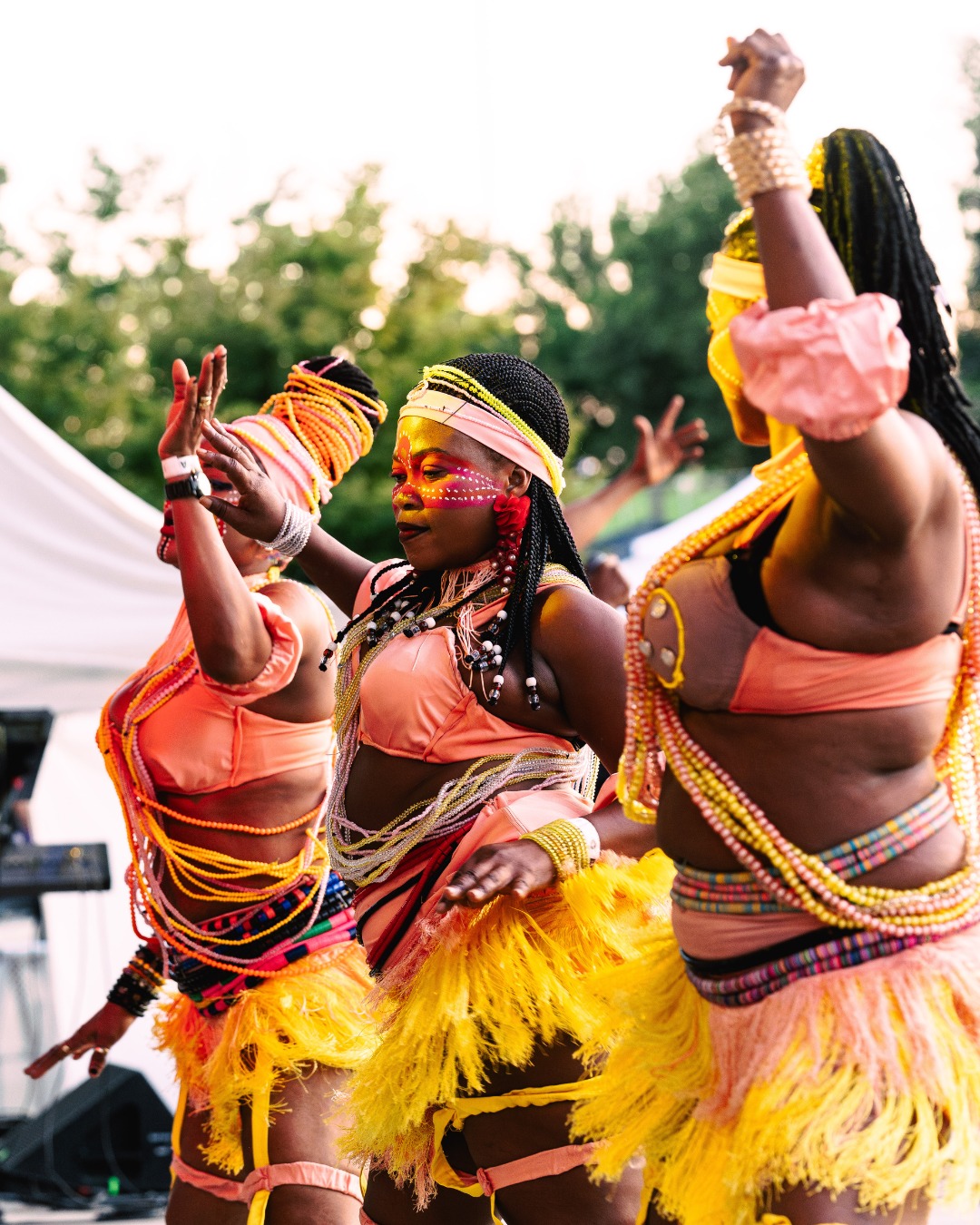
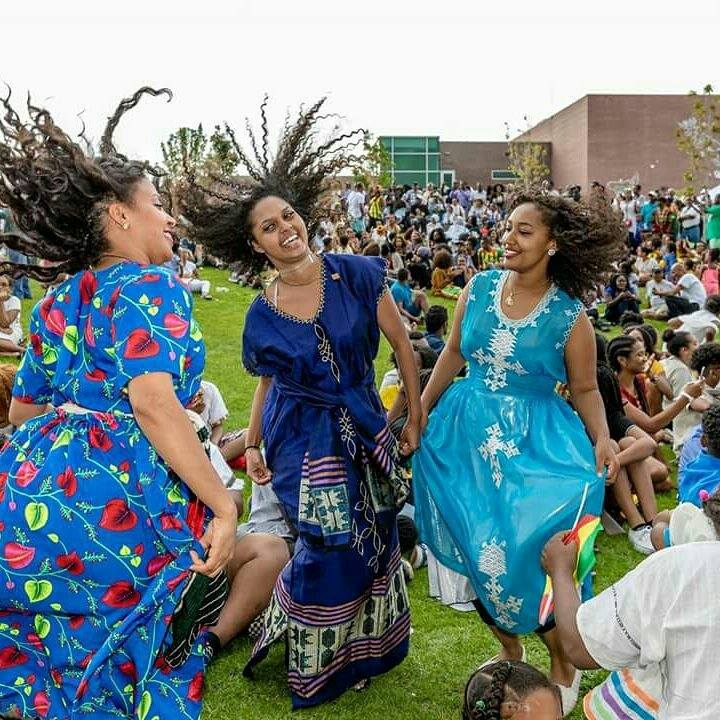
    After 10 years of unforgettable celebrations in the far northeast Denver (Montbello), the Taste of Ethiopia Festival is making a bold move to City Park, Denver’s most iconic green space. On Sunday, September 14, 2025, thousands will gather at the historic Pavilion and Bandshell for the 11th Annual Taste of Ethiopia Festival — a free, family-friendly, dog-friendly event showcasing the food, music, and culture of one of Colorado’s largest immigrant communities.

    For the past decade, the festival has been held on the first weekend of August, but this year’s date has been chosen to align with the Ethiopian New Year (Enkutatash), which falls on September 11th.  As Ethiopia celebrates the start of the year 2018 in the Ethiopian calendar, Colorado’s Ethiopian community will share its traditions with the entire city, adding a deeper layer of meaning to the celebration.

    While the rest of the world is already living in 2025, Ethiopia is still in 2017 — because it follows its own ancient calendar, which runs 7–8 years behind the Western Gregorian calendar and includes 13 months. This unique system has captured global attention and makes celebrating Enkutatash in Denver all the more remarkable.

    Taste of Ethiopia has grown to be more than just a festival—it’s a year-round movement powered by the Taste of Ethiopia Heritage Foundation. For over a decade, they’ve used food, culture, and celebration as powerful tools for connection, healing, and empowerment.

    From community health fairs and economic access programs to youth mentorship and immigrant leadership initiatives, their work has built bridges across communities and generations, with a strong focus on health equity and culturally rooted care.

    At the annual festival, this mission comes alive—welcoming thousands to experience the rich heritage of Ethiopia while connecting with vital civic, health, and entrepreneurial resources.

    For over a decade (since 2013), Colorado’s Taste of Ethiopia Festivalhas grown into one of Colorado’s largest cultural festivals, drawing people from across the region. The Ethiopian community — the second-largest immigrant population in metro Denver — has become an integral part of Colorado’s identity, weaving ancient traditions into the state’s vibrant cultural tapestry.

    We are thrilled to begin a new chapter at City Park,” said Nebiyu Asfaw, Chairman and Co-Founder of the Taste of Ethiopia Heritage Foundation. “This move allows us to accommodate the incredible growth of the festival, welcome more of our neighbors, and celebrate both our 11th year and the Ethiopian New Year with the entire Colorado community.”

    Over the years, the Taste of Ethiopia Festival has received dozens of media features across Colorado, reflecting its impact as one of the region’s most vibrant cultural celebrations.

    These features showcase not only the food and cultural richness of the festival but also its broad public appeal and strong community support. Local and national outlets consistently highlight the event as a must-attend Denver tradition, with TV stations even hosting in-studio segments featuring Ethiopian food and cultural demonstrations.

    The Taste of Ethiopia Festival has also been formally recognized for its community impact. In 2024, the Mayor and City of Aurora issued a proclamation honoring the festival’s 10th Anniversary, and the Denver City Council unanimously passed a resolution celebrating the festival’s contribution to the cultural life of the city.

    That same year, the Colorado African Chamber of Commerce named the Taste of Ethiopia “Nonprofit of the Year.”
  • Ambassador64 – A Essay Series Celebrating Community Voices Across Colorado

    Ambassador64 – A Essay Series Celebrating Community Voices Across Colorado

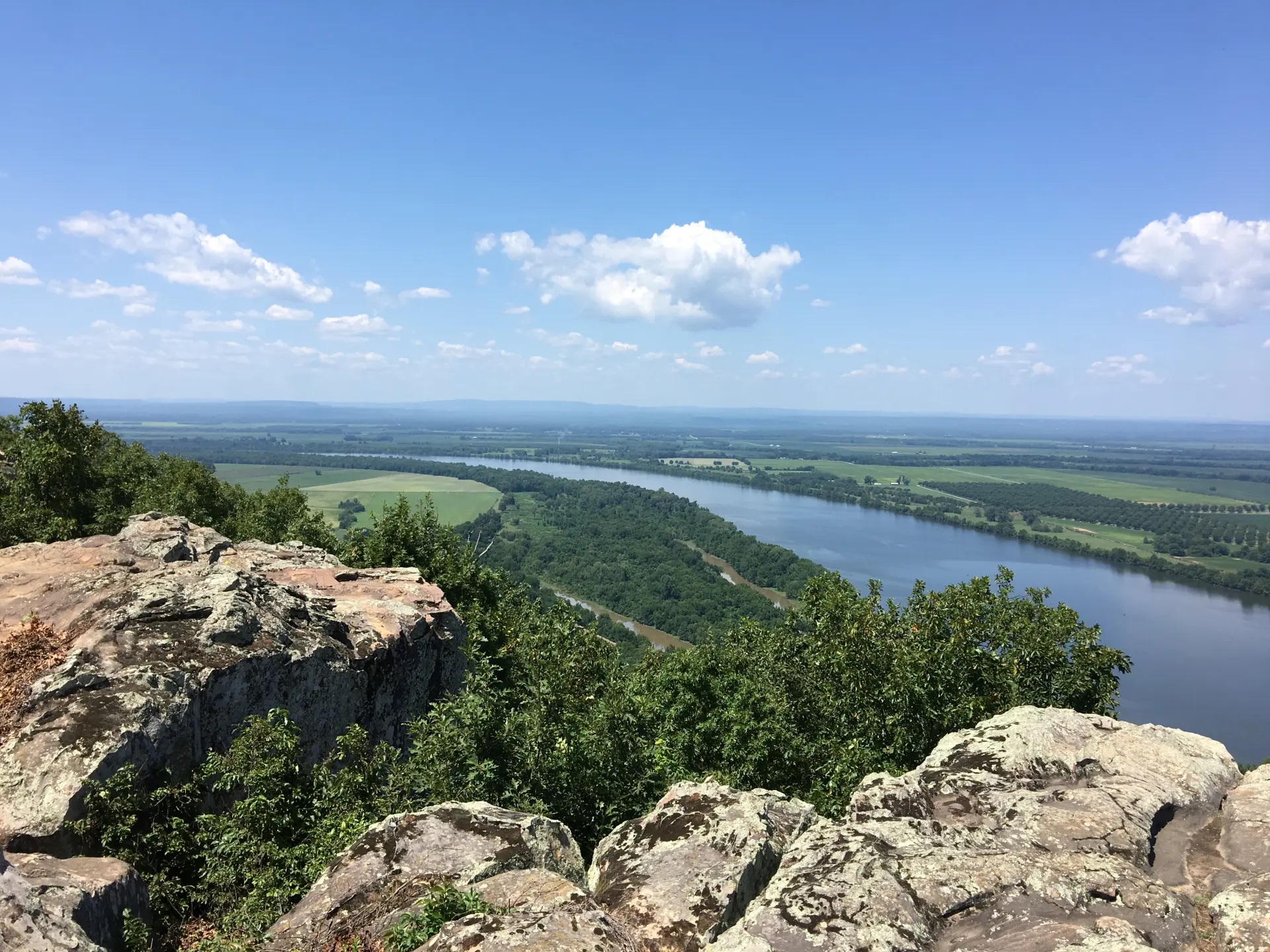
    Notes from The Arkansas River Valley


    This submission is written by Phil Helfrich of Salida, CO where he muses about hiking in a canyon with his dog in early fall; “having fun, riffing to myself on what I see on the wonderment of this hidden place.”
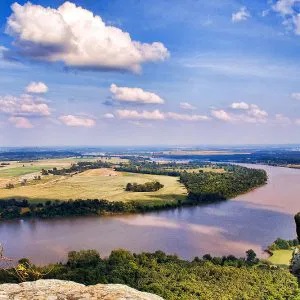
    A stone’s throw from the Arkansas River, the Howard Colorado Cemetery awaits its next tenant. The cemetery rests under the snowy shoulders of the Sangre de Christo Mountains. These serrated fourteeners knife into the sky across the valley. Rumor has it a chest of 1880’s Spanish gold remains stashed in a secret cave in those hills.

    A dirt parking area is empty when I arrive. Sticky burrs are the dominant plant species. Latino and Spanish names headline many of the gravestones. 1867 was the earliest date I saw on a marker. That was a big stone with HOWARD–the Town’s founder– etched into it.

    There’s a pea-gravel walkway to a large monument near the back fence. A bench and an elm invite a visitor to sit and ponder the Fates. Homemade remembrances decorate some graves. A black and white period photo. A wooden wagon wheel. A weathered handmade doll. Some graves say their piece on flat bronze nameplates fastened to the ground. A number of monuments honor World War 1 and 2 veterans, rank and branch of service noted. There’s a trail behind the cemetery that leads to a dry stream bed. Follow it and you’ll be flanked by monolithic volcanic rocks sanded flat and smooth by the elements–unmarked headstones for critters who have perished here.

    Horse droppings decorate the stream bed. I like to think the horses are descendants of the steeds the Spanish rode when this area was a Spanish land grant. Footprints not mine indent the sandy trail. One stands out. Big foot lives. Headed back and up the canyon, rock art decorates the trail. There’s stacked rocks. Rocks in tree limbs. Rocks balanced on end. Small concentric rock circles within larger rock circles. Enthusiasts train here. There’s a televised competition in the fall.

    Ascending as you go into the canyon, rock climbing and scampering skills are rewarded. So too biking gloves, hiking boots and a Moses staff to deflect face-gouging spring-loaded tree branches. Both sides of the canyon are sheet-rocked by flat slabs of monolithic volcanic boulders, deposited here 300 million years ago when Mount Aetna–60 miles northwest–blew and shot a monster fireball fifty miles into the sky.

    I learned this from an online geology course taught by a local geologist. She said when the volcano exploded, all life east of the volcano to what is now the Kansas border, was obliterated. When the fireball came crashing back to earth near present day Buena Vista, it rolled down valley, scattering fiery chunks of itself everywhere as it re-arranged the valley furniture. Equilibrium punctuated by sudden catastrophe. Nature’s way.

    “There…how’s that look?”
    In the most romantic story I ever heard, my friend Matt proposed to his gal in this canyon. There’s a cove twenty minutes in. Matt hid the engagement ring beforehand, had dinner cooking, then popped the question. “Honey, do you mind cleaning up the dishes?”

    Leaving the hideaway, me and Ms. Molly trudge up canyon. The creek bed narrows. Discoveries expand. Twisted barber pole dead cedars advertise a shave and a haircut ahead. Climbing up one last ledge, golly Bill, it’s a flat smooth sandy walkway. Matt tells me just a tad further–two week walk tops–a side passage opens on the left where a boy and his beagle can return to the cemetery via a parallel canyon. We abandoned the search for that passage when the sun started to set. The hike back down is easy except for ankle sprains and cartilage tears. Those don’t seem that big of a deal when the last landmark you see is the cemetery. There are 167 marked graves in the cemetery, including that of Jonah Peregrine, who’s believed to be the first settler in these parts. He arrived from Tennessee in 1871. Built a house here on 16 acres.

    The cemetery was once a stagecoach stop on a wagon road that led to Leadville. That was back when this area was called Nice Valley.

    Still is.

    Rocky Mountain Public Media, the home of Rocky Mountain PBS, KUVO JAZZ and THE DROP 104.7, has developed a partnership with Colorado Ethnic Media Exchange to launch this monthly essay series, as part of our vision to co-create a Colorado where everyone feels seen and heard. These stories are sourced from community members across the state—told in their own words and selected from our 64-county community ambassador program. They are not editorial products of our journalism team but are first-person reflections on life in Colorado – building bridges through empathy. To learn more about all of our brands and content, check us out at https://www.rmpbs.org/about.

    We Want to Hear from You

    We’re inviting community members across the state to share their own stories of living in Colorado —of identity, discovery, and what it means to belong.

    Tell us about a moment or a place in Colorado that changed how you see yourself or your community.

    Share your reflections at ambassador64@rmpbs.org

    This is part of Ambassador64, our statewide listening initiative to ensure public media reflects the voices of all 64 counties in Colorado—starting with yours.

  • 9th Annual Colorado Dashiki Fest with Femi Kuti & The Positive Force

    9th Annual Colorado Dashiki Fest with Femi Kuti & The Positive Force

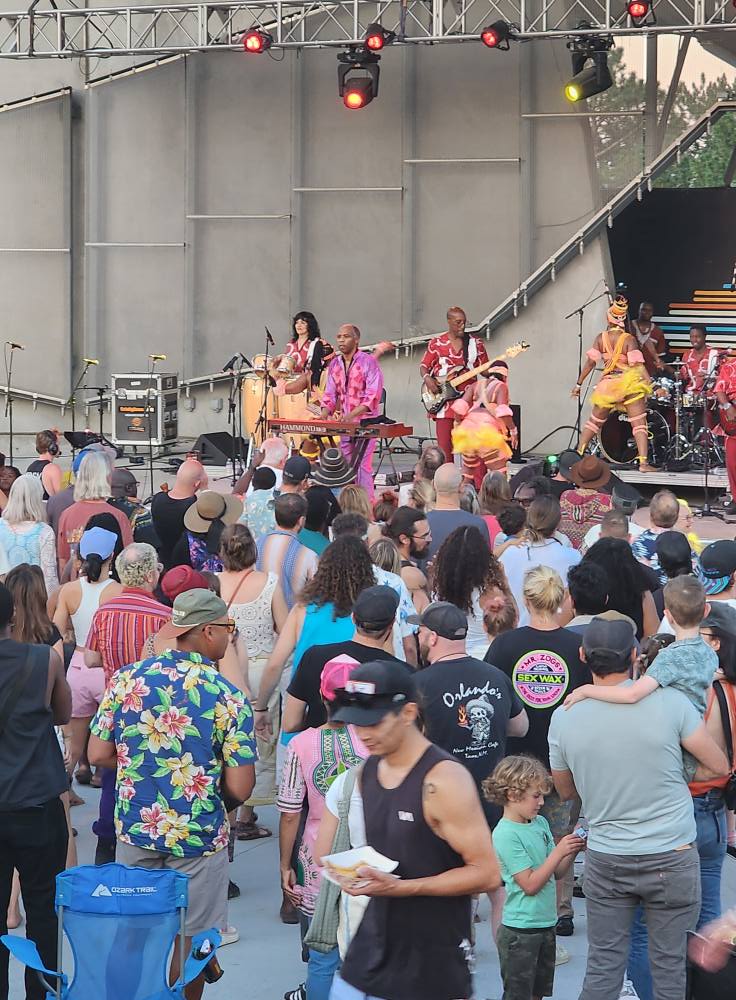
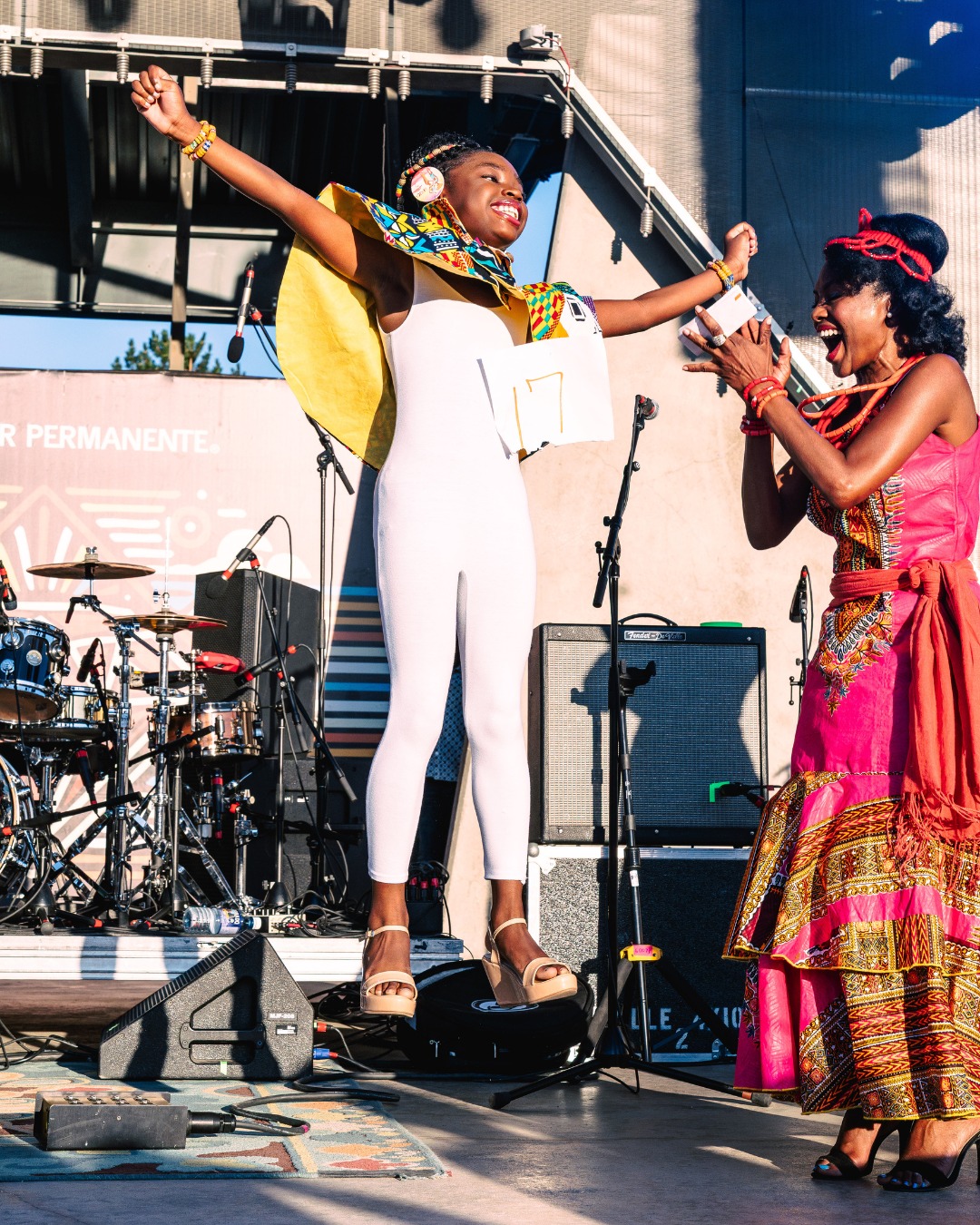
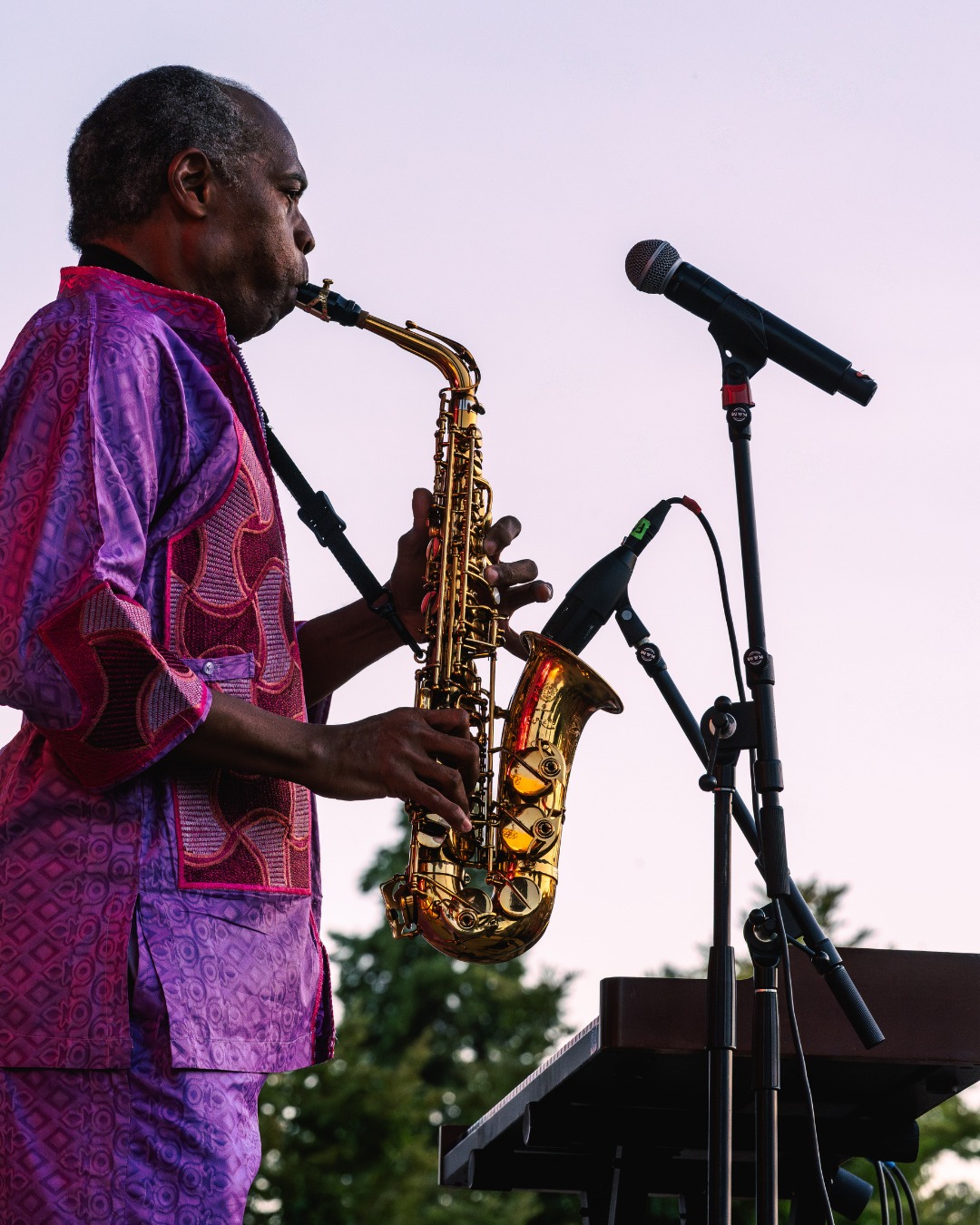
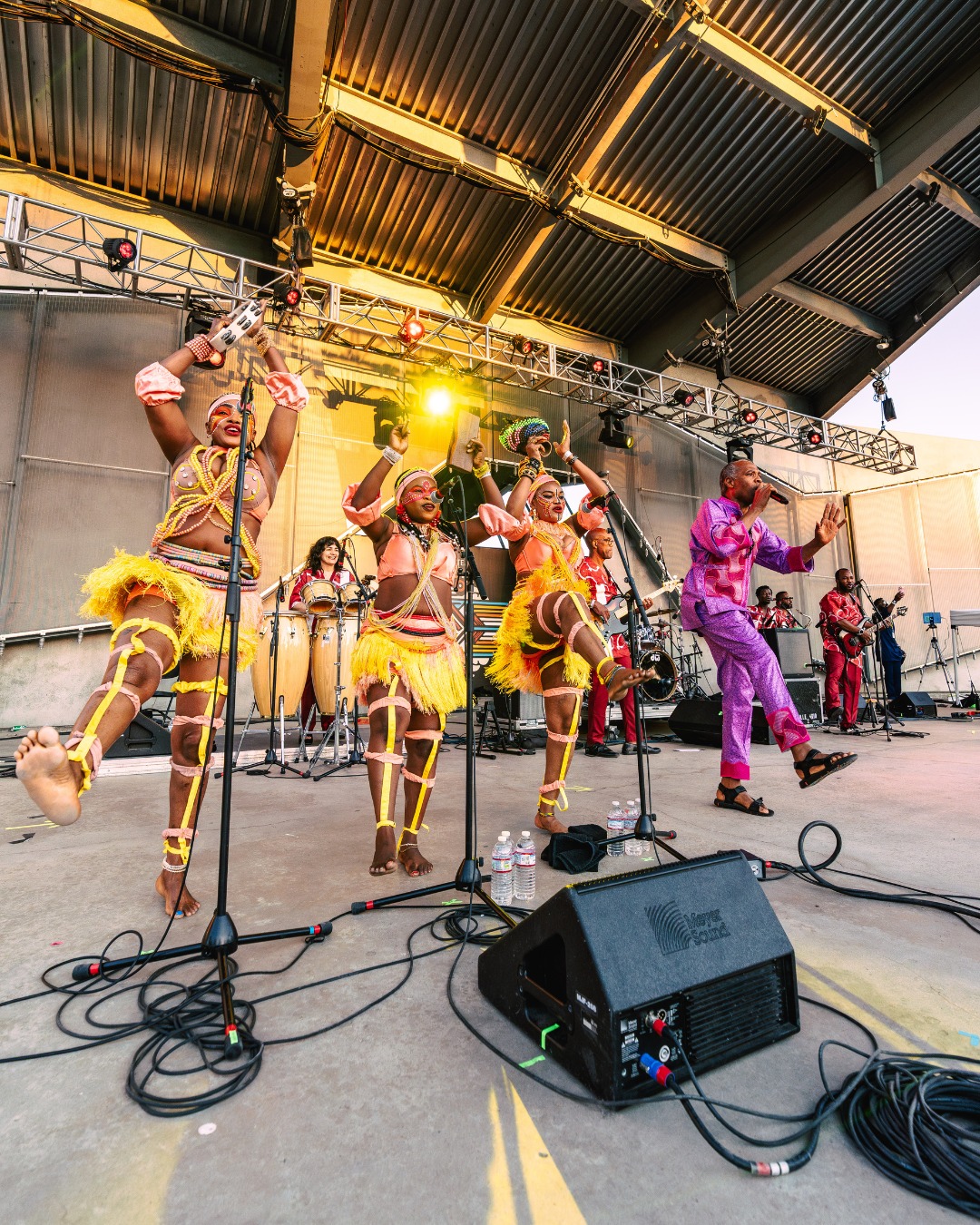
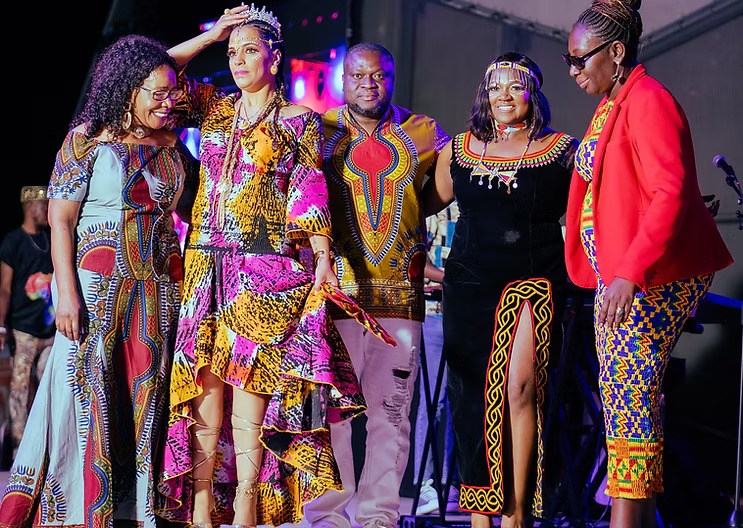
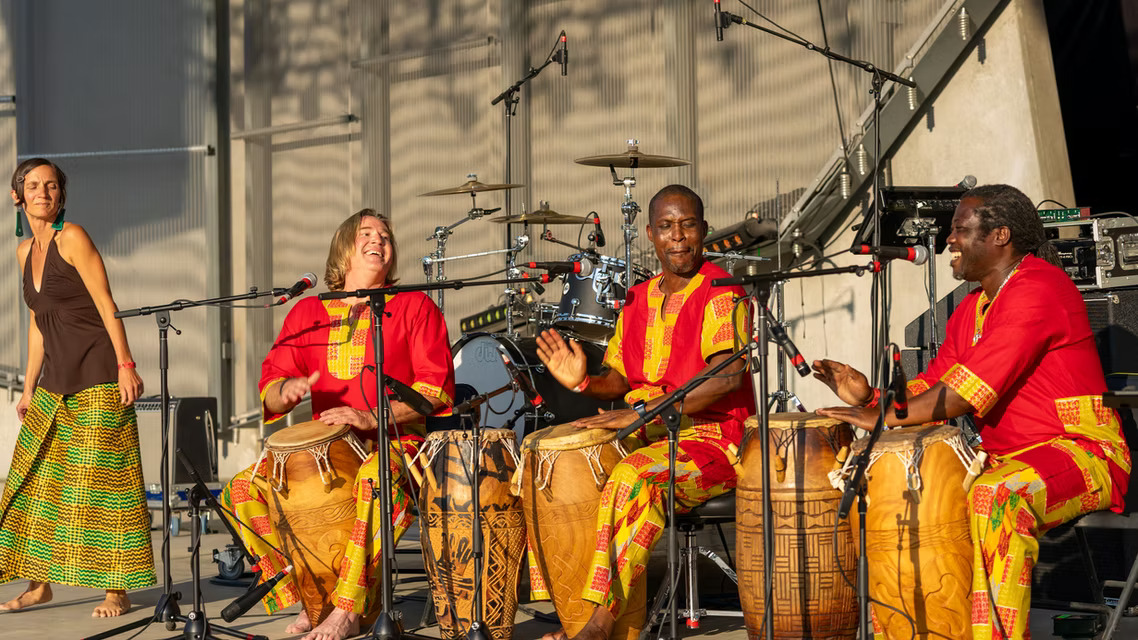
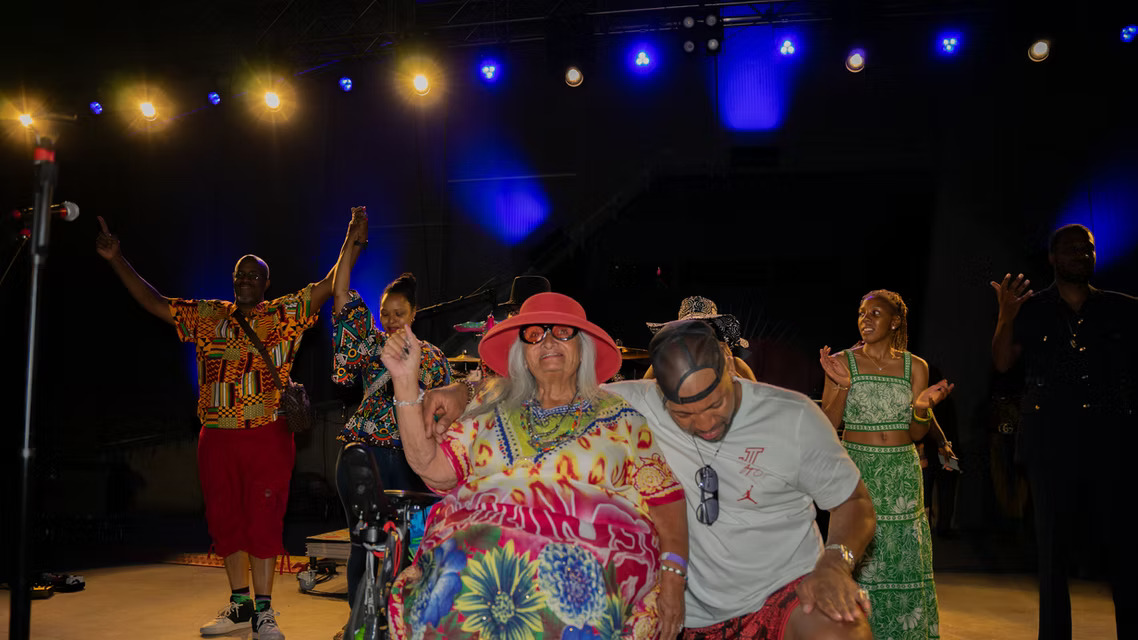
    The Dashiki Festival, stands as a vibrant celebration of African heritage. This dynamic cultural event is meticulously crafted to encompass every facet of African culture. The 9th edition of the event was held recently at the Levitt Pavilion in Denver with Femi Kuti, son of Afrobeat legend Fela Anikulapo-Kuti as the headline act.

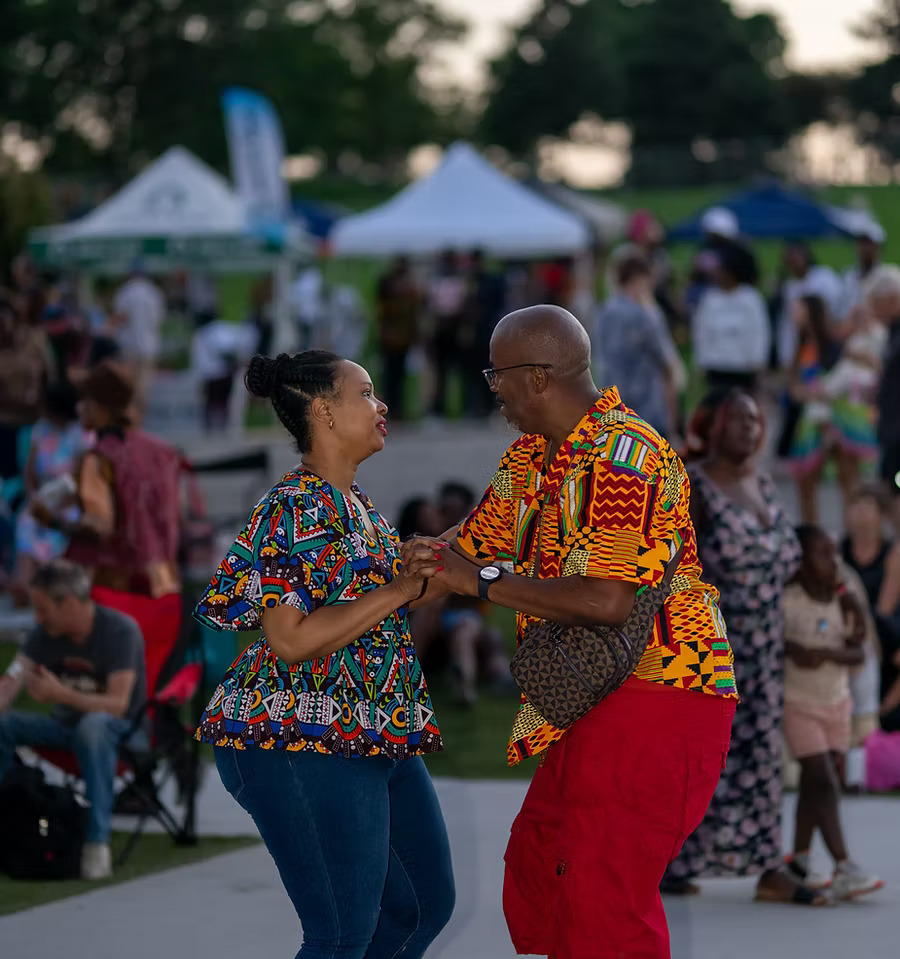
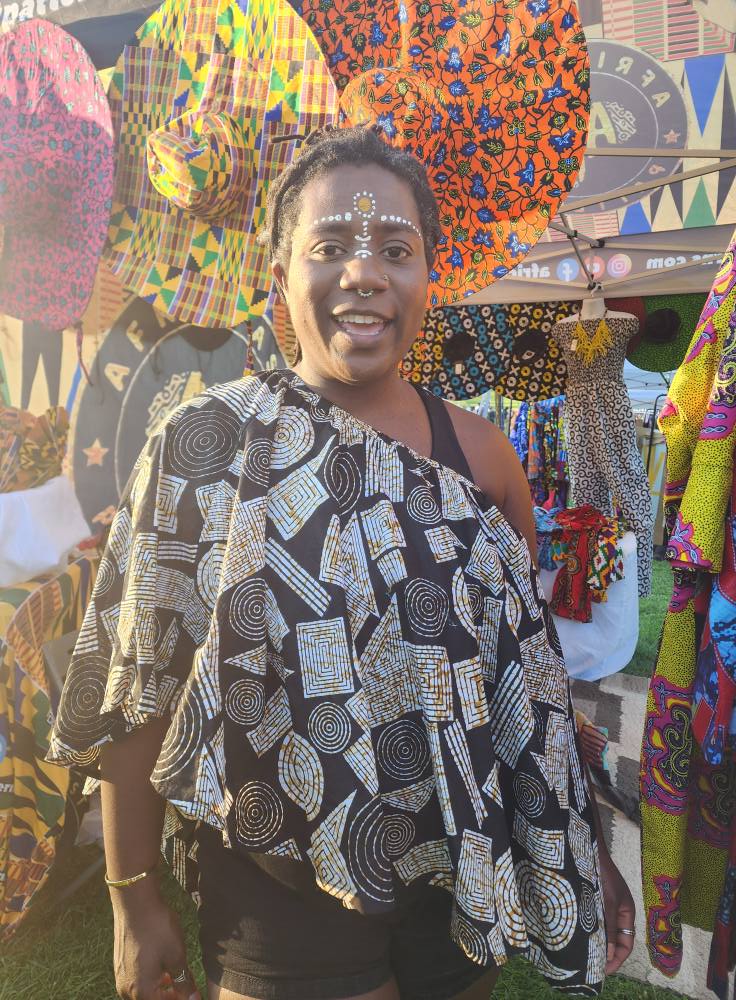
    The Colorado Dashiki Festival is a dynamic event that honors African heritage while embracing diversity and unity within the community. It’s a colorful extravaganza where people of all backgrounds come together to celebrate the rich traditions, music, dance, fashion, and cuisine of African and Afrocentric cultures.

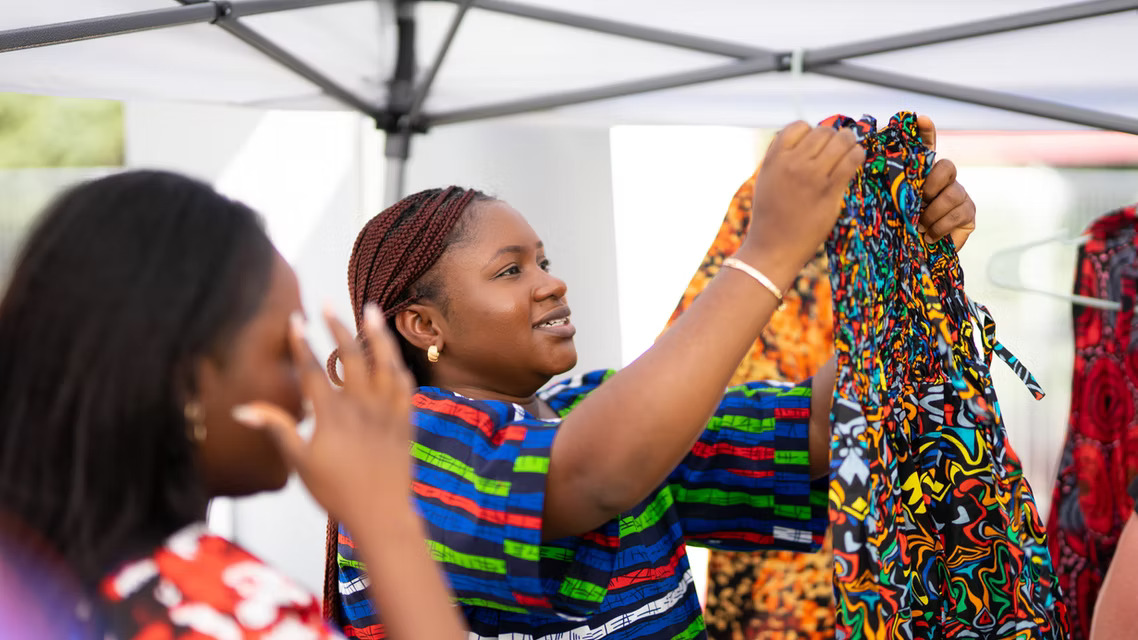
    The festival showcases African music, captivating cultural performances, delectable African cuisine, and a showcase of African arts, culminating in a spectacular African fashion show. Attendees immerse themselves in the festivities by donning African attire, adorned with traditional jewelry and prints.

    Throughout his prolific career, Femi Kuti has stood as a powerful voice for justice, carrying forward the revolutionary Afrobeat legacy pioneered by his father, Fela Kuti. Known for his unflinching critiques of political corruption and social inequality, Femi’s heady mix of funk, jazz and highlife has always been a tool for resistance and change.

    Femi began his career as a member of Fela’s legendary band, Egypt ’80, and briefly stepped into the role of front man when his father was imprisoned on fabricated charges in 1984. In 1986 he left to create his own band Positive Force, and has been forging his own style of Afrobeat ever since, adding doses of R&B, rock, and hip hop to the traditional Yoruba rhythms and jazzy horns. Lyrically, however, his focus has remained firmly on issues of power, oppression, and social injustice, and his activism has extended beyond music through collaborations with organizations like Global Citizen and his role as a UNICEF goodwill ambassador.

    Below are some images from the festival.

  • Introducing Ambassador64 – A New Essay Series Celebrating Community Voices Across Colorado

    Introducing Ambassador64 – A New Essay Series Celebrating Community Voices Across Colorado

    Afrik Digest is proud to announce its participation in Ambassador64, a monthly storytelling initiative launched in partnership with Rocky Mountain Public Media (RMPM) and the Colorado Ethnic Media Exchange (CEME). This groundbreaking collaboration reflects our shared commitment to co-creating a Colorado where every individual, regardless of origin, background, or zip code, feels seen, heard, and valued.

    Rooted in the belief that empathy builds bridges, Ambassador64 highlights personal reflections from community members spanning all 64 counties of our state. These essays are sourced directly from local voices through RMPM’s community ambassador program, bringing first-person narratives to the forefront of public dialogue. Though distinct from traditional newsroom reporting, these stories offer authentic glimpses into everyday life in Colorado, from struggles to triumphs, cultural pride to civic engagement.

    As a founding member of the Colorado Ethnic Media Exchange, Afrik Digest is honored to uplift these diverse perspectives. By sharing these experiences with our readers, we deepen our collective understanding, foster cross-cultural connections, and affirm that every story matters.

    Stay tuned for the first installment of Ambassador64, and join us as we continue to celebrate Colorado’s vibrant, resilient communities. We’re starting the series with a piece written by one of our team members, JJ Caric, who relocated to Grand Junction 2.5 years ago for a job with us and found so much more…

    To learn more about all of RMPM’s brands and content, check them out at: https://www.rmpbs.org/about.

    ______________________________________________

    Notes from The Western Slope- By JJ Caric

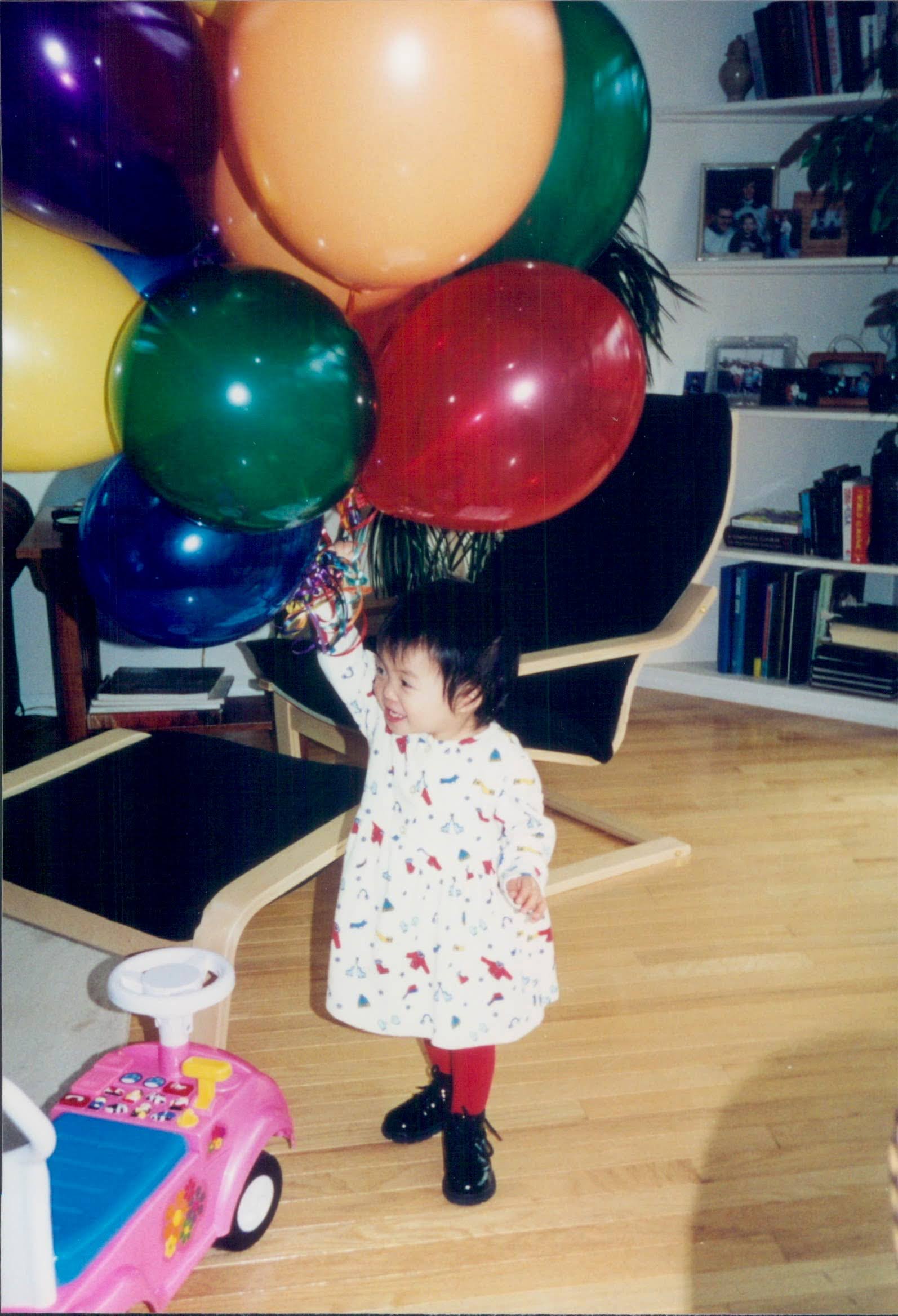
    I was born in May of 1997 in a rural town in Southern China. Time unknown, weight unknown. Length unknown and the first fifteen months of life- also unknown. In August of 1998, I was adopted by Italian and German parents from Pittsburgh, Pennsylvania. My parents were and are the best parents that could’ve adopted me. I found support in every corner of my life growing up.

    However, a timeline of my childhood, teen years, and still sometimes in my adulthood is the resistance and refusal to acknowledge my Chinese background. Jokes were made to my friends that I was 100% Italian and 0% Asian. Arguments were had between my mom and me about not wanting to go to Chinese dance class and instead go to cheerleading, or gymnastics, or any other activities like all the other girls my age attended.

    Growing up, I also only surrounded myself and became friends with white kids, thinking that was popular, mainstream, accepted, and beautiful. Not accepting my natural hair, I dyed it blonde from the age of 13 until this past year, when I was 28. During this time of life, I also resisted and hated living in Pittsburgh. Pittsburgh wasn’t a “real” city… I was destined for Los Angeles or New York City, which were the only cities where I applied to college. I ended up going to New York for my first year. Maybe it was the movies I watched as a kid, but ever since I was little, New York was like a fever dream. It was exciting, fast, entertaining, glamorous, and full of energy. Quite honestly, up until recently, the past three or four years, I think I was chasing what everyone else considered beautiful or “the dream.” It’s glorified on social media, magazines, and celebrity culture to look a certain way and live a certain lifestyle.

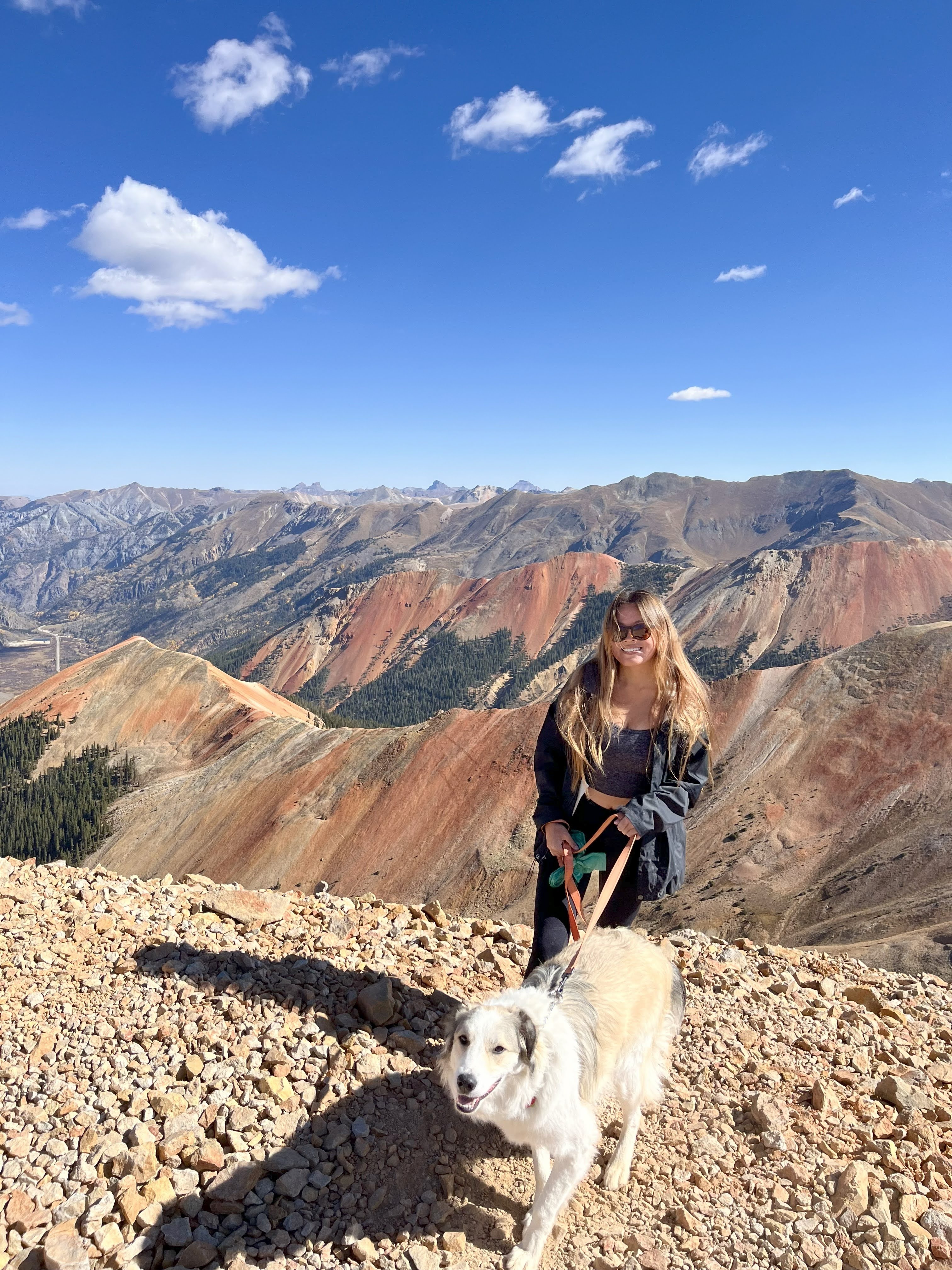
    Little did I know that two and a half years ago, my impulse decision to accept a job and move to Grand Junction, Colorado, would have everlasting and profound positive effects on the way I see myself and the world. To have a chance at happiness in Colorado, I decided to say yes to everything. Mountain biking, climbing, skiing, hiking, camping, you name it.

    I also decided to make friends with anyone and everyone I had a connection with. My first Asian friend was someone I met in my first week in Grand Junction. She’s still one of my closest friends today, and funny enough, she’s in New York now getting her Master’s.

    My time so far in this beautiful Rocky Mountain state has been beautiful, messy, confusing, and peaceful, and it has made me discover and meet myself for what seems like the very first time. Who knew, I do enjoy camping and skiing, and large city crowds actually give me anxiety. Who knew, I felt the most comfortable in my skin for the first time, so I decided to change my hair back to black. My Colorado journey is not over yet, but so far, my time on the Western Slope has been transformative in the most budding and blossoming way.

    ***

    We Want to Hear from You:

    We’re inviting community members across the state to share their own stories of living in

    Colorado —of identity, discovery, and what it means to belong. Tell us about a moment or a place in Colorado that changed how you see yourself or your community. Share your reflections at: ambassador64@rmpbs.org

    This is part of Ambassador64, our statewide listening initiative to ensure public media reflects the voices of all 64 counties in Colorado—starting with yours.

  • Colorado’s 150th anniversary: One year to go

    Colorado’s 150th anniversary: One year to go

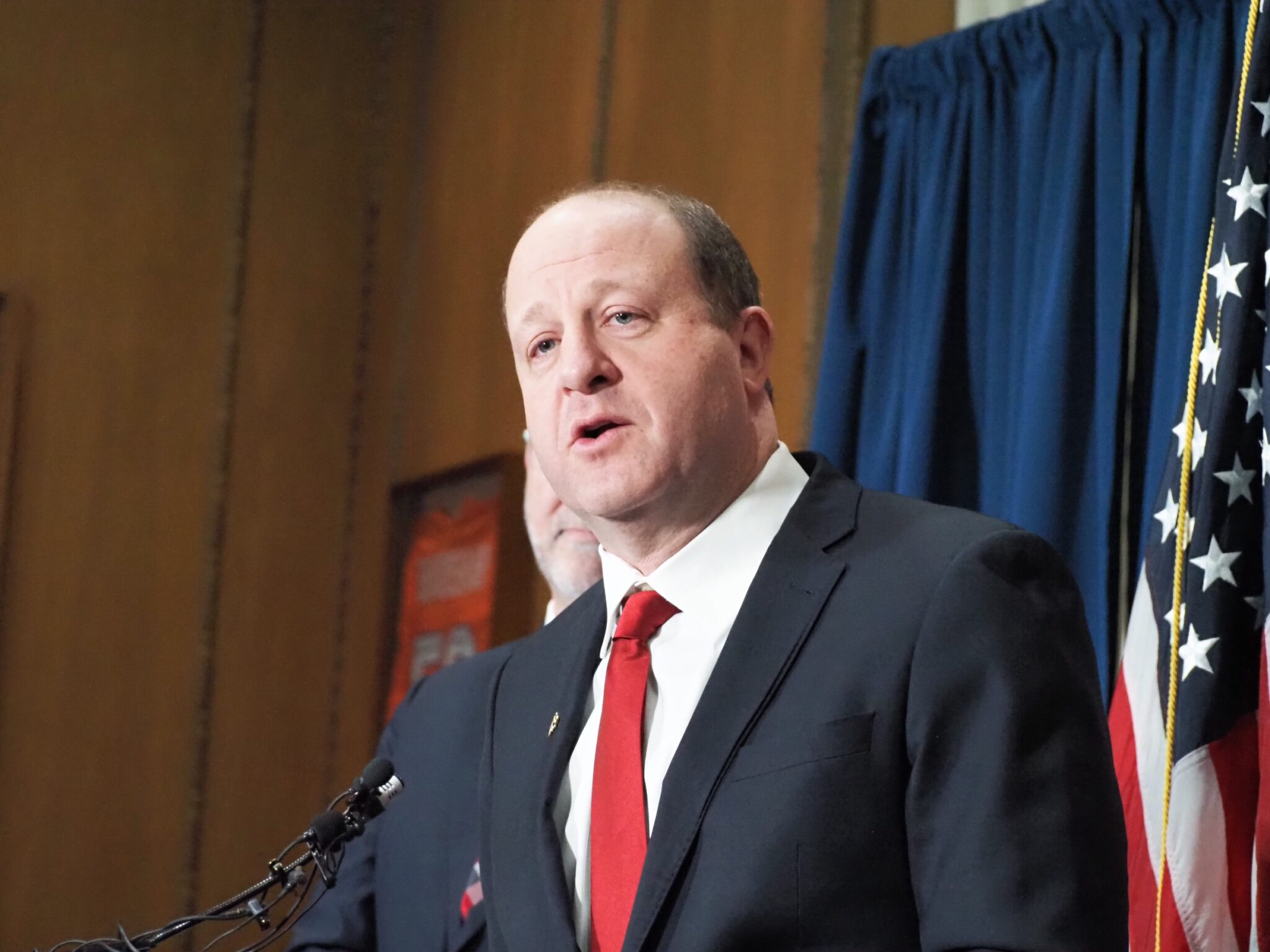
    Colorado Gov. Jared Polis. Credit:CPR

    Colorado’s 150th anniversary which has been tagged the Sesquicentennial will be celebrated in 2026, coinciding with the United States’ 250th anniversary. The America 250 – Colorado 150 Commission is leading the commemoration, encouraging Coloradans to reflect on the state’s history and future. There are various initiatives and events planned, including a statewide drone show series, a digital passport, and community-led celebrations.

    The America 250 – Colorado 150 Commission has already launched “The View From Here,” a campaign aimed at celebrating this special convergence in towns all over the state.

    Created in 2022, the 21-member committee consists of representatives from tourism, business, education, media and Colorado’s tribal communities.

    The yearlong celebration will include 150 new historic markers, school programs for Colorado’s students, community festivals and public art projects.

    The celebration will also be part of the national America 250 commemoration led by former presidents George W. Bush and Barack Obama, along with former First Ladies Laura Bush and Michelle Obama.

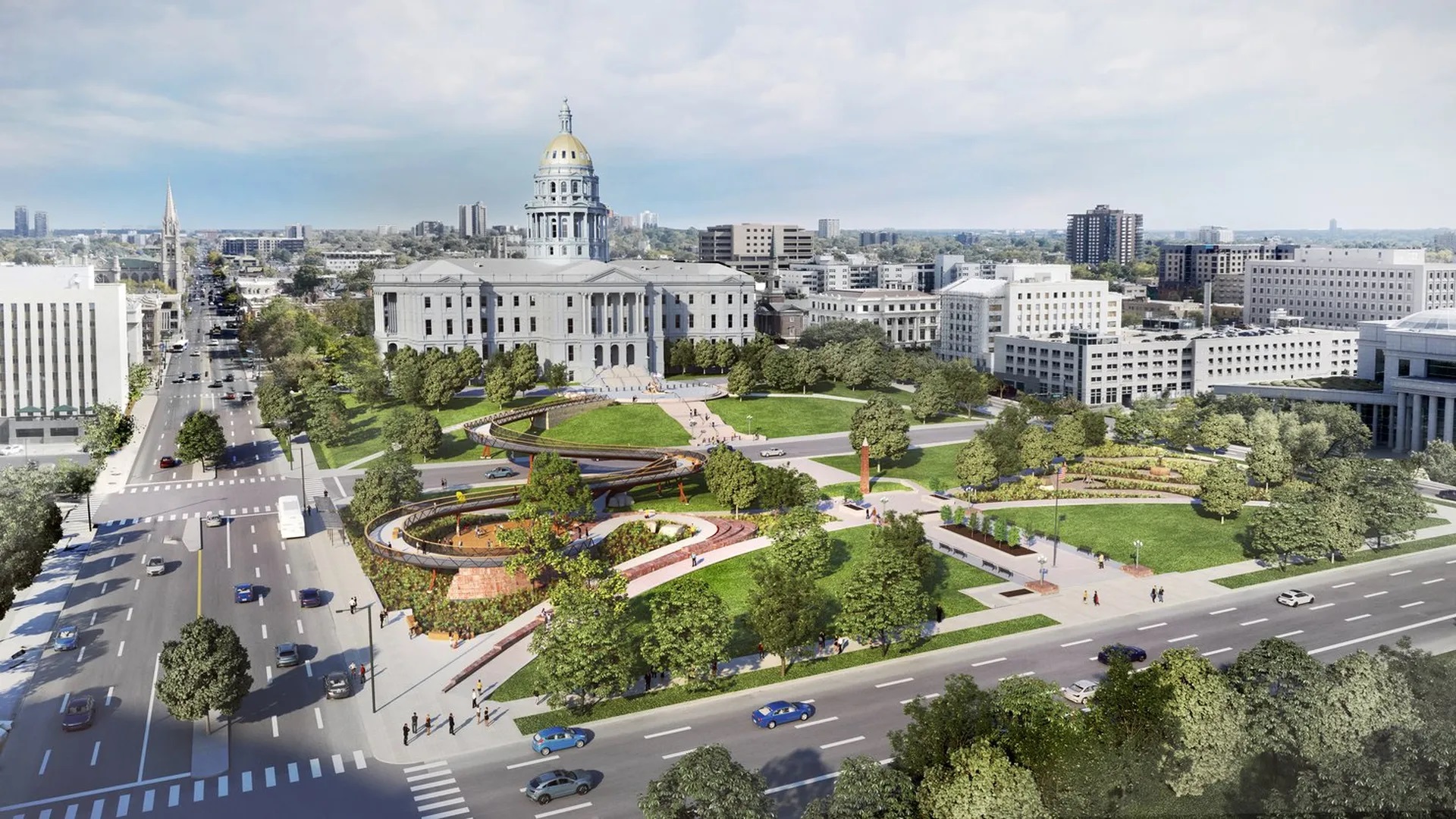
    One of the big ideas that the state brought forward was the construction of a proposed pedestrian walkway at the State Capitol. In early 2025, the state released concept renderings for an elevated pedestrian overpass across Lincoln Street, connecting the Capitol to Lincoln Veterans Memorial Park as part of the Colorado 150 and America 250 commemoration events.

    In November 2024, after many public meetings and months of planning, Governor Polis announced a vision for the Colorado 150 Pedestrian Walkway, an opportunity for Coloradans who visit the Capitol to enjoy a space that celebrates Colorado’s history through art and storytelling, while improving safety and increasing accessibility between the park and the Capitol. He says that much of the funding for the walkway would come from private donations.

    Polis even launched a statewide survey about the plans at co150walkway.com.

    A rendering of the proposed pedestrian walkway at the state Capitol. Credit: Colorado governor’s office

    The survey was meant to provide an opportunity for Coloradans to share opinions on whether the state should proceed with the proposed walkway as planned or at a smaller scale or not at all, if the state should direct its focus on making improvements to the park, if there are opportunities in other parts of the state, or if Coloradans want to celebrate the state’s Sesquicentennial at all.

    Just recently, Colorado overwhelmingly rejected Gov. Jared Polis’ plan to build a $29 million pedestrian bridge to mark the state’s 150th anniversary. Majority of respondents to the governor’s recent public survey said they do not even want any money spent on the occasion.

    Polis promptly revealed he would “stop the pedestrian walkway proposal in its tracks” after just under 94% of the Coloradans who filled out the survey said the walkway should not be built. Of the 87,686 people who took the survey, 82,313 opposed the walkway project.

    That however has not stopped the state from forging ahead with plans to make the 150th anniversary a memorable one.

    Coloradans can expect a wide array of community events, festivals, farmers’ markets, art exhibitions, and more throughout 2026. The America 250 – Colorado 150 Commission has also revealed that it will support educational initiatives that explore Colorado’s history and its place in the nation’s story.

    The commission also plans to provide grants and support for local communities to host their own events and activities.

    The Colorado Department of Agriculture is using the theme “Setting Colorado’s Table: 150 Years of Agricultural Legacy” for its celebrations. It aims to foster community engagement through shared meals and storytelling. The initiative will focus on five core themes: land, water, life, resilience, and celebration, which will guide various projects throughout the year.

    A highlight of the celebration will be a coffee table book that captures the rich history and stories of Colorado agriculture. This book will feature oral histories from local producers, ensuring that their voices and experiences are preserved for future generations. The project aims to connect the past with the present, inviting all residents to partake in the agricultural narrative of Colorado.

    The Colorado Division of Motor Vehicles also announced the state’s 150th anniversary license plates in 2023 which have been available for purchase since Aug. 1, 2023 and will be on sale until July 2027. For Colorado’s Sesquicentennial commemoration, two designs were selected via contests. The competition was dubbed as “The Great License Plate Contest,” which featured two divisions: Over 13 & Under 13. Coloradans voted in early 2023 on 10 design finalists for each division, resulting in 34,000 votes, in total.

    The last similar commemoration was held in 1976 to mark 100 years of Colorado statehood and 200 years of American independence.

  • Sights From The Colorado Black Arts Festival 2025

    Sights From The Colorado Black Arts Festival 2025

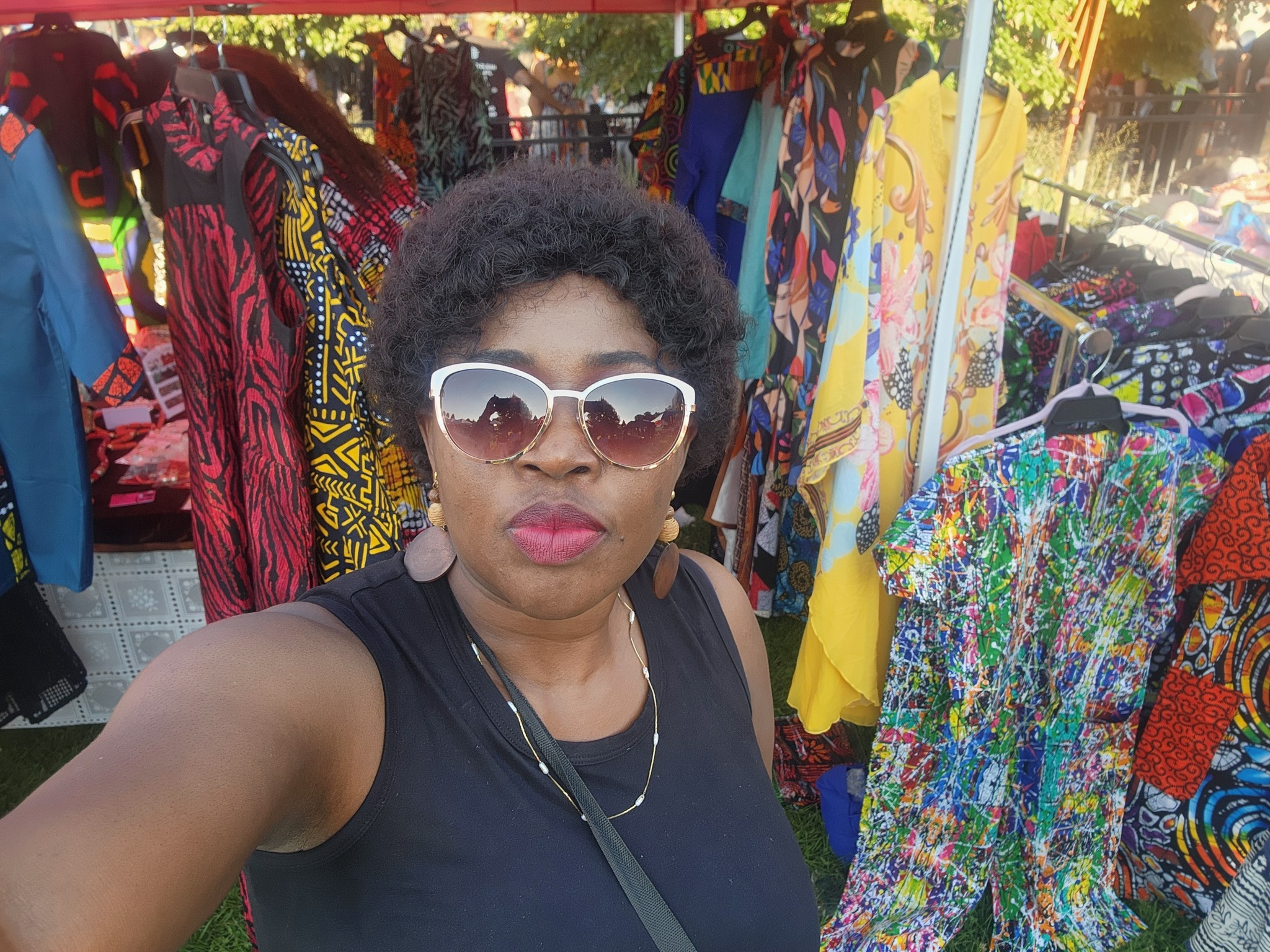
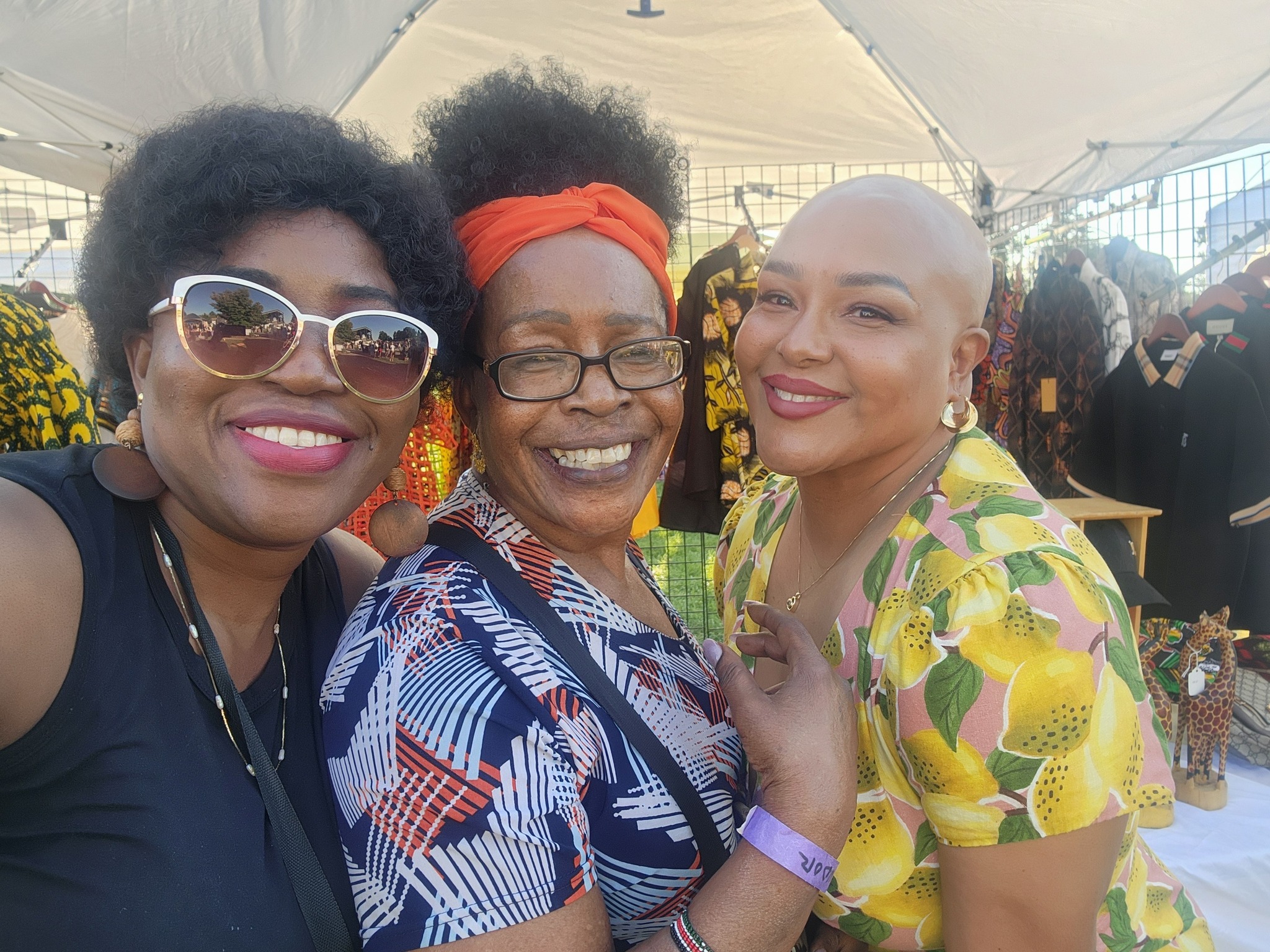
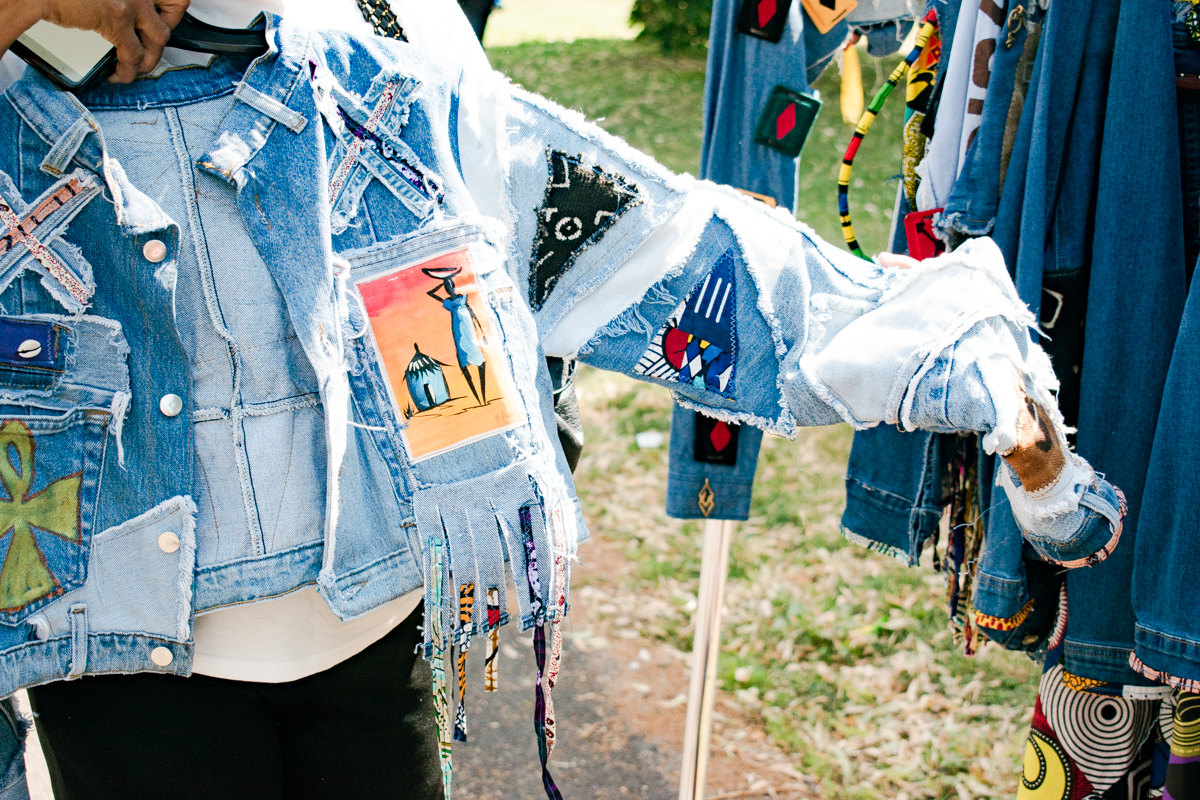
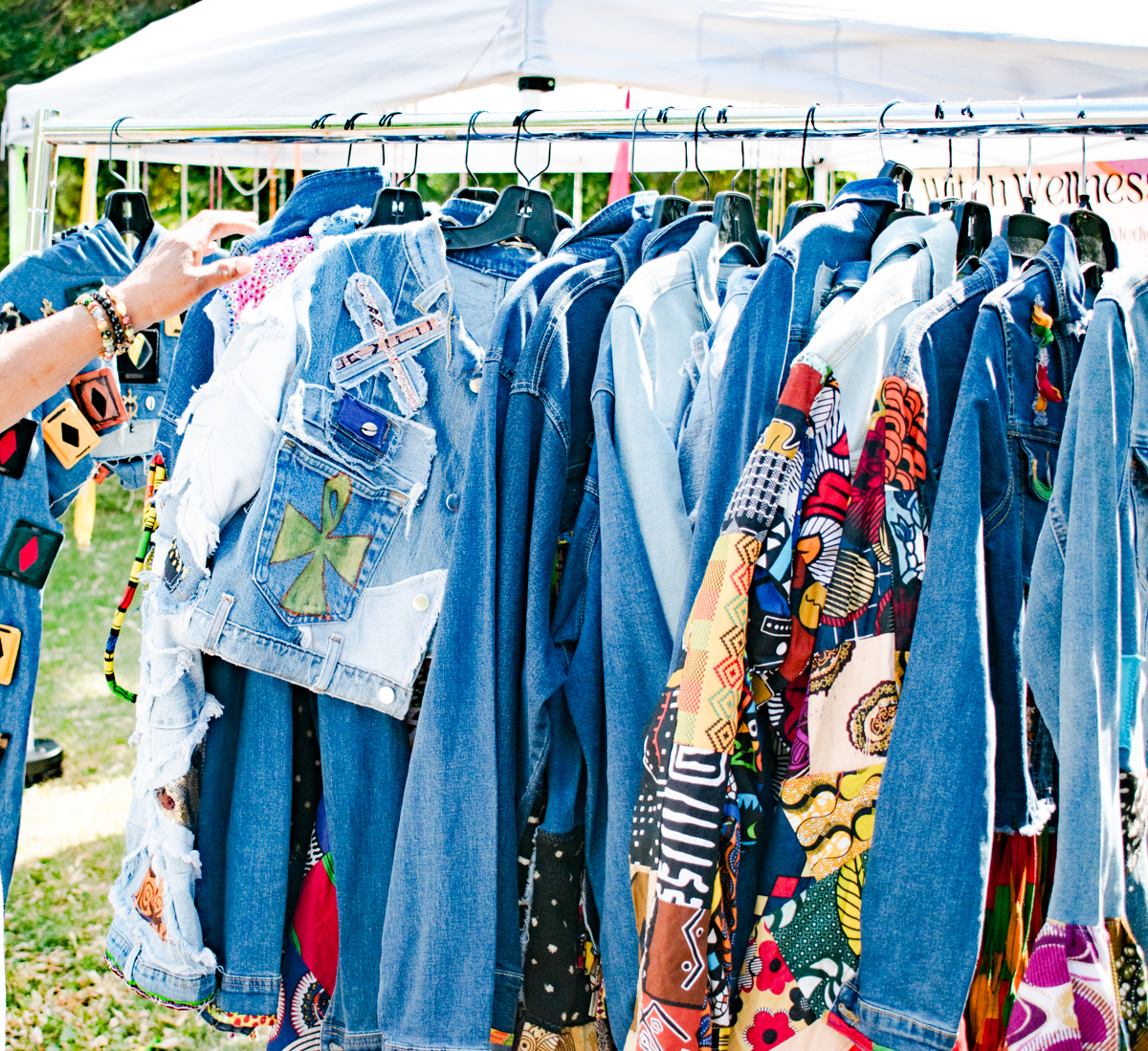
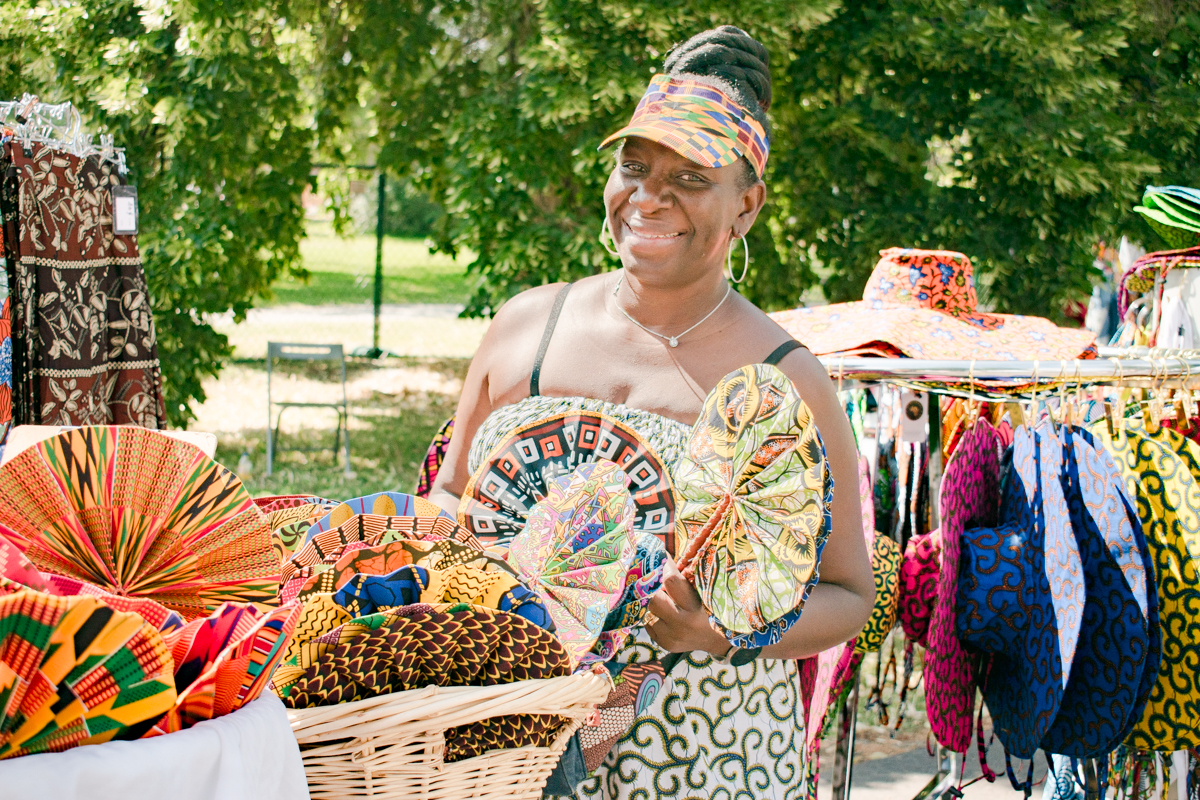
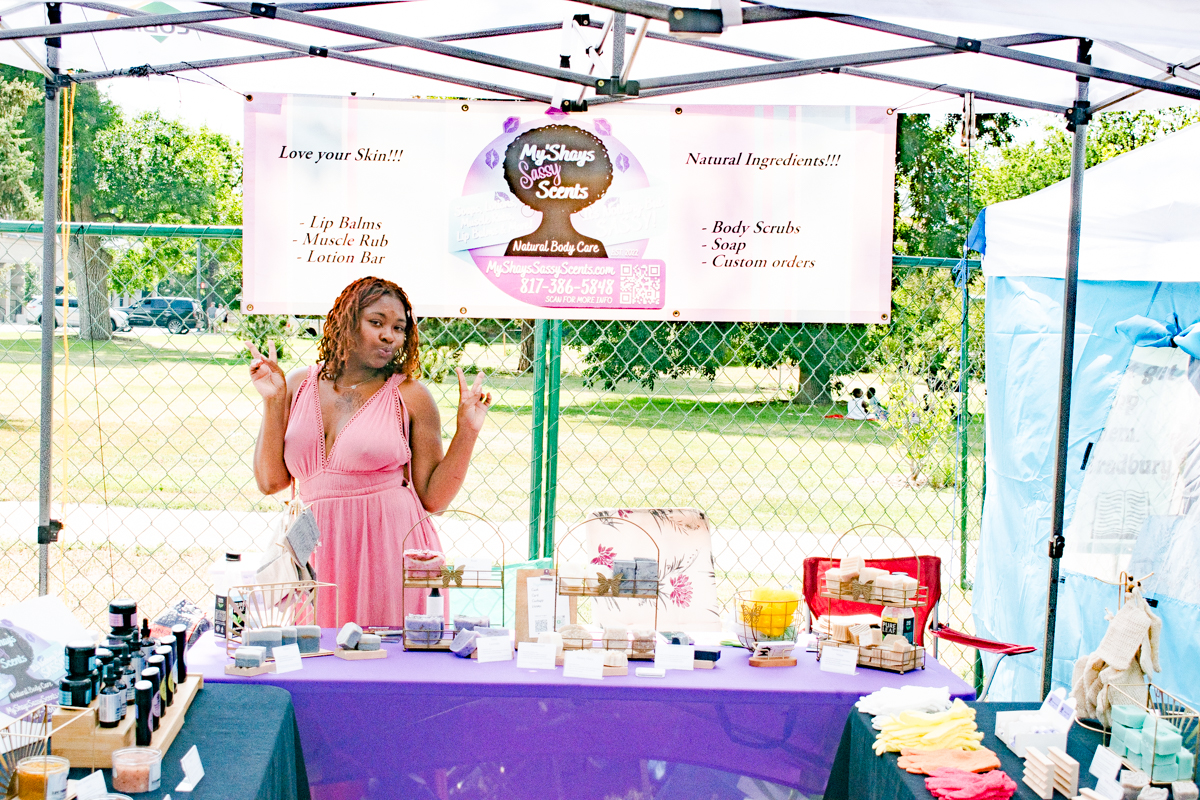
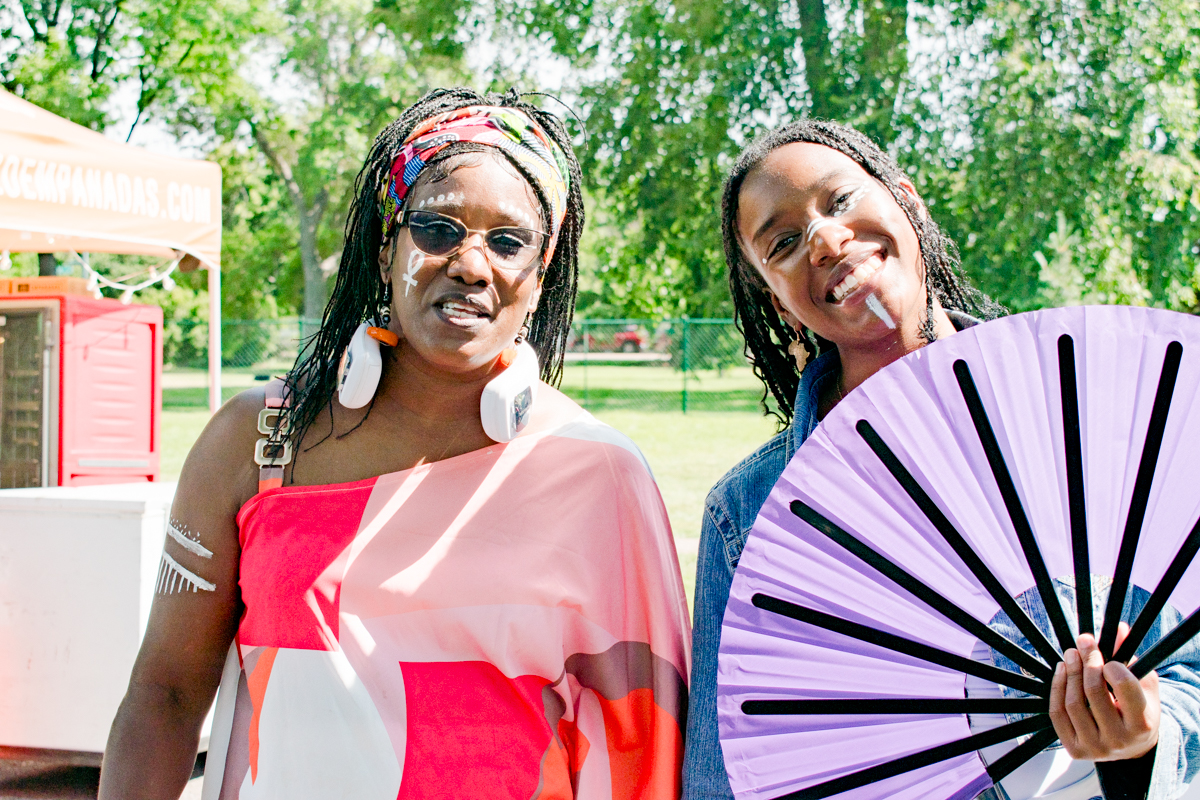
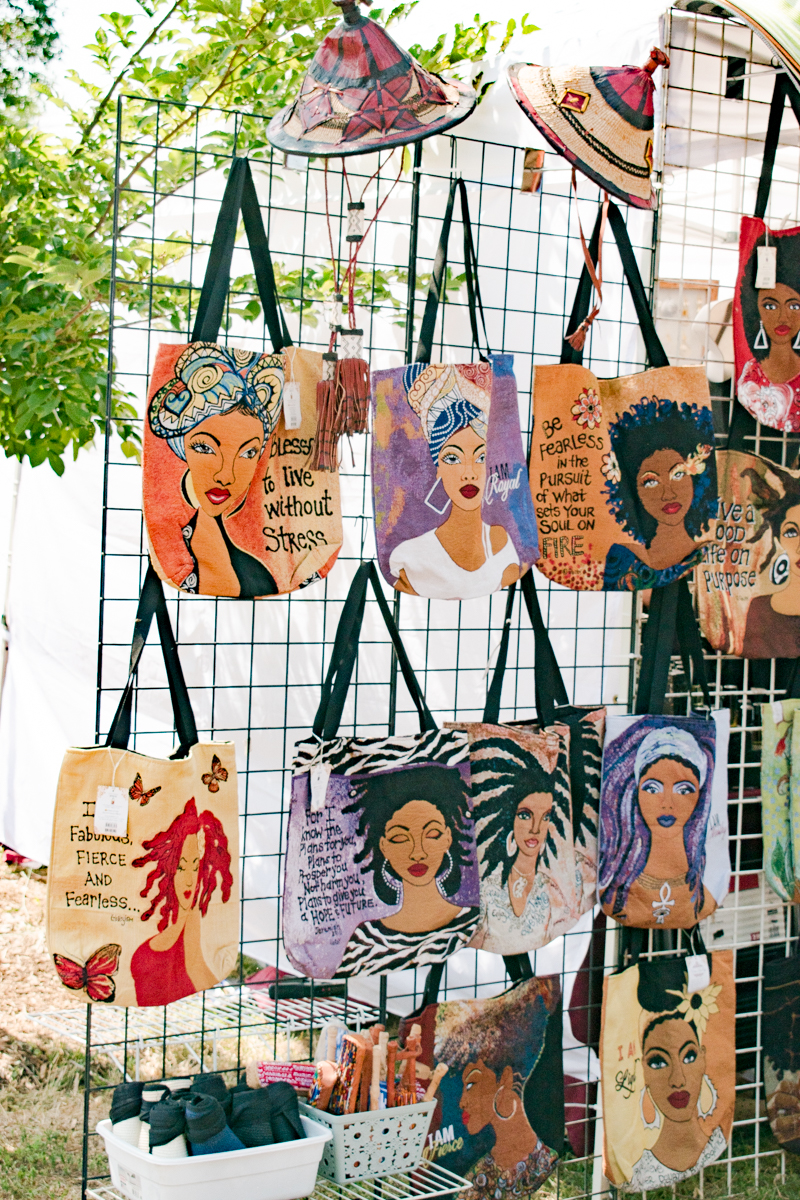
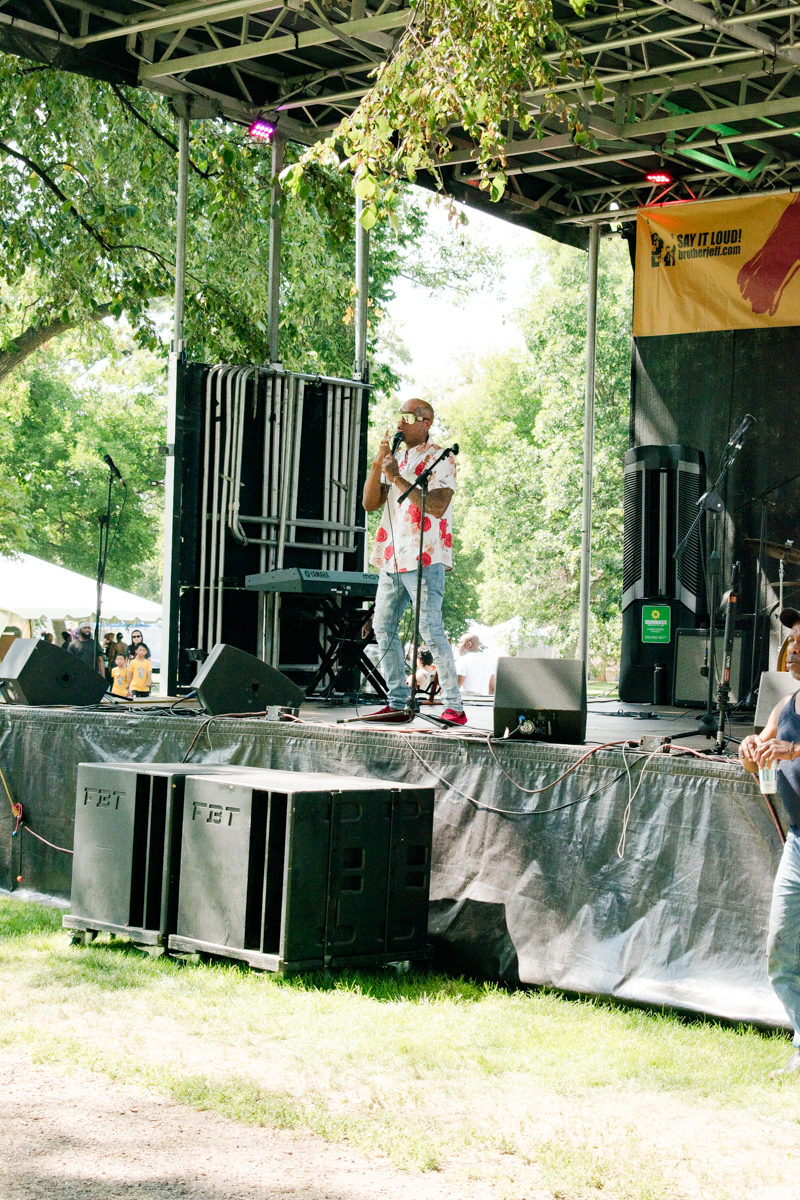
    The Annual Colorado Black Arts Festival was held at Denver’s City Park early in July. This free family-friendly event featured live music, various artisan makers and clothing vendors, food trucks, and local resource booths. One of the favorite features was the selfie art garden featuring large murals designed for taking selfies. Another great feature was a large, interactive community mural where attendees could express themselves artistically. In addition to leaving their artistic mark, attendees could peruse and purchase art from some of Colorado’s local artists. Below are some images from the event.

  • Denver Mayor Mike Johnston delivers his second State of the City address

    Denver Mayor Mike Johnston delivers his second State of the City address

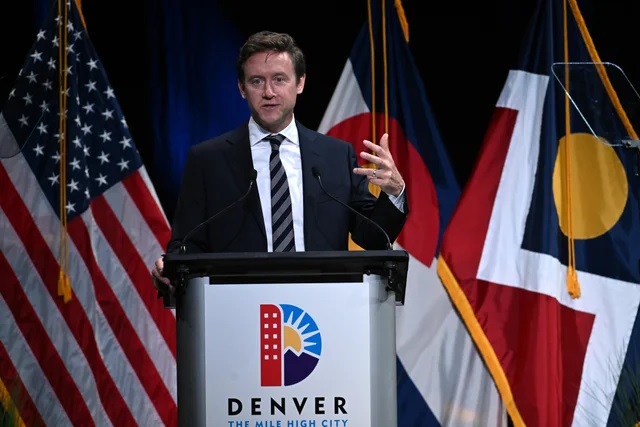
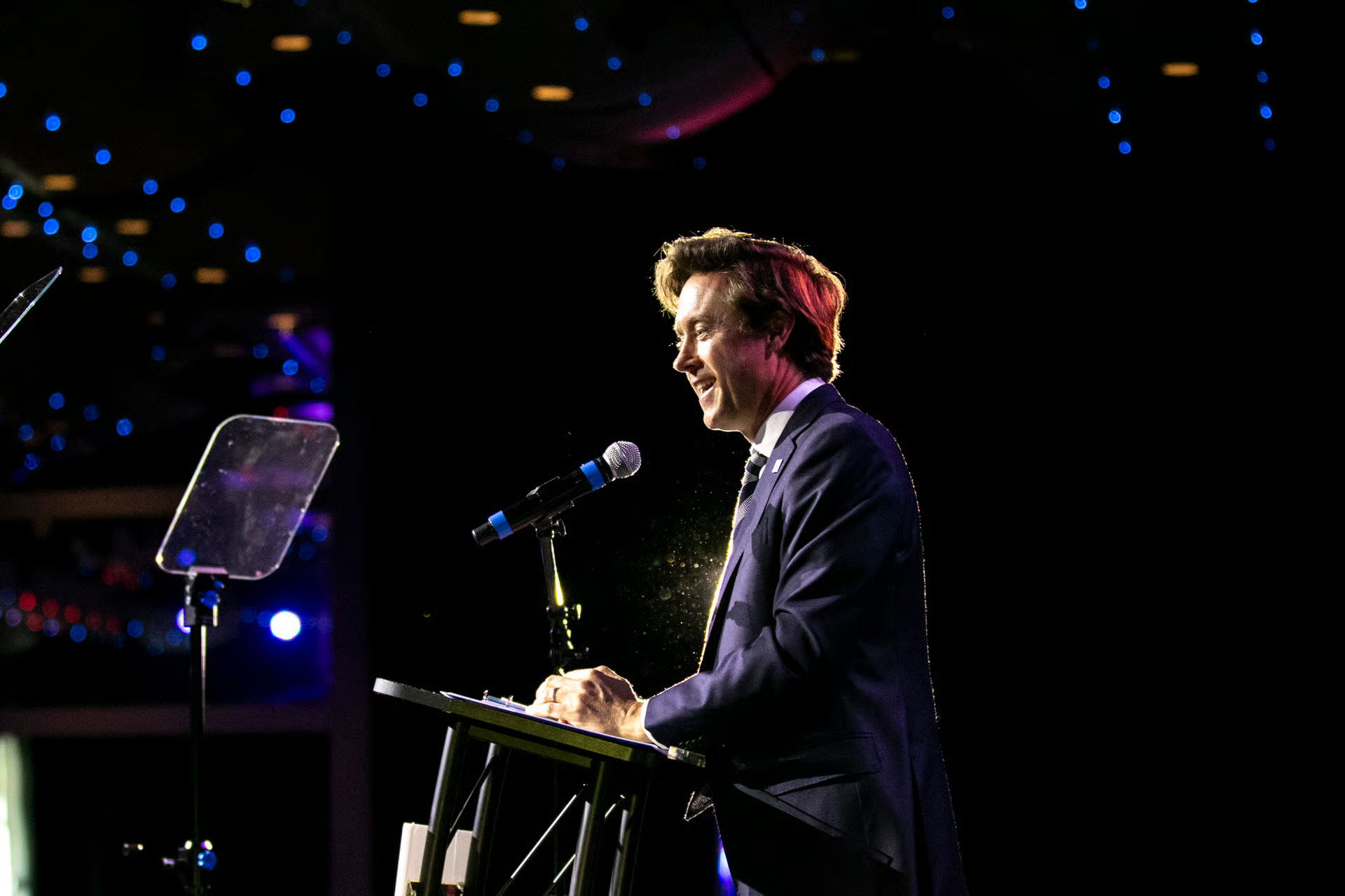
    Mayor Mike Johnston gives his second State of the City address, held this year at the Denver Center for the Performing Arts. Credit: CPR
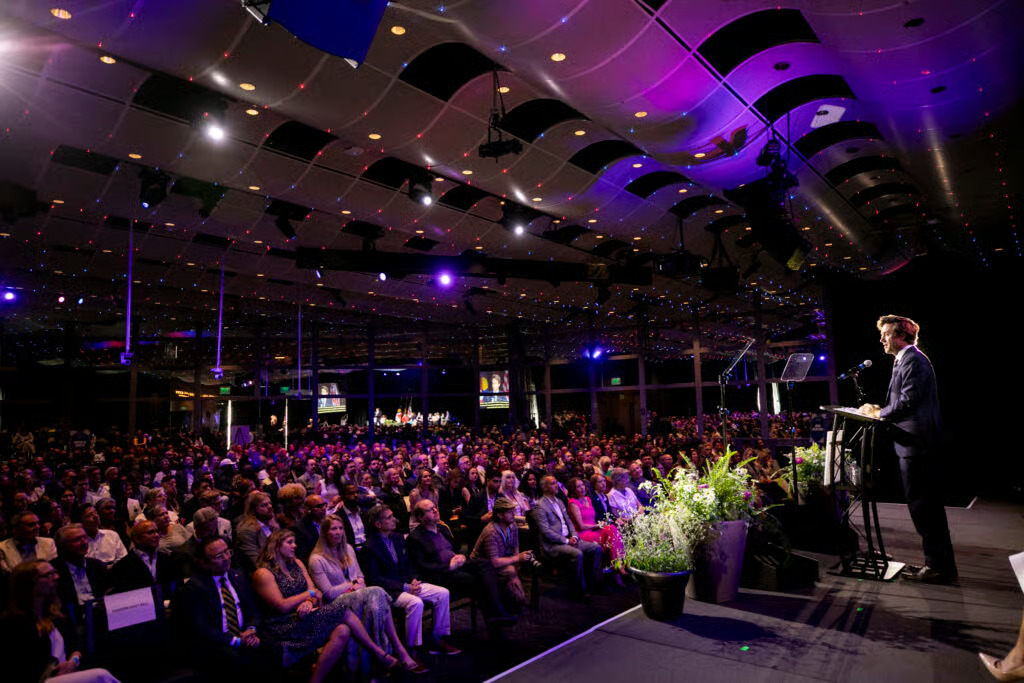
    Mayor Mike Johnston’s second State of the City address which was held recently  at the Seawell Ballroom at the Denver Center for the Performing Arts brimmed with Mile High optimism — invoking the word “dream” a dozen times and pitching Denver as the “capital of the New West.”
    A $250 million budget deficit. A shrinking city government. Homelessness and an impossibly high cost of living. Battles with the Trump administration. Struggling businesses. Mass city layoffs. Federal funding cuts. Mayor Mike Johnston nodded to it all in his 2025 State of the City speech, which marked the halfway point of his first term. But at the same time, Johnston embraced his image as an unflappable optimist.
    “How do you build a city that’s vibrant, affordable and safe for all of us, so that 150 years from now, our grandkids will look back with pride at how our innovation and ingenuity and yes, inclusion, proudly established a new chapter of Denver as the capital of the New West,” he said on the night. 
    Nearly half of Johnston’s speech focused on Denver’s twin housing and homelessness crises, which have dominated the mayor’s first term. He described the city’s successes in clearing out homeless encampments and creating new support programs, but he also said the city would crack down on “quality of life crimes” such as public drug use and theft, “matching outreach with enforcement.”
    “We know the best path forward is not an endless cycle of being on the streets, going to the hospital and landing in jail, but connection to high-quality and long-term support services, and we will find those for the folks that need them and connect them,” Johnston said, speaking before a crowd of hundreds at the Seawall Ballroom at the Denver Performing Arts Complex. 
    The mayor also laid out a long-term vision for building more housing and infrastructure. That included a promise to convert 4 million square feet of vacant office space into new housing “that is accessible for middle-class Denverites,” part of a larger effort to build 5,000 homes each year. The speech also served as Johnston’s biggest pitch yet for his $935 million bond package proposal, which would pump money into transportation, parks, housing and more. In the speech, Johnston summoned historical and moral themes, imploring people to replace “learned helplessness” with “learned hopefulness.”
    The mayor called for less cynicism and individualism, blasting President Donald Trump’s slashing of social services, trade wars and “political chaos.” 
    “The insurgent belief is a refusal to believe in anything but yourself. Don’t believe in your government or your neighbor or your family. Tear it all down and just look out for yourself. Attack those who try. Mock those in need,” he said.
    “That is not only a recipe to prevent us from getting things done,” Johnston continued. “It is a poison to eradicate our very human instinct to turn to each other when times get tough.”
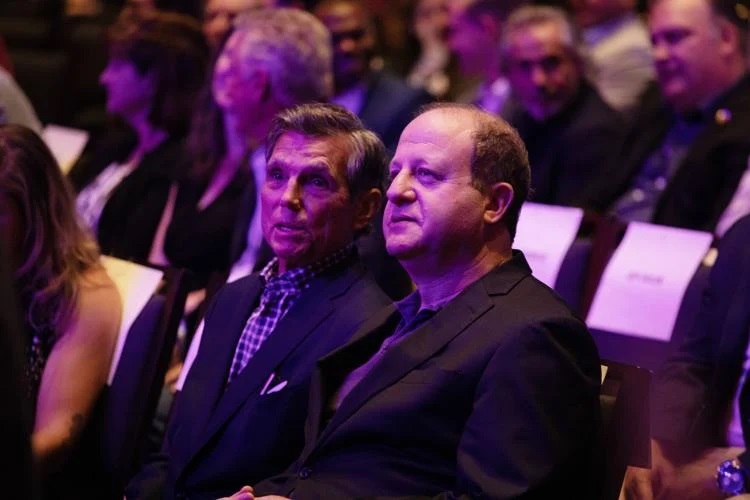
    Former Denver Mayor Federico Pena and Gov. Jared Polis share a word before Mayor Mike Johnston gives his annual ‘State of the City’ address to local leaders, press and Denver residents. Credit: Colorado Sun
    On his first day in office in 2023, Johnston declared a state of emergency over homelessness. He made it a priority to eradicate unsheltered homelessness, bringing thousands of people indoors. 
    “We did it because we had people dying on the street in record numbers,” he said. “We had thousands of tents blocking access to post offices and churches and hospitals, strangling businesses and frightening residents. We started there because it was a humanitarian crisis threatening the lives of people forced to live on the streets, and it was an economic crisis threatening the city’s post-COVID recovery.”
    Johnston’s administration moved fast in those first two years, spending more than $150 million to bring people into hotel shelters and tiny homes with the promise of a path to housing.
    We have done something historic,” he told the crowd. “In the last two years, street homelessness in Denver has dropped by 45 percent. That is the largest multi-year decrease in unsheltered homelessness of any city in American history.” But still, Johnston said that many residents aren’t happy with the scenes on Denver streets. He didn’t say it, but images of people in deep crisis — often yelling, nude or defecating — regularly go viral on social media.
    What he did not say during the speech, but acknowledged to reporters afterwards, was that the promise of long-term housing isn’t panning out for everyone in the city’s new shelter effort. Federal vouchers are under threat. And the city has far too few income-restricted units to give everybody a permanent home.
    Johnston used the speech to market his $935 million Vibrant Denver spending package. The mayor continues to bet big on the bond package, which would ask voters this November to approve new debt for infrastructure repairs and major new capital projects. The proposal would pay for dozens of initiatives, from the first phase of the sprawling Park Hill Park to an $89 million rebuild of the Eighth Avenue viaduct. 
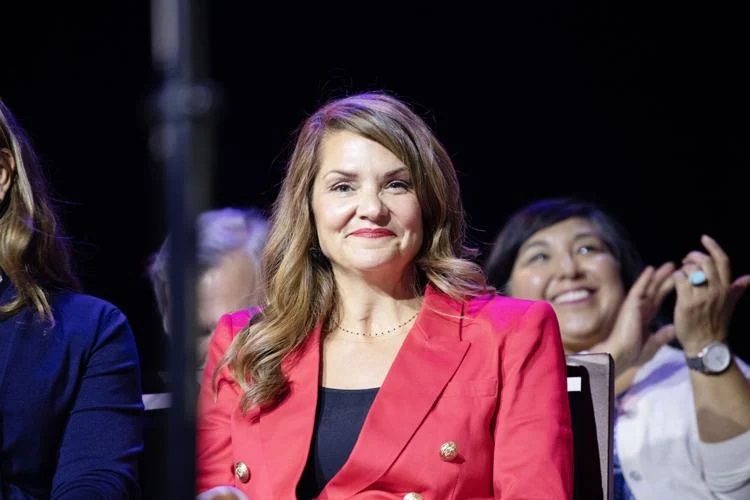
    Denver City Council President Amanda Sandoval listens as Mayor Mike Johnston gives his annual ‘State of the City’ address to local leaders, press and Denver residents. Credit: Colorado Sun
    In the past, bonds have been a pretty good bet for politicians in Denver, but there are signs this one will be more difficult. Denver City Council members have criticized the spending proposals and the process. Meanwhile, some voters say they’re worried about spending big on projects in a time of economic uncertainty — and they rejected Johnston’s affordable housing tax just last year.
    Johnston however hasn’t been cowed. In his speech, the mayor appealed to the Denver City Council to put the decision in front of voters.
    Johnston highlighted city successes on crime and revealed that the city is on track to add 300 police officers across 2024 and 2025, he said, and is putting officers in the places with the highest levels of crime. 
    “Denver has dropped our homicide rate by an astonishing 46 percent,” he said. Multiple news outlets have recently reported that the city’s homicide rate is at one of its lowest levels in decades.
    Johnston also said auto theft is down by more than 50 percent and catalytic converter theft by 90 percent.
    The Mayor reiterated his belief that all the city’s problems can be fixed. We can prove that our hardest problems are solvable and that we are the ones to solve them,” the mayor said, repeating a slogan he has said for years. 
    He acknowledged the process is far from complete, and his term has been far from perfect. “We will never build a city free from human mistakes,” he said. “What we can do is build a city that carries you through crisis and a community, who sees you and cares for you and supports you.”
    Success, he warned, “doesn’t mean a neighbor struggling with addiction won’t relapse, or a gang member won’t get pulled back into violence, or we won’t lose a favorite restaurant,” he said. “But that is not defeat. That is loss, and loss is a part of being human.”
    A cross section of the audience at the Denver Center for the Performing Arts as Mayor Mike Johnston gives his second State of the City address. Credit: Denver Post
    One major loss is already guaranteed. Johnston must face the city’s fiscal crisis. He has to make $250 million in cuts to the city’s current and upcoming budgets by the end of the year. 
    As he wrapped up, Johnston returned to the theme of making Denver the capital of the New West, describing it as the “precocious Queen City of the Plains.” 
    “We don’t believe in can’t,” he said. “We don’t believe in impossible, a place where we turn to each other and not on each other, a place we believe in working to build something bigger than us that includes all of us and lasts longer than any of us, a city that can be a haven for those who live here and an inspiration to those who don’t.”
  • America 250 – Colorado 150 Commission Invites Coloradans to Unite as Countdown to 2026 Begins

    America 250 – Colorado 150 Commission Invites Coloradans to Unite as Countdown to 2026 Begins

    The America 250 – Colorado 150 Commission is recognizing this Fourth of July as the start of the one-year countdown to the national commemoration of the 250th anniversary of the Declaration of Independence. This moment kicks off the final stretch toward 2026, when Colorado will also celebrate its 150th anniversary as the Centennial State. This once-in-a-generation commemoration invites every Coloradan to unite in pride and purpose as we honor our shared past and look ahead together.

    Established by Governor Jared Polis and the Colorado General Assembly at the beginning of the year through Colorado Senate Bill 22-011 , the America 250 – Colorado 150 Commission is leading the celebrations and commemorations occasioned by this historic milestone. As outlined in the establishing legislation, an important component of the Commission’s charge is identifying, celebrating, and building knowledge around the contributions and histories of Black communities, Indigenous communities, communities of color, women, and people with disabilities in the development of both the United States and Colorado, including histories that predate the founding of the nation and the state.

    “This is more than an anniversary, it’s a call to come together as one Colorado,” said Commission Co-Chair Nathan Richie, Director of the Golden History Museum & Park. “As we look ahead to 2026, we invite every community, business, and individual to join in honoring what makes our state special and work together to build a future we can all be proud of.”

    The America 250 – Colorado 150 commemoration is designed to serve the people of Colorado by bringing communities together through inclusive events and storytelling, highlighting local and statewide contributions to Colorado’s 150-year journey while also inspiring Coloradans of all ages to engage with our shared history and shape what comes next

    Whether through hosting local events, partnering on commemorative projects, volunteering, or contributing to signature initiatives, every Coloradan is invited to play a role in this celebration. The Commission provides tools, resources, and official branding to help communities, businesses, schools, and organizations engage in ways that reflect their own unique stories and strengths.

    In honor of the official countdown, Coloradans can expect a growing calendar of public programs, educational initiatives, and community events that will culminate in 2026. Signature initiatives include a statewide drone show series, a digital passport highlighting Colorado destinations, educational opportunities, traveling exhibitions, and community grants that encourage local participation.

  • Suicide Tragedy in Aurora

    Suicide Tragedy in Aurora

    The National Action Network Colorado acknowledges the tragic death of a Burmese man found hanging in Del Mar Park, Aurora. The NANC has also extended their deepest condolences to the victim’s family, friends, and community during this difficult time.

    This tragic event is a devastating loss and raises urgent questions that demand a full, transparent, and impartial investigation. Reports indicate the victim was found with a bag over his head, a detail that heightens suspicion and concern within the community.

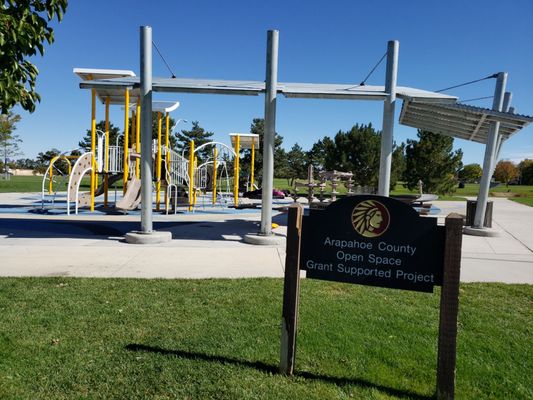
    Given the historical and cultural significance associated with such a death, particularly within communities of color and immigrant populations, it is imperative that law enforcement authorities conduct a thorough inquiry without prematurely concluding the cause of death. The Arapahoe County Coroner and Metro Crime Unit have preliminarily ruled the death a suicide and found no signs of foul play; however, the National Action Network Colorado calls upon the Aurora Police Department and local officials to maintain open and honest communication with the community throughout the investigative process while also addressing all community concerns seriously and with the utmost urgency.

    An appeal has also been made to local media outlets to cover this incident responsibly, recognizing the importance of public awareness and accountability in cases of sudden and tragic death.

    While a death by suicide hasn’t been established by the police and authorities yet, it’s worth pointing out that the largest number of suicide deaths tend to occur in metropolitan Denver counties such as Adams, Arapahoe, Douglas and Jefferson counties with each of them reporting between 53 to 94 deaths a year.

    The National Action Network Colorado also wishes to assuage the community and affirms that their voices and concerns will remain valid and vital. We stand in solidarity with those mourning this loss and encourage compassion and support for all affected.

    National Action Network Colorado remains committed to advocating for the dignity, safety, and well-being of all communities, including immigrants and people of color, and will continue to monitor this situation closely to ensure justice and transparency.

  • The Aurora History Museum presents a new exhibit

    The Aurora History Museum presents a new exhibit

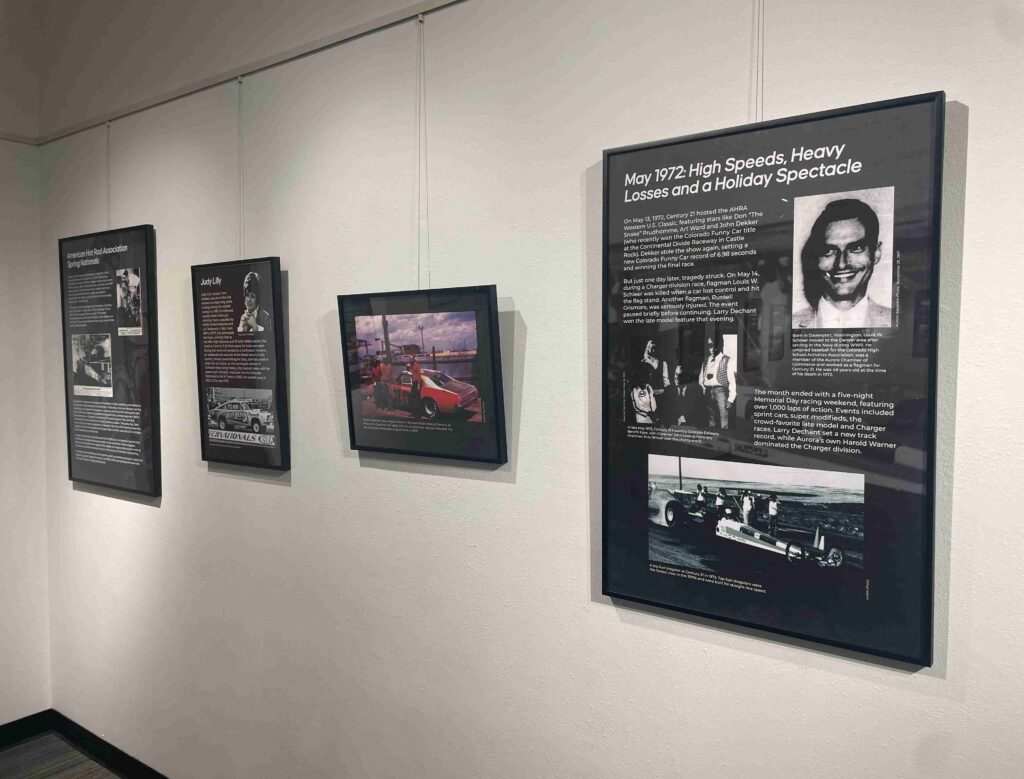
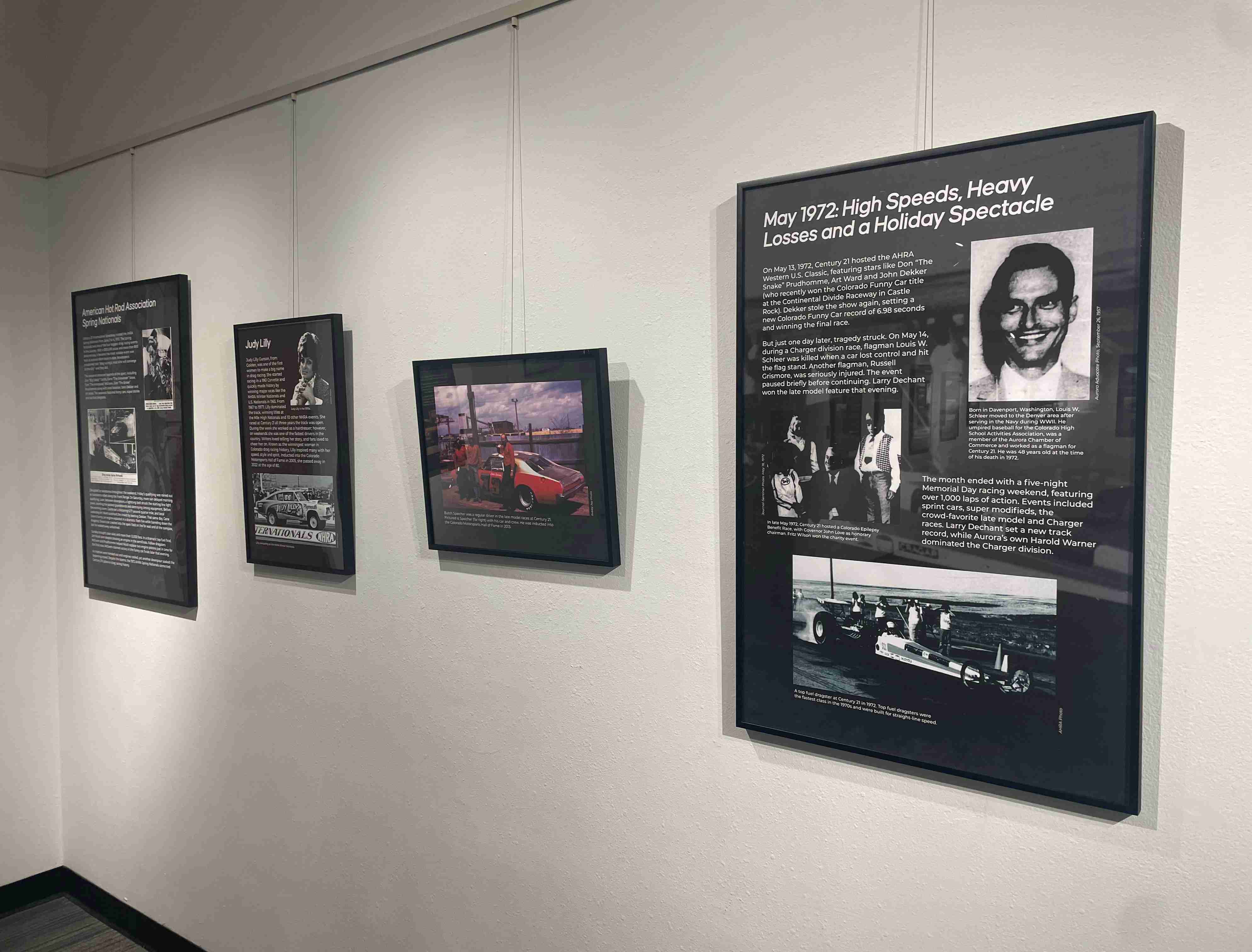
    The Aurora History Museum and Historic Sites is inviting the public to rediscover a thrilling, fast-paced chapter of local history with its newest exhibition, “Aurora’s Short Track: The Century 21 International Speedway,” which will be on view from June 17 to Nov. 2.

    From 1971 to 1974, the grasslands just south of present-day Denver International Airport rumbled with the noise of dragsters, stock cars and thousands of cheering fans. The Century 21 International Speedway once promised to place Aurora at the heart of the regional motorsports’ scene.

    “Century 21 is one of those almost-forgotten tracks that tells a much larger story about local and state history,” said Christopher J. Shackelford, exhibits curator at the Aurora History Museum. “It was a fascinating history to research; this was a golden era for motorsports in Colorado, and it deserves to be remembered.”

    With a quarter-mile drag strip, a paved oval and a figure-eight circuit, Century 21 was a bold and ambitious venue. It hosted major races like the AHRA Spring Nationals and NASCAR’s Grand National West Mile High 150, drawing top-tier drivers and packing its 10,000-seat grandstand with racing fans. Many of the racers who competed there are now honored in the Colorado Motorsports Hall of Fame. Ultimately, bad luck, financial challenges and geopolitics led to a short life for Aurora’s short track.

    Visitors to the exhibition will learn about other iconic Front Range tracks and prominent local drivers of the early 1970s. Historic photographs, newspaper archives and personal stories paint a vivid picture of the once-thriving racing culture in Aurora and throughout the region. As part of the exhibition, the museum will host a Car Meet from 10 a.m. to 1 p.m. Saturday, July 12, at the Aurora Municipal Center, 15151 E. Alameda Parkway, inviting local car enthusiasts to showcase their vehicles and celebrate the legacy of car culture in Aurora.

    The museum is open from 9 a.m. to 4 p.m. Tuesday through Friday and from 11 a.m. to 4 p.m. Saturday and Sunday and admission to the Aurora History Museum is always free.

    The Aurora History Museum opened in 1979. In 1990, it moved to its present location, reopened in 1991 and became a part of the city of Aurora Cultural Services Division, the largest single provider of arts and culture programs in Aurora.