Category: Arts and Culture

  • BLACK HISTORY MONTH 2024: REMEMBERING THE ORIGINS OF HOW IT BEGAN

    BLACK HISTORY MONTH 2024: REMEMBERING THE ORIGINS OF HOW IT BEGAN

    Black History Month provides all Americans with an opportunity to honor, recognize and celebrate hundreds of years of Black history and heritage, as well as their achievements and contributions to community, country and word at large.

    Since 1976, every U.S. President has officially designated the month of February as Black History Month. A growing number of other countries are also now devoting a month to honoring and celebrating Black history.
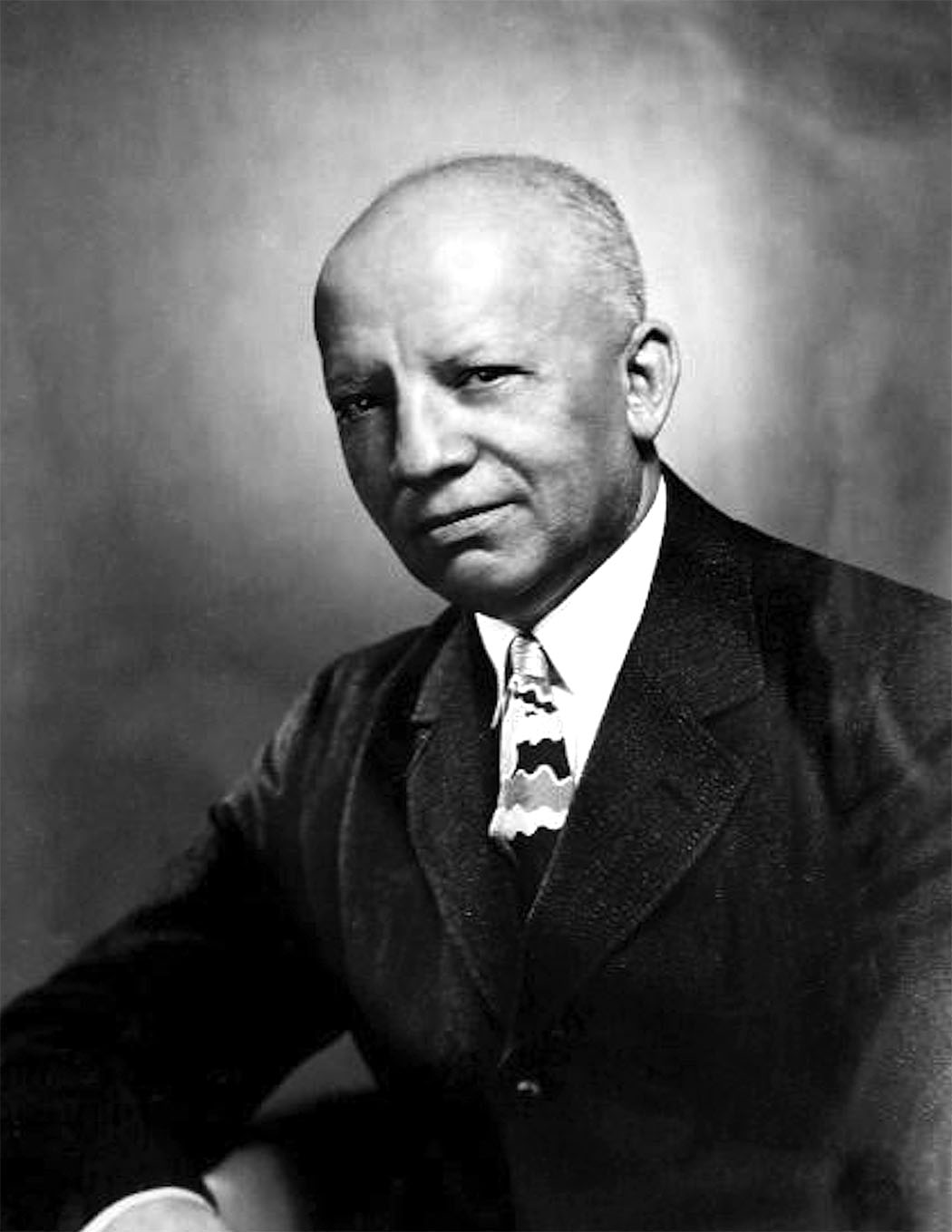
    The celebration of Black History Month began as “Negro History Week,” which was created in 1926 by Carter G. Woodson, a noted African American historian, scholar, educator and publisher. It became a month-long celebration in 1976. Credit:History.com


    The theme for Black History Month 2024 is “African Americans and the Arts,” which seeks to raise awareness of the influence that African Americans have had in visual and performing arts, literature, fashion, folklore, language, film, music, architecture, culinary and other forms of cultural expression.

    In this piece we take a look at the man who was at the genesis of Black History Month, Carter Godwin Woodson.

    Dr. Carter Godwin Woodson who is often referred to as the “father of Black history,” was born in 1875 in New Canton, Virginia. After working as a sharecropper and miner to support his parents and siblings, he moved on to receive bachelor’s and master’s degrees from the University of Chicago. He obtained a Ph.D. in history from Harvard University in 1912, becoming only the second Black American to do so after W.E.B. DuBois, also from Harvard University in 1895.

    Woodson “witnessed how black people were underrepresented in the books and conversations that shaped the study of American history.” James Baldwin, the renowned Black American author and journalist, captured the frustration that must have led to Woodson’s crusade to instigate research and studies involving Black educators and scholars to unearth and bring to the fore the immense contributions of Black Americans to American experience, history, and nation building. Writing about the shortcomings of his education in 1964, Baldwin narrated his experience at school thus: “I began to be bugged by the teaching of American history because it seemed that that history had been taught without cognizance of my presence.”
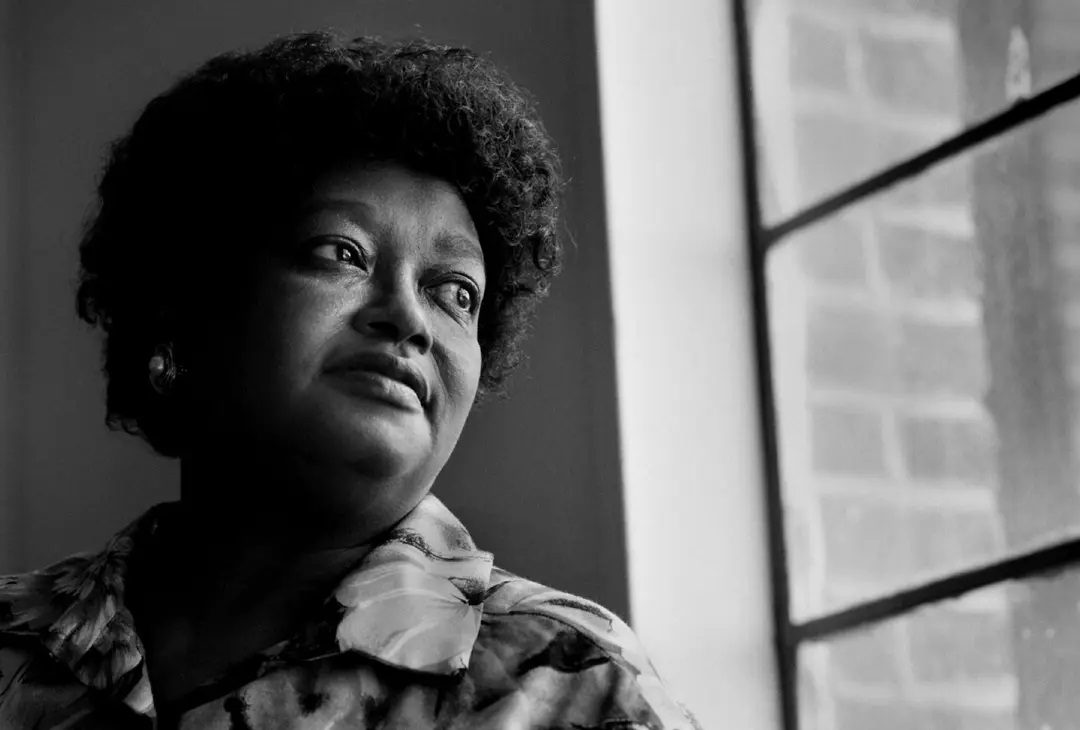
    While Rosa Parks is credited with helping to spark the civil rights movement when she refused to give up her public bus seat to a white man in Montgomery, Alabama in 1955–inspiring the Montgomery Bus Boycott—the lesser-known Claudette Colvin was arrested nine months prior for not giving up her bus seat to white passengers. Credit: History.com


    In 1915, 50 years after the 13th Amendment abolished slavery, Woodson and the Rev. Jesse E. Moorland — a well-read Black American clergy and leader — co-founded the Association for the Study of Negro Life and History (ASNLH), later renamed the Association for the Study of African American Life and History (ASALH). The association’s purpose was to promote studying black history as a discipline and celebrate the accomplishments of Black Americans and other peoples of African descent. Moorland was a member of Phi Alpha Fraternity, an organization that vigorously promoted the study of Black American History, and was publishing a regular column in the Fraternity’s official Sphinx Magazine prior to the inception of Negro History Week in 1926.

    In 1916, Woodson reportedly singlehandedly launched the Journal of Negro History, where he and other researchers brought attention to the achievements of Black Americans. For additional message outlets, Woodson turned to his fraternity, Omega Psi Phi, “which created Negro History and Literature Week in 1924.” However, it was during Woodson’s tenure as the President of ASNLH that he gave a press release in February 1926 announcing the inception of the first Negro History Week, intentionally designating the second week of February for that purpose.
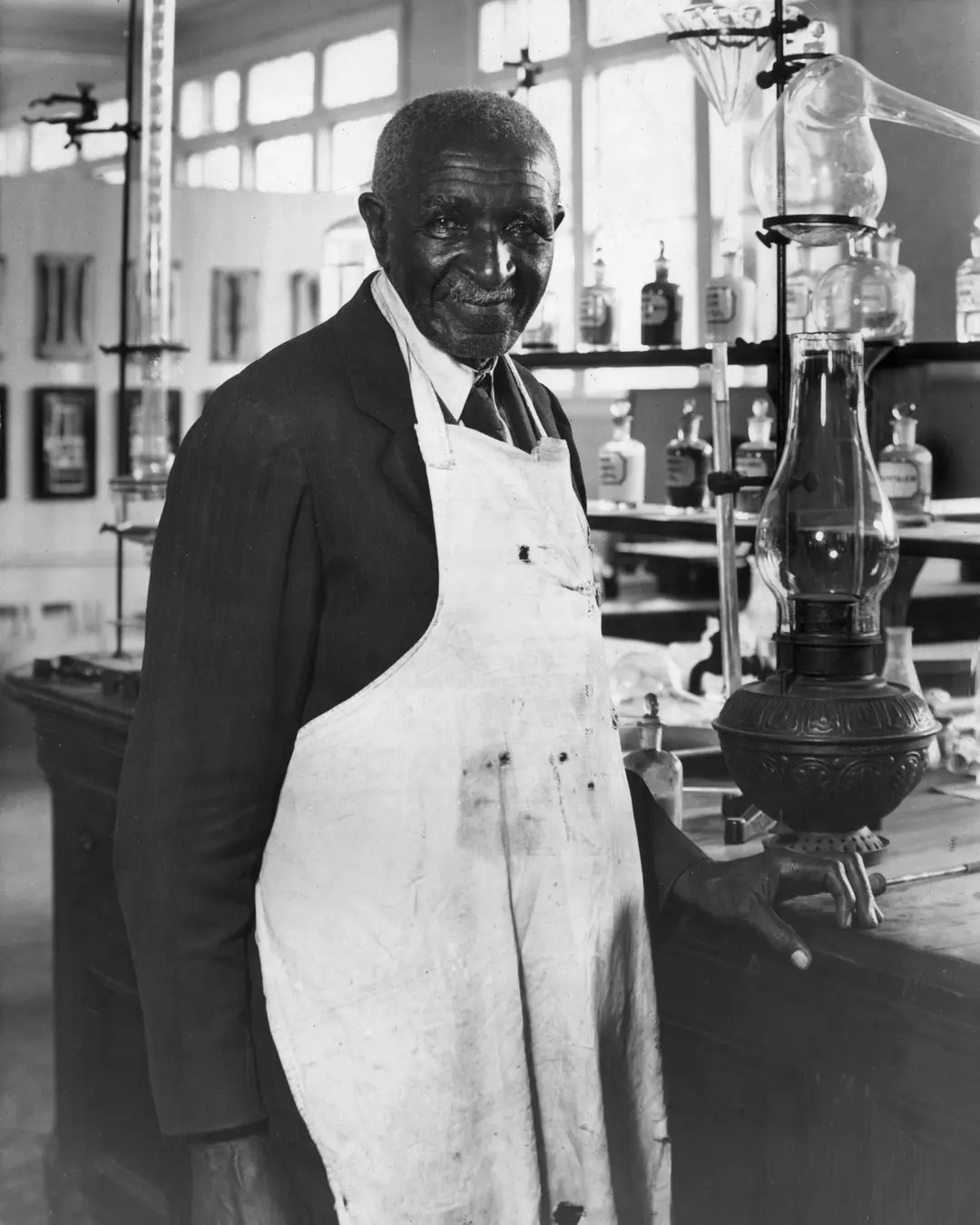
    George Washington Carver developed 300 derivative products from peanuts among them cheese, milk, coffee, flour, ink, dyes, plastics, wood stains, soap, linoleum, medicinal oils and cosmetics. Credit: History.com


    The second week in February contained the birthdays of both President Abraham Lincoln and Frederick Douglass, “two prominent men whose historic achievements African Americans already celebrated. President Lincoln’s birthday was Feb. 12, and Douglass, born into slavery, did not know his actual birthday but had celebrated the occasion on Feb. 14: Valentine’s Day. (February was Dr. Woodson’s choice and not anyone else picking the shortest month of the year out of prejudice). Woodson envisioned extending the timeframe for the study of Black history beyond one week, but he died suddenly from a heart attack in 1950, ten years after Moorland’s death in 1940, also of heart attack. That milestone shift to a month-long Black History Month came to fruition in 1976 when ASALH made the official proclamation.
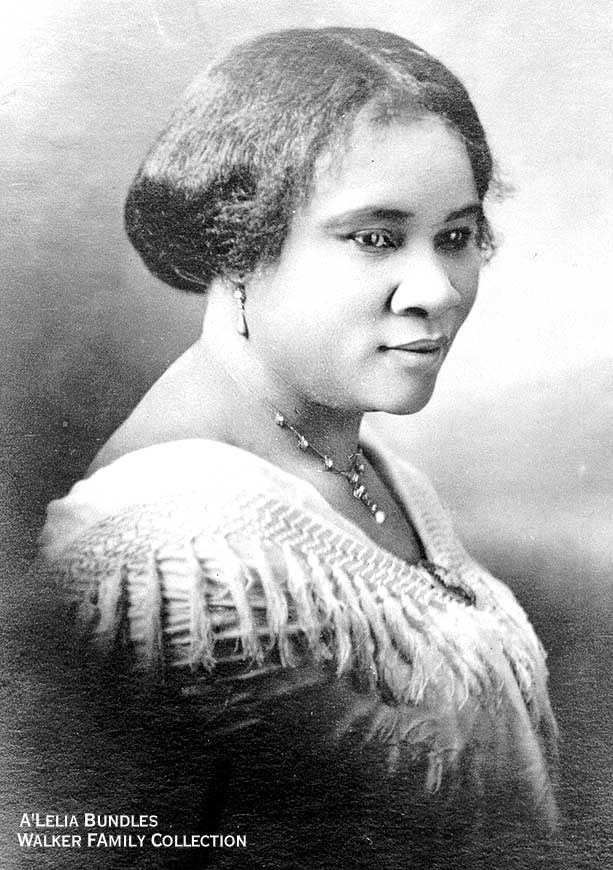
    Madam C.J. Walker was born on a cotton plantation in Louisiana and became wealthy after inventing a line of African American hair care products. She established Madame C.J. Walker Laboratories and was also known for her philanthropy. Credit: History.com


    Since this change, every United States President has issued a proclamation honoring the spirit of Black History Month, including the first African American 44th President of the United States, Barack Obama. President Gerald Ford put the presidential seal of approval of the change with a proclamation the same year, remarking that the celebration enabled people to “seize the opportunity to honor the too-often neglected accomplishments of Black Americans in every area of endeavour throughout our history.”
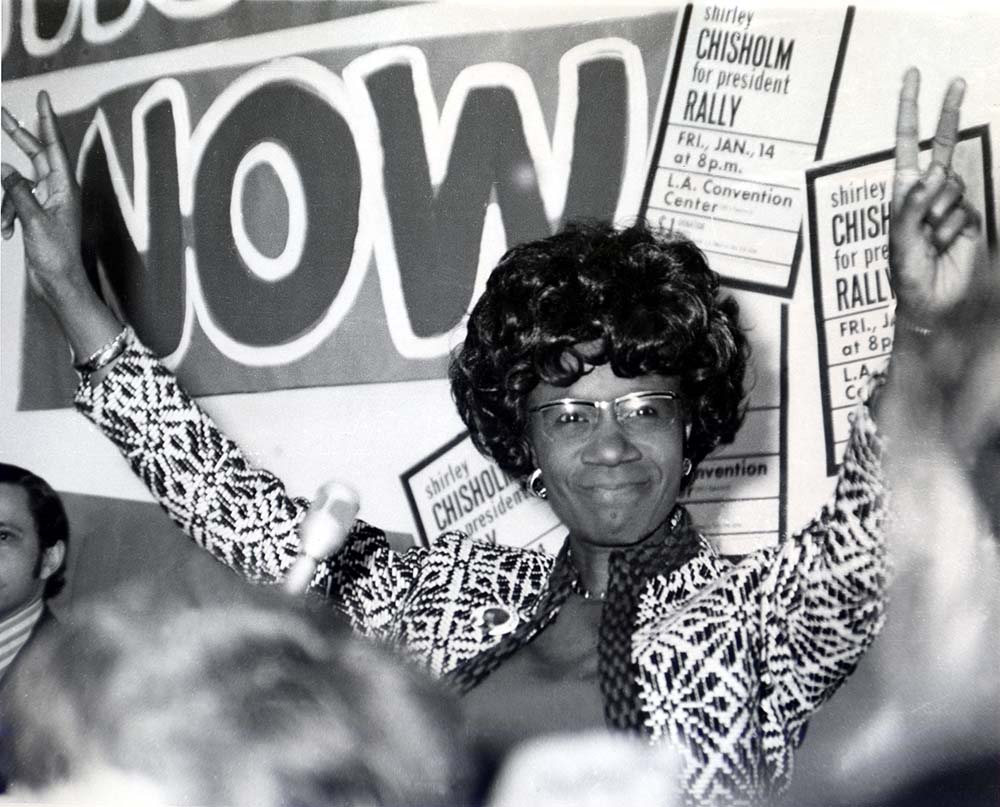
    Shirley Chisholm was the first African American woman elected to the House of Representatives. She was elected in 1968 and represented the state of New York. She broke ground again four years later in 1972 when she was the first major party African American candidate and the first female candidate for president of the United States. Credit: History.com


    In his first Black History Month proclamation, President Ronald Reagan remarked that “understanding the history of Black Americans is a key to understanding the strength of our nation.” In proclaiming February 2016 as National African American History Month in the 40th year of its inception, President Obama enjoined us all to “reflect on the sacrifices and contributions made by generations of African Americans, and … resolve to continue our march toward a day when every person knows the unalienable rights to life, liberty, and the pursuit of happiness.”
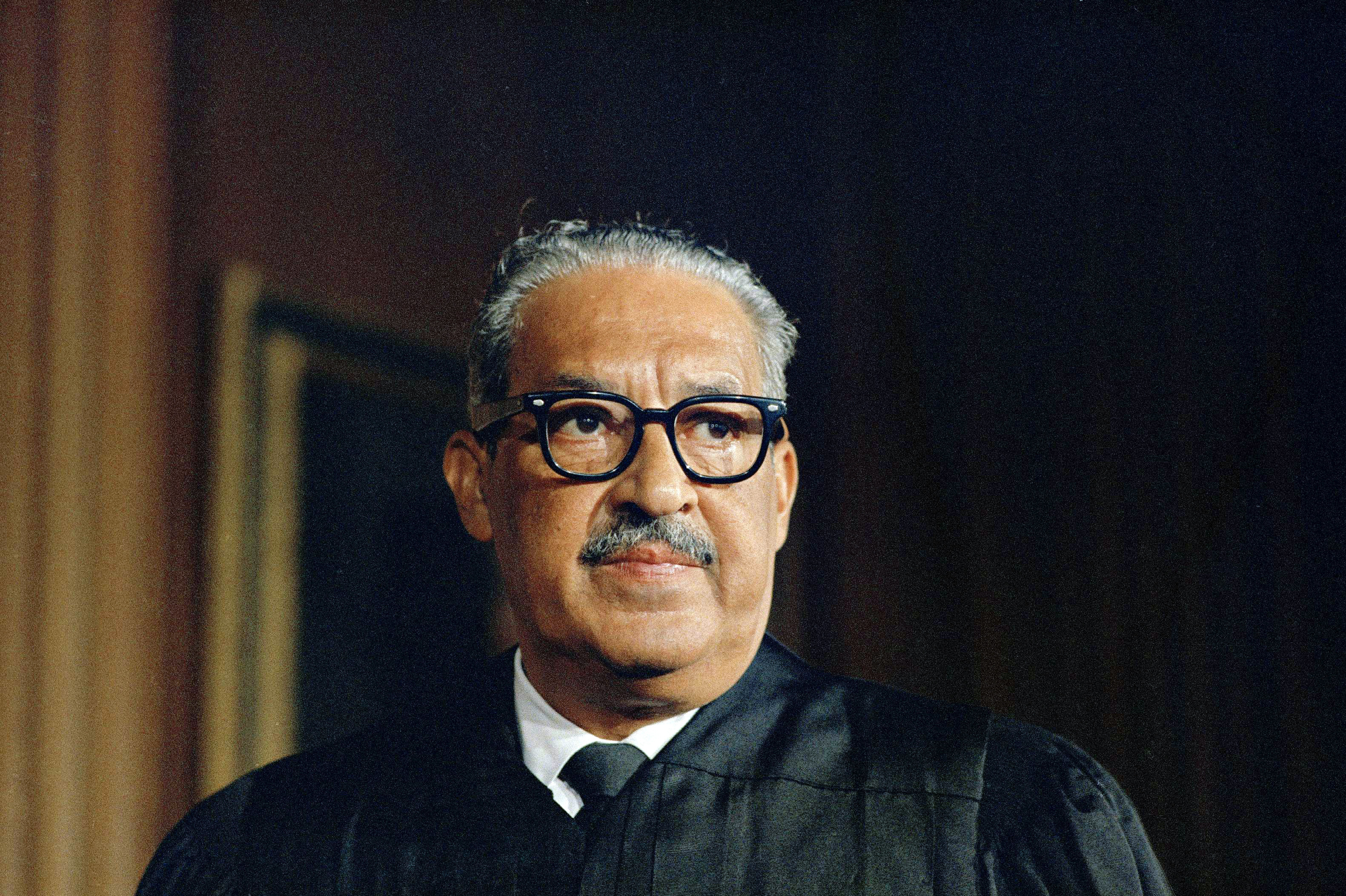
    Thurgood Marshall was the first African American ever appointed to the U.S. Supreme Court, serving from 1967 to 1991. Credit: AP Photo

    Proclaiming February 2022 National Black History Month, President Joseph Biden Jr. recalled American experience as reason “why it is essential that we take time to celebrate the immeasurable contributions of Black Americans, honor the legacies and achievements of generations past, reckon with the centuries of injustice, and confirm those injustices that still fester today.”
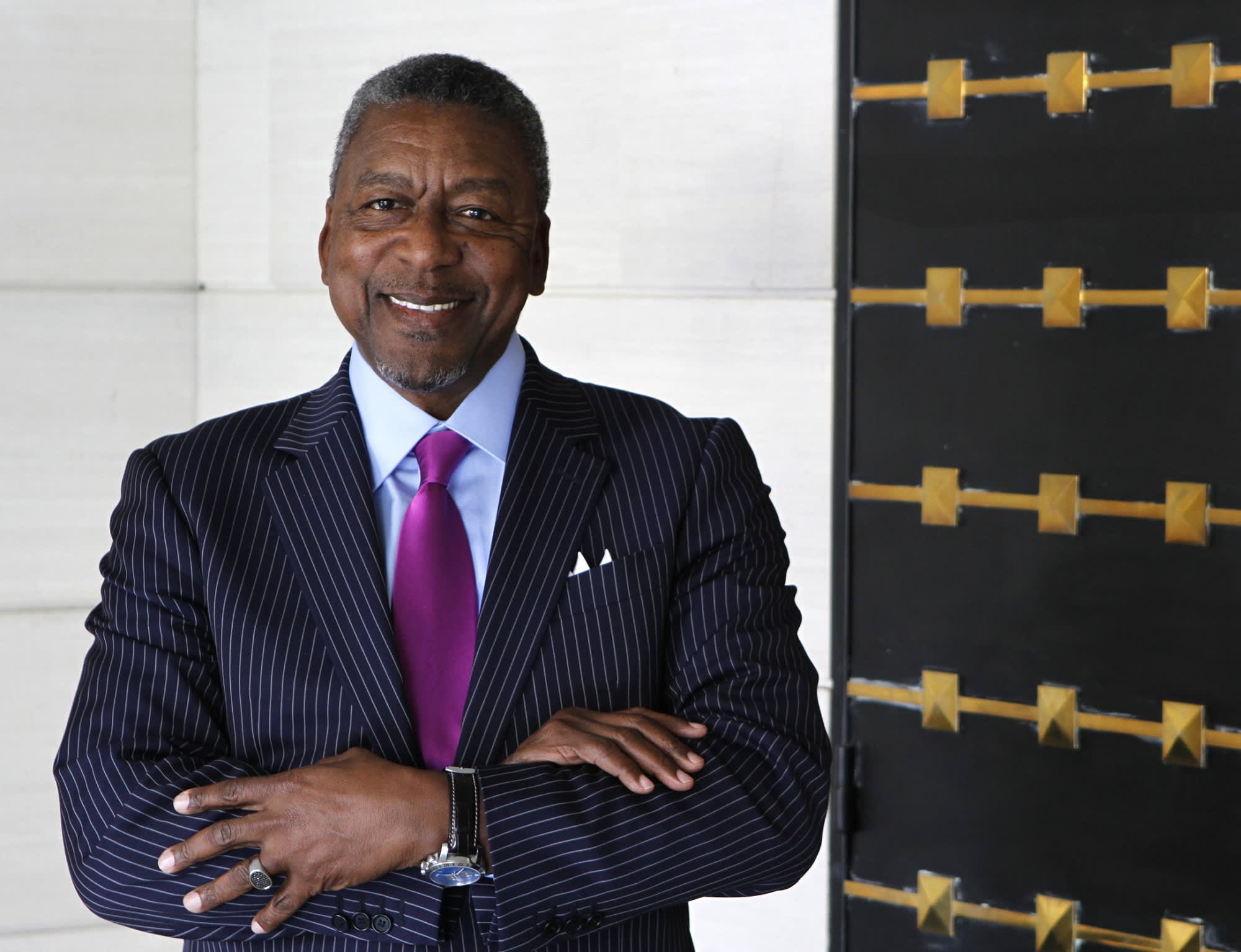
    Robert Johnson became the first African American billionaire when he sold the cable station he founded, Black Entertainment Television (BET) in 2001. Credit: History.com


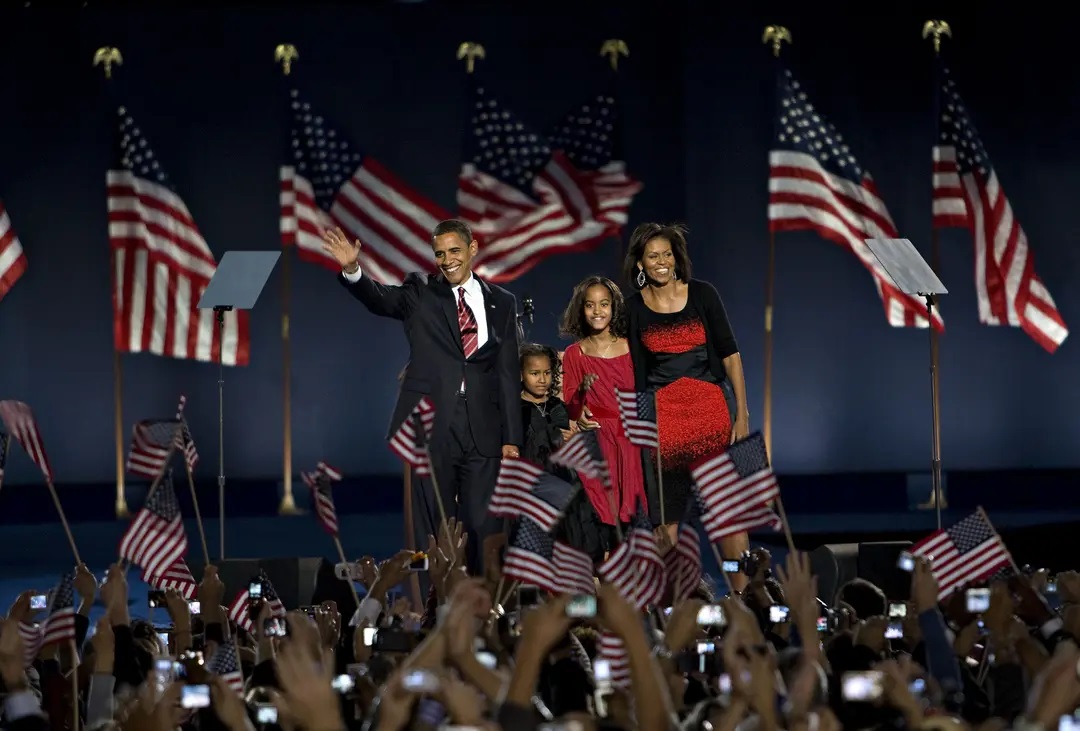
    In 2008, Barack Obama became the first Black president of the United States. Credit: History.com

    Today, Black History Month is a time to honor the contributions and legacy of African Americans across U.S. history and society—from activists and civil rights pioneers such as Harriet Tubman, Sojourner Truth, Marcus Garvey, Martin Luther King Jr., Malcolm X and Rosa Parks to leaders in industry, politics, science, culture and more.
  • Country in Focus: Gabon

    Country in Focus: Gabon

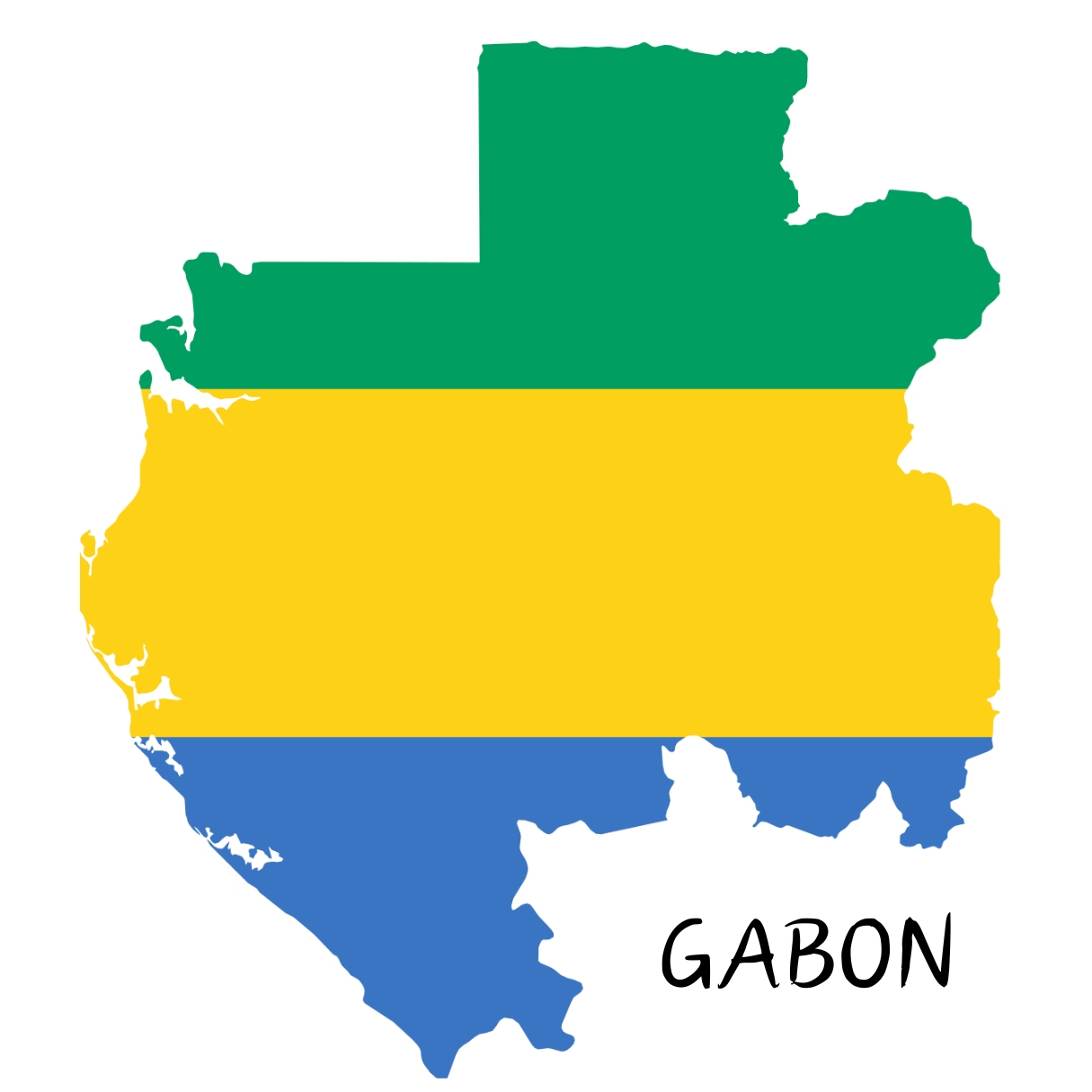
    Gabon is a country in west central Africa. It shares borders with Cameroon to the north, the Republic of the Congo to the east and south, and Equatorial Guinea to the northwest. To the west is the Gulf of Guinea. Its area is 270,000 sq. km. and its population is 2,096,745 with the city of Libreville as its capital.

    There have been three presidents since the country’s independence from France on August 17, 1960 and Gabon’s small population and natural resources has made it one of the region’s most prosperous countries.

    The Pygmy people were the earliest inhabitants but were largely replaced by the Bantu.

    The first Europeans arrived in the 15th century. The country’s name comes from the Portuguese word for cloak, which is the shape of the Komo River’s estuary by Libreville. Pierre Savorgnan de Brazza, a French explorer, led a mission to the area in 1875. He became a governor and founded the town Franceville.

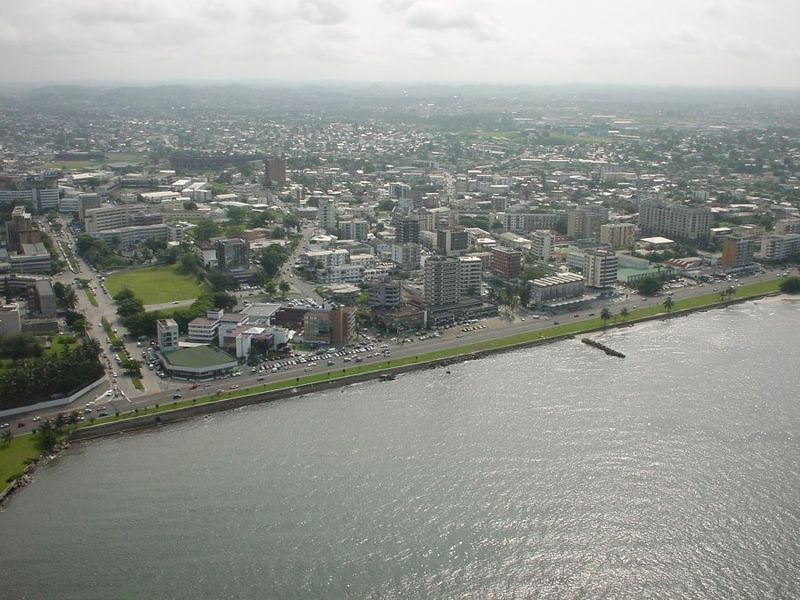
    A skylinve view of the capital city of Libreville. Credit -Wikipedia


    Gabon became part of French Equatorial Africa in 1910. The federation of four territories survived until 1959. On August 17, 1960, these territories became independent. Leon M’ba was the first president and was elected in 1961. Omar Bongo Ondimba was the vice president. French logging interests funded M’ba’s campaign to further their enterprises.

    Upon taking power, M’ba banned demonstrations, suppressed the media, excluded opposition parties, and lessened freedom of expression. M’ba dissolved the National Assembly in 1964 and attempted to institute one-party rule. This was met with an army coup to oust him and restore democracy. The French, defending their interests, dropped paratroopers to restore M’ba.

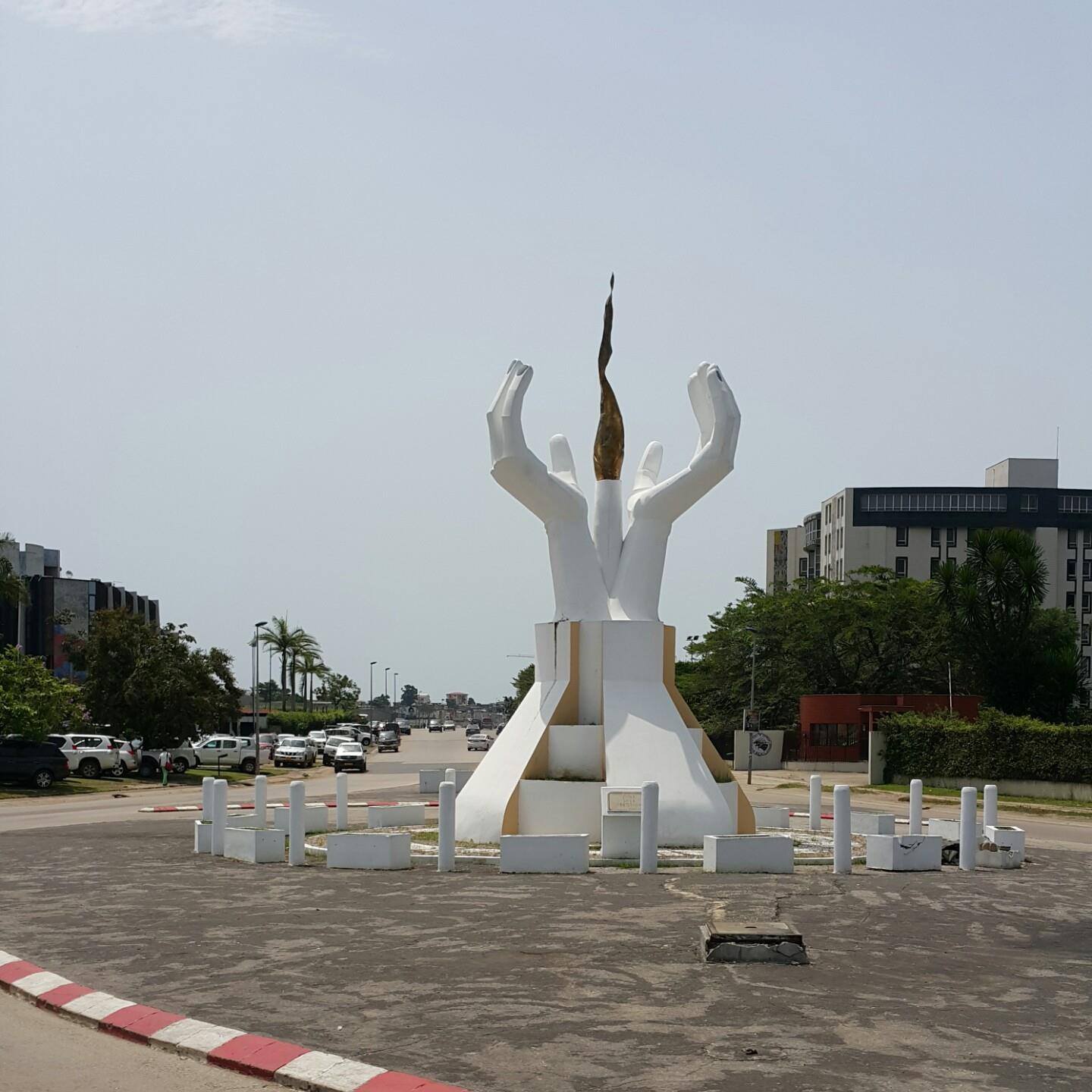
    This Monument on the Triumph Boulevard of Libreville, Gabon is a popular spot in the capital city. Credit-Wikipedia


    After a few days, the opposition was imprisoned and the coup ended. The French intervention was met with international condemnation. Its troops still remain in Gabon outside the capital. In 1967, M’ba died and Bongo replaced him as president. He remained head of state until his death in 2009 after winning each election by large majority.

    Gabon introduced a new constitution in the early 1990s with a more transparent multi-party system which added a bill of rights, an economic and social advisory board, and a body to guarantee those rights (National Council of Democracy).

    There are nine provinces in Gabon, which are Estuaire, Haut-Ogooue, Moyen-Ogooue, Ngounie, Nyanga, Ogooue-Ivindo, Ogooue-Lolo, Ogooue-Maritime, and Woleu-Ntem. These are further broken down into 37 departments.

    The country is located on central Africa’s Atlantic coast. Gabon’s climate is equatorial with extensive rainforests. These cover 85 percent of the country. The three regions are the coastal plains, the mountains, and the savanna.

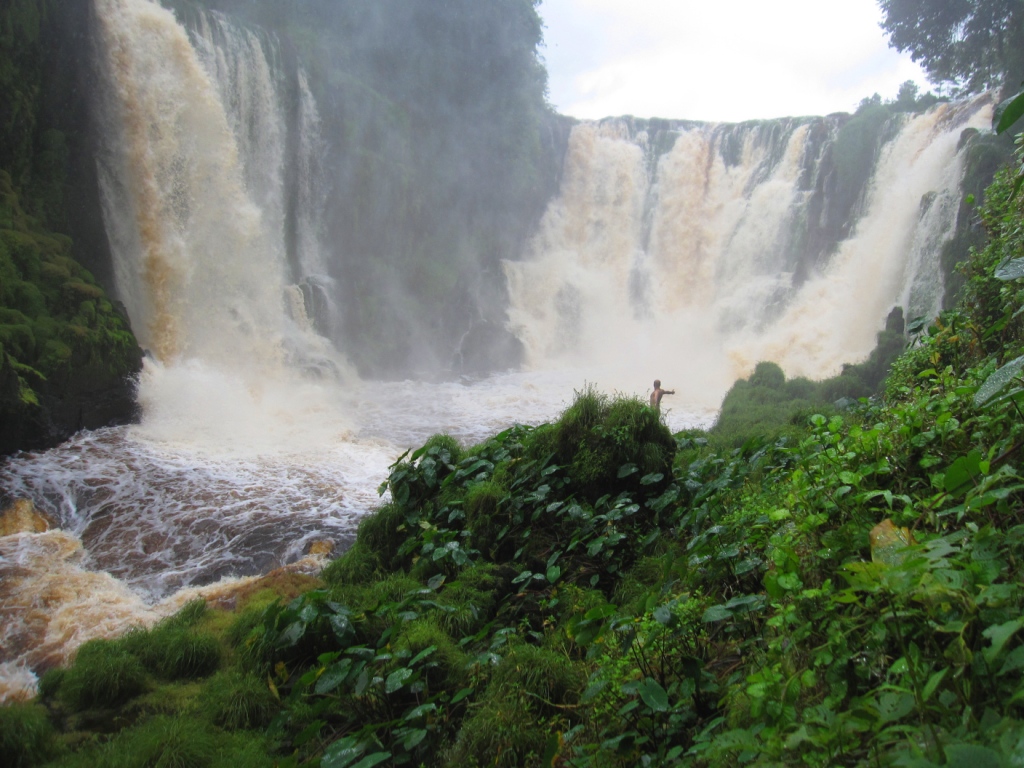
    The Kongou falls locateed in the town of Makokou, Gabon is among the most spectacular falls in Africa. Credit- Tripadvisor


    The largest river is the Ogooue, which is 1,200 km long. Gabon has areas where there are hundreds of dolomite and limestone caves. These caves include the Grotte du Lebamba, Grotte du Kessipougou, Grotte de Bongolo, and the Grotte du Lastoursville. Many have not been explored.

    Gabon’s natural preservation efforts are also noted. In 2002, the president designated 11 percent of the country as a national park, making Gabon an ecotourism destination. This is one of the world’s largest proportions of parkland. Natural resources include petroleum, natural gas, diamond, niobium, manganese, uranium, gold, timber, iron ore, and hydropower.

    Gabon’s per capita income is four times that of other sub-Saharan countries. Oil production is a large reason for this. Gabon still has not invested in economic diversity or modernized. From 1975 to 1995, Gabon was part of OPEC. It exports iron, wood, and manganese. Mines for Uranium near Franceville were shut down in 2001 due to global competition, but plans have been made to reopen them. Exploitation of iron deposits north of Makokou is set to begin in the near future.

    The devaluation of the CFA franc in the 1990s left Gabon unable to pay its international debt. The IMF and France have given additional loans in exchange for economic changes. Imports come mainly from France and Gabon’s export partners are China, Russian, and the U.S.

    Despite the abundance of natural wealth, poor fiscal management has stifled the economy. However, the previous President Bongo Ondimba made concerted efforts to increase transparency and took various steps to make Gabon a more attractive investment destination to diversify the economy. He also attempted to boost growth by increasing government investment in human resources and infrastructure. GDP grew more than 6% per year over the 2010-13 period.

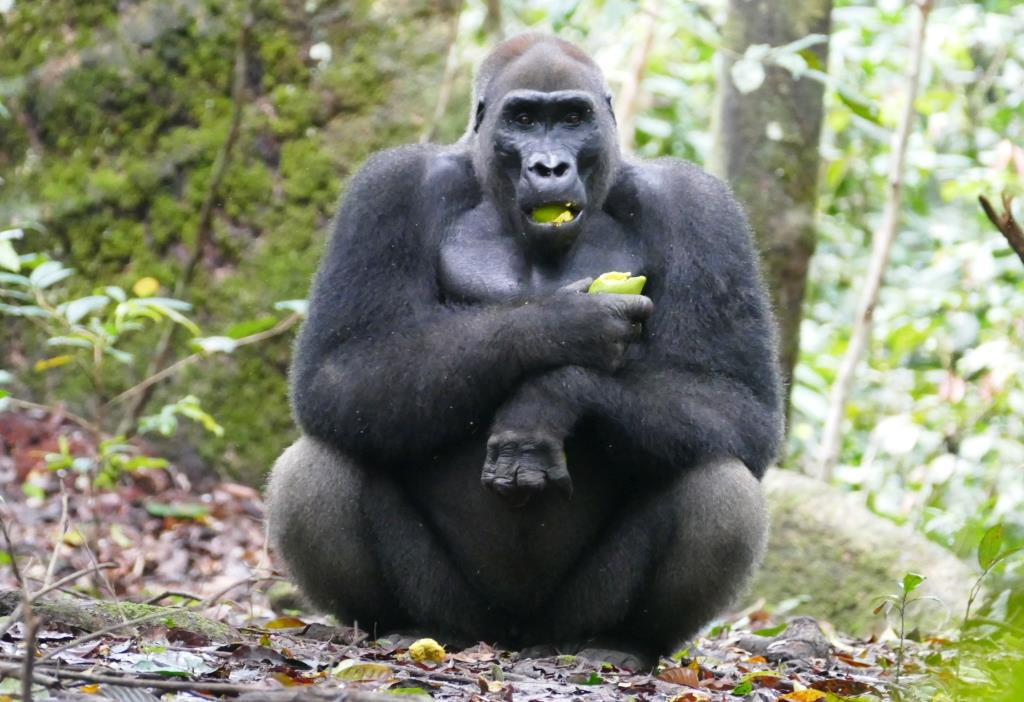
    The Evengue Island in Omboue, Gabon is home to a vast majority of orphaned Gorillas. Credit-Da.com


    Animals are abundant in the rainforests of Gabon. 85 percent of the country is covered by rainforests and it is Africa’s fifth least densely populated country. Gabon boasts dense rainforests and unique ecosystems, contributing to its status as a biodiversity hotspot.

    These habitats, along with lagoons, beaches, mangroves and savannahs make Gabon ideal for animals and reptiles. There are 60,000 forest elephants and 20,000 lowland gorillas. There is a National Tourism Strategy, which aims for 1,000,000 visitors per year.

    While the music of the Democratic Republic of the Congo and Cameroon is better known. Gabon can also claim a variety of musical styles, such as folk. Folk music in Gabon incorporates traditional drums, the ngombi, the obala, and the balafon. Also popular are singer and live performer, Annie Flore Batchiellilys, singer Oliver N’Goma, and popstar Patience Dababy. Sylvain Avara, La Rose Mbadou, and Georges Oyendze are famous guitarists. Gabon has also enjoyed other styles such as makossa, soukous, rumba, and hip-hop and rock from the UK and US.

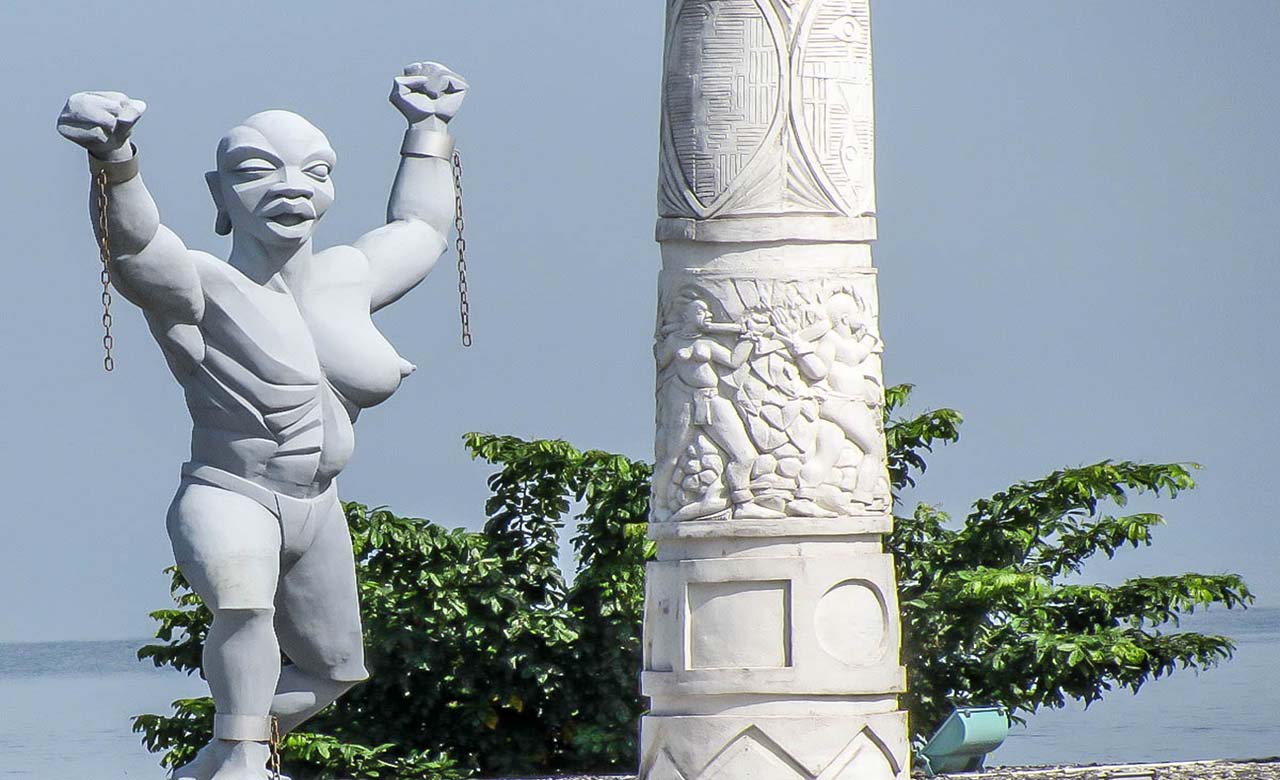
    The Stele of Freedom is a monument located close to the Presidential Palace in Libreville, Gabon. It was built to commemorate the end of the slave trade in 1848. This monument is the work of painter and sculptor Me Minko Minze. It depicts a slave, half-man and half-woman freeing herself from her chains. Credit – Da.com


    Until the spread of literacy in the 21st century, Gabon’s history and traditions, such as its extensive folklore and mythology, were predominantly oral. These traditions are kept alive through “Raconteurs” such as the ingwala among the Nzebis, and the mvett among the Fangs.

    Gabon uses internationally celebrated masks for a variety of predominantly ceremonial reasons such as birth, funerals, and marriage. Masks include the relicary figure of the Kota and the n’goltang (Fang). Precious materials and local woods are the main materials used by traditionalists.

    In 2021, Gabon became the first African country to receive payment for reducing CO2 emissions from deforestation and forest degradation.

  • An Immigrant’s Journey to the Denver Art Museum

    An Immigrant’s Journey to the Denver Art Museum

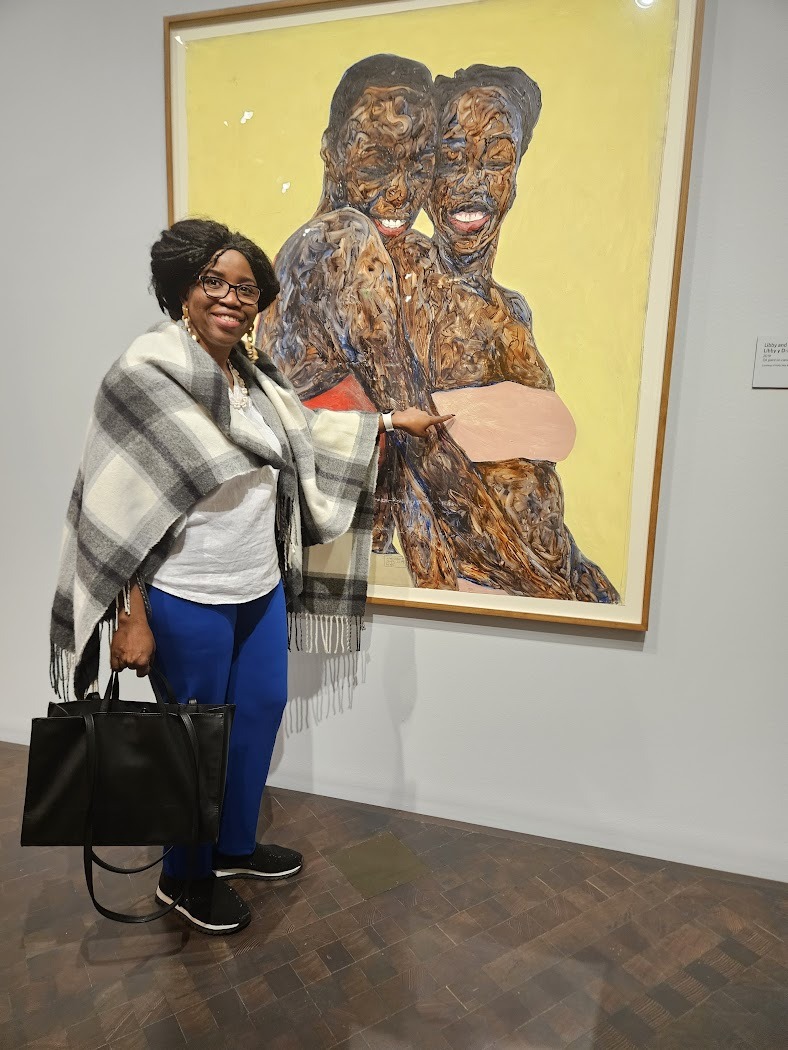
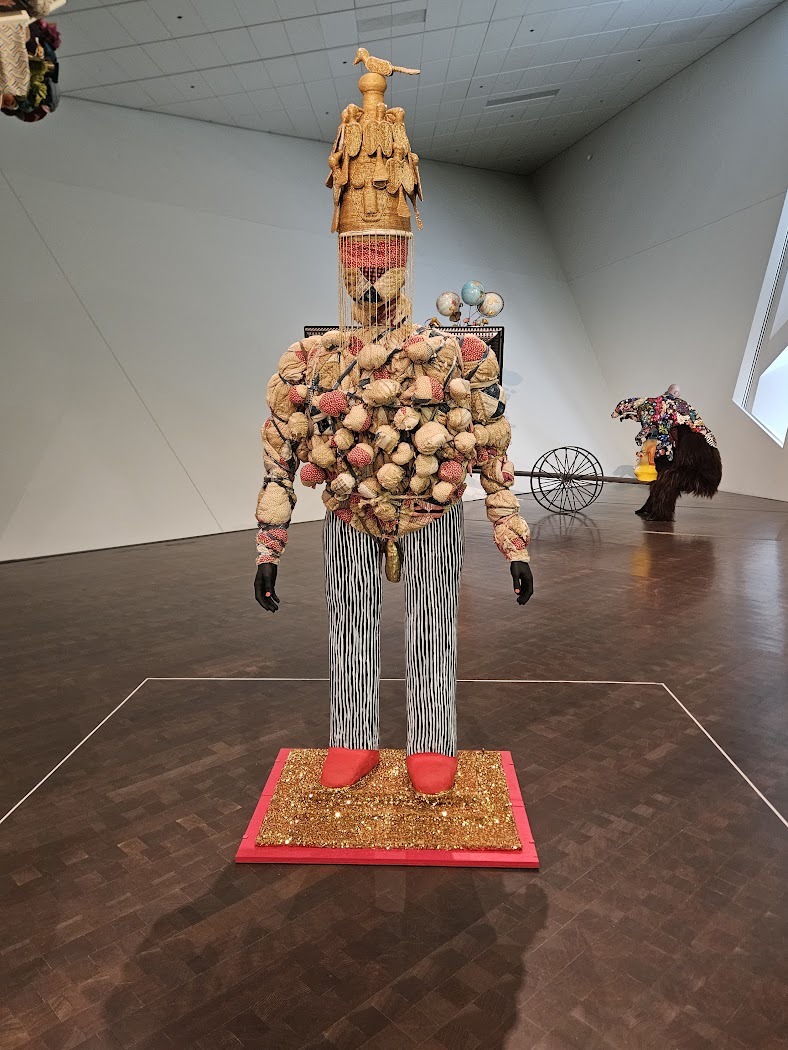
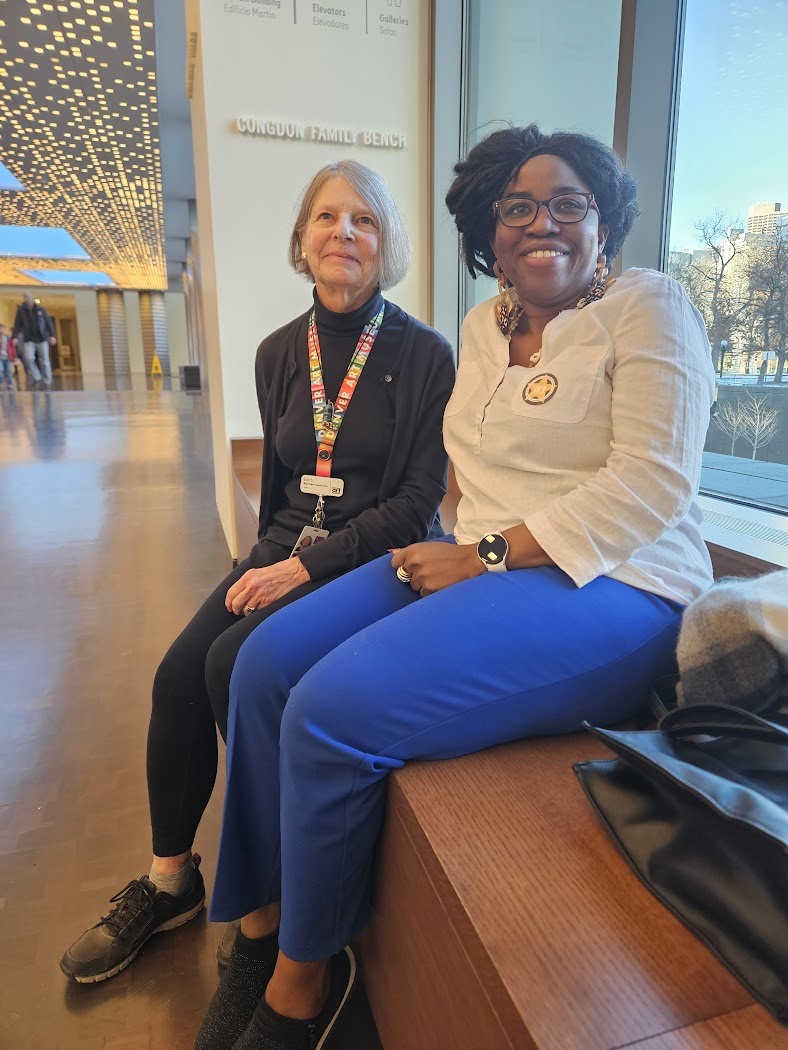
    Imagine a vibrant tapestry woven from experiences, aspirations, and a touch of afrobeat. That’s what my visit to the Denver Art Museum felt like, a tapestry I’d been too busy weaving to appreciate. Like many immigrants, my American journey has been one of bootstraps and hustle, chasing the dream with little time for “distractions.” But an invitation to the museum was a hand outstretched to include my community, and I couldn’t ignore it. It was a chance to experience the museum’s splendor and share it with my community, a world often overlooked by the mainstream.

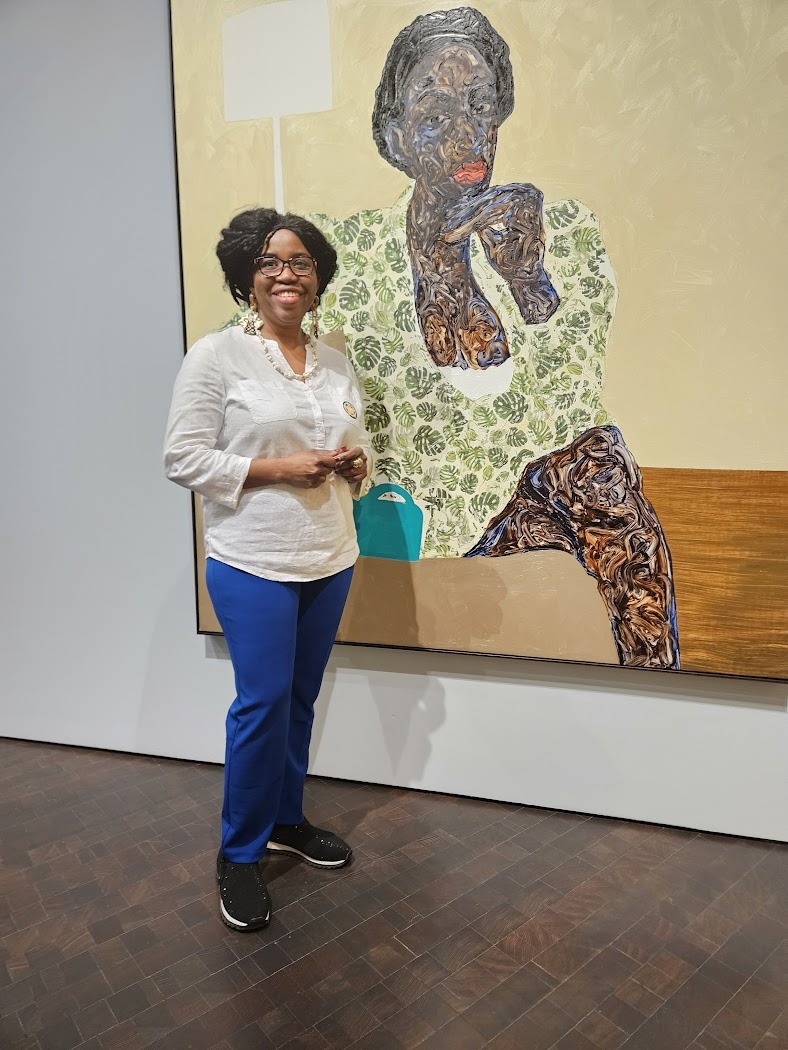
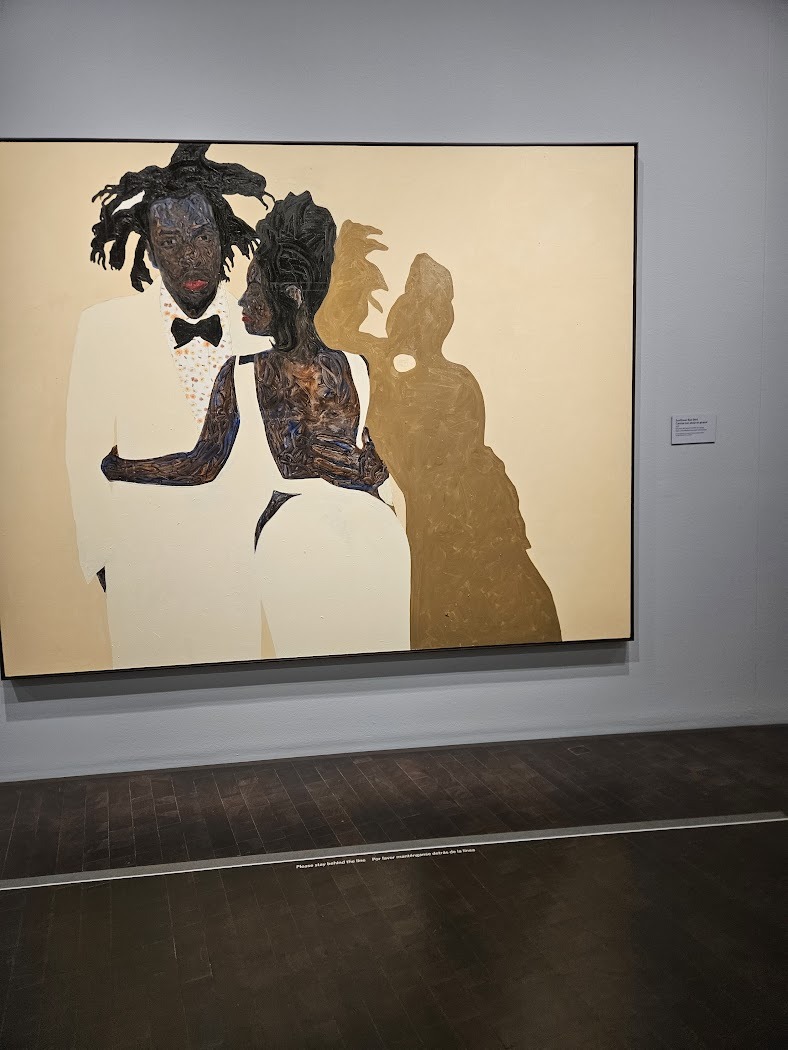
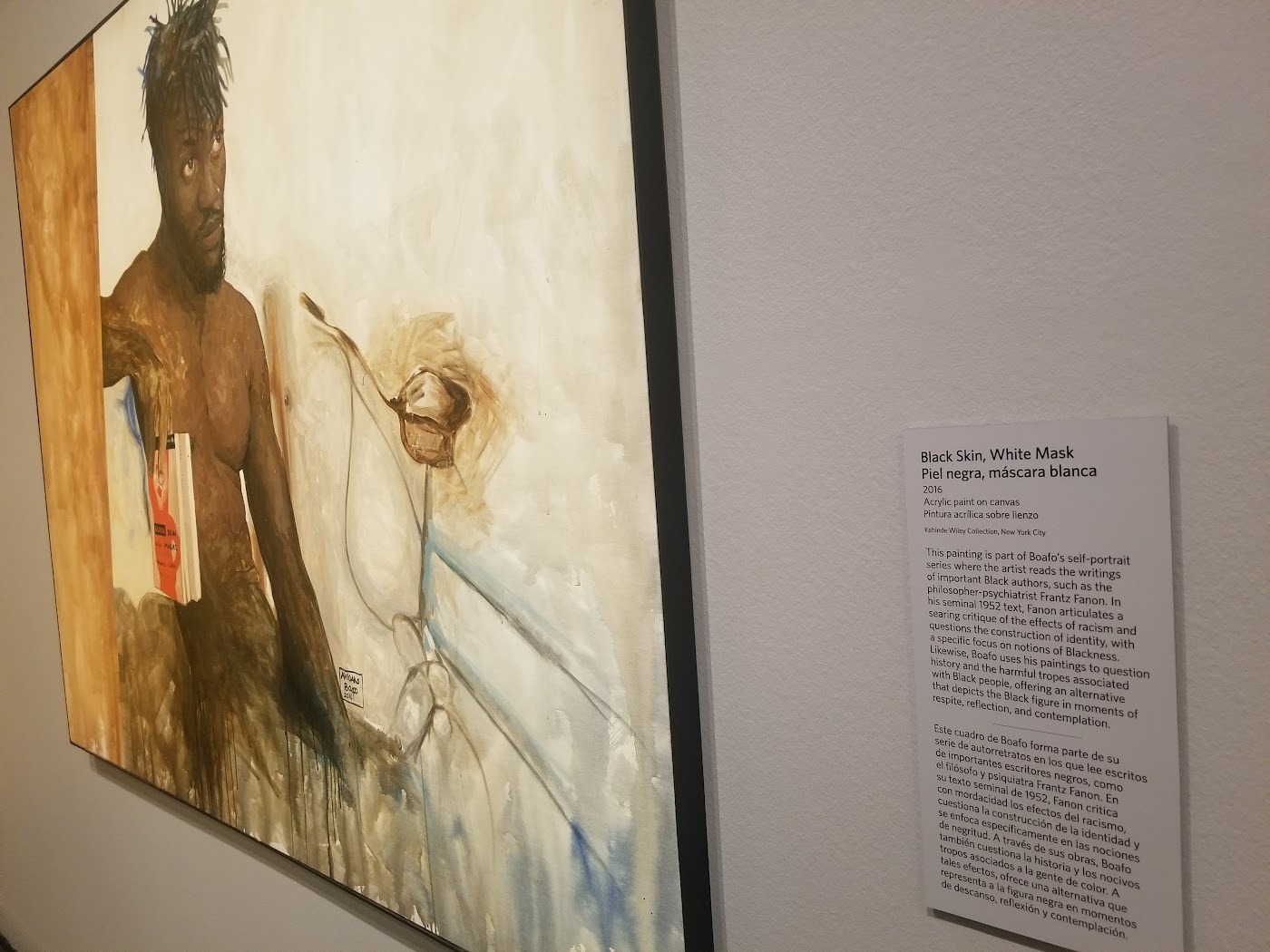
    And so, we stepped into the majestic Frederic C. Hamilton Building, a castle of art in the heart of Denver. One exhibit called out to me: “Soul of Black Folks” by Amoako Boafo, promising a vibrant tapestry of Black life. Boafo, a Ghanaian artist, channels his heritage into every stroke. His inspiration? W.E.B. Du Bois’ seminal work, “The Souls of Black Folk.” Boafo’s figures defy limitations, their gazes challenging the “othering” they’ve so often faced.

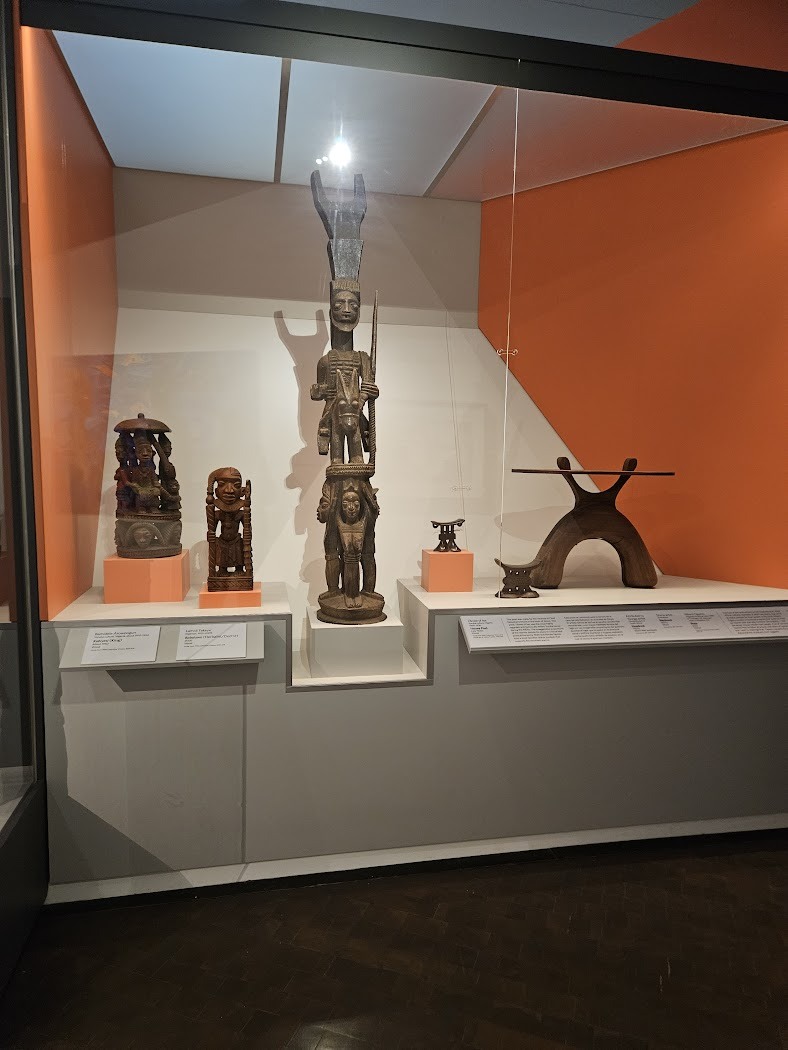
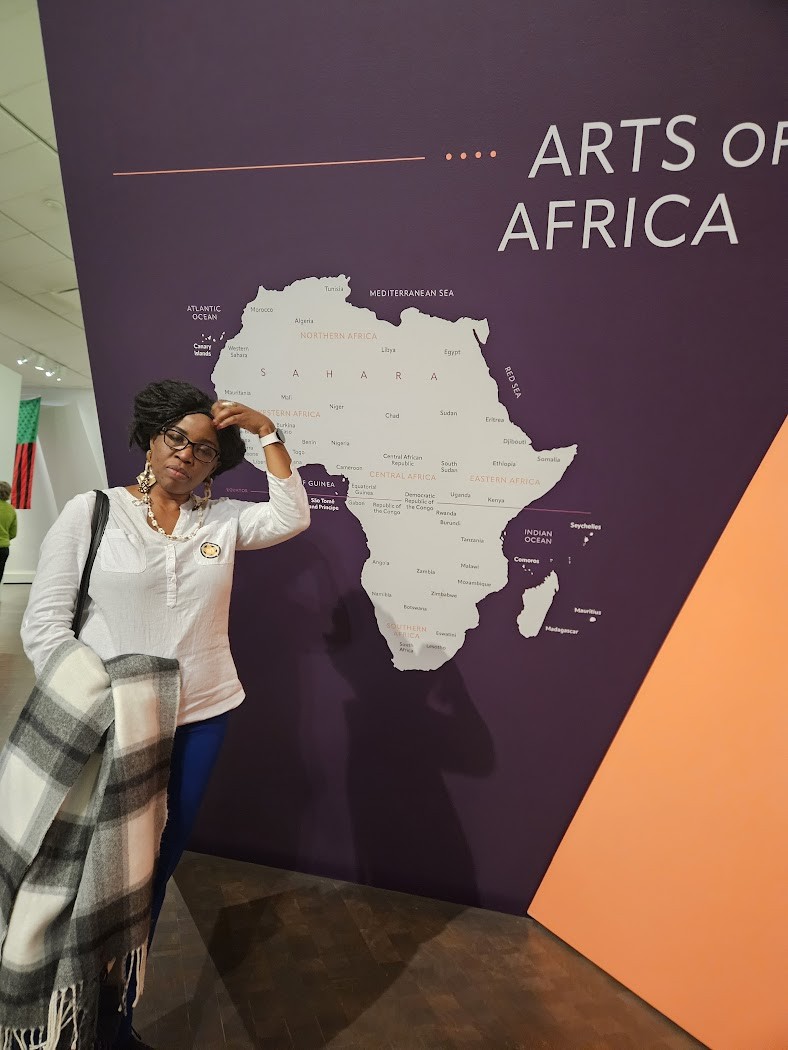
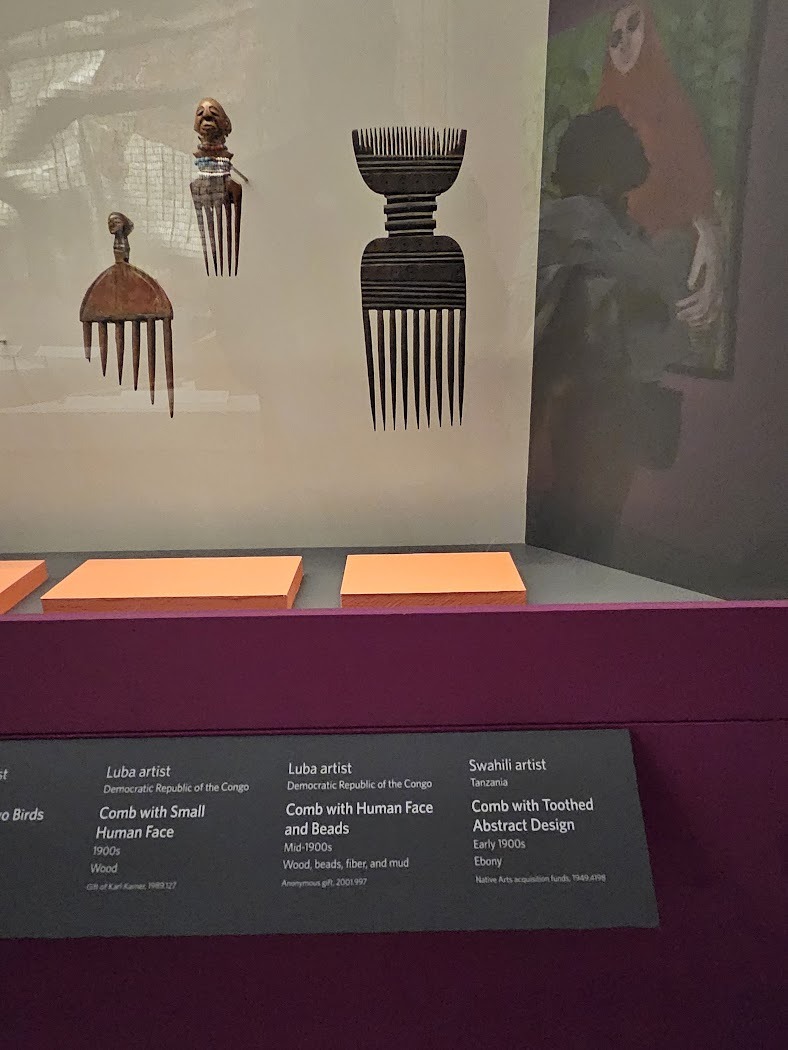
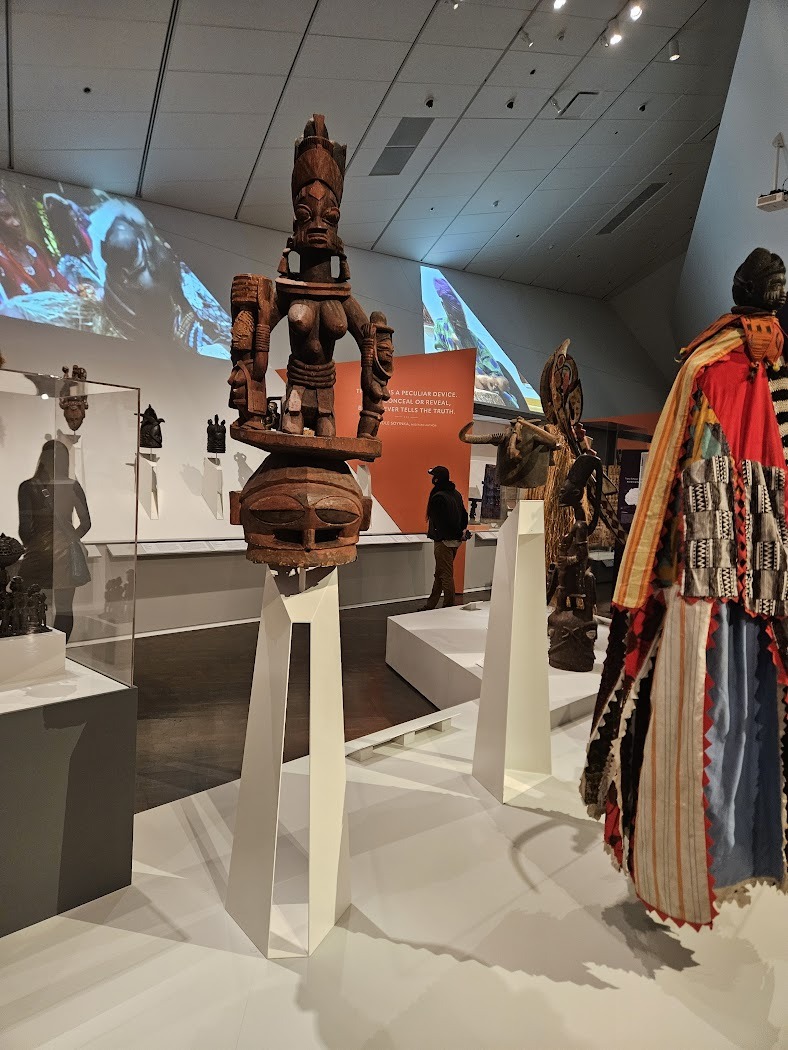
    But the Denver Art Museum wasn’t just about rediscovering Black narratives. The Arts of Africa gallery transported me back home, the smell of Afro Sheen during hair plaiting and the beat of drums washing over me. Carvings whispered ancient stories, masks danced with ancestral spirits, and intricate paintings pulsed with the heartbeat of a continent. It was a homecoming, a reminder of the roots that nourish my own journey.

    Leaving the museum, I carried more than just memories. I carried a newfound appreciation for the stories waiting to be discovered, for the beauty that blooms even in unexpected corners. And most importantly, I carried the hope that art, like that fishing line, can cast wider, reeling in communities and weaving them into the vibrant tapestry of our shared humanity.

    Amoako Boafo: Where Black Lives Fill the Canvas and Reach for the Sun

    Imagine a canvas not just as a rectangle, but as a boundless cosmos. An expanse where towering figures, black and proud, stretch towards the heavens, their very presence claiming space, demanding to be seen. This is the universe of Amoako Boafo, where self-portraits aren’t mere faces, but titans against the backdrop of existence.

    He paints with his fingers, not just brushes, each stroke imbued with the tactile memory of life. His figures bleed vibrancy, a kaleidoscope of reds, blues, and ochres pulsating with energy. They’re bold, unashamedly present, challenging the gaze of the “other” with their unflinching eyes and unapologetic posture.

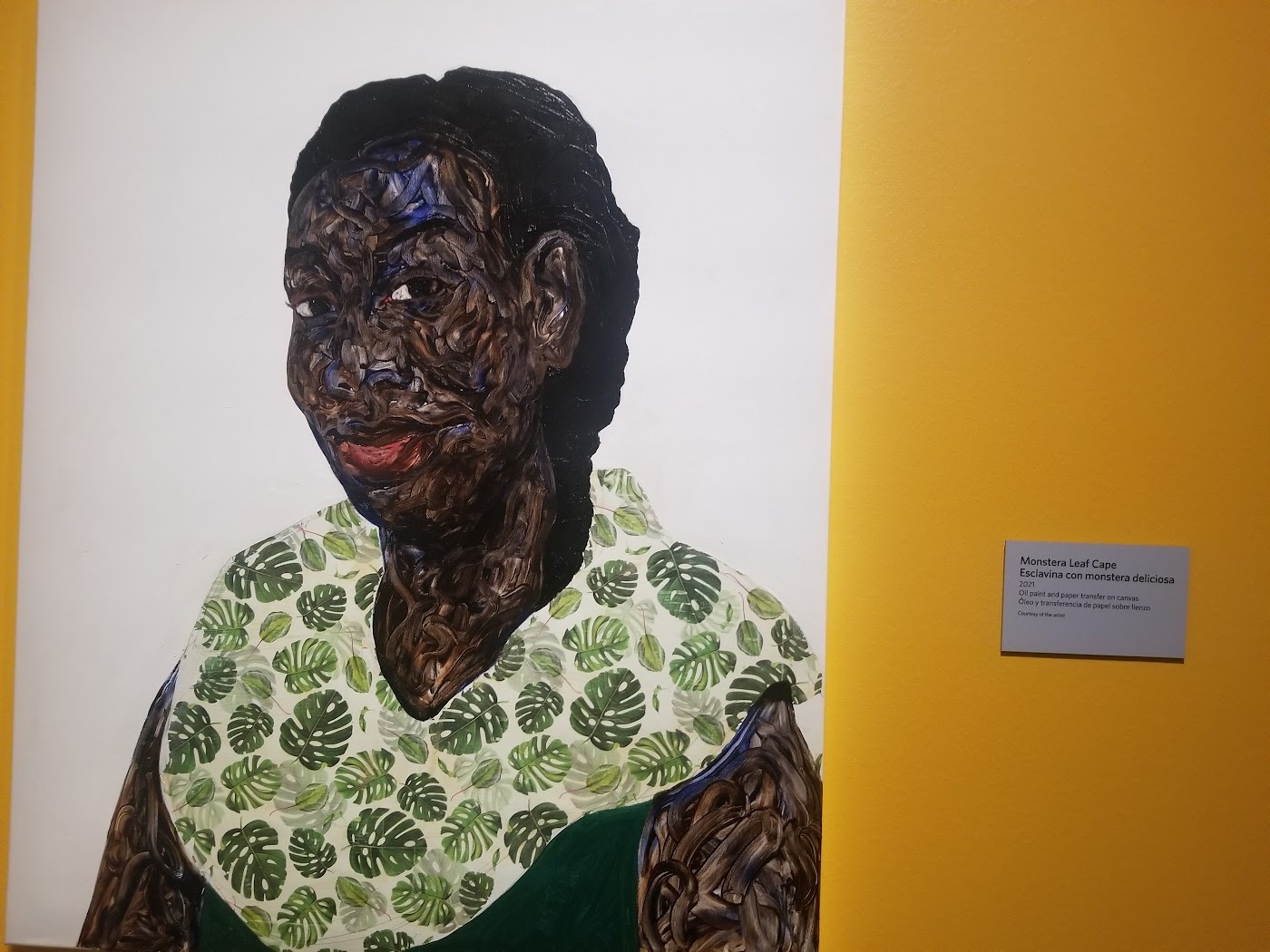
    But Boafo’s canvas isn’t just populated by humans. Weaving through the scenes, punctuating the portraits, and climbing alongside the figures are the Monstera Deliciosa leaves. These split-leaf beauties, with their perforated hearts and tenacious spirit, become potent metaphors for the Black experience.

    Like the resilient plant, the Black lives in Boafo’s art adapt and overcome. They perforate through adversity, their “splits” not wounds, but testament to their ability to thrive in any environment. They reach for the sun, drawing strength from their roots in culture and community, forever aspiring to climb higher.

    This interplay between humanity and nature is a constant dialogue in Boafo’s work. The leaves offer shade, a safe haven within the vastness of the canvas. They whisper stories of lineage, connecting the figures to their ancestral soil. And they offer support, a verdant trellis for souls reaching for the light.

    Boafo’s art isn’t just paint on canvas. It’s a symphony of self-affirmation, a celebration of Black existence in all its complexity. It’s a defiant proclamation that Black lives not only belong but occupy, fill, and transform the space they inhabit. And just like the Monstera leaves, they’ll keep perforating, reaching, and climbing, their resilience forever blooming on the canvas of life.

  • President Biden Appoints Two Americans of Nigerian Heritage to Advisory Council

    President Biden Appoints Two Americans of Nigerian Heritage to Advisory Council

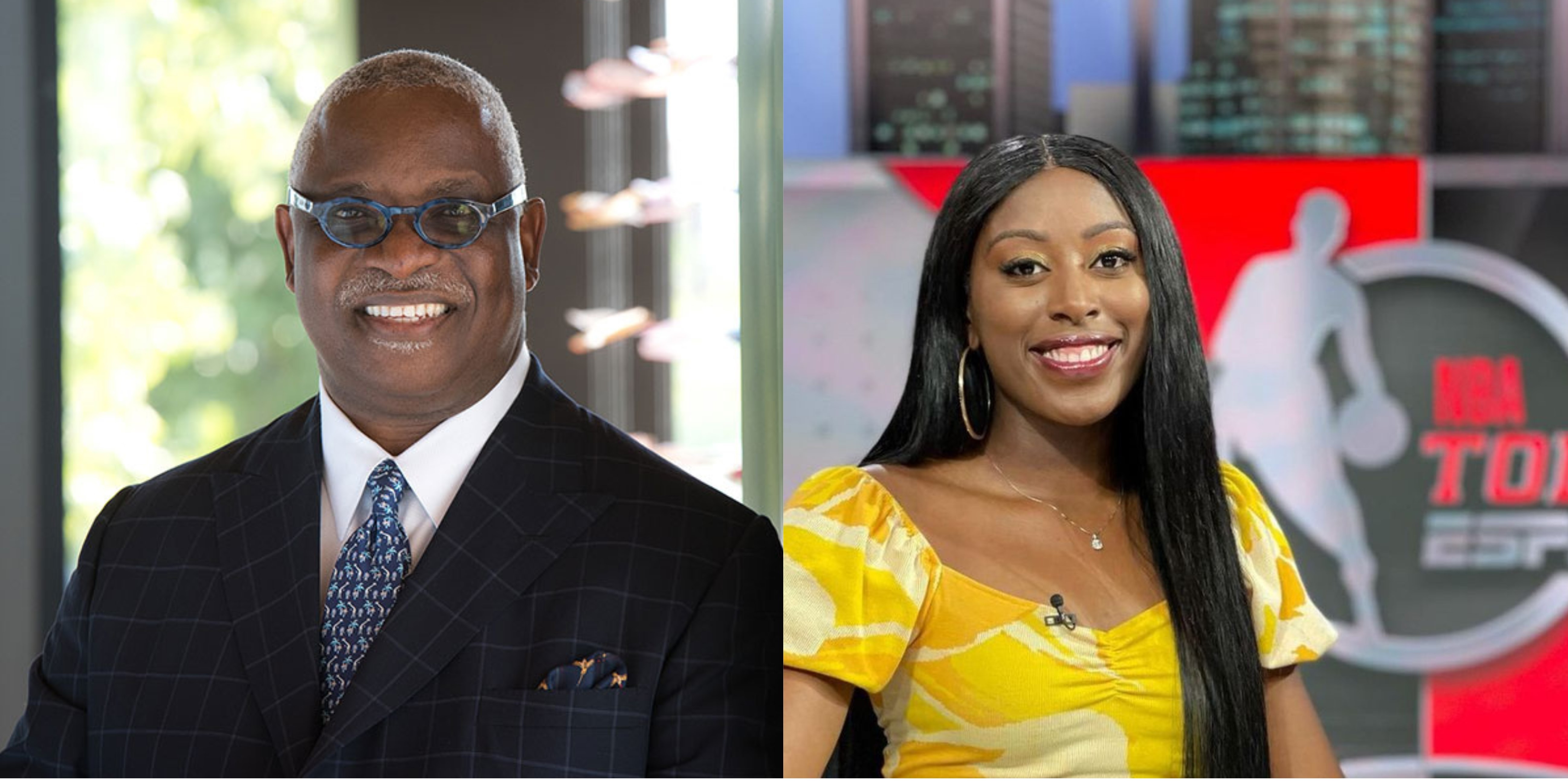
    Osagie Imasogie and Chineye Ogwumike who are of Nigerin heritage were among the 12 members appointed to serve on the President’s Advisory Council on African Diaspora Engagement in the United States. Credit: Punch

    President Joe Biden of the United States has recently appointed two professionals of Nigerian descent as special advisers. Osagie Imasogie and Chineye Ogwumike were among the 12 members appointed to serve on the President’s Advisory Council on African Diaspora Engagement in the United States.

    The announcement of these appointments was made in a statement issued by the State House. The council’s members, include Silvester Scott Beaman, who will assume the role of council chair, Mimi E. Alemayehou, Rosalind Brewer, Viola Davis, Helene D. Gayle, Patrick Hubert Gaspard, C.D. Glin, Osagie Imasogie, Almaz Negash, Chinenye Joy Ogwumike, Ham K. Serunjogi, and Kevin Young, will serve during the term of 2023-2025.

    The establishment of this council aims to facilitate meaningful dialogue between U.S. officials and the African Diaspora. The statement highlights that the council’s members come from diverse backgrounds, including government, sports, creative industries, business, academia, social work, and faith-based activities.

    These members are expected to provide valuable guidance to strengthen the cultural, social, political, and economic connections between the United States and Africa. Additionally, their role will involve promoting trade, investment, and educational exchanges between the United States and Africa, as articulated in the statement.

    Antony J. Blinken, U.S. Secretary of State said these twelve leaders have all played important roles in strengthening United States-Africa relations and shaping United States foreign policy toward Africa. They reflect the diversity of the African diaspora from African American and African immigrant communities. In the words of the president, he will leverage the expertise of the council to boost ties with Africa.

    “I will rely on their advice and counsel on how we can strengthen cultural, social, political, and economic ties between African communities and the African diaspora,” Biden said as quoted by the Department of State.

    Chinenye “Chiney” Ogwumike is a 2-Time WNBA All-Star for the Los Angeles Sparks and a full-time, multi-platform ESPN host and NBA analyst. Chiney stars on ESPN daily on ESPN’s NBA Today and NBA Countdown, and also stars on the court as a forward for the Sparks. Chiney is a proud first generation Nigerian-American, born in Cypress, Texas. The 1st overall pick in the 2014 WNBA Draft, she graduated from Stanford University with an International Relations degree under the mentorship of Dr. Condoleezza Rice.

    Chiney Ogwumike, who has always been passionate about her Nigerian heritage said it feels like a calling of a lifetime. In August 2020, Chiney became the first Black woman to host a national, daily sports-talk radio show. The 2021 Forbes 30 Under 30 honoree also holds the title of Executive Producer, producing an ESPN Films documentary “144” on the 2020 WNBA season. In 2018, Chiney became a full-time multi-platform ESPN NBA Analyst, becoming one of the youngest national sports studio analysts and one of the only full-time professional athletes to currently hold a regular national sports media position. She has made numerous trips to Nigeria, Rwanda, Kenya, and South Africa with NBA Africa and other nonprofits to help launch youth empowerment and education initiatives, using basketball as a tool for development.

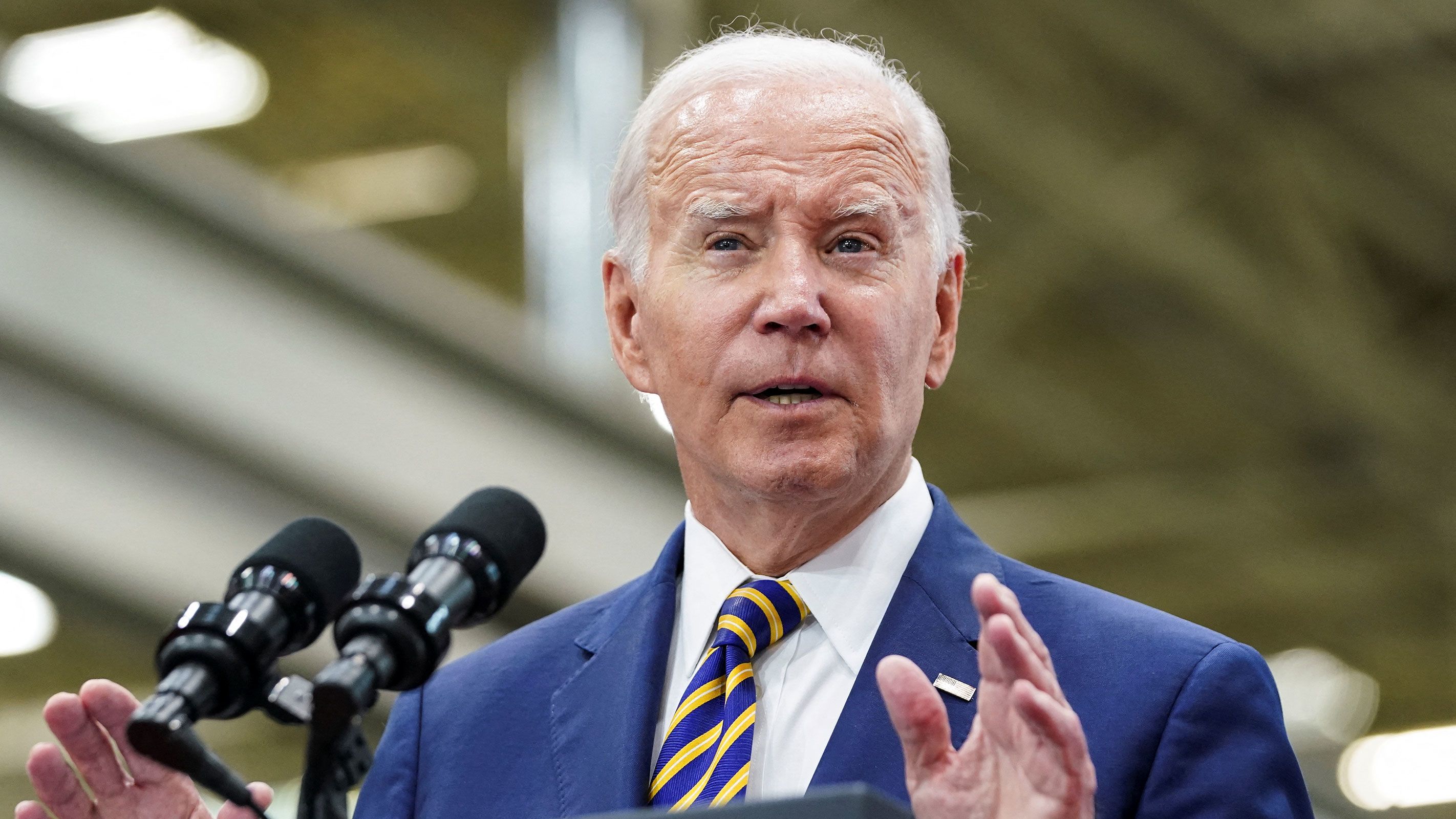
    President Biden has said on several occasions that he is keen to srengthen and deepen America’s relationship with Africa. Credit: NY Times

    Osagie Imasogie is Chairman of the Investment Bank and SEC/FINRA registered Broker-Dealer, Quoin Capital and Quoin Advisors. In addition, Osagie is a co-founder of PIPV Capital, a private equity firm that is focused on the life sciences vertical and has invested over $1 billion into that industry. Prior to co-founding PIPV Capital, he established GlaxoSmithKline Ventures and was its founding Vice President. Osagie has held senior commercial and R&D positions within pharmaceutical companies such as GSK, SmithKline Beecham, and DuPont Merck.

    He has also been a Price Waterhouse Corporate Finance Partner as well as a practicing attorney with leading U.S. law firm, Schnader, Harrison, Segal & Lewis. Osagie is a serial entrepreneur and investor who serves on the board of a number of financial institutions such as FS-KKR Capital Corp and Haverford Trust, institutions that cumulatively manage over $28 billion. He is an adviser to Brown Advisory, a firm that manages in excess of $140 billion. Osagie is the Vice-Chair of the Executive Committee of the Philadelphia Museum of Art and a member of the Executive Committee and Chair of the Nominating & Governance Committee of the Philadelphia Orchestra and Kimmel Center.

    In addition, Osagie is a Trustee of the University of Pennsylvania, a member of the Executive Committee of the University, and is also the Chairman of the Board of the University of Pennsylvania Carey Law School, where he is an Adjunct Professor of Intellectual Property. Osagie holds LLM degrees from the London School of Economics and the University of Pennsylvania Carey Law School, and is a member of the New York State Bar in addition to being admitted to practice in other jurisdictions.


  • Child protection : Côte d’Ivoire and the United States of America join forces

    Child protection : Côte d’Ivoire and the United States of America join forces

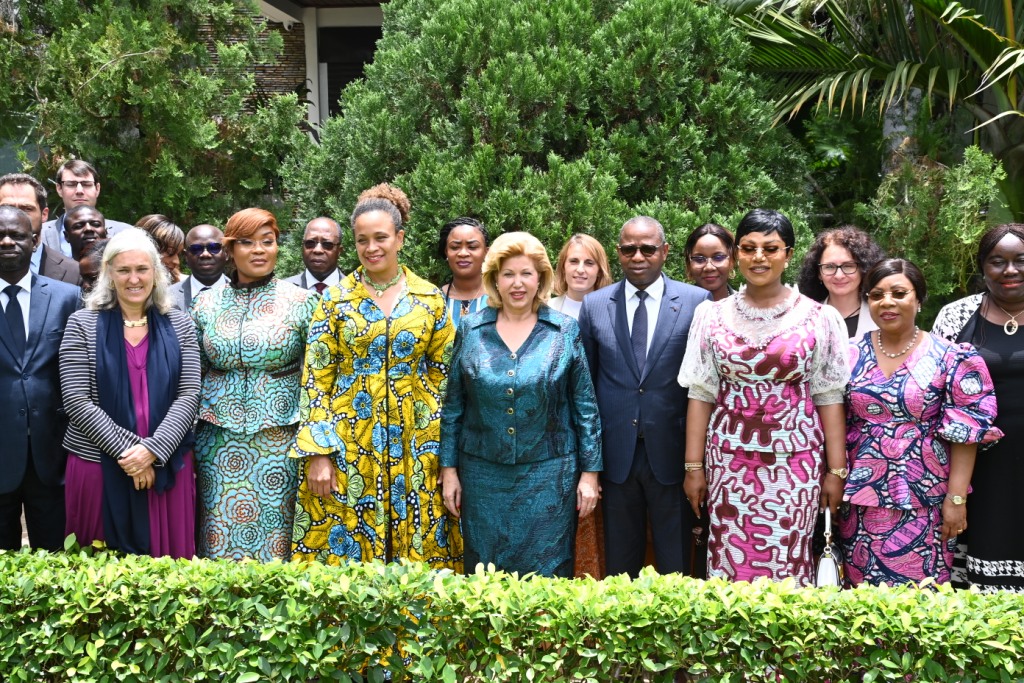
    First Lady of Côte d’Ivoire Dominique Ouattara, United States Ambassador to Côte d’Ivoire Jessica Davis Ba and other officials pose for a group photograph at the ceremony. Credit: AfricaReports.com

    The United States and Côte d’Ivoire recently launched the “Child Protection Compact Partnership Activities” which is aimed at addressing child sex trafficking and forced child labor in Côte d’Ivoire.

    First Lady of Côte d’Ivoire Dominique Ouattara, United States Ambassador to Côte d’Ivoire Jessica Davis Ba, Deputy Director of the Office to Monitor and Combat Trafficking in Persons Bryan Marcus, the Minister of Employment and Social Protection Adama Kamara, and the Minister of Solidarity and the Fight Against Poverty Myss Belmonde Dogo were all present at the ceremony to implement the partnership between Côte d’Ivoire and the United States of America for child protection, in early September 2023, in Cocody, Côte d’Ivoire.

    On December 7, 2022, the Child Protection Partnership (CPC) was signed between the United States of America and Côte d’Ivoire. The ceremony marked the implementation phase of this agreement. The Child Protection Compact (CPC) is a U.S. government aid program worth up to 10 million U.S. dollars, or around 5 billion CFA francs, to combat child trafficking. The focus of the partnership is to build the capacity of government bodies, civil society organizations and public international organizations to combat child trafficking. The objective is also to intensify Côte d’Ivoire’s efforts to meet the needs of child victims of trafficking, as well as children who are vulnerable or at risk of trafficking, in order to eliminate the phenomenon in the country.

    The agreement is scheduled to run for five years.

    Following a call for applications, the University of Massachusetts Lowell and Save The Children were selected to lead the implementation phase of the child protection partnership. The University of Massachusetts Lowell will conduct a study to provide accurate information on human trafficking in Côte d’Ivoire. Save The Children, for its part, will be responsible for implementing the activities of the child protection pact.

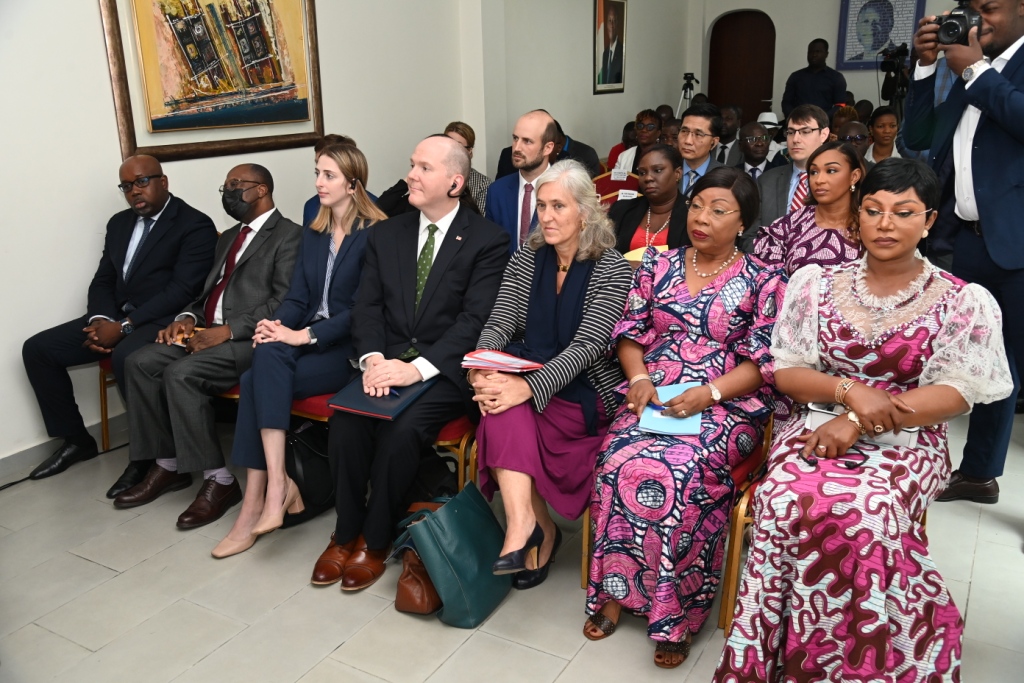
    Guests seated at the ceremony. Credit:AfricaReports.com

    The First Lady, Ms Dominique Ouattara, who has been involved in child protection for several decades, welcomed the official launch of the partnership’s activities as she strongly feels the implementation of programs will enable Côte d’Ivoire to step up its actions to protect children. “Today, I am happy to see we are launching the implementation phase of our  agreement, which will enable Côte d’Ivoire to intensify its efforts in the fight against human trafficking, particularly with regard to children and young girls, thanks to funding from the American Government”, she said at the ceremony.

    She also went on to say that child protection has always been at the heart of her concerns as she recalled her commitment to the fight against trafficking, exploitation and child labor for several years. “The issue of child protection has always been at the heart of my concerns. As you know, child labor is a global issue, and our country, Côte d’Ivoire, is unfortunately no exception. And for several years now, we have been fighting relentlessly against trafficking, exploitation and child labor within our borders, to eradicate this phenomenon”, she recalled. Dominique Ouattara recalled the creation of the Oversight Committee for Actions against Child Trafficking, Exploitation and Labor (CNS), Inter Ministerial Committee to Combat Child Trafficking, Exploitation and Labor (CIM) and the National Committee for the Fight against Human Trafficking (CNLTP), to take care of adults who are victim of human trafficking.

    Côte d’Ivoire currently has in place a legal framework to criminalize the perpetrators of human trafficking and protect the victims. The first lady recalled the laws of September 30, 2010 prohibiting trafficking and the worst forms of child labor; the law of December 8, 2016 on the fight against human trafficking; and finally that of June 13, 2018 repressing the illicit trafficking of migrants.

    In addition, the President of the CNS recalled in the context of repression, the creation in 2019 of six (06) special police brigades responsible for close surveillance throughout the national territory, in order to apprehend traffickers. “Thanks to the implementation of these legal and regulatory provisions, from 2012 to date, more than 200,000 vulnerable children and victims of trafficking and exploitation have been rescued, and more than 1,000 child traffickers have been apprehended, brought before the courts and prosecuted,” revealed Ms Dominique Ouattara.

    This pact represents another sign of a steadily growing relationship between Côte d’Ivoire and the United States. Early this year in June, agreements signed between the African country and Cybastion Institute of Technology, a consortium of companies based in the U.S and member of U.S Chamber of Commerce for Cote d’Ivoire to have its own national Data center and administrative digital city.

    That is also in addition to further deals between both countries in the areas of agriculture, education and marine resources being lined up for announcement before the end of the year.


  • Socializing the Nigerian Way

    Socializing the Nigerian Way

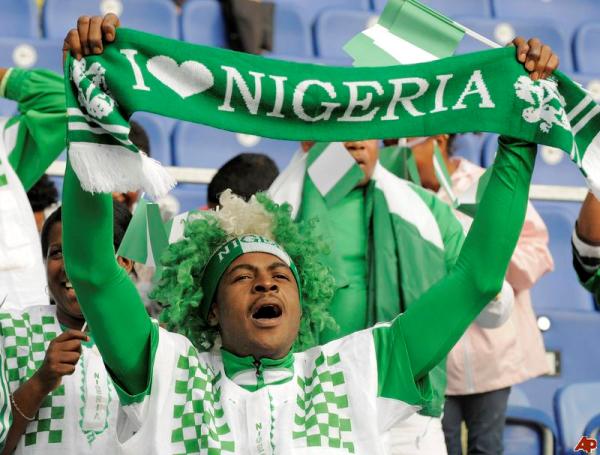
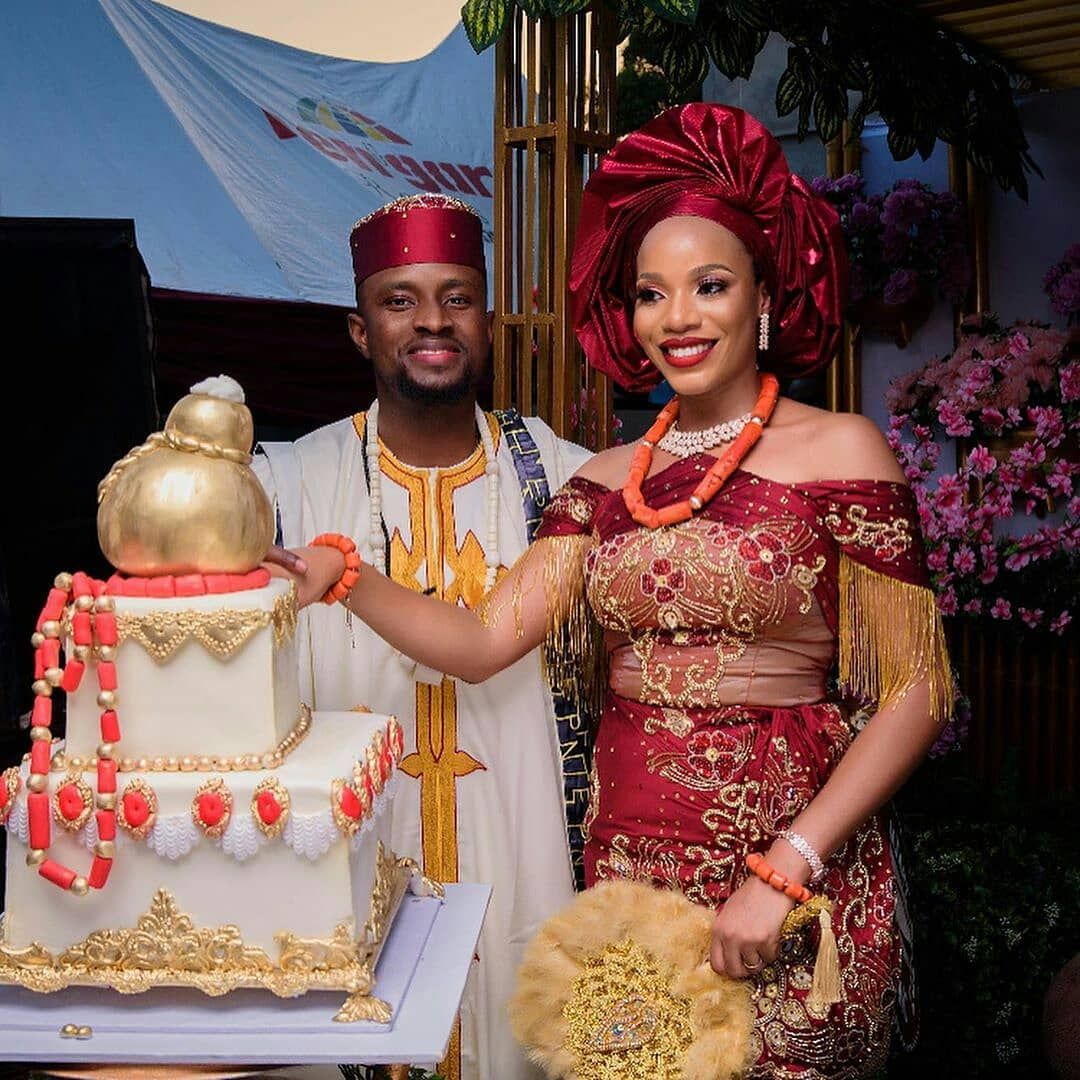
    Nigerians are known for their vibrant and colorful culture, especially when it comes to celebrating. Parties are a common way for Nigerians to socialize, have fun, and enjoy music, dance, food, and drinks. Some of the popular types of parties in Nigeria are weddings, birthdays, anniversaries, festivals, and religious events.

    With over 250 ethnic groups including the three dominant tribes of Hausa and Fulani, Yoruba and Igbo, the Nigerian social scene is blessed with a rich, diverse cultures.

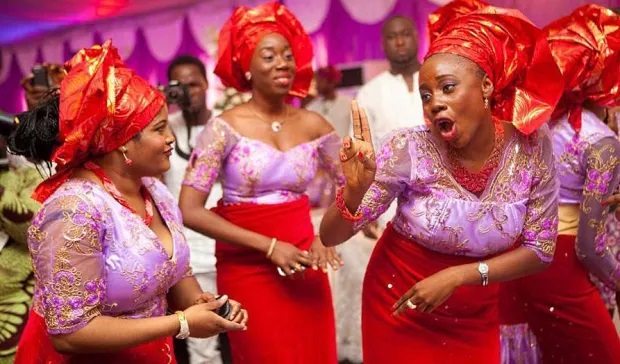
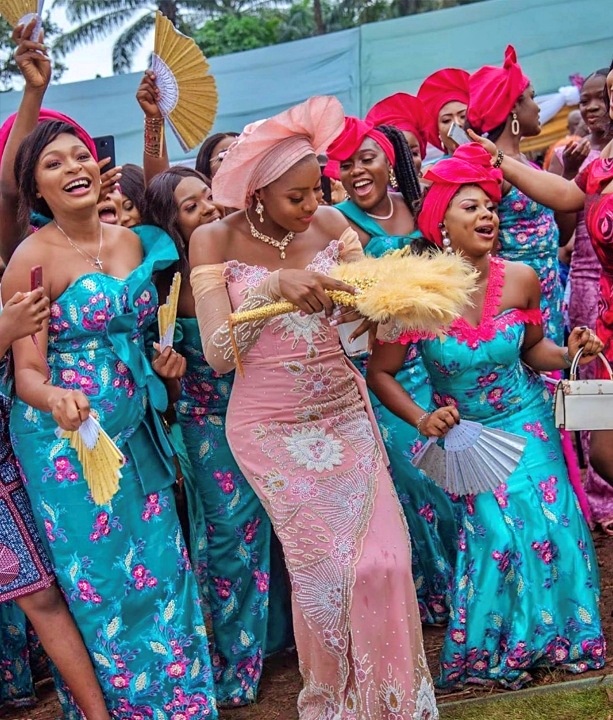
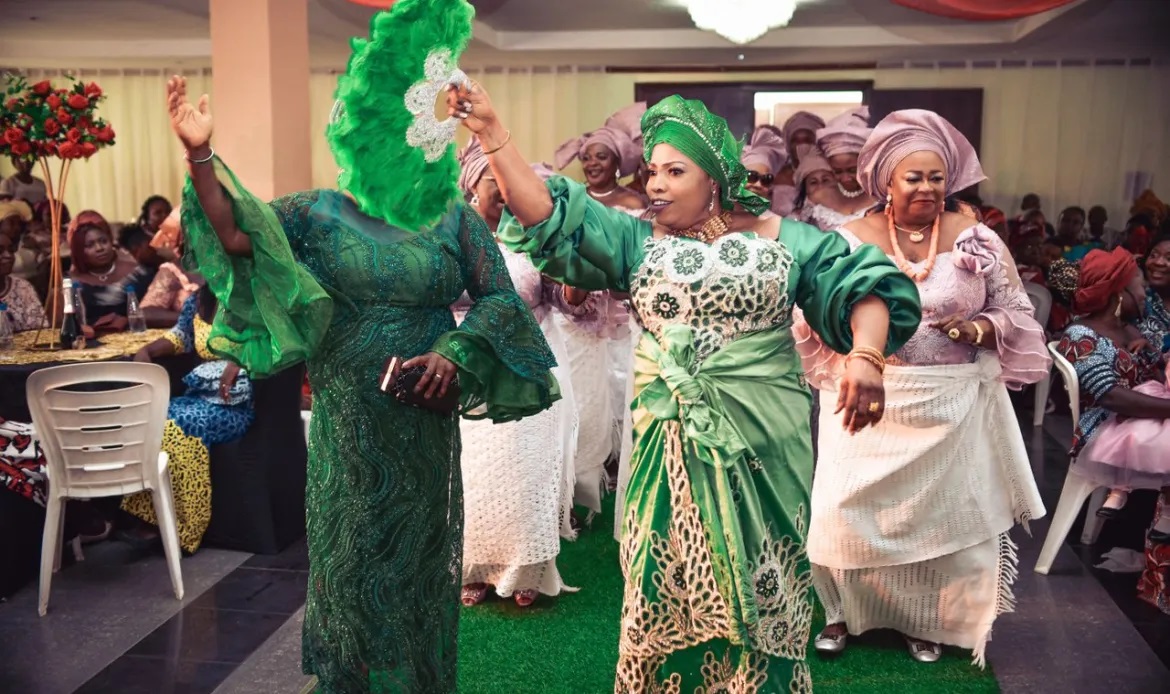
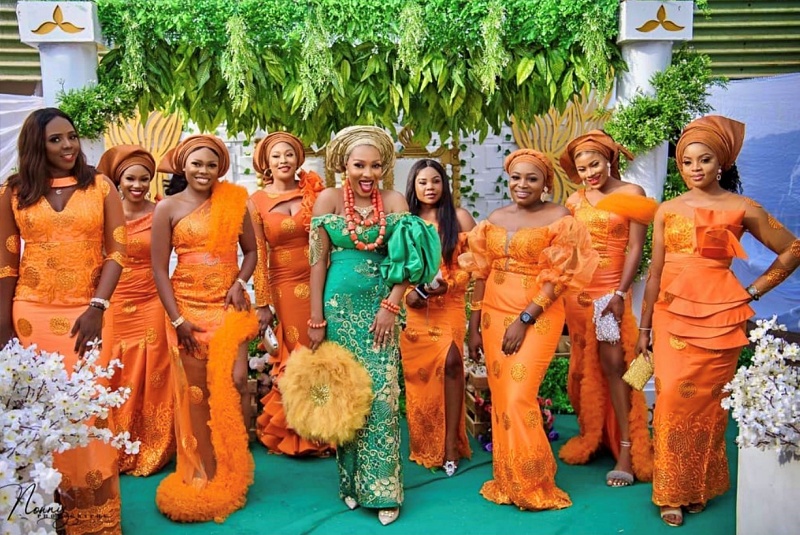
    Nigerians often dress in traditional attire such as Ankara, Aso Oke, Isi-Agu, Agbada, Wrapper and blouse, Babariga, Dansiki, Buba and Sokoto for parties. The fabrics are usually made in elaborate styles with surplus flow. They also like to accessorize with jewelry, hats, headties, shoes, and bags.

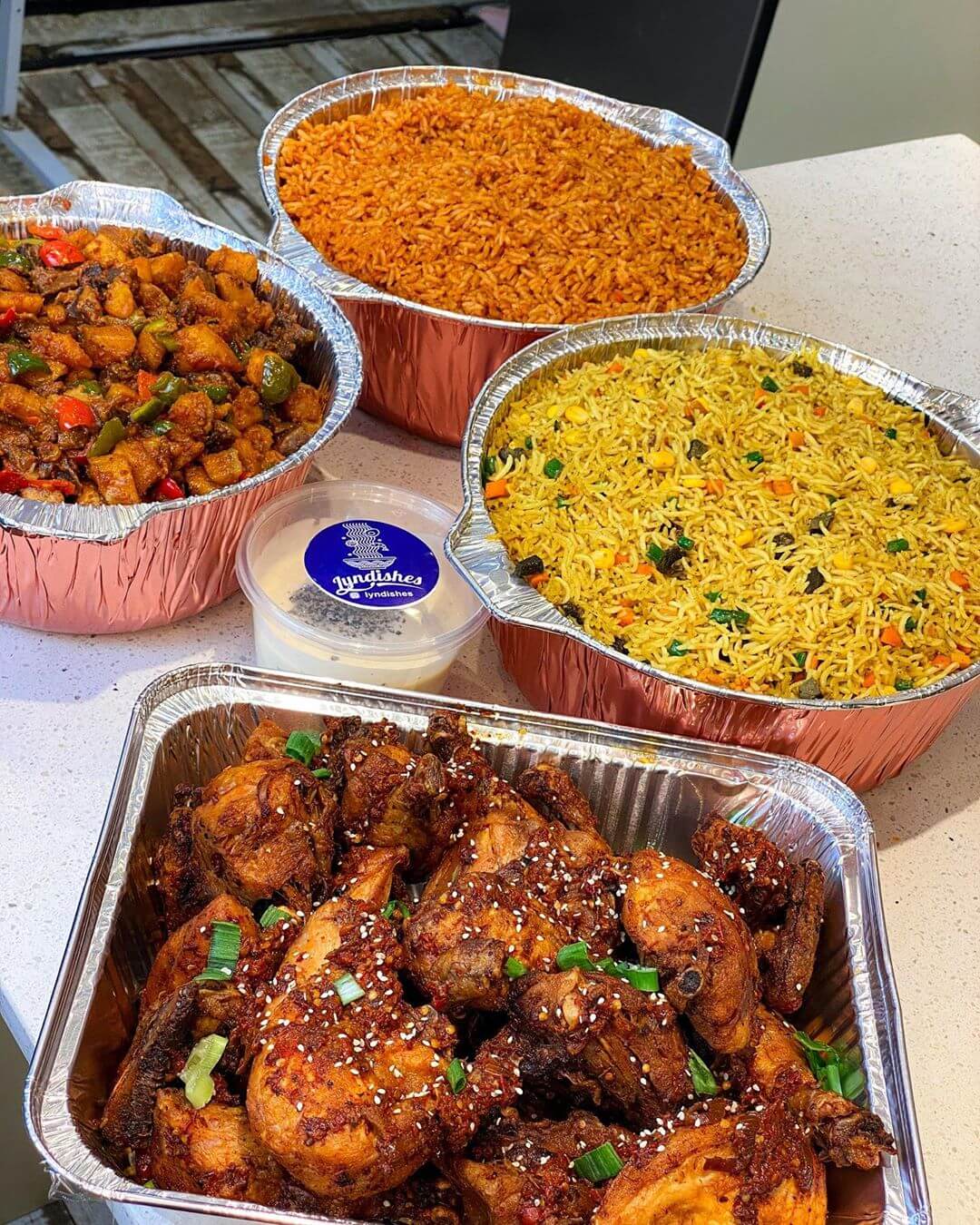
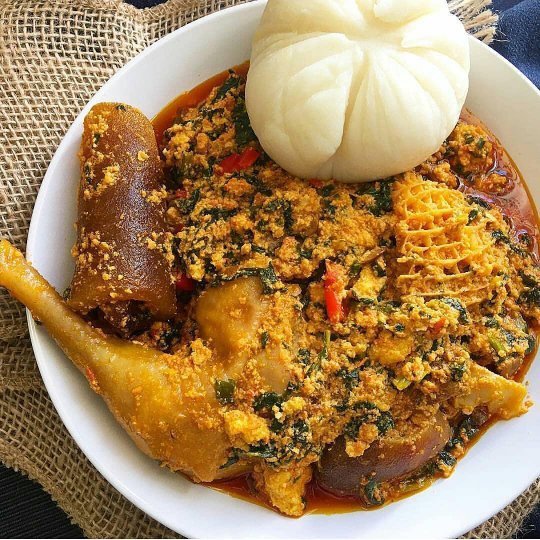
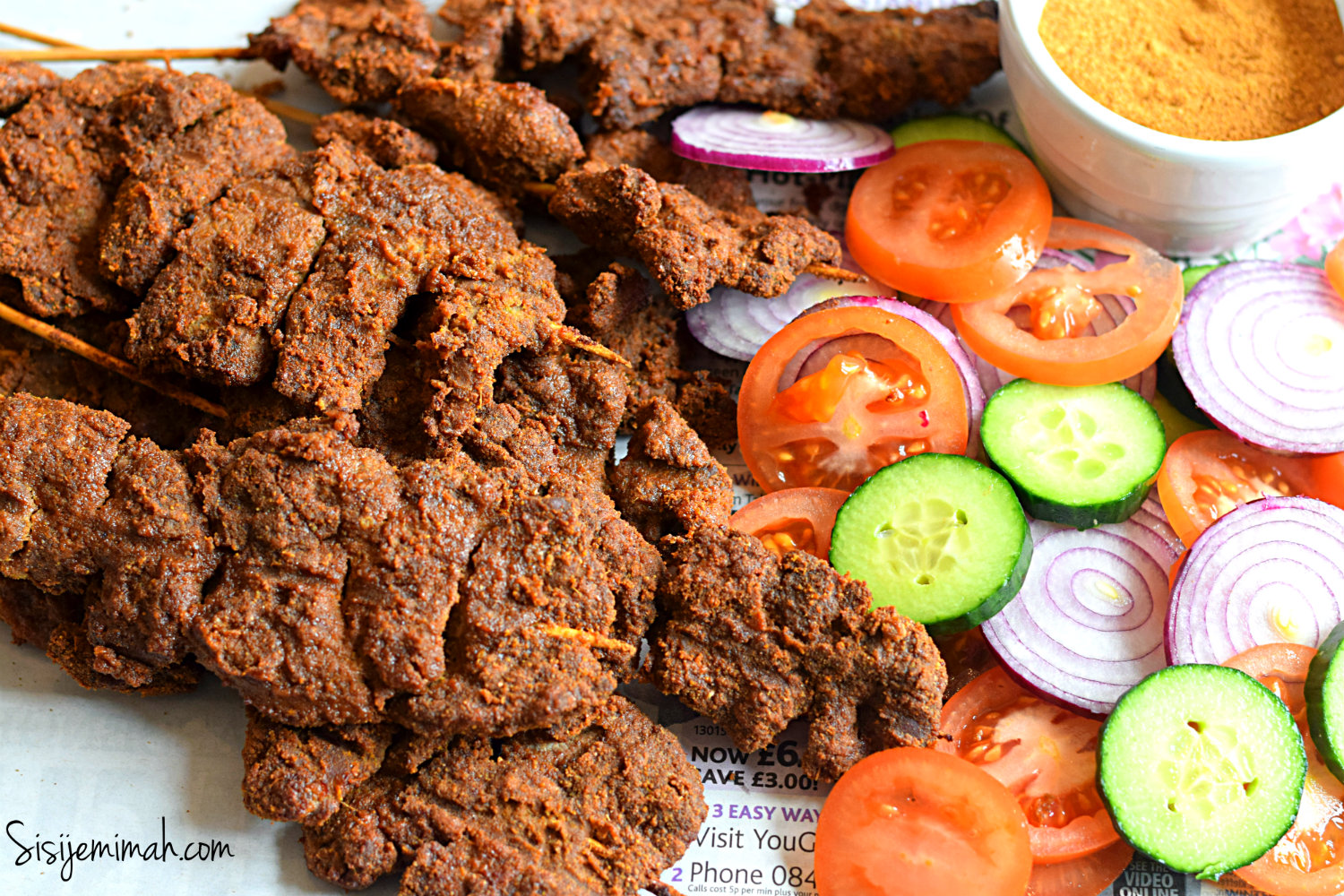
    Some of the typical foods and drinks served at Nigerian parties are jollof rice, fried rice, ofada rice, pounded yam, egusi soup, pepper soup, moi-moi, suya, chin chin, palm wine, and beer.

    Nigerians love to dance and sing along to various genres of music such as Afrobeat, Highlife, Fuji, Juju, and Gospel. Some of the famous Nigerian musicians who are popular at parties are Flavour, Wizkid, Davido, Burna Boy, Tiwa Savage, Yemi Alade, and Sinach. The music at Nigerian parties are usually loud; the dancing is non-stop and the entire scene is illuminated by shimmering headpieces (gele) and colorful uniformed group attire (aso ebi).

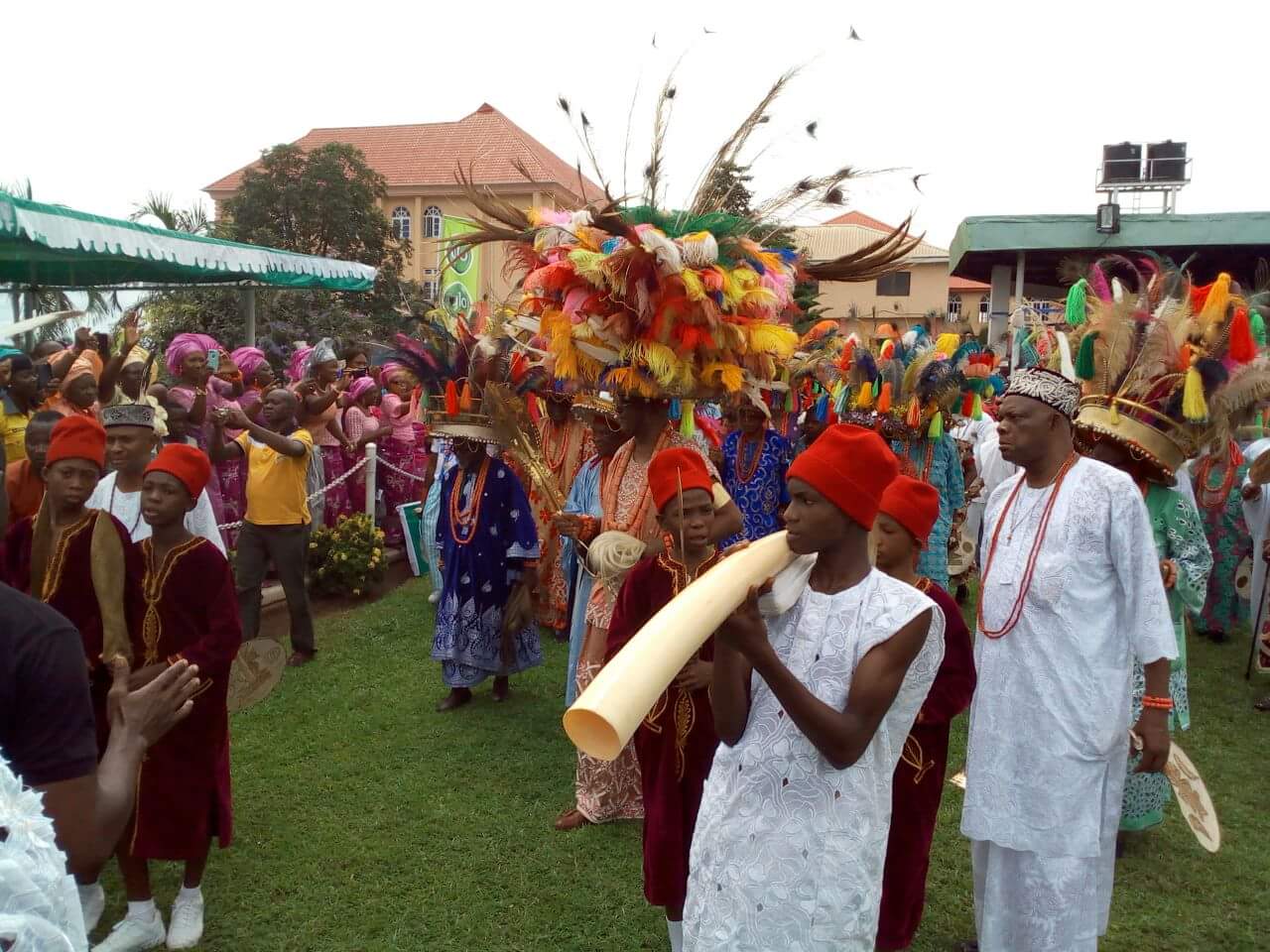
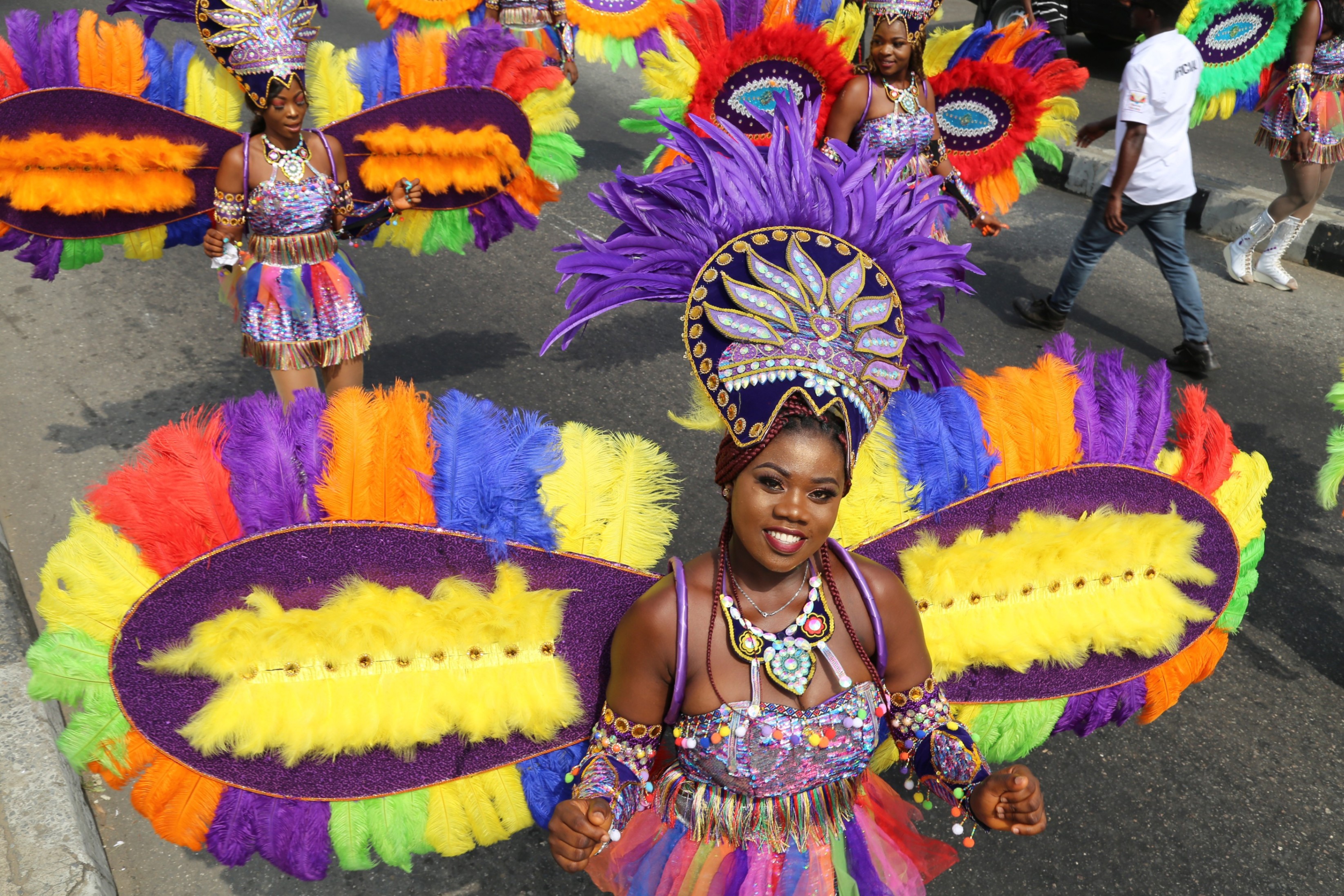
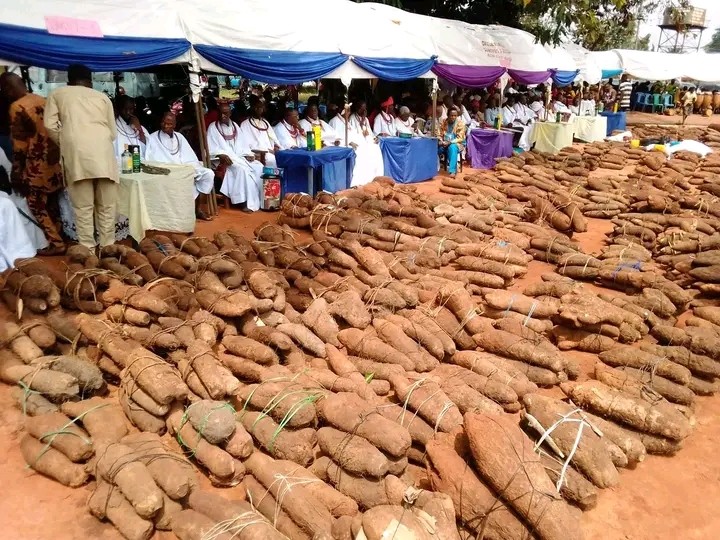
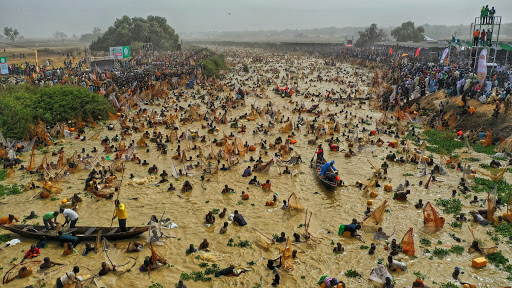
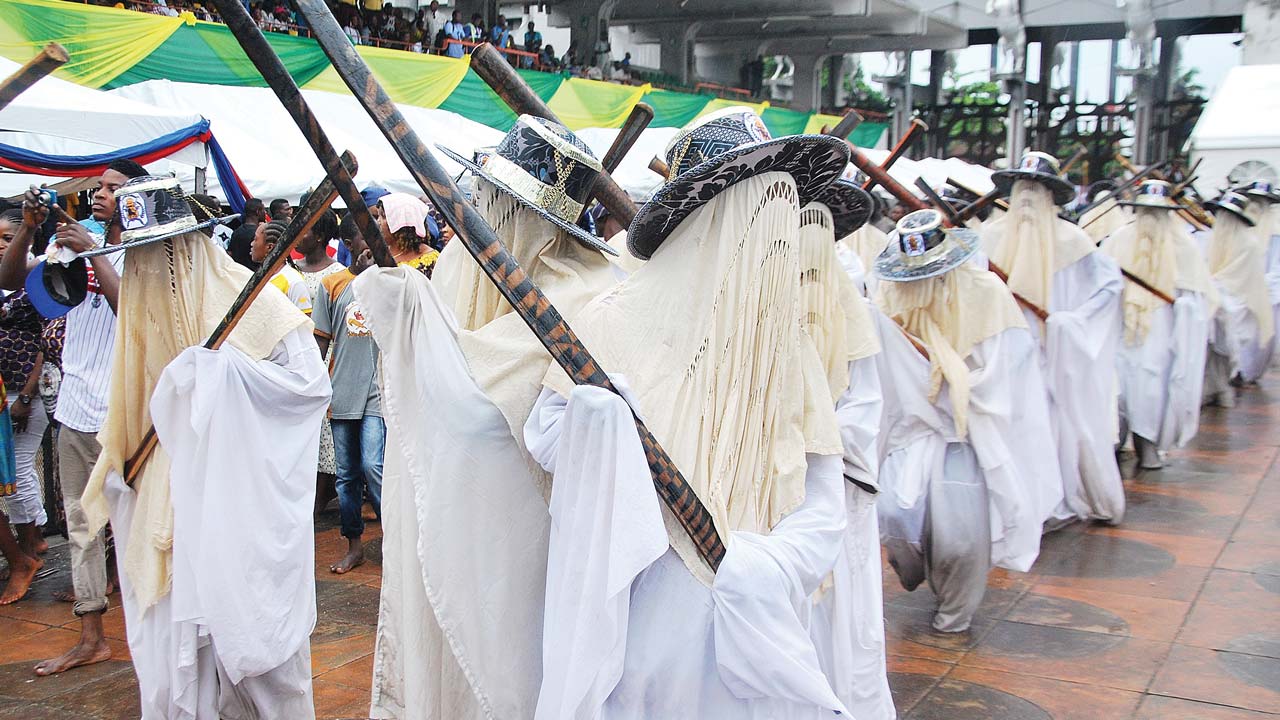
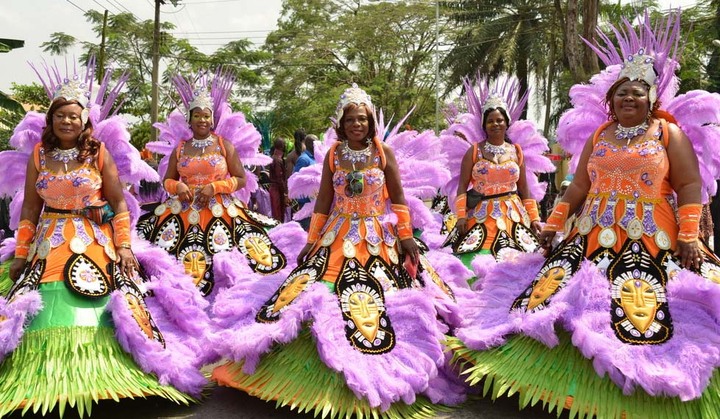
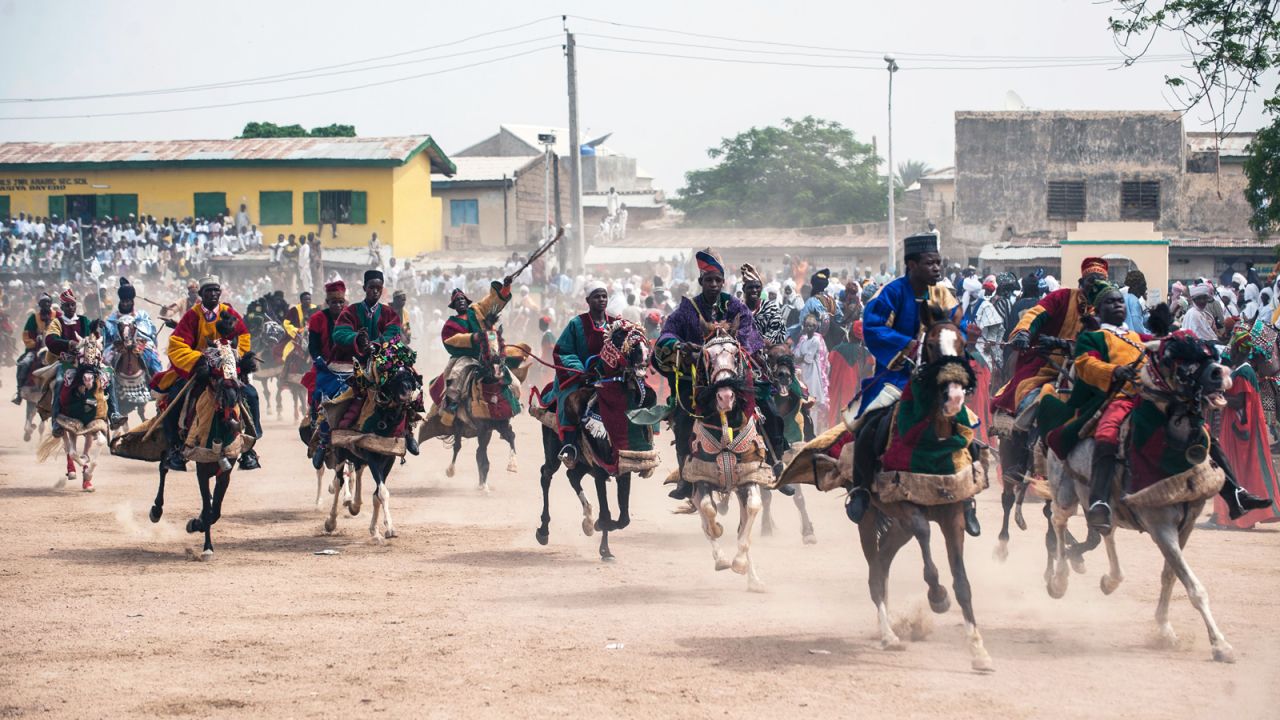
    Some of the most popular festivals in Nigeria are the Eyo Festival, Argungu Fishing Festival, New Yam Festival and the Calabar Carnival, which is Africa’s biggest street carnival.

  • ROBBEN ISLAND: A PEEP INTO A RELIC OF SOUTH AFRICA’S DARK PAST

    ROBBEN ISLAND: A PEEP INTO A RELIC OF SOUTH AFRICA’S DARK PAST

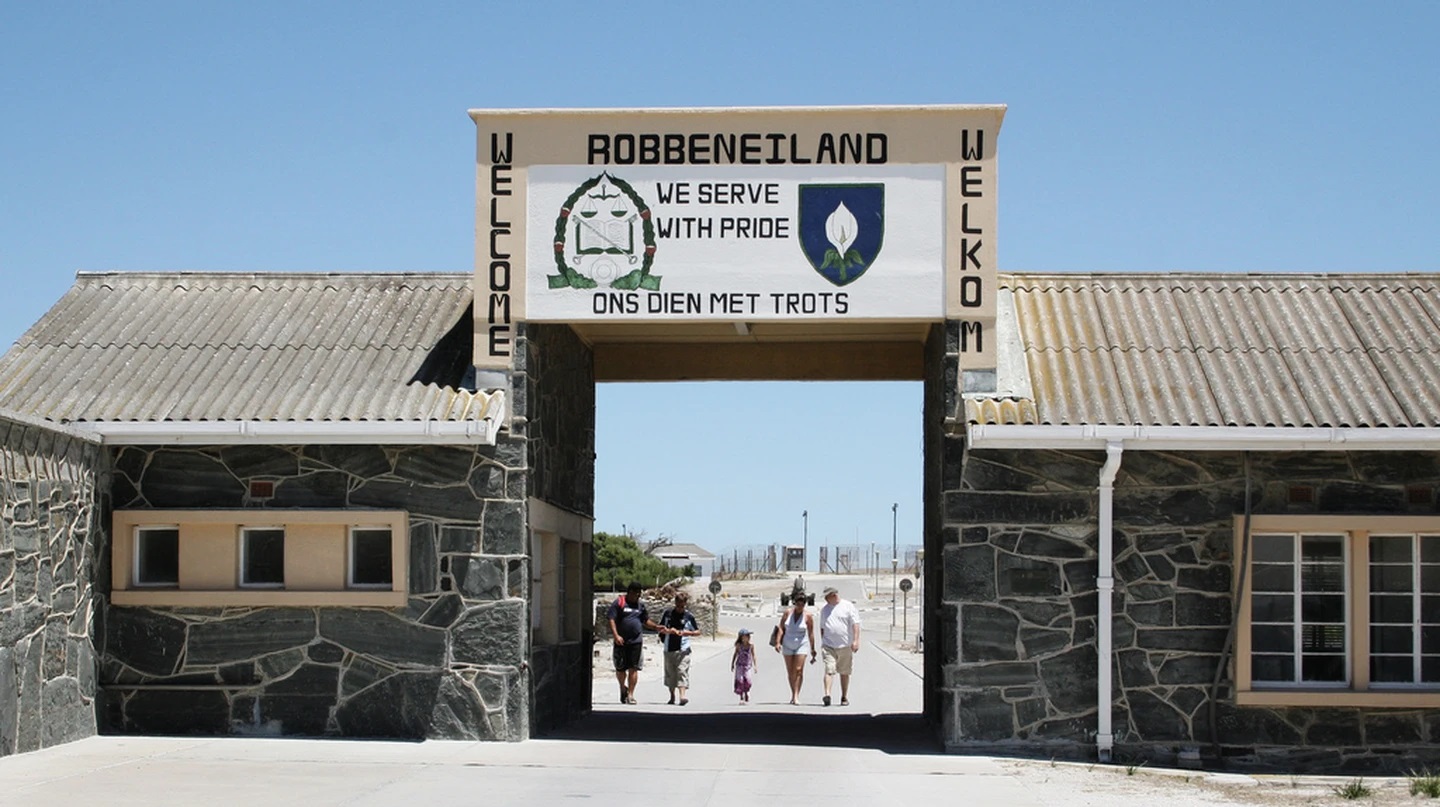
    Over the years, South Africans have managed to overcome their vast cultural and political differences and built a country that’s one of the shining lights on the Continent. Six miles across the water from Cape Town is a dry, windswept island that served as the late President Nelson Mandela’s jail for eighteen years.

    Few places in the world hold the gravitas of Robben Island. Though the island, visible from mainland Cape Town, was a whaling station and leper colony, its best known for its period as a political prison. After the fall of apartheid, the prison shut down and the island opened to visitors, many of whom journey there to pay homage to the late Nelson Mandela.

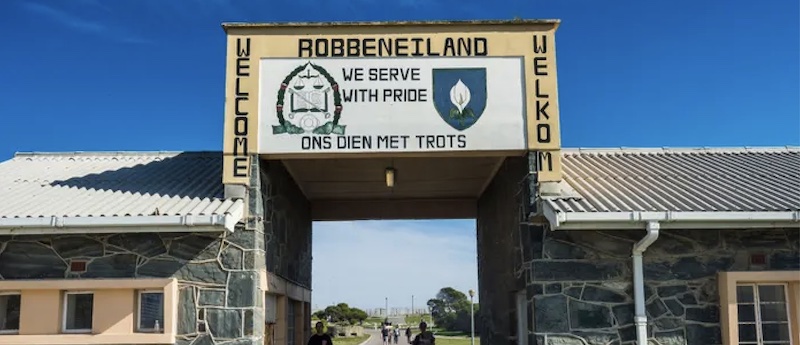
    Robben Island Prison now houses a museum. Photo-Flickr

    Robben Island is an island located approximately 5 miles off of mainland South Africa. The island itself is small, with an approximate area of 5 square miles. The name, “Robben Island”, comes from the Dutch word for “seals” (“zeehonden”), as seals were once common in the surrounding waters.

    In 1997, it was declared a national monument and was transformed into a museum that still welcomes visitors today.

    The island was declared a UNESCO World Heritage site in 1999 and has served as a whaling station, a leper colony and most notably as a prison, where South Africa’s Nelson Mandela spent 18 years of his 27 years of incarceration before being elected as the country’s first democratic president.

    When the Dutch arrived at the Cape in 1652, they began using the island as a port and a grazing station for sheep and cattle. However, the island’s isolation from the mainland did not go unnoticed, and eventually, convicts and political prisoners — including kings, princes and religious leaders from the East Indies — were banished there.

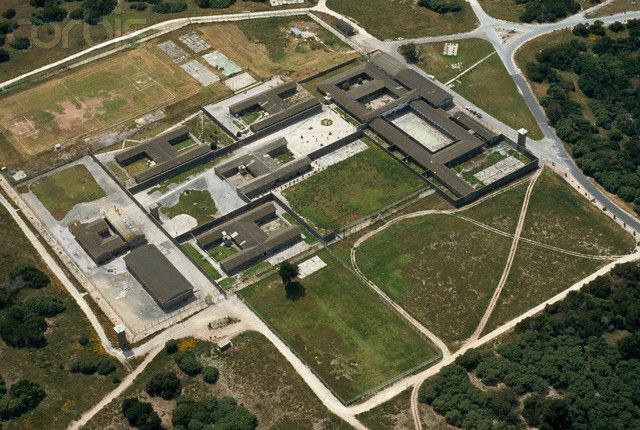
    Aerial view of the prison. Photo-Pinterest

    When the British annexed the Cape in 1806, they continued this practice and established a whaling station on the island, which lasted until 1820.

    In 1845, the penal colony was moved to the mainland and replaced with a colony of lepers, who were soon joined by other ‘undesirables’, including paupers, alcoholics, the mentally ill and the chronically ill.

    After 1931, the sickly were sent to hospitals in Cape Town and the island became a military outpost during World War II. Artillery was installed and the government built roads, a power station, houses and an airstrip.

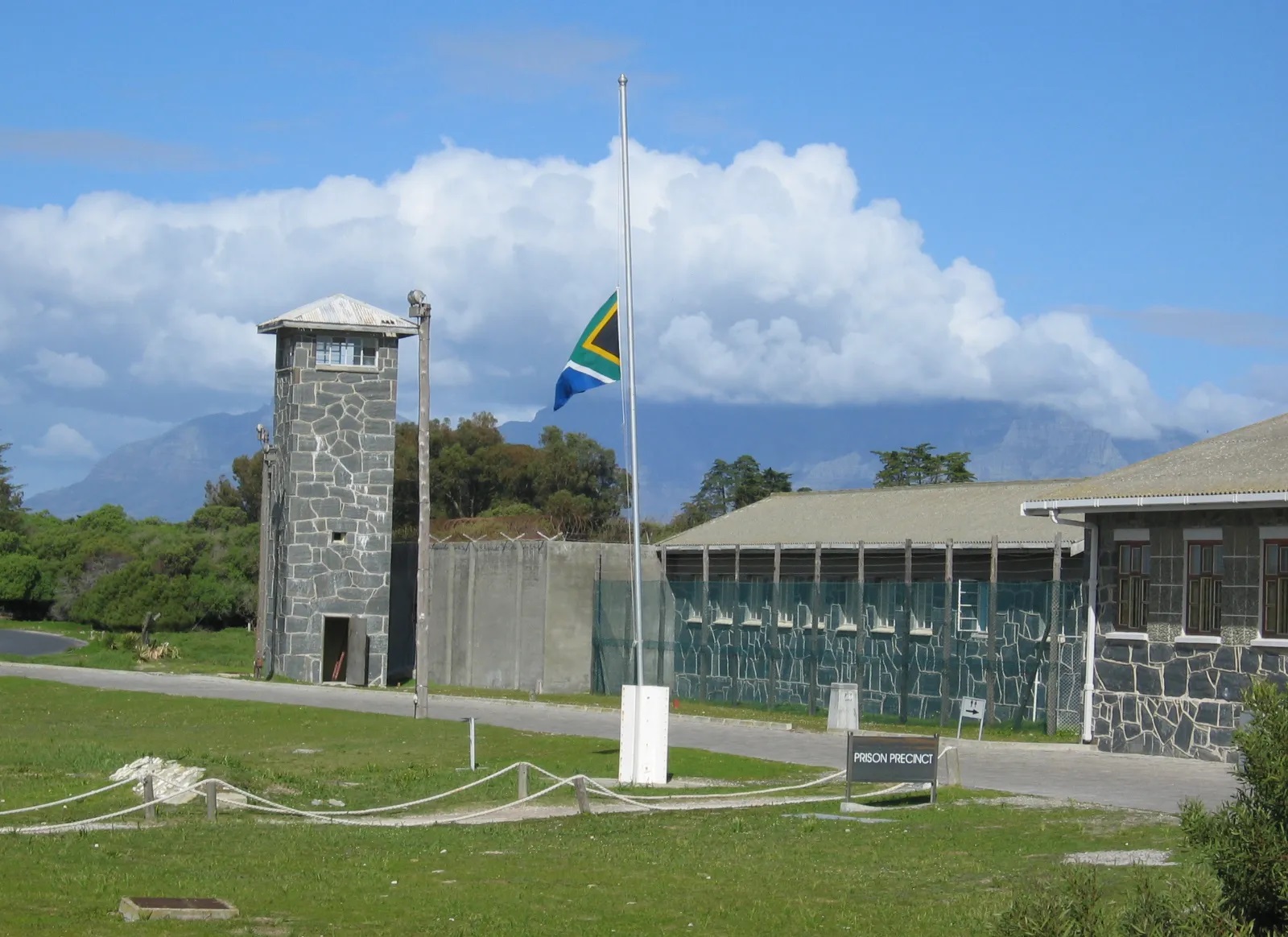
    A view of the grounds at Robben Island prison. Photo-Britannica

    In 1961, the South African apartheid government opened a maximum-security prison for political prisoners and convicted criminals, including Nelson Mandela and many other anti-apartheid activists.

    The prison was notorious for its harsh conditions. Prisoners were subjected to grueling tasks, such as breaking rocks into gravel in the courtyard, and were constantly exposed to the elements. Remarkably, the prison failed to crush the spirit of Mandela and his comrades, who used their time here to educate themselves and debate a wide range of topics. In 1991, all political prisoners were released, followed by the common-law prisoners five years later.

    Lion’s Head and Signal Hill, with Robben Island in the distance. Credit-Brian Snelson Flickr

    Today, Robben Island is a stark reminder of the apartheid system and a symbol of the triumph of the human spirit over adversity, suffering and injustice.

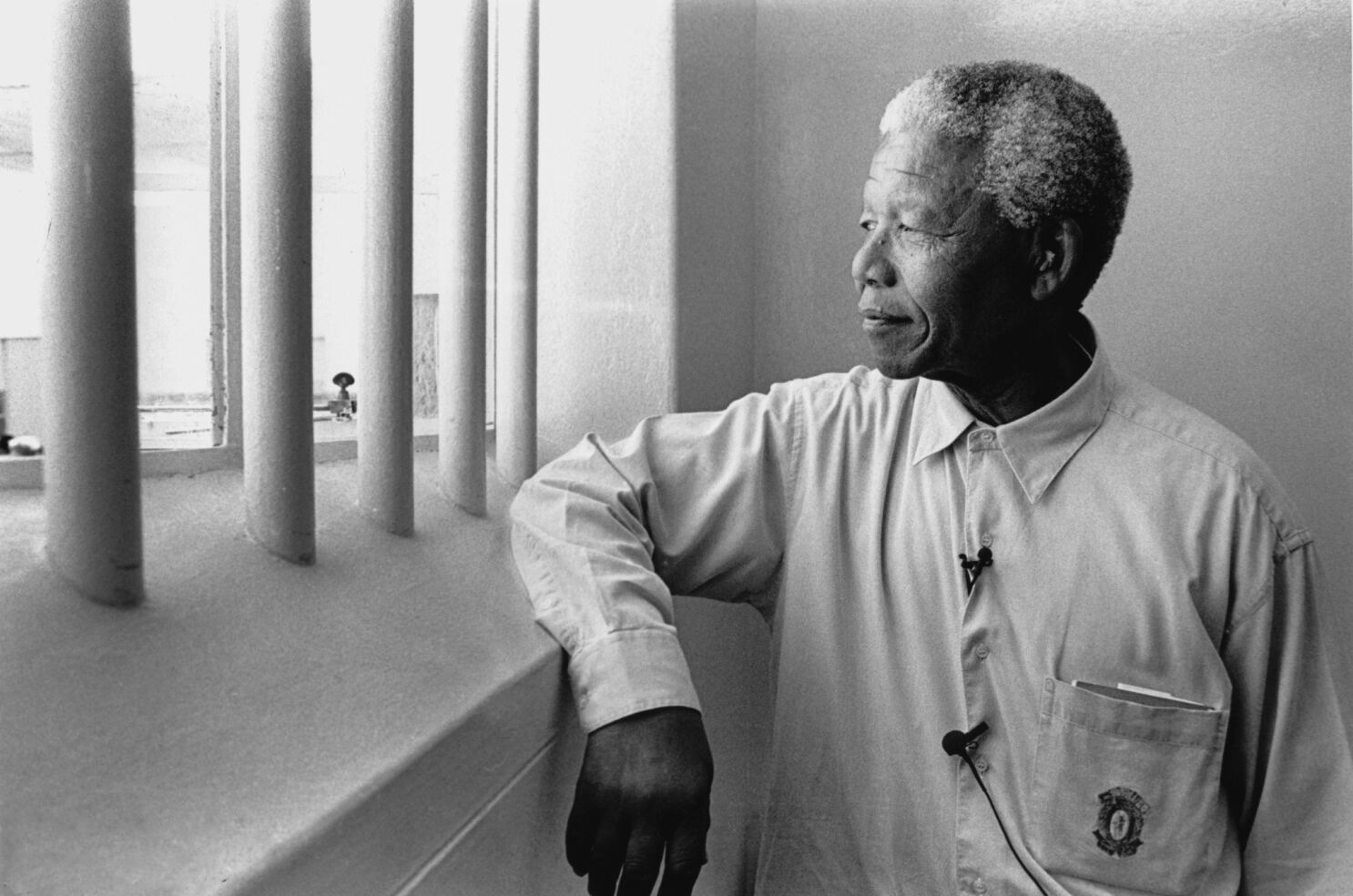
    The maximum-security prison is now a museum where daily tours are conducted by ex-political prisoners. Every year, thousands of tourists visit the island to understand South Africa’s past and view the tiny cell where Nelson Mandela lived.

    Nelson Mandela standing in his cell after he visited the prison as President. Photo -LA Times

    There’s only one way for official visitors to venture onto the island, and that’s aboard a ferry from the Nelson Mandela Gateway at the V&A Waterfront. It’s possible to reach the island on these official trips, which include tours by ex-prisoners, in approximately 30 minutes.

    Once on the island, visitors are only permitted to follow a tightly controlled route, and there is no freedom to move around outside of the tour.

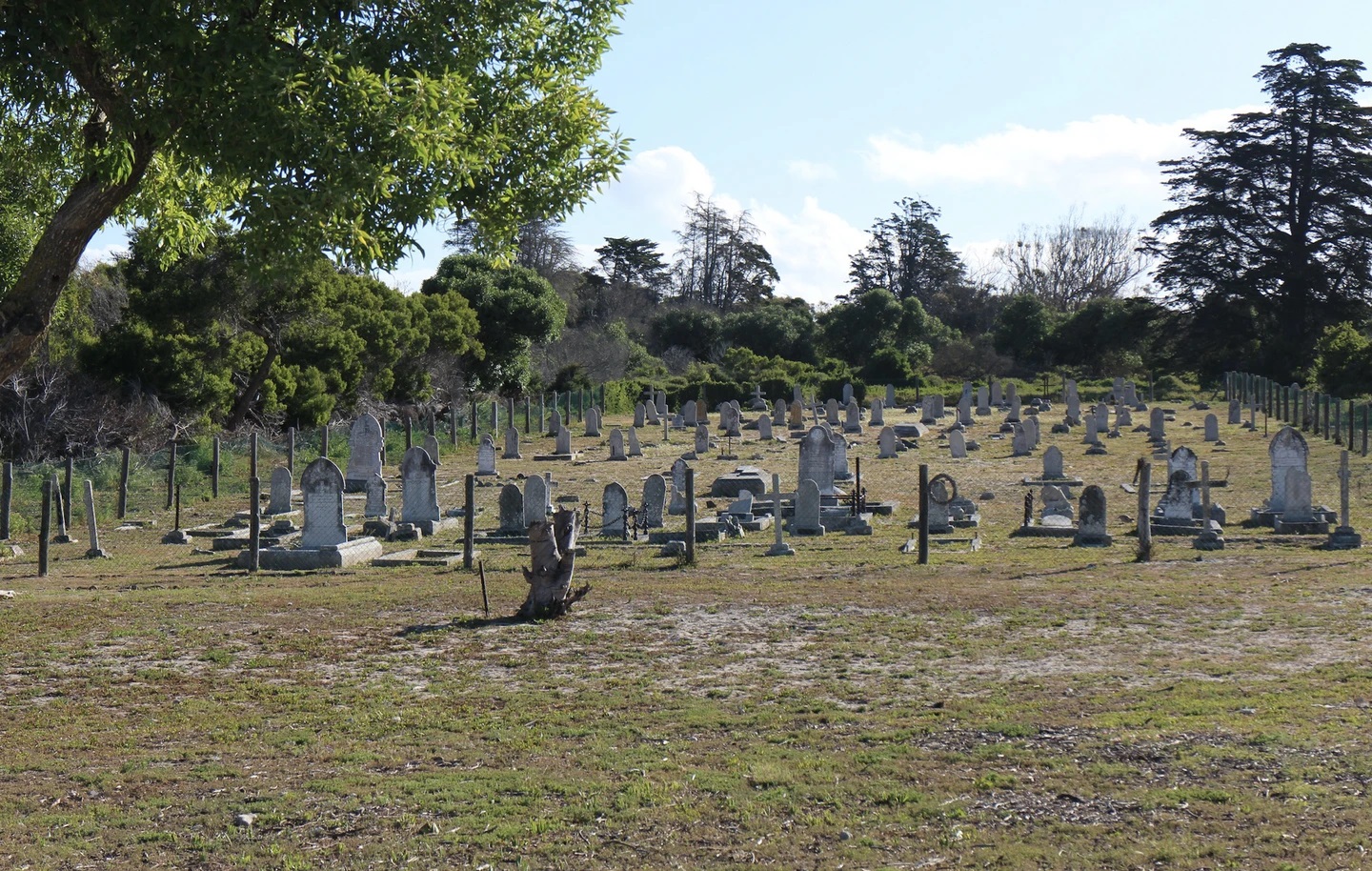
    Graveyard on Robben Island for victims of leprosy. Credit -Flickr

    During peak season tickets sell out weeks in advance, and although ferries only run if the weather permits, it’s important to book online to avoid disappointment. The tour lasts approximately three and a half hours from start to finish.

    The tour provides fascinating first-hand insights into South Africa’s troubled political past. In many ways Robben Island was the epicentre for those rising up against apartheid, and many of those imprisoned there went on to serve important roles in democratic South Africa.

    Aside from Nelson Mandela, the prison also held Mac Maharaj, Ahmed Kathrada, Mosiuoa Lekota, Govan Mbeki, Walter Sisulu, Jacob Zuma and Robert Sobukwe – all of whom played pivotal roles in the overthrow of apartheid and the peaceful transition into democracy. As in all parts of South Africa at the time, the prison was racially segregated, and there were no white prisoners on the island.

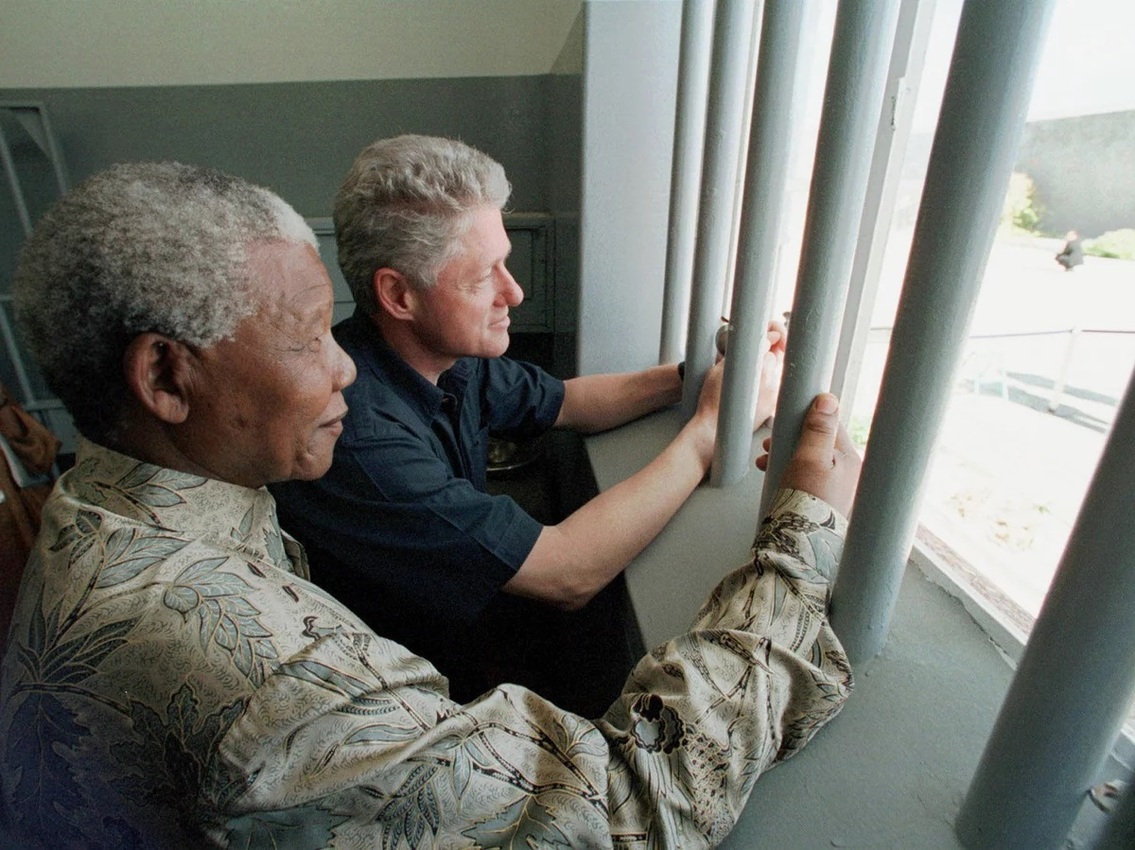
    Nelson Mandela and former U.S. President Bill Clinton look to the outside from Mandela’s Robben Island prison cell in Cape Town, South Africa, in this photo from March 27, 1998. Credit- AP Photo

    The tours are still run by ex-prisoners and for those fortunate enough to still visit the island while the ex-prisoners are still alive, it offers a sobering reminder of the country’s recent history and the strength of the human spirit.

  • RWANDA IN FOCUS: Kagame is leading one of Africa’s inspiring stories

    RWANDA IN FOCUS: Kagame is leading one of Africa’s inspiring stories

    When Paul Kagame became Rwanda‘s president in 2000, he inherited a country that had been torn apart by a brutal genocide. To rebuild it, he had to rely on mostly uneducated guerrilla fighters and a handful of ill-trained cadres. Even the most optimistic of observers doubted his chances.

    But 23 years later, the country is stable, prosperous, growing, unified and, in large part, reconciled. Social services, such as education, healthcare, housing and livestock are provided to the needy, with no distinction of ethnicity or region of origin – two forms of discrimination that characterised the governments leading up to the genocide against the Tutsi, which Kagame, as leader of the Rwandan Patriotic Front (RPF), brought to an end.

    His grip on power has been nearly unassailable. What a lot of people fail or reluctantly admit is that he’s equally a brutal dictator. Since coming to power he has extended constitutional term limits, shut down the free press and clamped down on dissent. Reporters have been driven into exile, even killed; opposition figures have been imprisoned or found dead. His country has been reduced to tyranny.

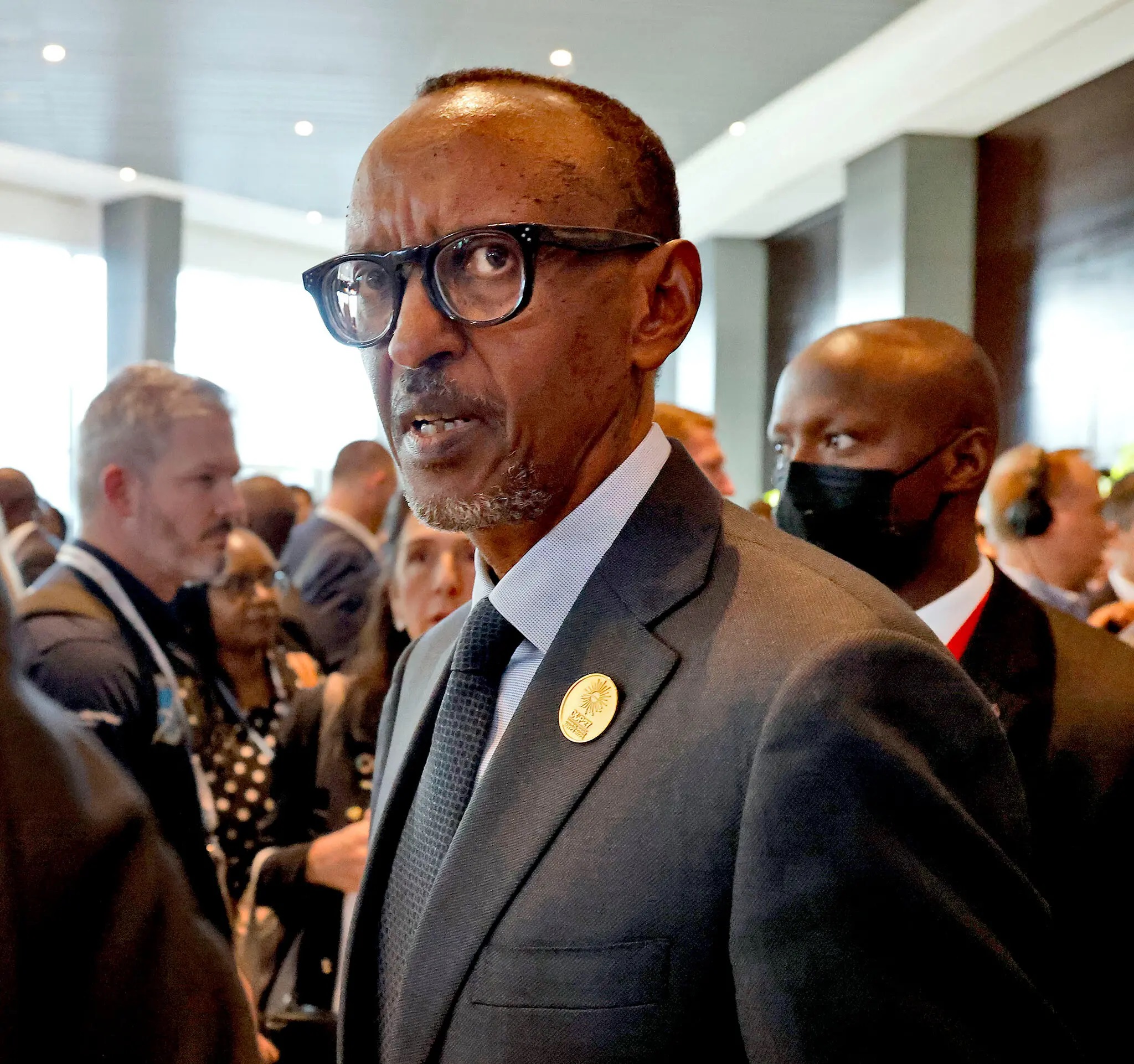
    President Paul Kagame of Rwanda. Credit Photo by Ludovic Marin

    But this dictator isn’t a pariah, like Vladimir Putin of Russia or Bashar al-Assad of Syria. Instead, he’s one of the West’s best and most reliable friends.  Paul Kagame, since coming to power in 1994, has won his way into the West’s good graces. He’s been invited to speak — on human rights, no less — at universities such as Harvard, Yale and Oxford, and praised by prominent political leaders including Bill Clinton, Tony Blair and the former U.N. general secretary Ban Ki-moon.

    It doesn’t end there. Mr. Kagame’s Western friends include FIFA, which held its annual congress at a shiny sports complex in Kigali in March, and the N.B.A., whose African Basketball League plays in Rwanda. Europe’s largest carmaker, Volkswagen, runs an assembly plant in Rwanda, and major international organizations such as the Gates Foundation and the World Economic Forum are close partners. Western donors finance a whopping 70 percent of Rwanda’s national budget.

    While the criticism about his dictatorship is justified, the critics make one mistake: to imply that these freedoms were already existent in Rwanda and that Kagame simply took them away. They weren’t. Kagame and Rwandans have been working to establish them in a country that has never had them.

    Born in southern Rwanda in 1957, Kagame’s parents fled the country during anti-Tutsi pogroms when he was two years old. He was raised in Rwandan communities in refugee camps in Uganda, where he observed and was a victim to the recurrent oppression visited upon his people. He later joined a Ugandan guerrilla movement, the National Resistance Army that installed Yoweri Museveni as president of Uganda.

    When he returned to Rwanda as leader of the RPF, the country’s coffers had been looted, an estimated 800,000 Tutsis and moderate Hutus had been killed, the survivors were traumatized, the killers fearful of retribution and the returnees destitute. Rwanda was a failed state by any measure.

    Twenty-five years after the genocide, the wounds are slowly healing. Survivors still see Kagame as the guarantor of their existence. He pardoned the perpetrators and set the country on a journey to unity and reconciliation.

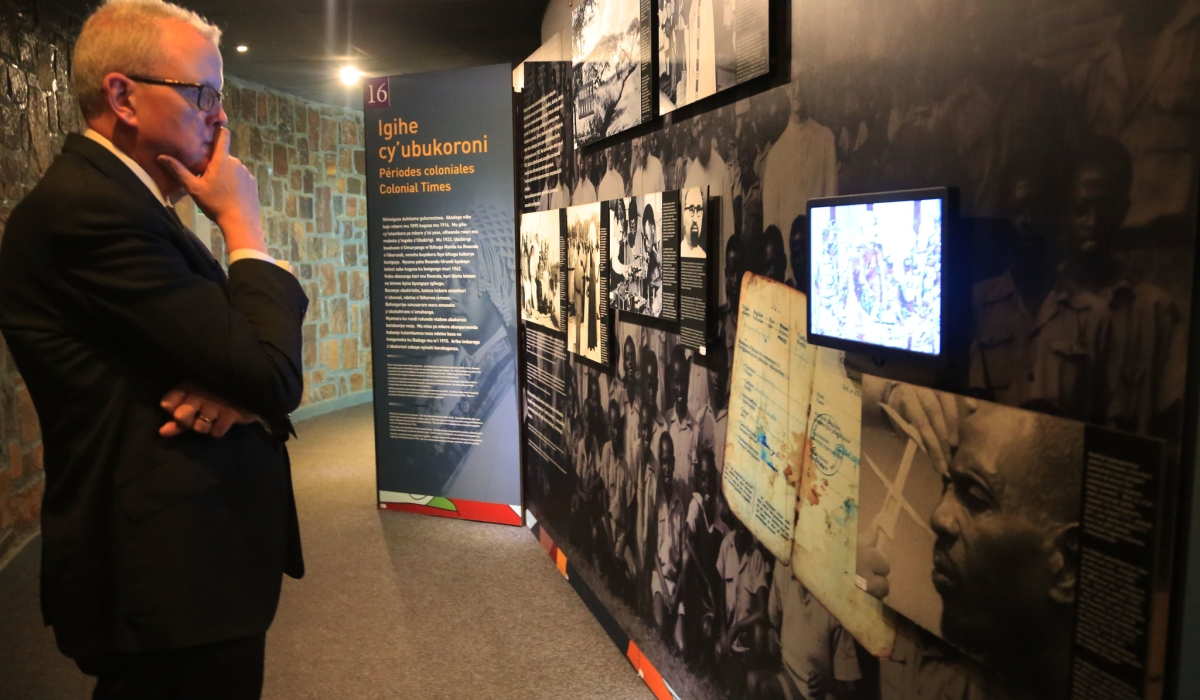
    A visitor during a tour of Kigali Genocide Memorial to learn more about the history the Genocide against the Tutsi.

    Kagame has been tough in his style of governance; intransigent on corruption, populism and divisive speech. Politicians with hate-charged rhetoric have consistently faced harsh sentences and lengthy prison terms. Speech is regulated to prohibit ethnic prejudice while democracy was trimmed and tailored to the peculiar predicament facing the Rwandan people. This was necessary to install a new mentality towards governance.

    A new, unified country had somehow to be built with the same people – killers and their victims living side-by-side with a unity of purpose: the betterment of their village, the district, their country.

    In this endeavor, Kagame was acting with the people’s mandate and within the ambit of the Rwandan constitution. His mission as Rwandan leader is first and foremost to protect the Rwandan people from genocide – by any means necessary. This mission, which is not sufficiently understood by the Western world, will probably, also be passed on to his successors for two or three generations to come.

    Kagame owes much of his success to his skilled political rhetoric, an art form Rwandans call “ubwenge.” In news conferences where Rwandan journalists, aware of the risks faced by less pliant colleagues, throw him softball questions, Mr. Kagame shines. Often, his target is the West. He consistently voices an anti-imperialist message about how Europe is “violating people’s rights” and berates the West’s “superiority complex.”

    This posture makes him a leading avatar of a new type of postcolonial ruler. Other populist nationalist presidents such as Erdogan of Turkey, Andrés Manuel López Obrador of Mexico and Narendra Modi of India also rally their populations behind similar sentiments, elevating themselves as world leaders no longer beholden to the West. Often at the heart of their defiant speeches are references to old crimes — massacres, genocides and expropriations committed by European empires that date back as far as the 16th century.

    Such appeals work because Western leaders still offer only grudging “regrets” for such atrocities and rarely apologize, partly out of fear that their nations will have to cough up huge sums in reparations. This allows the grievances to live on. Many in former colonies still feel those past humiliations as viscerally present, manifest today in institutions that are dominated by Western interests, such as the World Bank and the International Monetary Fund, or in international trade and aid negotiations. Postcolonial leaders such as Kagame find much popularity in their insistence that the West should atone for its history, however improbable that might be.

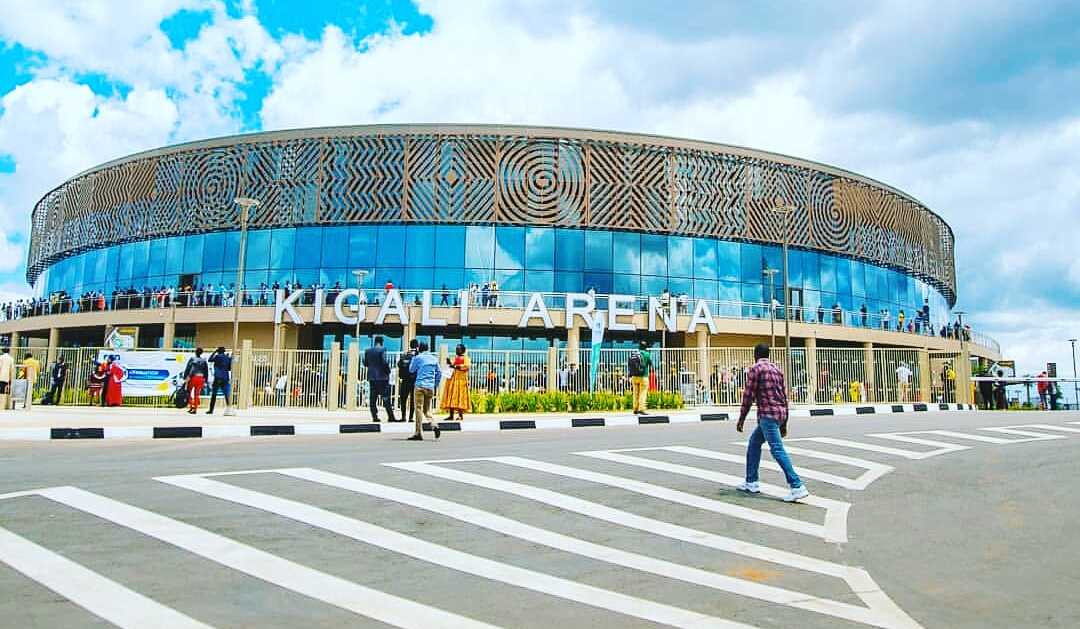
    The BK Arena in Kigali, Rwanda where FIFA held its 73rd annual congress this year is one of the new landmarks of the Kagame administration. Credit-Wikipedia

    The price of avoiding apologies, though, is that Western leaders find their moral authority diminished. Instead, they engage in placatory behaviors — offering praise and partnership, rather than condemnation. Perhaps nowhere is this dynamic clearer than in Rwanda, where Mr. Kagame’s leverage with Western leaders is particularly strong because the country’s grievances are recent. He is very adept at guilt-tripping the West and his jabs hit home hard.

    Rwanda’s 1994 genocide — during which nearly one million Rwandans, many of them ethnic Tutsis, were killed — was perpetrated under the noses of United Nations peacekeepers, who diligently filed reports on the killings while seemingly impotent to prevent them. Although Kagame’s former ambassador to the United States and other political allies have accused him of “sparking” Rwanda’s genocide and doing little to prevent it, he has cast himself as the hero who ended it.

    International analysts and champions of democracy have not embraced Kagame’s atypical approach, often assessing Rwandan politics through a Western lens and thus missing the complexities of governing post-genocide.

    As a result, they may have missed what is arguably the most edifying case study in national transformation of the last 25 years.

    Rwandan mothers receive ante and post-natal healthcare and maternal mortality ratios in the country decreased by 77 percent between 2000 and 2013. New-borns are vaccinated. The city is clean and people can walk safely at night. Since 2019, ministers no longer require personal security details. “Your security will be guaranteed like that of other Rwandan citizens,” they were told. The progress the country has made under his watch is visible.

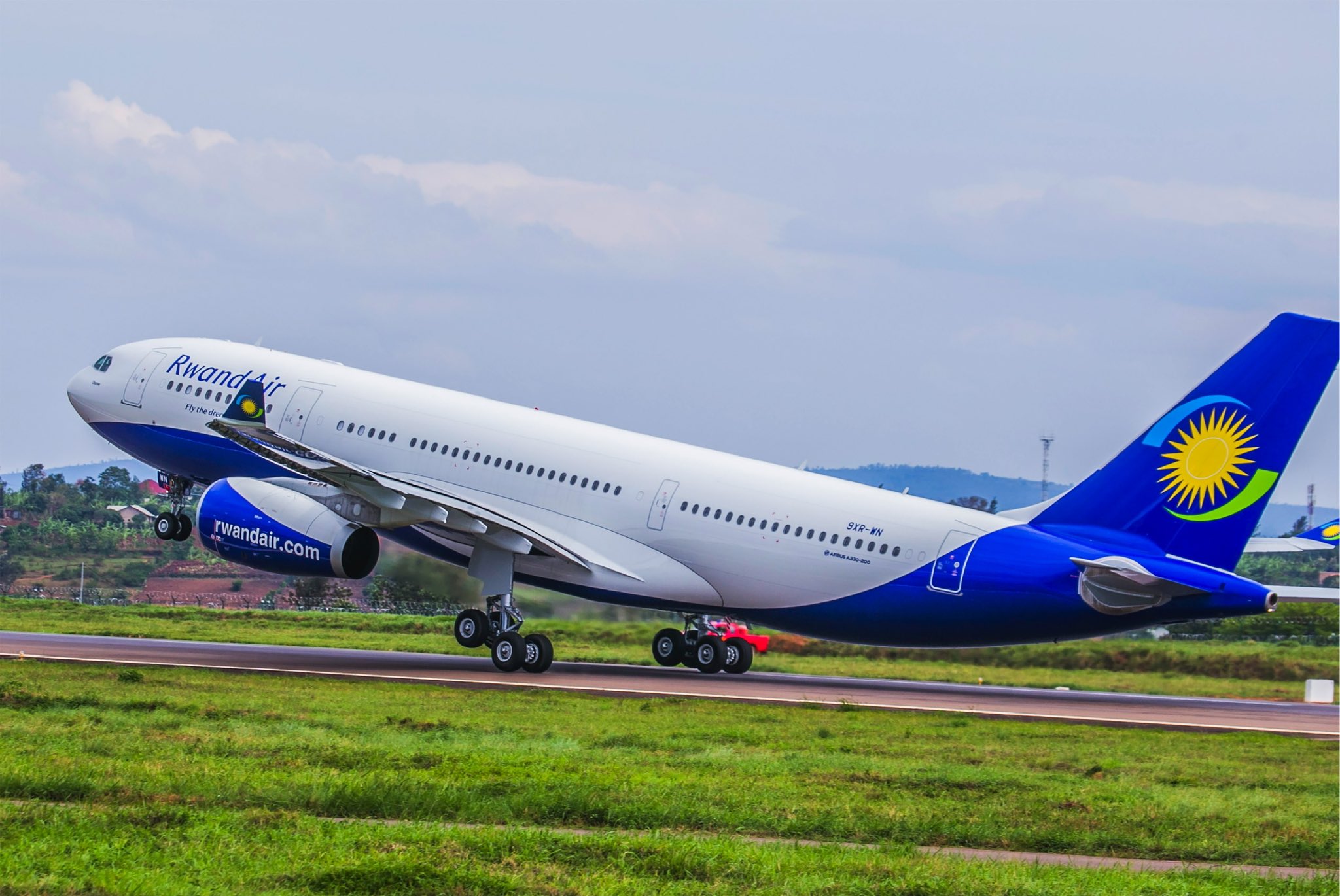
    Rwandair the national air carrier of Rwanda is amongst the top 10 airlines on the continent. Credit-SM Africa

    A lot of outsiders seem concerned that Kagame has not groomed a successor, and although there are no crown princes in Rwanda, the president has chosen to groom thousands of young men and young women, in particular, to lead the country into the future. The average age of his cabinet is 40. Women make up 50 percent of the cabinet, 61.5 percent of the parliament and 50 percent of Supreme Court judges.

    In 2018, Kagame chaired the African Union, championing potentially game-changing initiatives such as the Continental Free Trade Area (CFTA), which was signed in the Rwandan capital, Kigali.

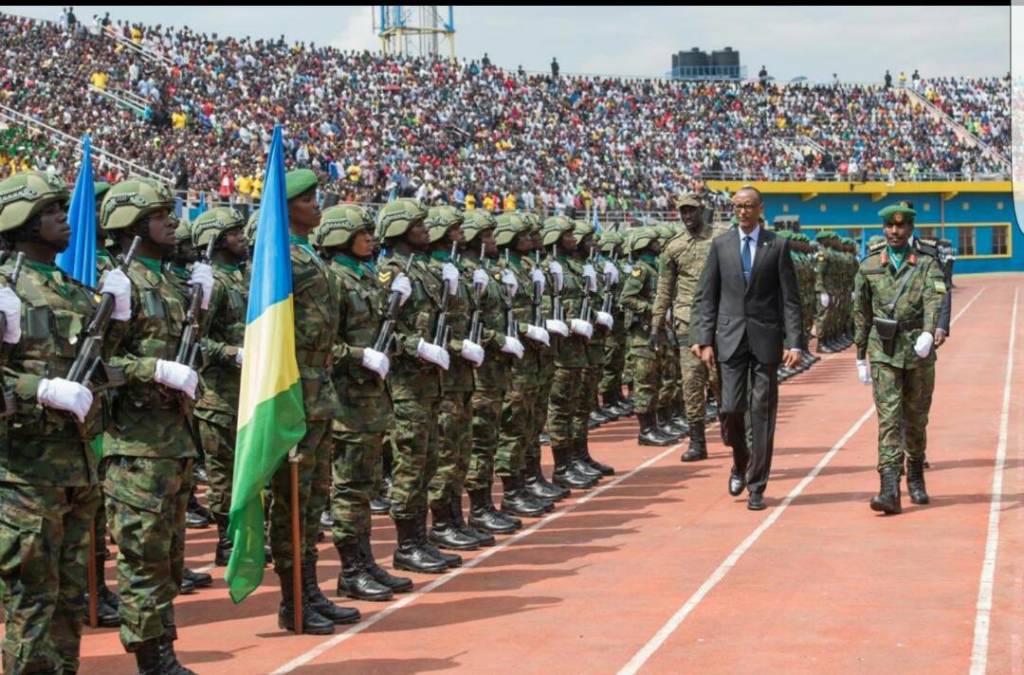
    President Kagame and Commander-in-Chief inspecting his troops on Liberation Day. Credit- Chronicles

    Of course, major challenges remain. In 2017, the unemployment rate was 16.7 percent and the youth unemployment rate 21 percent. But Kagame is betting on the country’s MICE (Meetings, Incentives, Conferences and Exhibitions) strategy and information communications technology and off-farm employment opportunities to absorb the 250,000 young people who enter the job market each year. The bookmakers are still out, but with Rwanda’s economy expanding by 8.6 percent in 2018, the county rated the second-best place to do business in Africa and it having soared up the human development index, the indicators are looking promising.

  • Top Events and Festivals To Experience in Africa

    Top Events and Festivals To Experience in Africa

    All over the rich and vast continent of Africa, various events and festivals are held annually to showcase its rich and diverse culture. These events attracts visitors from all over the world and have become so popular they deserve a shout out. Tolulope Omotunde of AfrikDigest Magazine has selected 10 events and festivals out of the lot that may catch your fancy. Enjoy


    Cairo International Book Fair


    When: Last week of January

    Where: Cairo, Egypt

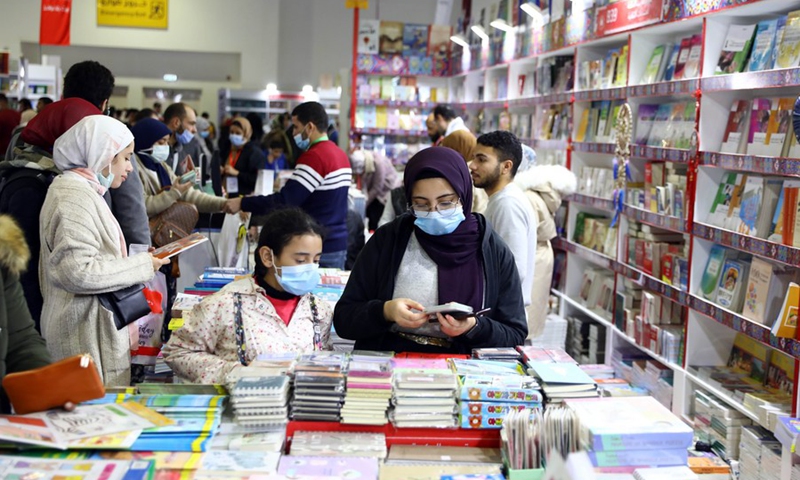
    The Cairo International Book Fair is not only the largest book fair in Africa but the second largest in the world (behind Frankfurt’s humongous event). Drawing more than two million visitors each year, this enormous literary celebration boasts multi-language lectures and readings across its three-week run. Attendees can also peruse aisles and aisles of stands selling titles across every genre imaginable. Far from your average book fair, Cairo International also has spectacular fireworks to keep the masses entertained.


    Zanzibar International Film Festival


    When: July

    Where: Zanzibar, Tanzania

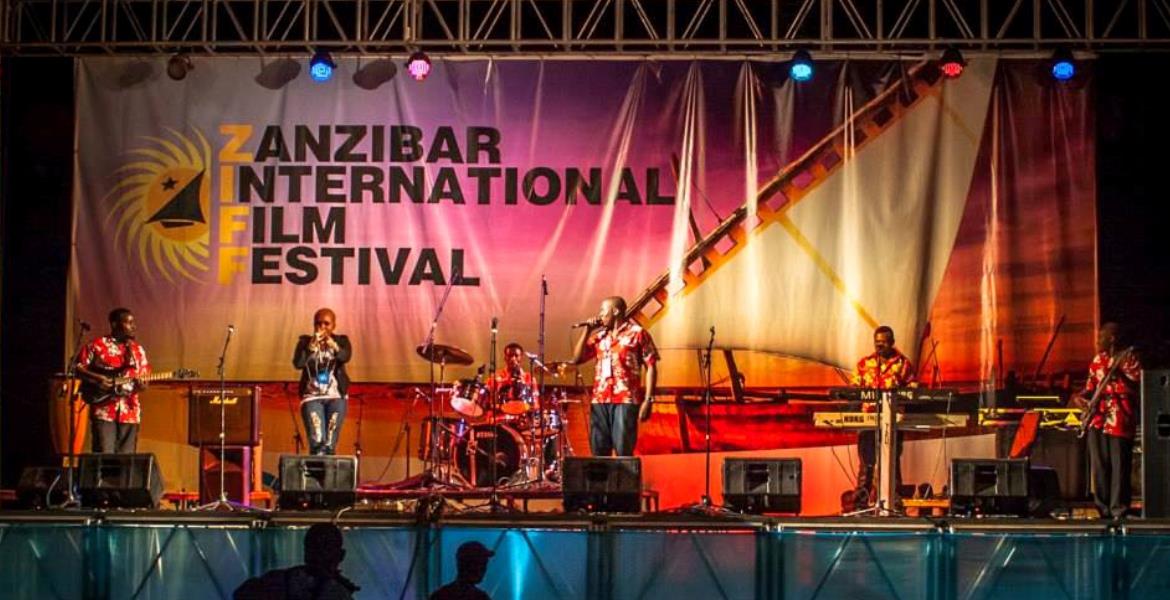
    The Zanzibar International Film Festival (also known by its more catchy title, ZIFF) is eastern Africa’s largest film and arts fest. The nine-day event, which was founded in 1998, showcases the very best films and documentaries from across the continent through live screenings, workshops and guest speakers. Now the longest-running festival of its kind in the region, it has become a cultural touchstone, with thousands of tourists and locals attending every year. For movie buffs, it’s an absolute must.


    Aké Arts and Books Festival


    When: October

    Where: Lagos, Nigeria

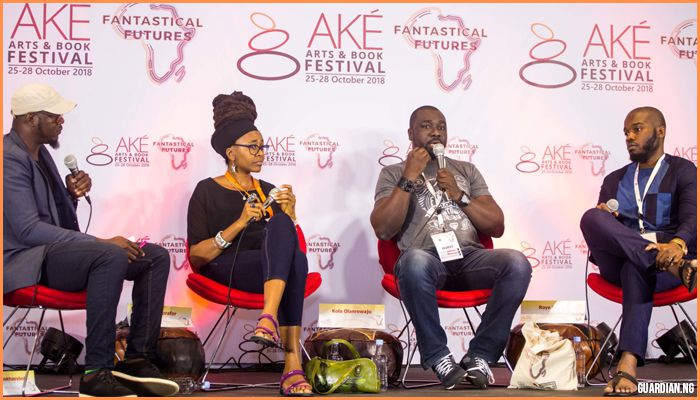
    The Aké Arts and Books Festival is a four-day literary phenomenon with as much excitement and adventure as you would find in any best-seller. The annual event showcases the very best in contemporary African literature but also poetry, music, art, film, and theater. Each year focuses around a different theme (2018 was Fantastical Futures, for example) with events playing off that idea. The team behind the AABF put on a rich and varied calendar with book chats, concerts, panels, and plays a part of this hugely significant African lit fest.


    The Cape Town Festival of Beer


    When: Late November to early December

    Where: Cape Town, South Africa

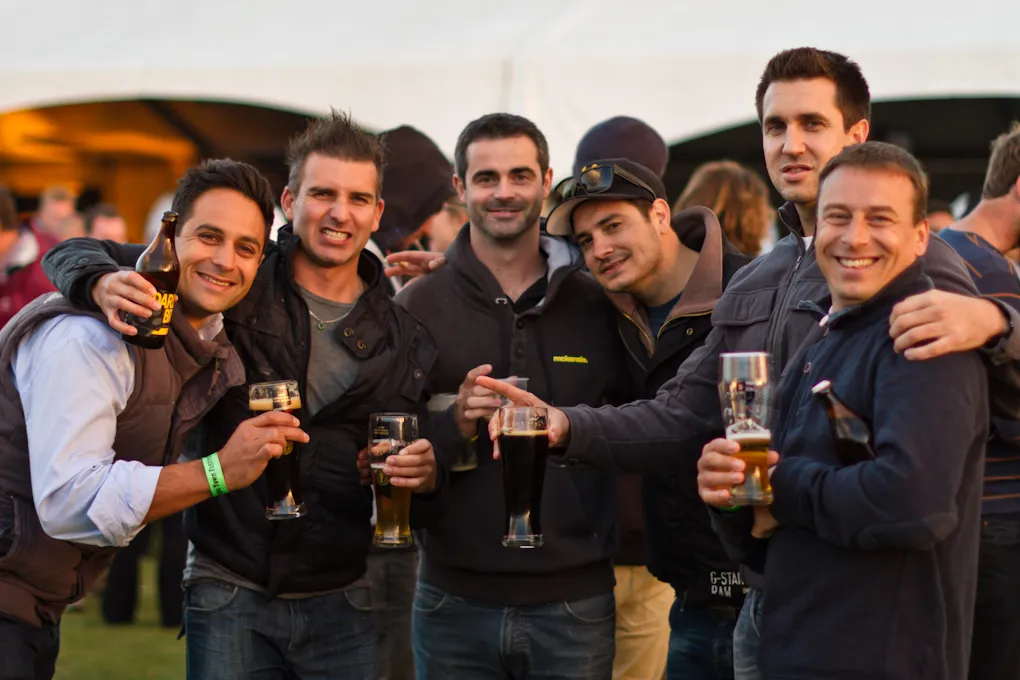
    The Cape Town Festival of Beer is the Southern Hemisphere’s largest beer fest with more than 200 drinks on offer from 60 different breweries. The three-day festival offers a chance for micro- and macro-breweries to present their creations to the public while celebrating everything to do with the age-old drink. Great brews are mixed with a heady concoction of entertainment such as live music, live rugby, excellent food stalls, and more. Awards are also dished out with categories including best lager, best cider, and best specialty beer.
     

    Umhlanga Reed Dance


    When: Last week in August

    Where: Eludzidzini, Swaziland

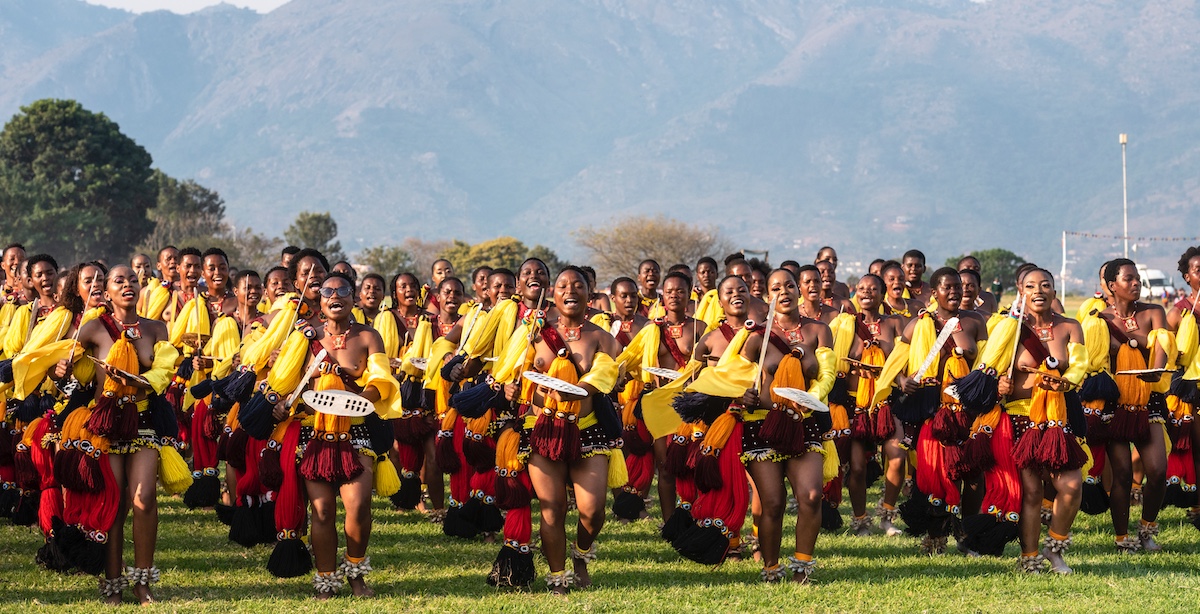
    Each year, more than 40,000 Swazi maidens unite for a spectacular dance extravaganza called the Umhlanga Reed Dance, a centuries-old tribute to the Queen Mother. The gorgeous spectacle sees the female participants don vibrant costumes and perform songs and dances as they deliver reed to the Royal Residence. As a highly important event in the Swazi calendar, the Umhlanga Reed Dance is closed to tourists for most of the week. However, the final two days of the ceremony are open to the public. Spectators can dance along (as best they can) or throw money as a sign of respect.
     

    Gerewol Festival


    When: September

    Where: In-Gall, Niger

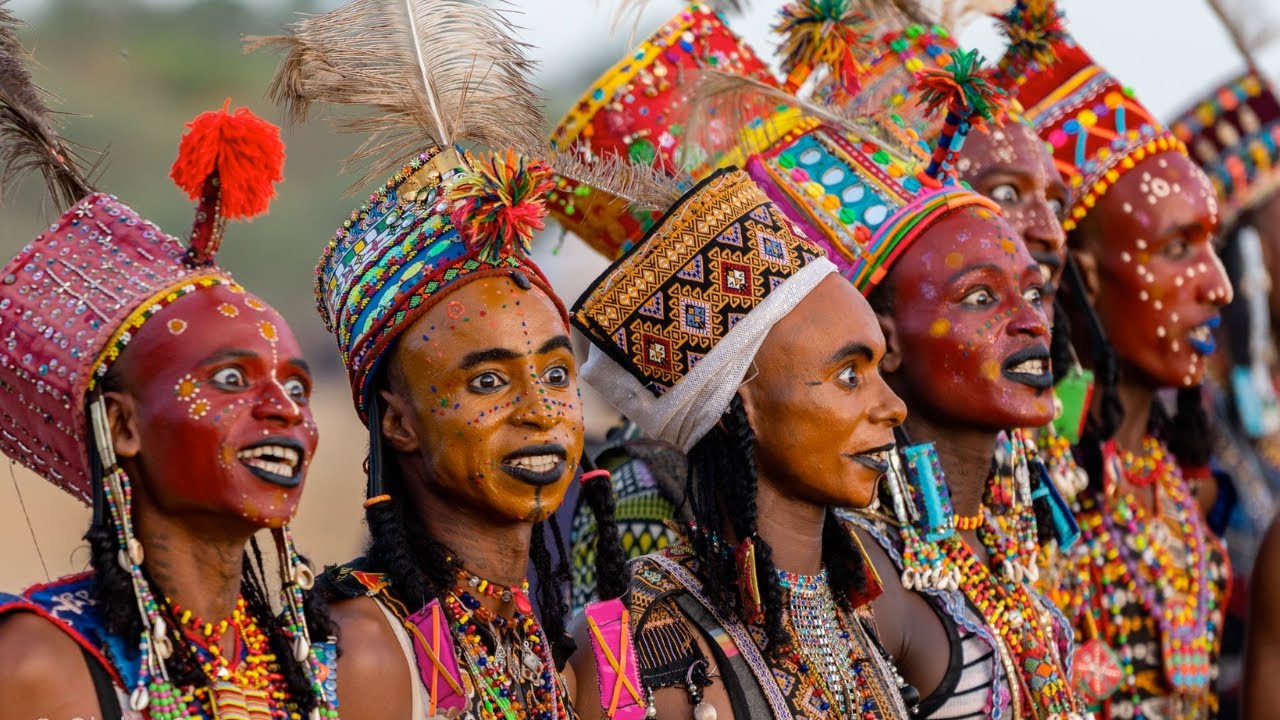
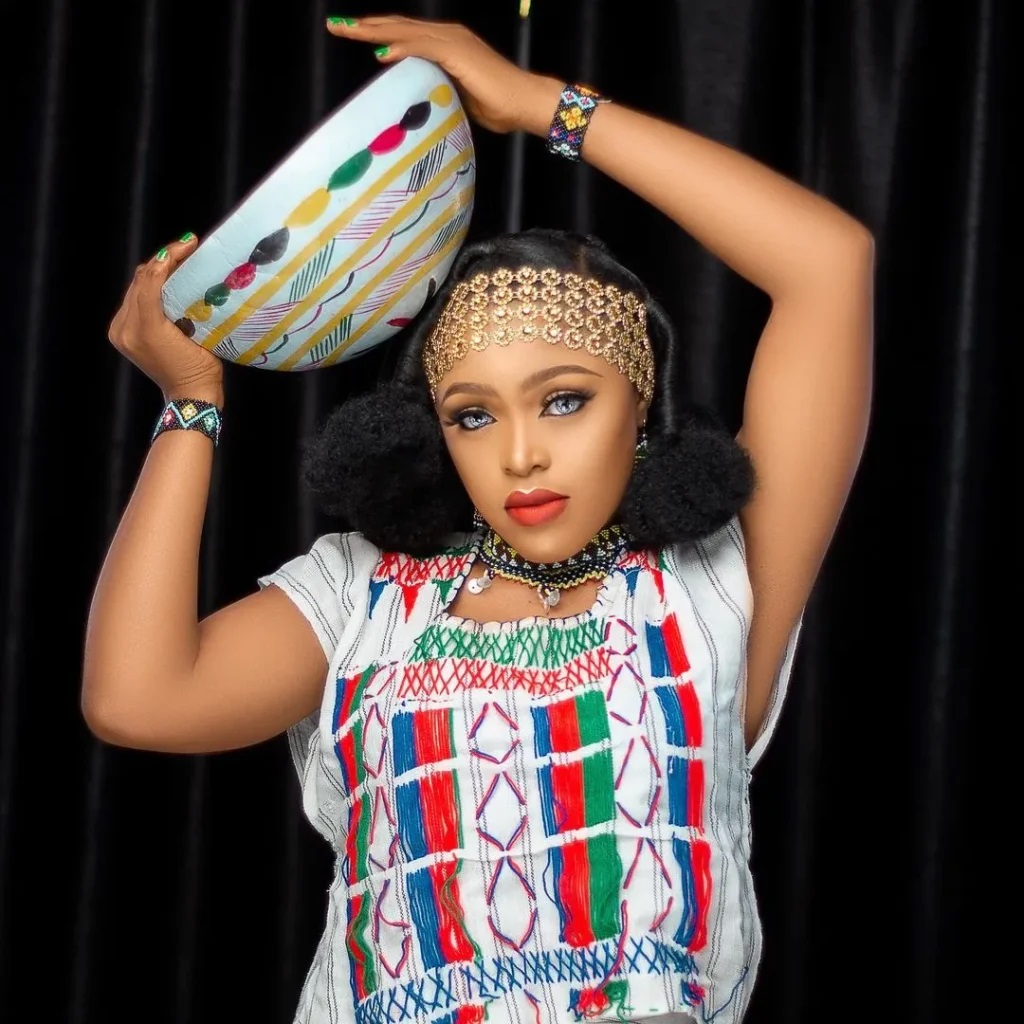
    The Gerewol Festival is an astounding male beauty contest packed with ornate costumes, rhythmic dancing, and elaborate make-up. The annual courtship ritual sees eligible bachelors of the nomadic Wodaabe Fula people compete for the attentions of young women. While the dance (yaake) is the most famous part of the gerewol, the men also take part in hotly contested competitions such as camel racing over the week-long event. Thanks to international media coverage the meeting at In-Gall has become a tourist favourite, but other gerewols take place in Chad and even northern Cameroon and Nigeria.


     Fes Festival of World Sacred Music


    When: Late May or early June

    Where: Fes, Morocco

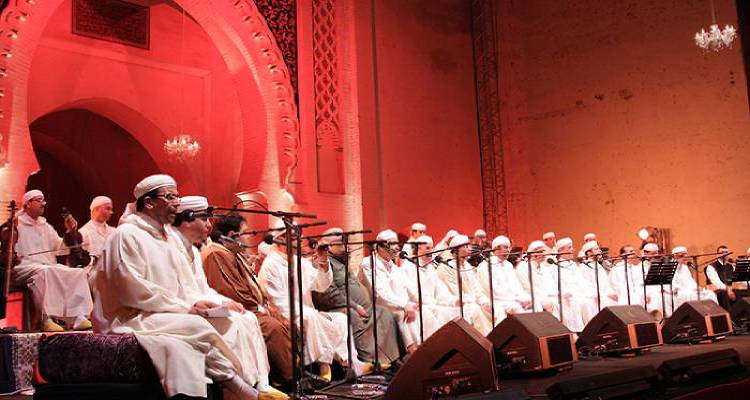
    An enchanting celebration of diversity, the Fes Festival of World Sacred Music plays hosts to musicians from every corner of the planet. One day you might be listening to the haunting medleys of an Irish folk song, the next a lively salsa from Cuba. The 10-day festival takes place across the city with venues including the Dar Batha Museum and its beautiful gardens, the Bab Makina Palace courtyard, and the Roman ruins of Volubilis. Aside from music, there are seminars, art exhibitions, plus some entertainment for children.


    Lake of Stars


    When: September

    Where: Lake Malawi, Malawi

    Founded by British tourist Will Jameson in 2004, Lake of Stars is a music festival with its roots firmly in the European tradition (but without the need for Wellington boots). The three-day extravaganza, which attracts around 4,000 people a year, hosts big international acts while providing a stage in front of the world’s media for local talent. Perhaps most spectacular of all, however, is its setting. Eschewing the muddied turf of British festivals, the event takes place on the shores of Lake Malawi, a glittering beauty and the fourth largest freshwater lake in the world.


    The Great Wildebeest River Crossing

    When: Begins in June

    Where: Mara River, Tanzania

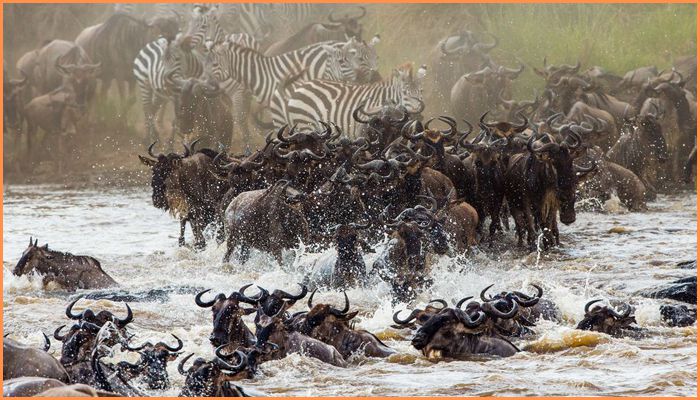
    One of nature’s greatest spectacles, The Great Wildebeest River Crossing of the Mara River is an adrenaline-fuelled display. Thousands of wildebeest and other migrating animals attempt to cross the waterway’s crocodile-rich waters in an attempt to reach the lush land on the other side. It’s thrilling and heartbreaking in equal measures. Many will make it across and survive another year, while some will be dragged under by the apex predators. However, you won’t be able to predict the exact date of the river crossing (the wildebeest are wild after all), but it should begin around late June hitting a peak in July.


    Timkat – Feast of Epiphany

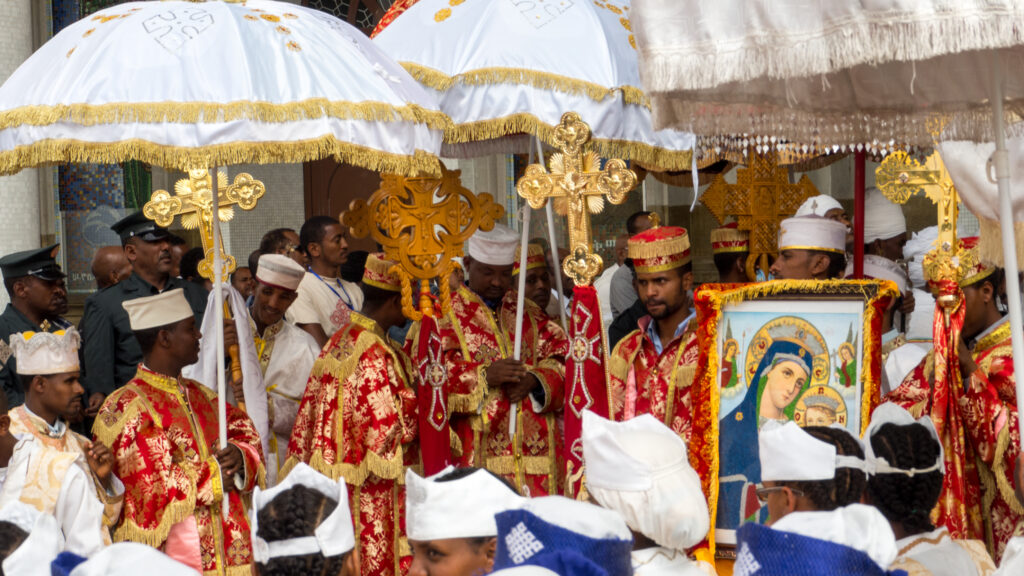
    Priests showing painting of Saint Mary, during the Timkat ceremony, in front of Medhane Alem church, Addis Ababa, Ethiopia

    When: January

    Where: Addis Ababa, Ethiopia

    One of the most important dates in the Ethiopian religious calendar, Timkat celebrates the baptism of Jesus Christ in the Jordan River. Christians from all over the country descend on the capital to witness a re-enactment and take part in winding processions, dance to music, and to pray together. The streets of Addis Ababa are beautifully decorated with green, red, and yellow to represent the Ethiopian flag while priests march along them sheltered by beautifully ornate umbrellas.


  • The Igbo Landing: A story of resistance against bondage

    The Igbo Landing: A story of resistance against bondage

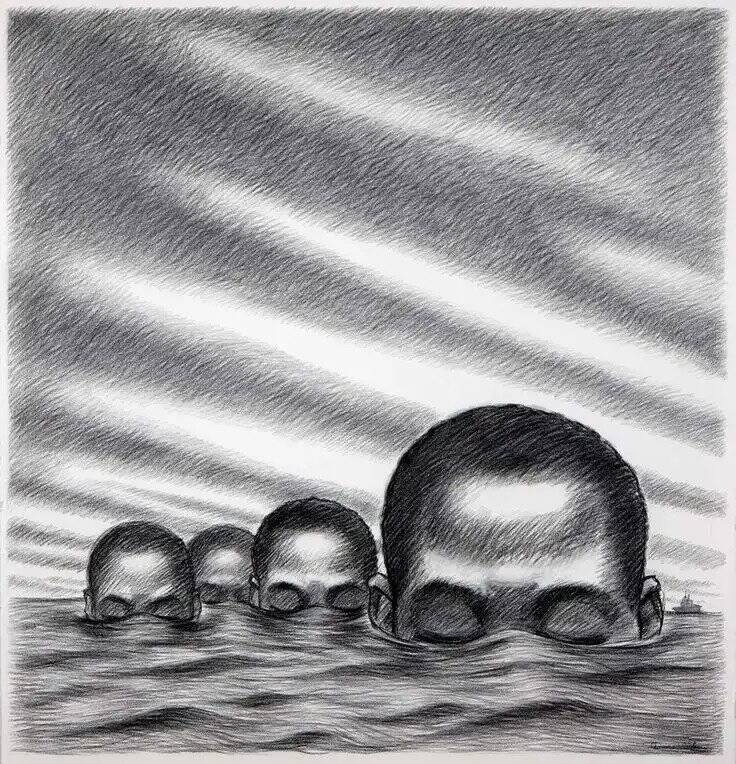
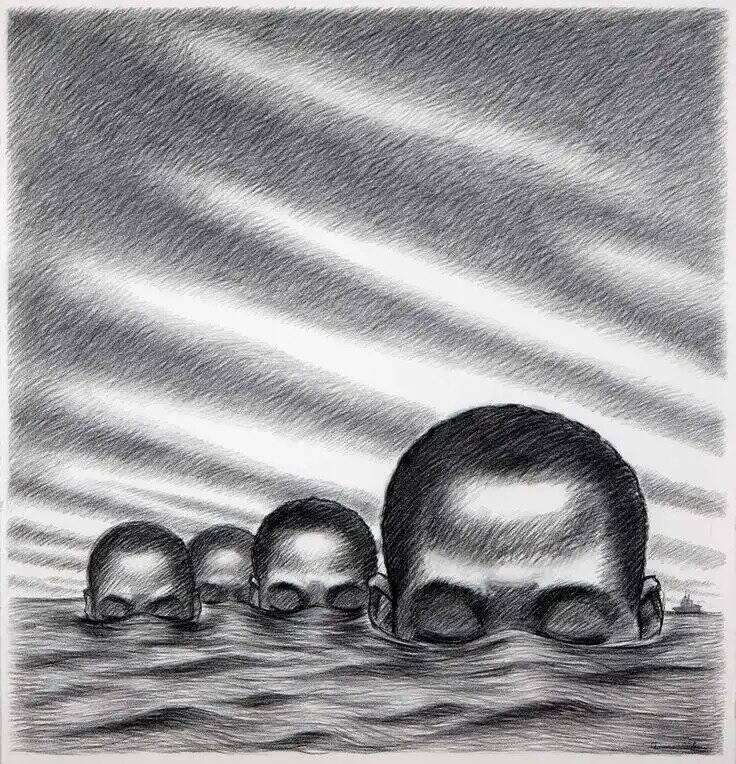
    During the Igbo Landing of 1803, approximately 75 captives from present-day Nigeria died by mass suicide in Georgia’s Dunbar Creek rather than face a life in chains.

    Hundreds of years ago, enslaved people from various parts of Africa were kidnapped, crammed onto slave ships, and whisked to the Americas. But in 1803, 75 Igbo people from modern-day Nigeria fought back in a remarkable event known as the Igbo Landing.

    By the time Igbo Landing took place in 1803, the slave trade in the Americas had existed for almost 200 years. Millions of healthy men and women were abducted from Africa and sent to the New World, where they toiled under harsh conditions on plantations along the southern coast.

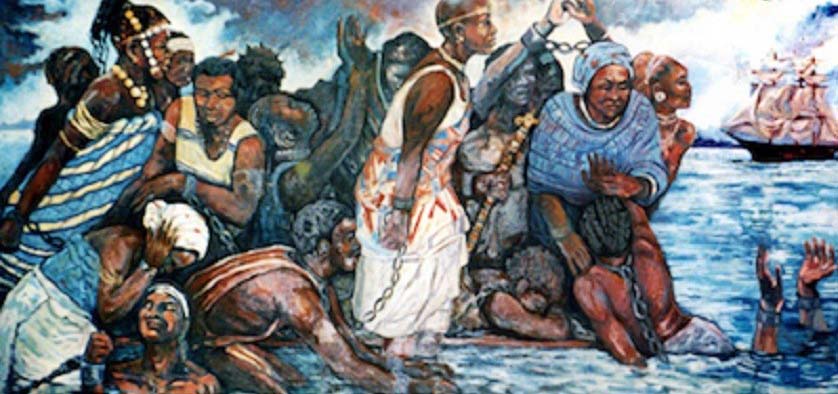
    A depiction of the Igbo Landing drownings by Donovan Nelson.

    In May 1803, the Igbo and other West African captives arrived in Savannah Georgia, on the slave ship, the Wanderer. They were purchased for an average of $100 each by slave merchants John Couper and Thomas Spalding to be resold to plantations on nearby St. Simons Island. The chained slaves were packed under deck of a coastal vessel, the York, which would take them to St. Simons. During the voyage, approximately 75 Igbo slaves rose in rebellion, took control of the ship, drowned their captors, and in the process caused the grounding of the ship in Dunbar Creek.

    Then, the captives made a wrenching choice. Instead of surrendering to the slavers waiting on the shore, they marched into the water and drowned themselves. What happened at Igbo Landing has been called a mass suicide, but many see it differently — as an act of mass resistance.

    Igbo entering the waters of Dunbar Creek, Igbo Landing painting by LaRue (Dee Williams)

    “By the water spirits we came and by the water spirits we will be taken home,” they sang as they walked, still in chains, into the water.

    The sequence of events that occurred next remains unclear. It is known only that the Igbo marched ashore, singing, led by their high chief. Then at his direction, they walked into the marshy waters of Dunbar Creek, committing mass suicide. Roswell King, a white overseer on the nearby Pierce Butler plantation, wrote the first account of the incident. He and another man identified only as Captain Patterson recovered many of the drowned bodies. Apparently only a subset of the 75 Igbo rebels drowned. Thirteen bodies were recovered, but others remained missing, and some may have survived the suicide episode, making the actual numbers of deaths uncertain.

    Regardless of the numbers, the deaths signaled a powerful story of resistance as these captives overwhelmed their captors in a strange land, and many took their own lives rather than remain enslaved in the New World.

    The mutiny and subsequent suicide by the Igbo people was called by many locals the first freedom march in the history of the United States. Local people claimed that the Landing and surrounding marshes in Dunbar Creek where the Igbo people committed suicide in 1803 were haunted by the souls of the dead Igbo slaves. The story of Igbo, who chose death over slavery which had long been part of Gullah folklore, was finally recorded from various oral sources in the 1930s by members of the Federal Writers Project.

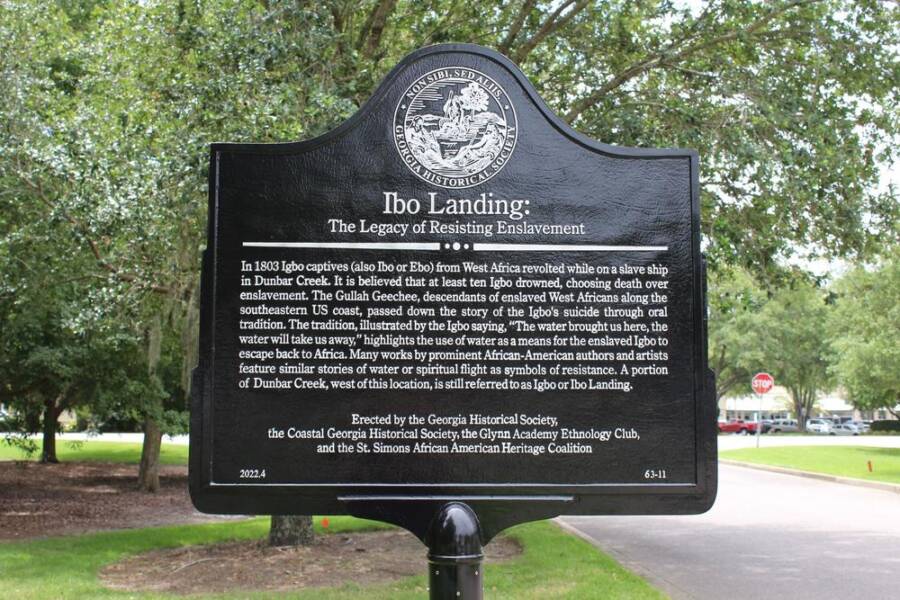
    A monument erected at the site of Igbo Landing in May 2022.

    Today, the stretch of St. Simons Island is a quiet place. Full of marshlands and beaches, it regularly draws tourists because of its golf courses and rich Southern cuisine. But for those who look closer, it’s also something else — the site of Igbo Landing, the place where dozens of Black captives chose to drown instead of being enslaved.