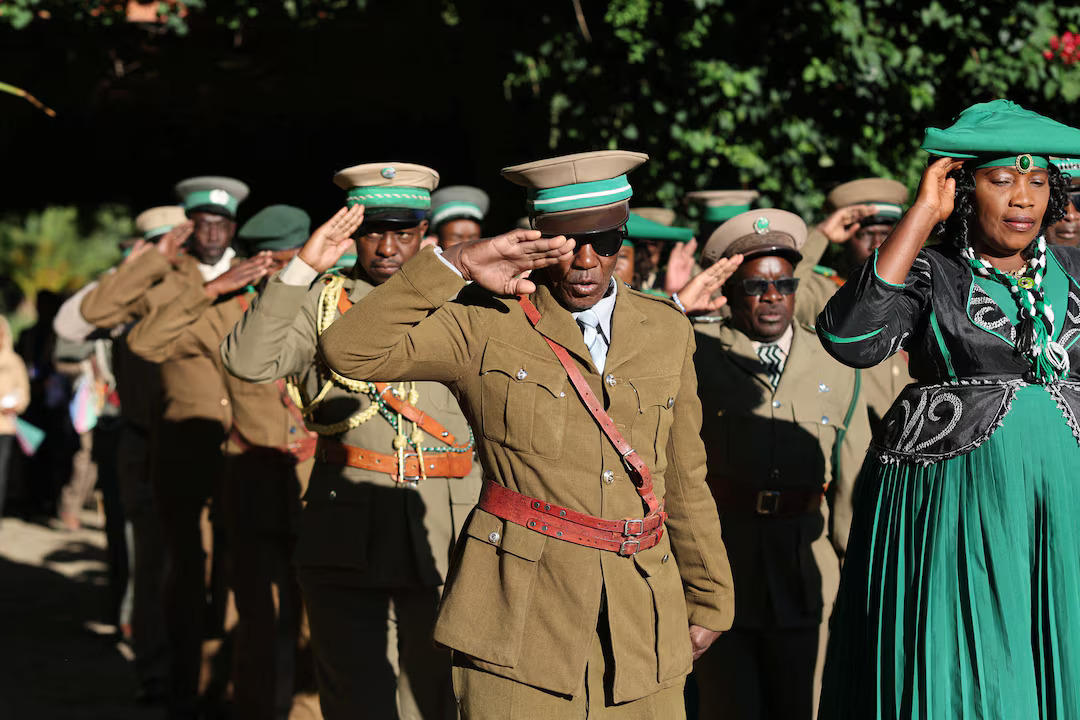
Africa Day, also known as African Liberation Day, is an annual celebration on 25 May. It commemorates the founding of the African Union on 25 May 1963. The African Union was established to promote unity and solidarity among African nations, coordinate cooperation for development, and eradicate all forms of colonialism from the continent. Africa Day continues to highlight the continent’s rich cultural heritage and diversity while promoting the continent’s contributions to global civilisation and addressing socio-economic issues.
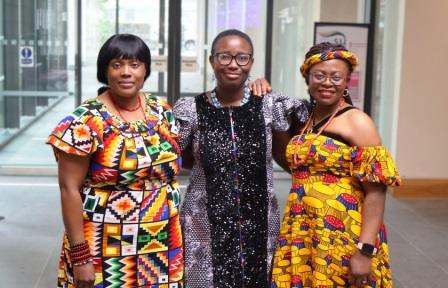
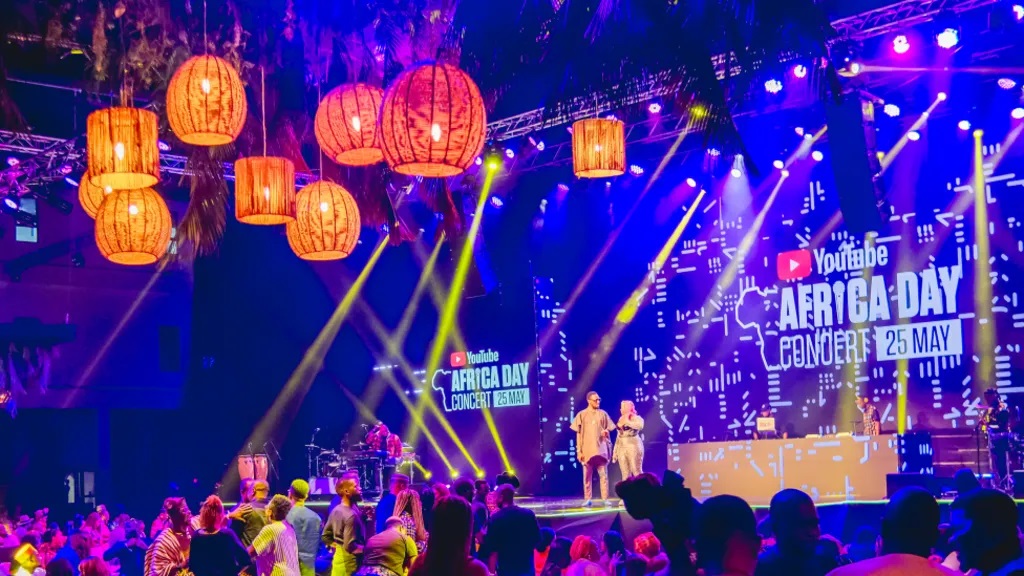
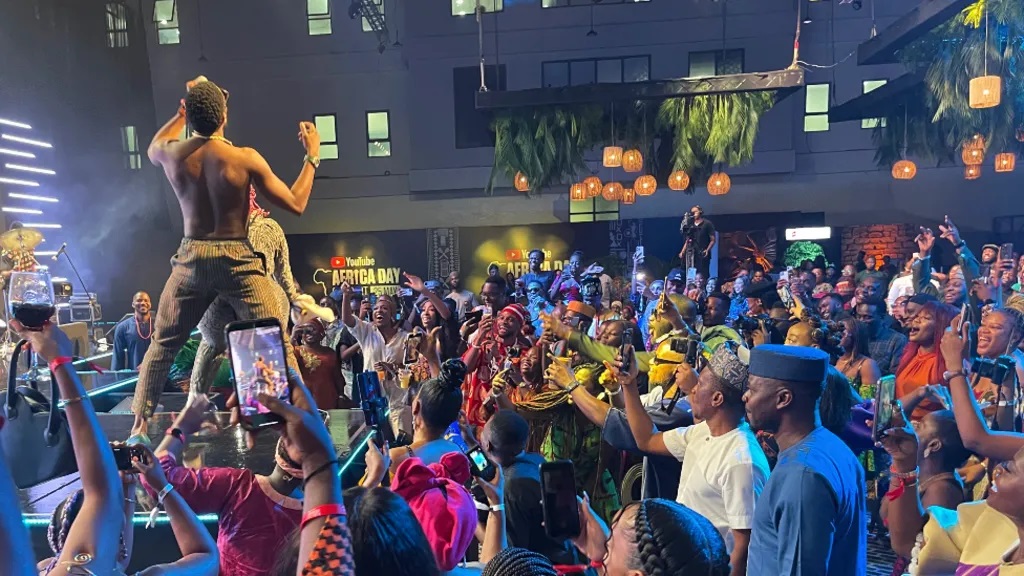
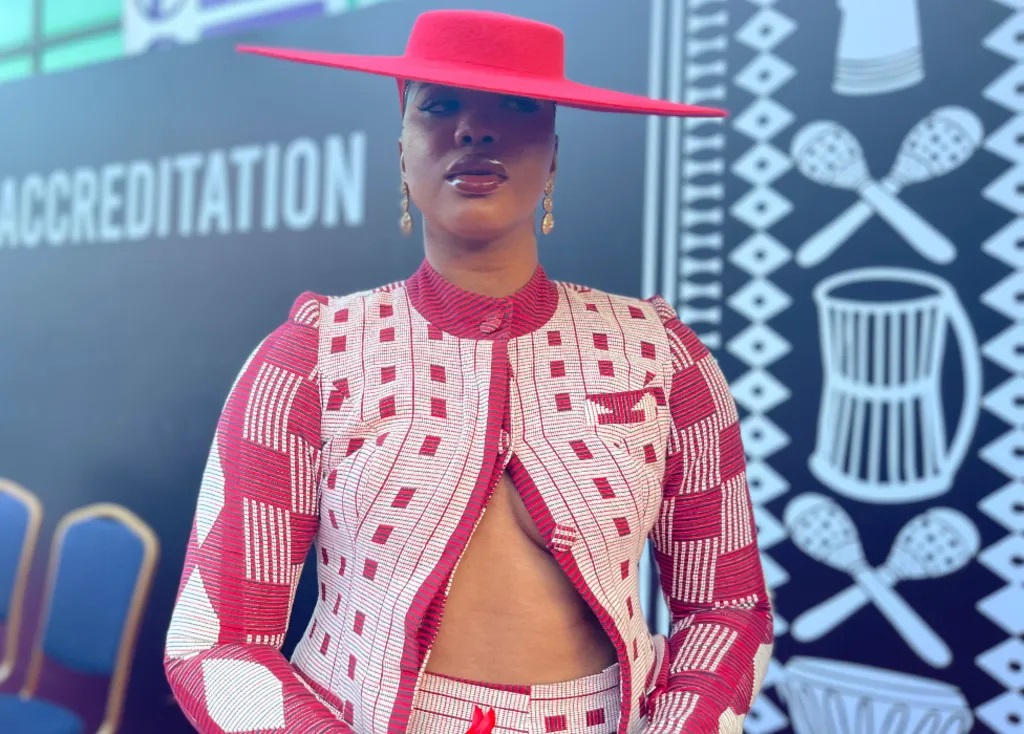
Tolulope Omotunde of Afrik Digest Magazine brings you images of Africa Day 2025 celebrations from all around the world. Enjoy
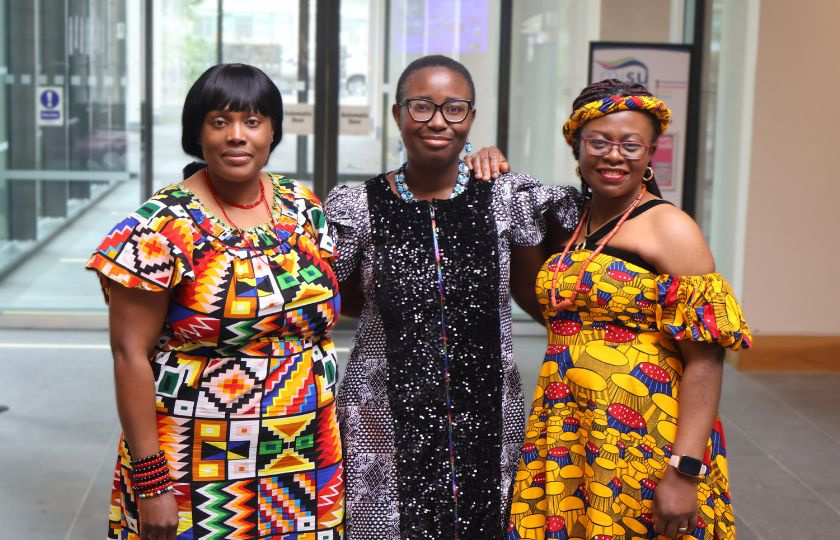
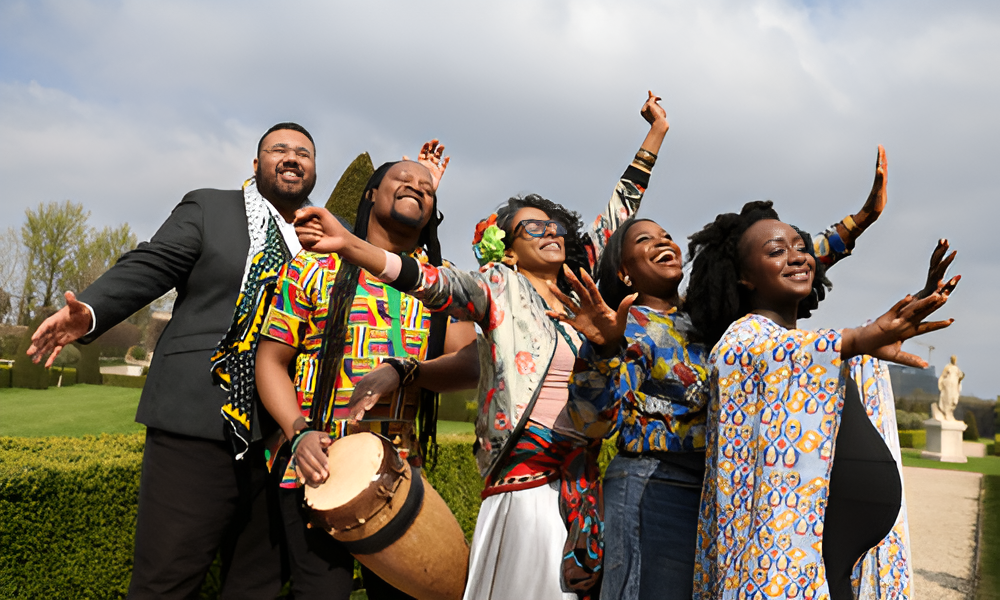
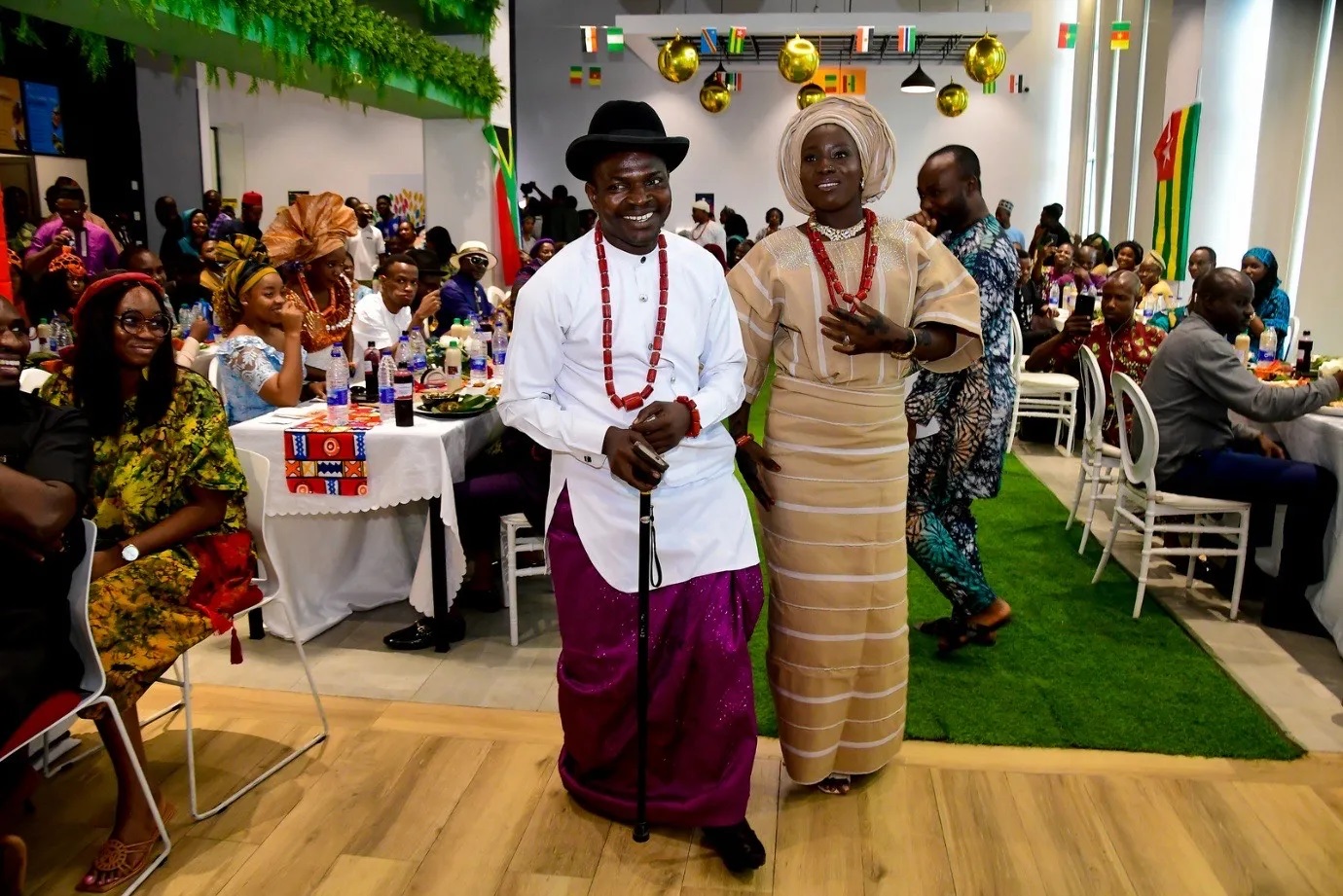
African day 2025 Celebrations in Lagos, Nigeria
African day 2025 Celebrations in Lagos, Nigeria
African day 2025 Celebrations in Lagos, Nigeria
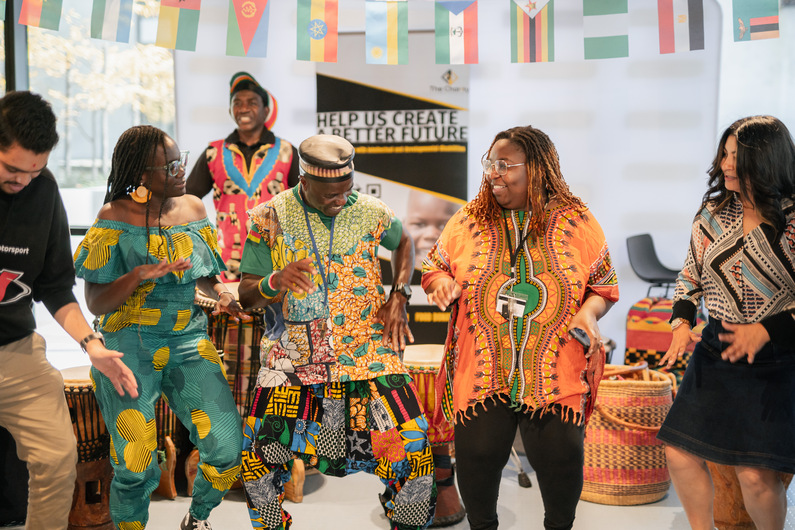
African Day celebrations in Drogheda, Ireland
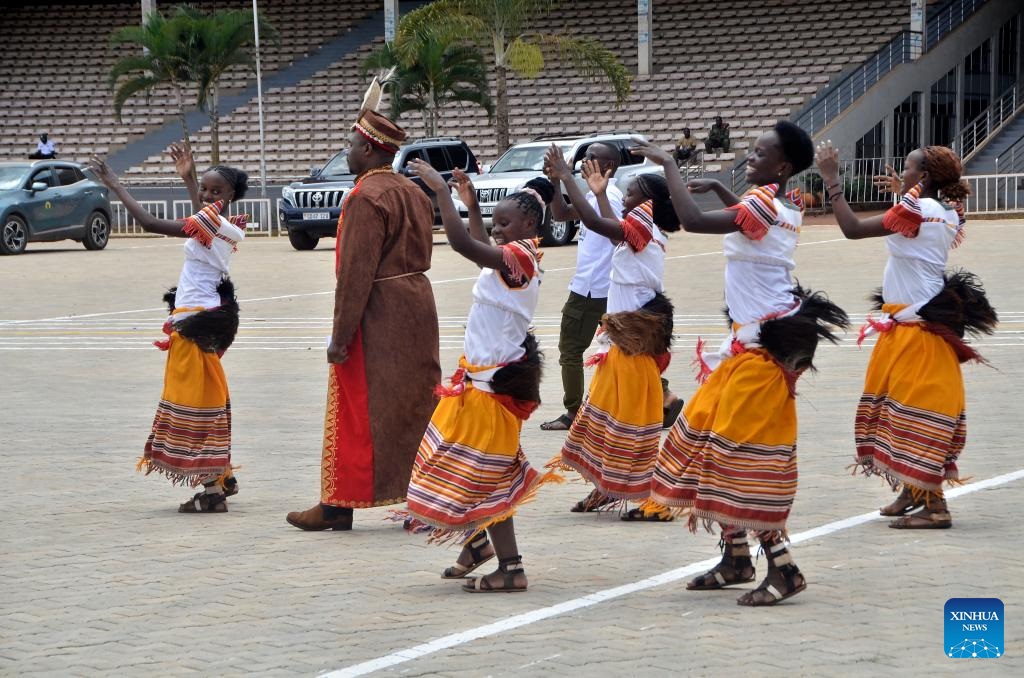
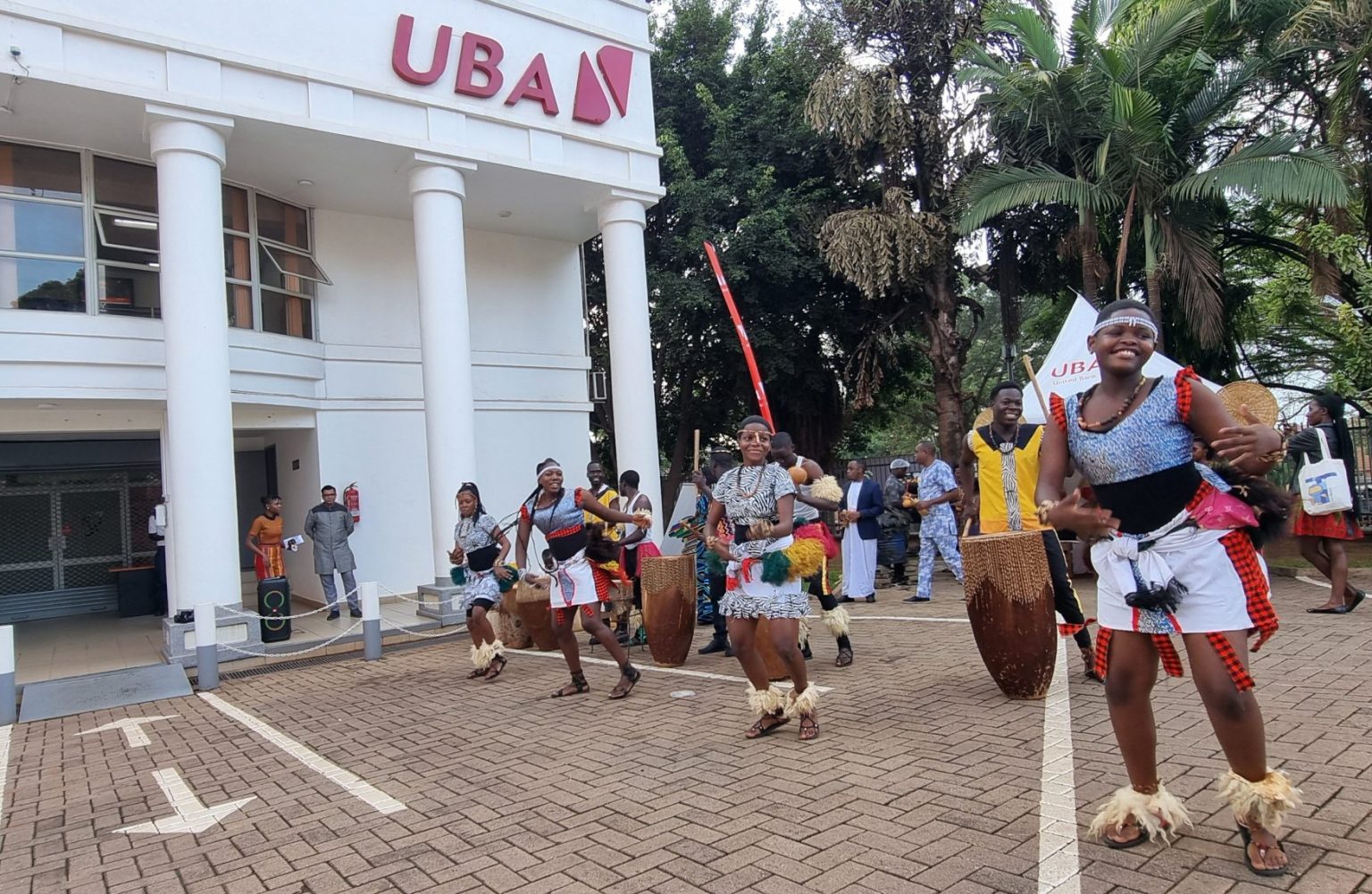
Artists from Uganda perform during an Africa Day celebration in Kampala, Uganda.
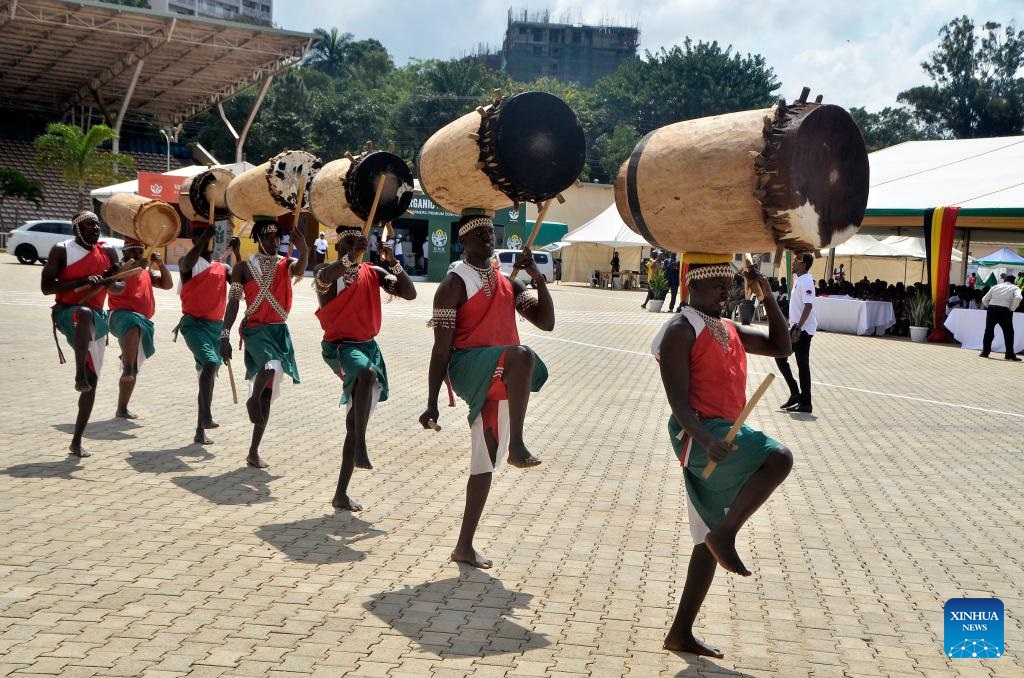
Artists from Burundi perform during an Africa Day celebration in Kampala, Uganda
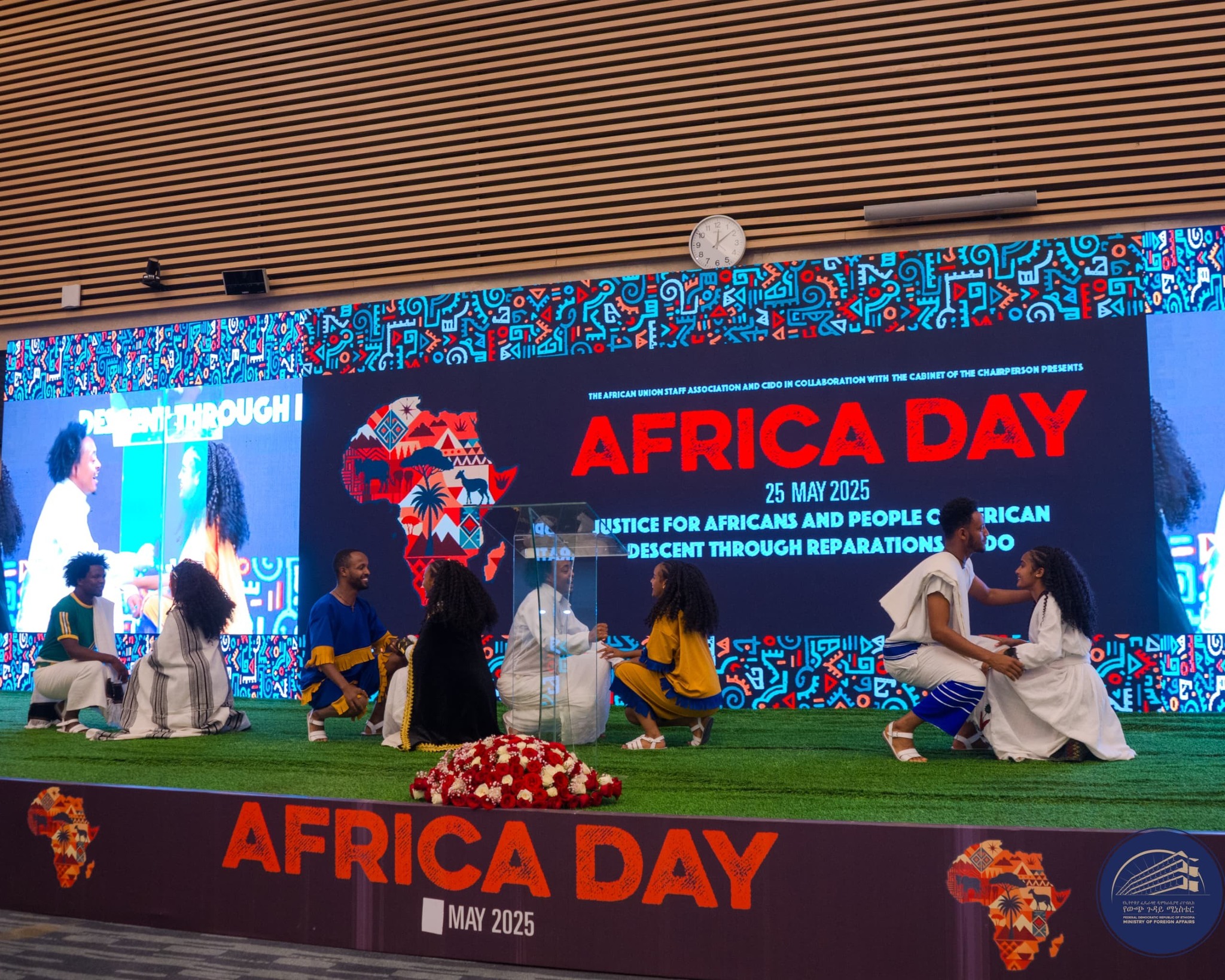
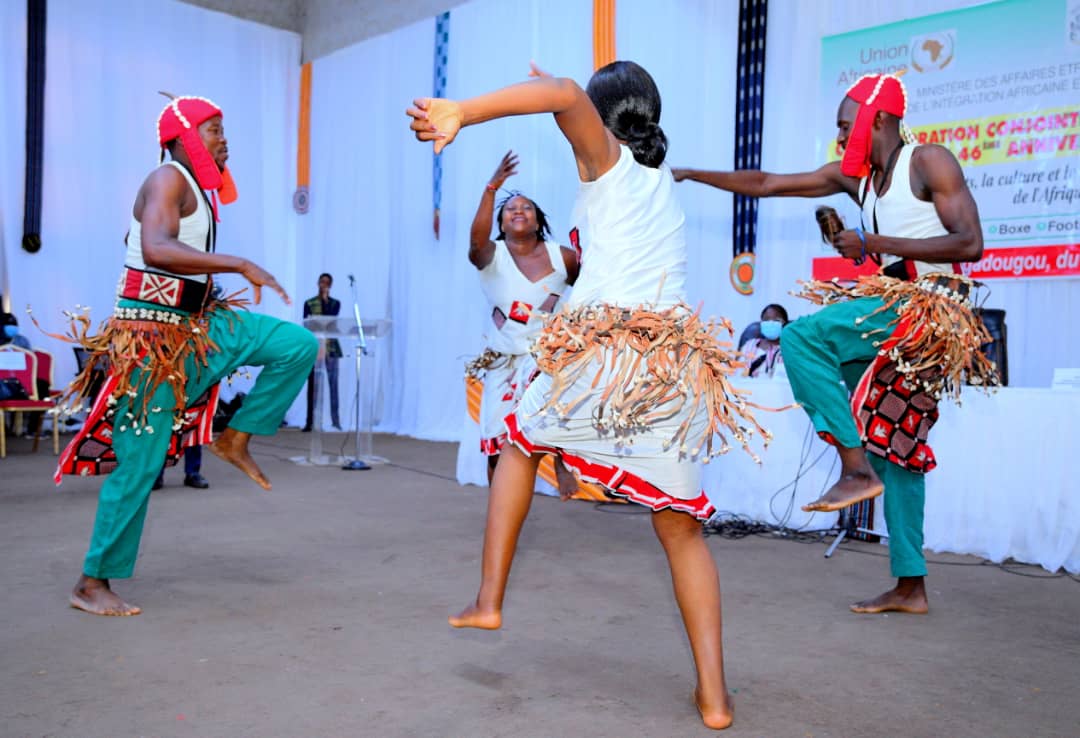
A performance at the African Union celebration in Addis Ababa, Eithiopia
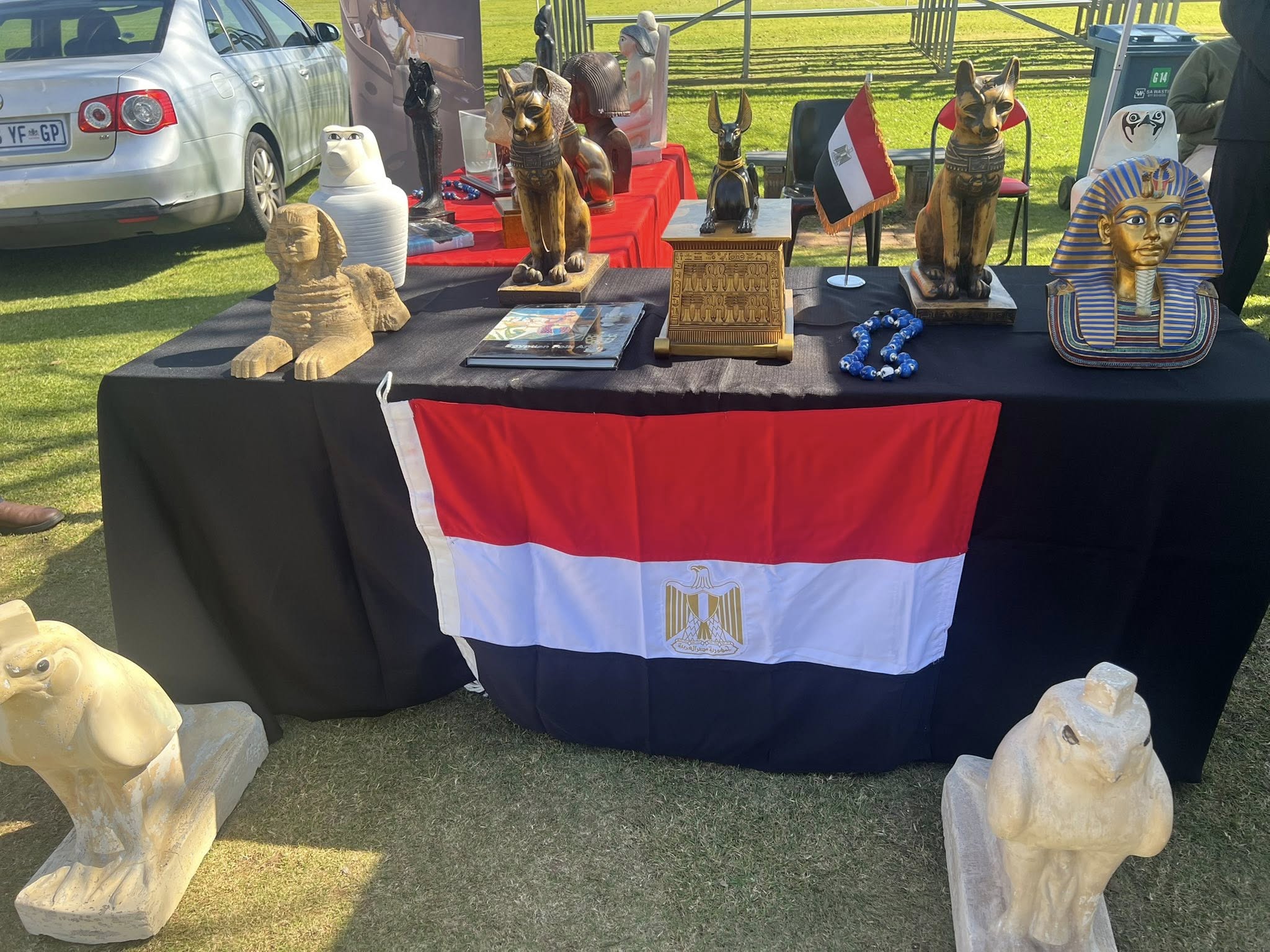
Egyptian artifacts on display at the Africa Day 2025 celebrations in Durban, South Africa
Students of Mary Immaculate College (MIC) Limerick, Ireland celebrate Africa Day 2025
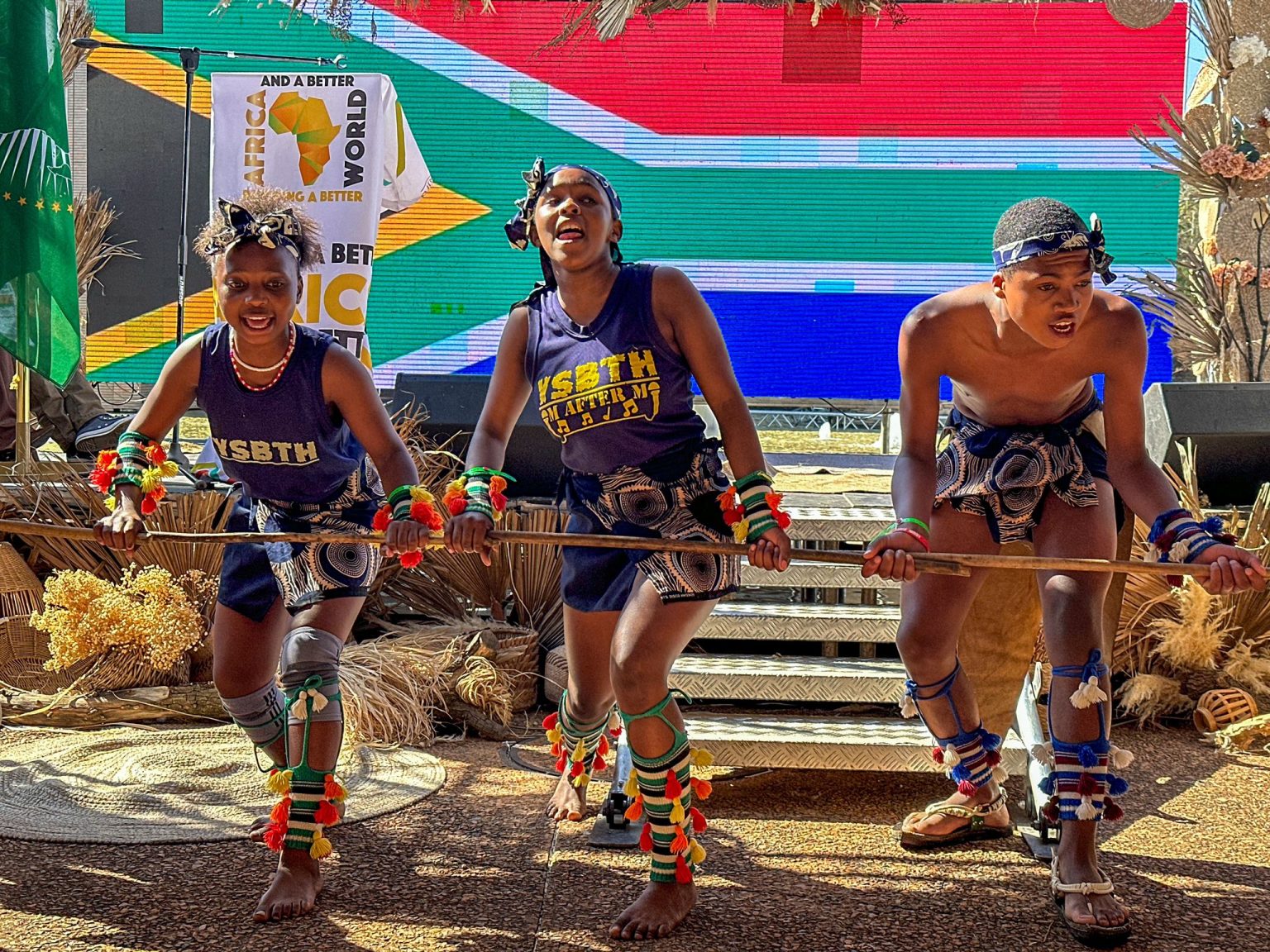
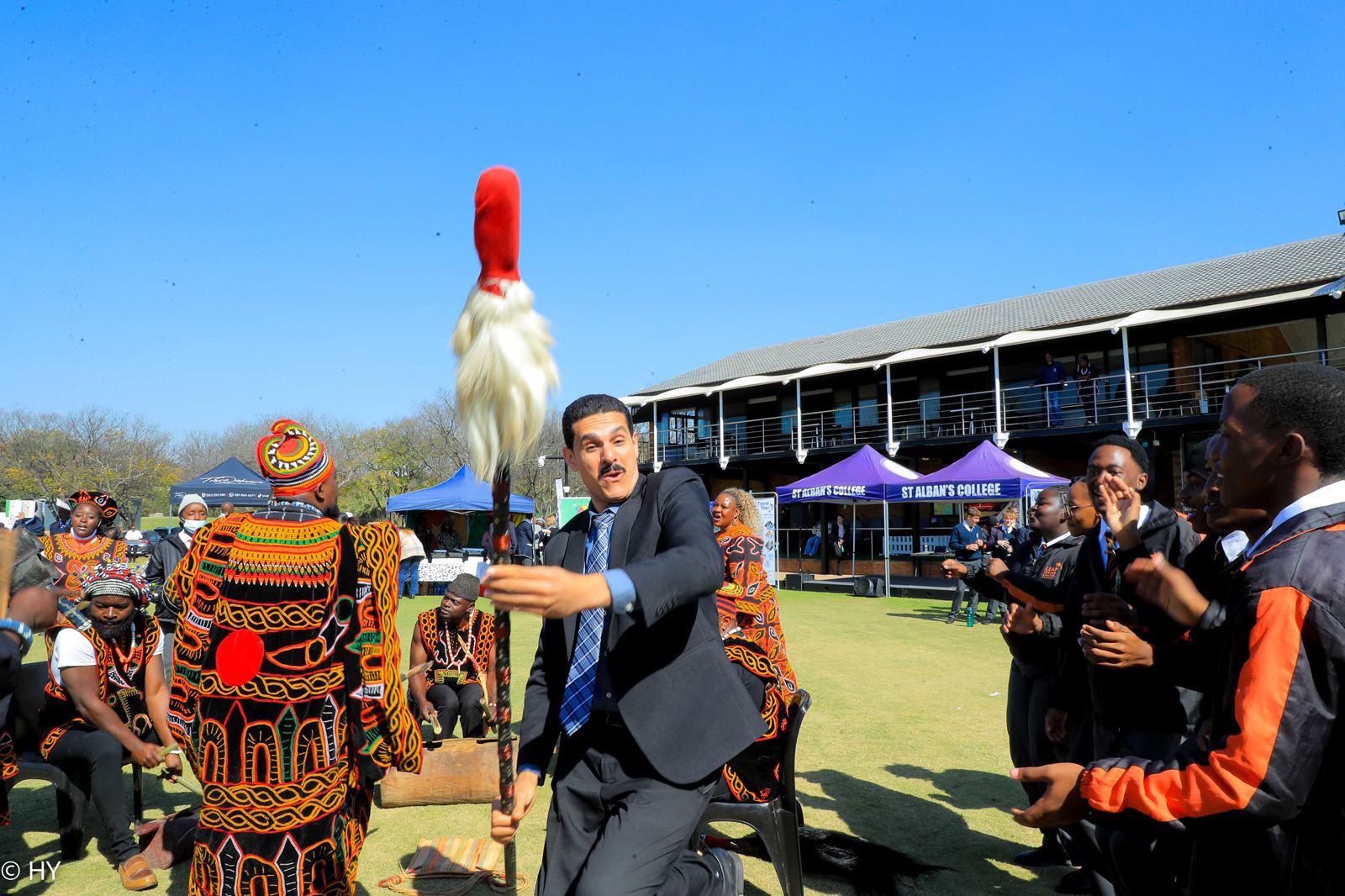
South African cultural dancers celebrating Africa Day in Pretoria, South Africa
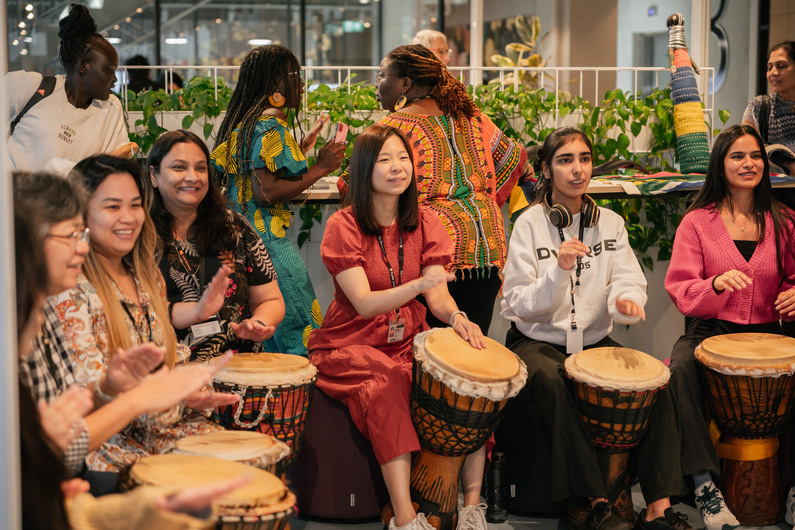
Staffs and Students of Curtin College, Australia celebrate Africa Day 2025
Staffs and Students of Curtin College, Australia celebrate Africa Day 2025
The Egyptian embassy in South Africa celebrated Africa Day 2025 at a local school in Durban
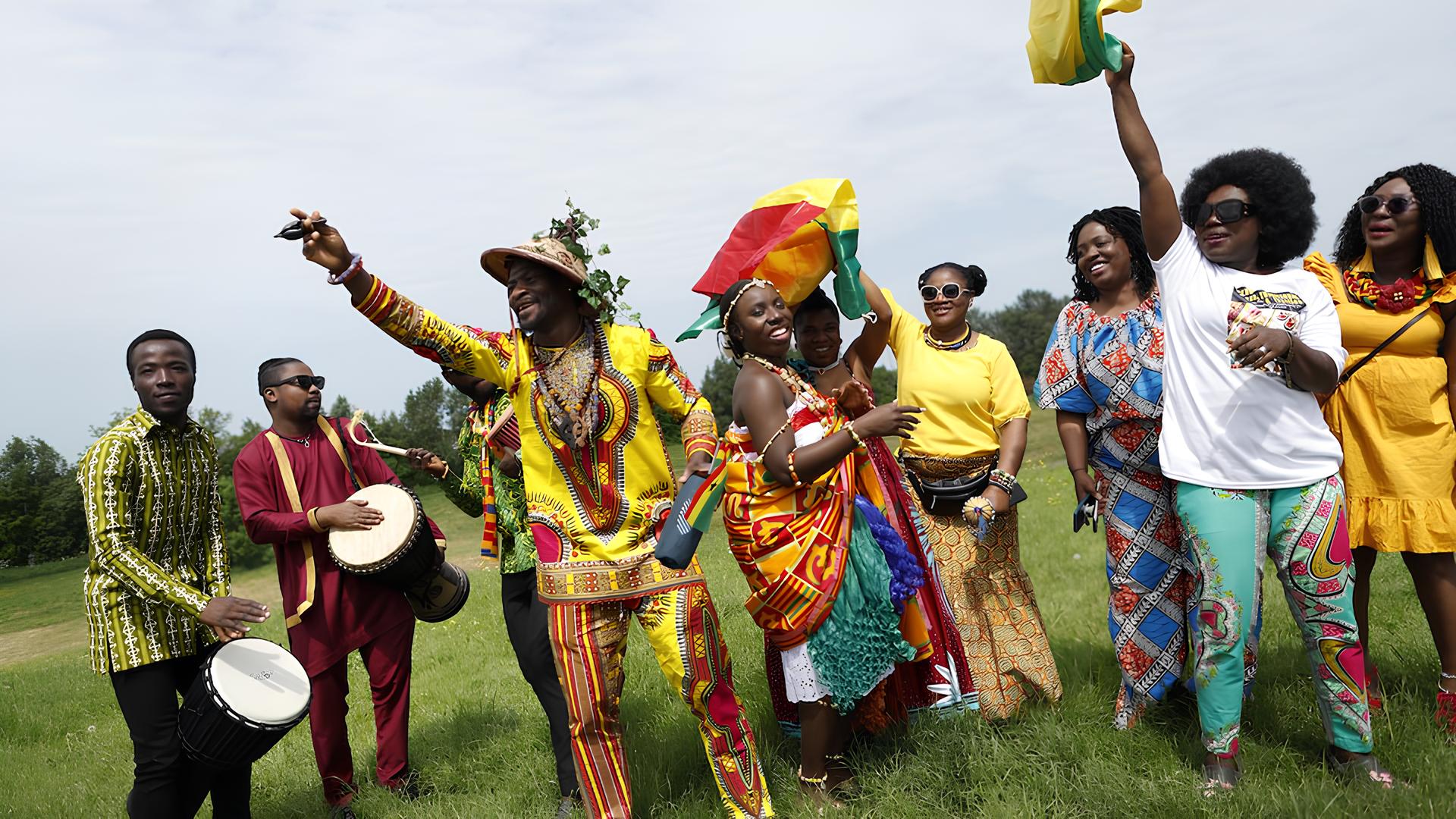
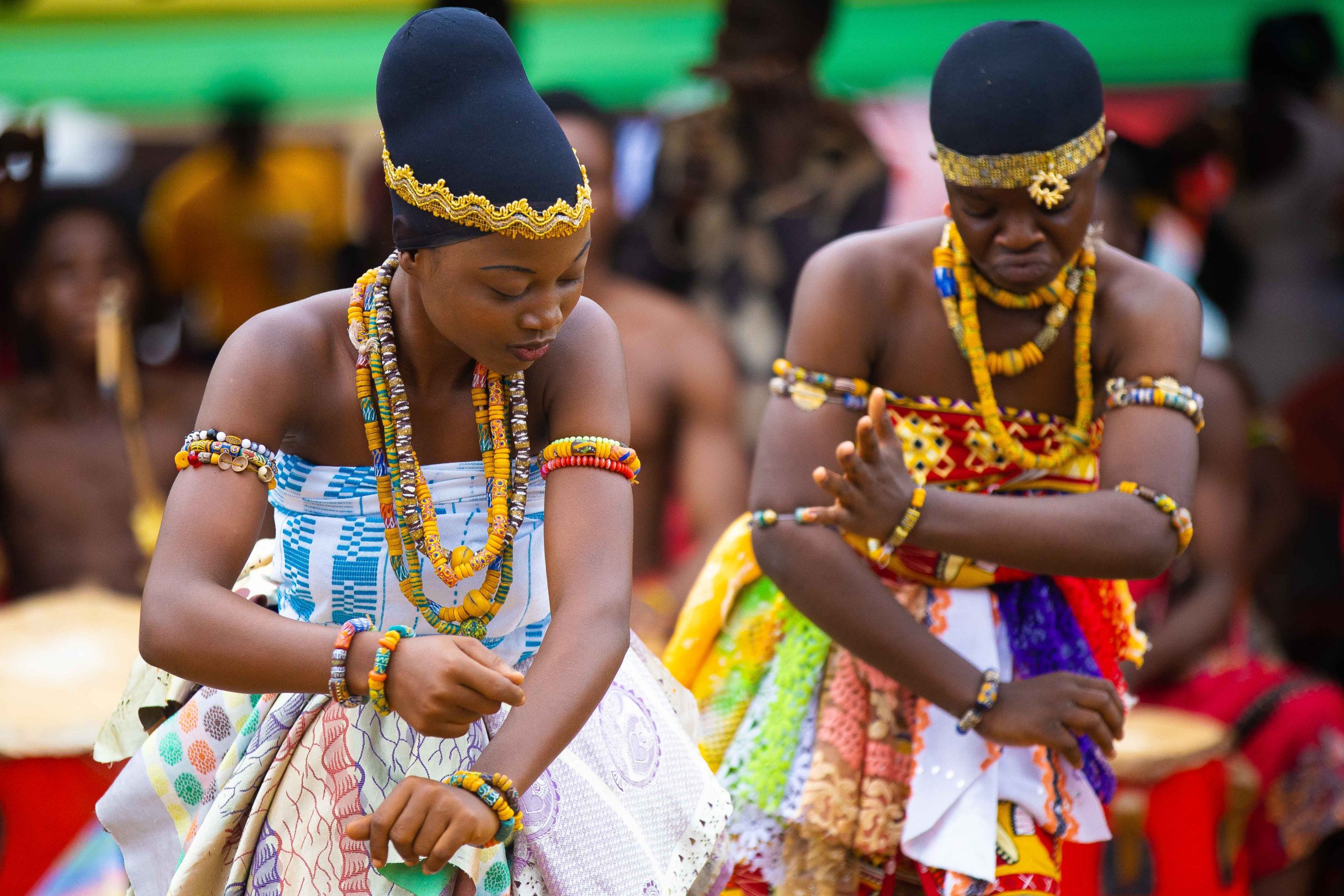
A cultural performance in Ghana to mark Africa Day 2025
African Day celebrations in Drogheda, Ireland
Staffs of a Nigerian Agro-Allied Company Olam Agri Celebrate Africa Day 2025
Germany has acknowledged early 1900s genocide of Herero and Nama people, but reparations remain elusive.
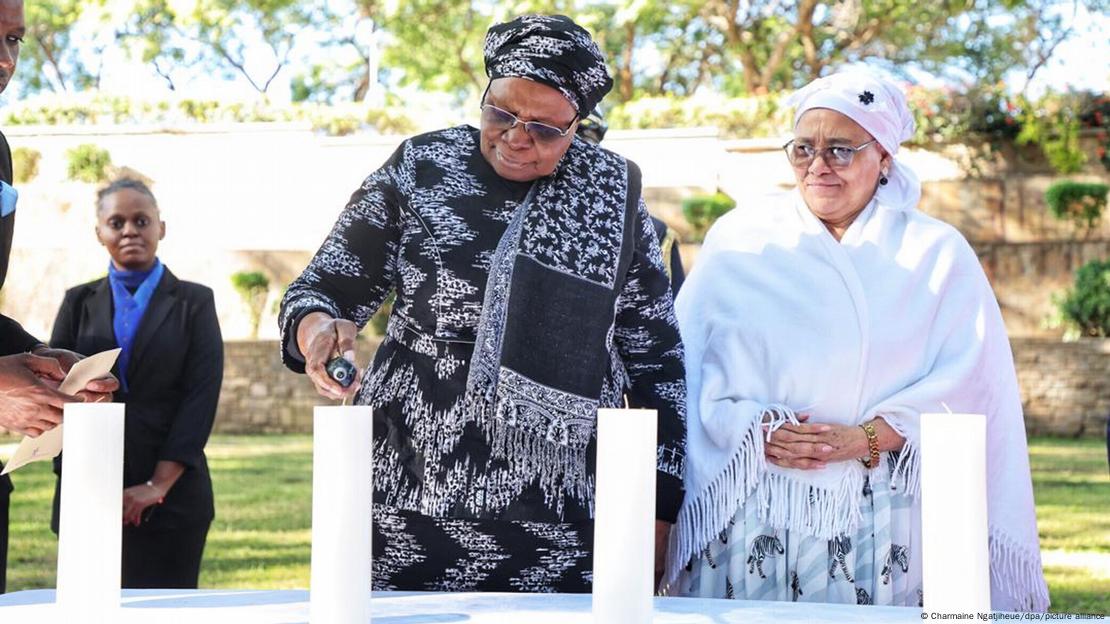
Namibia’s President Netumbo Nandi-Ndaitwah and Vice President Lucia Witboo light a ceremonial candle as the country holds its first commemoration for victims of the Herero and Nama genocide German colonial forces at the turn of the 20th century. Credit: Reuters
Namibia marked the mass killings of Indigenous people in the early 20th century by former colonial ruler Germany with its first genocide remembrance day on the 28th of May 2025.
The day was declared a national holiday last year by the government and was commemorated for the first time with a ceremony in the gardens of the national Parliament in the capital, Windhoek.
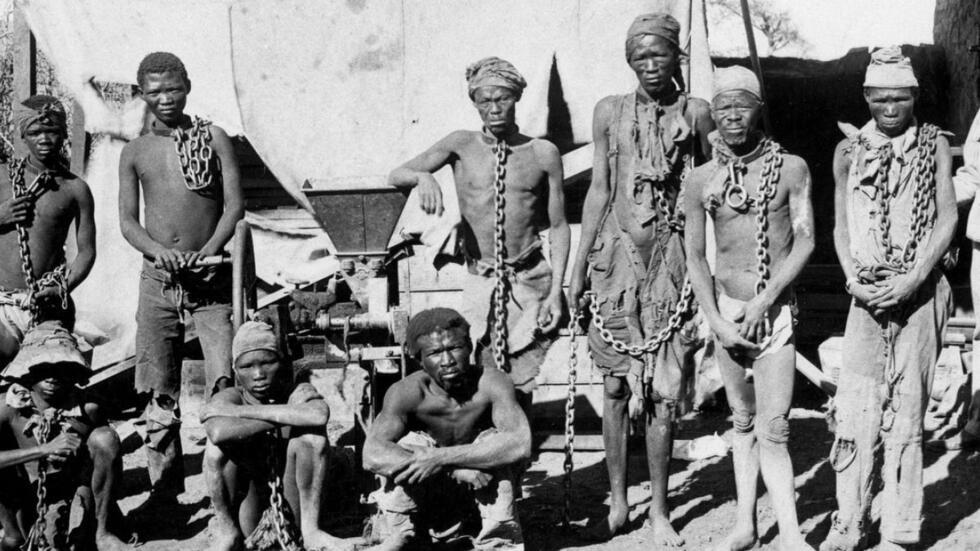
Between 1904 and 1908, tens of thousands of Herero and Nama people were massacred or forced into concentration camps and starved by German colonial forces under the command of Gen. Lothar von Trotha, in what was then German South West Africa.
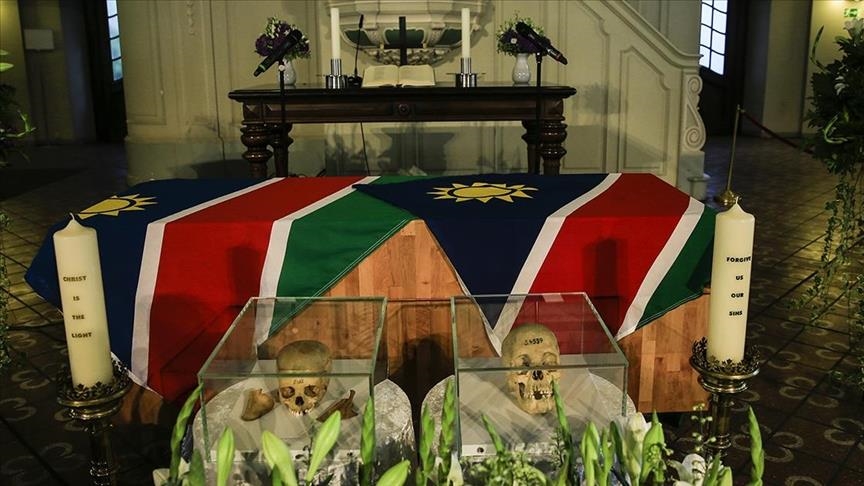
Some of their skulls were taken to Germany for racist experiments and were stored in German hospitals, museums and universities for decades.
Germany, which colonised Namibia from 1884 to 1915, previously acknowledged the genocide in 2021, but talks on reparations stretching back to 2013 have been fruitless. Germany agreed to pay Namibia €1.1bn (then £940m) to fund development for the Herero and Nama. It said this was a gesture of “reconciliation”, but not compensation or reparations. Germany returned the skulls and other human remains to Namibia in 2011 and 2018.
Namibian President Netumbo Nandi-Ndaitwah said at a commemorative event on the grounds of Parliament in the capital, Windhoek, that her country has been in talks with Germany for more than a decade about a formal apology and reparations.
Namibian war prisoners in a photograph taken during the 1904-1908 war of Germany against Herero and Nama. Credit: National Archives of Namibia
Although the German government had agreed to apologize, “we have yet to reach an agreement on repatriation,” Nandi-Ndaitwah said, adding that “These are complex negotiations that have been going on since 2013, and we have made progress, and consensus is key because we may forgive but never forget.”
She said May 28 will remain a public holiday of commemoration beginning this year, and that it is critical to fostering a peaceful and united Namibia.
While figures remain contested, according to conservative estimates, around 65,000 of 80,000 Herero people and at least 10,000 out of 20,000 Nama people were killed under German rule.
Up to 100,000 people are said to have died at the hands of German forces with the period of history now widely accepted as the 20th century’s first genocide.
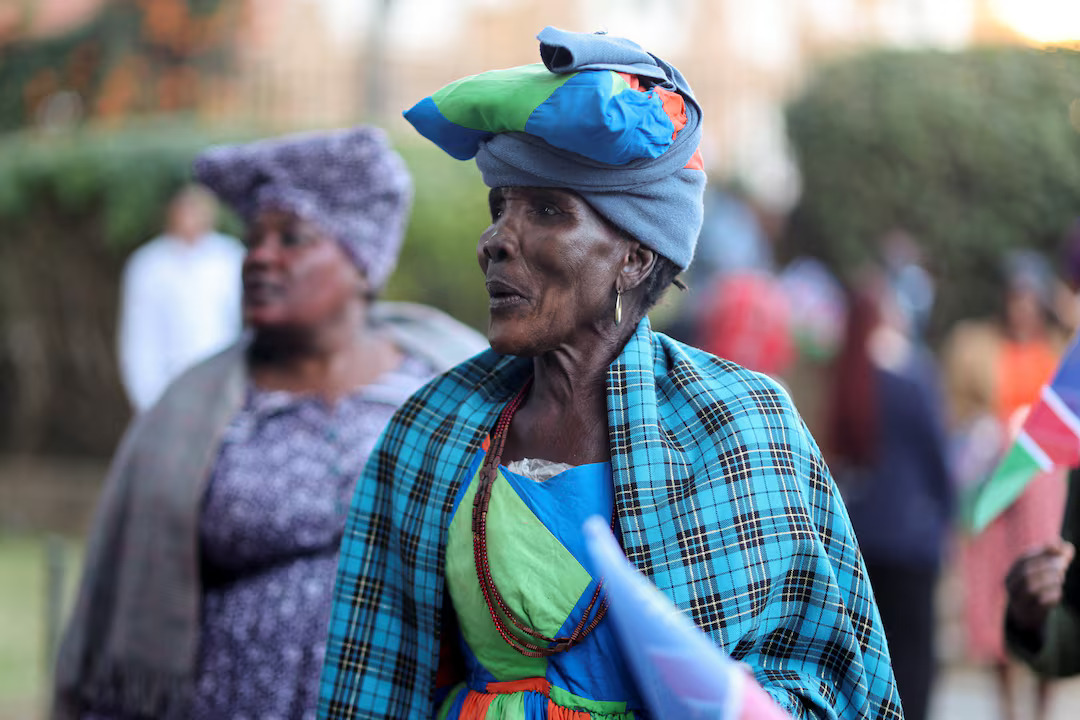
Members of the Herero community attend the country’s first commemoration for victims of the Herero and Nama genocide, massacred by German colonial forces more than a century ago, in the capital, Windhoek, Namibia, May 28, 2025. Credit: REUTERS
Germany’s ambassador to Namibia, Thorsten Hutter, said in a speech at the memorial: “It is a stark reminder of the pain and suffering that was inflicted by German imperial troops during the colonial era … We cannot change the past, but as the people who are living today, it is our responsibility to remember those atrocities that were committed.”
Symbolic candles were lit at the remembrance ceremony, which was also attended by leaders and descendants of the Herero and Nama people. Namibia chose May 28 as the day to mark the genocide because it was the date Germany finally gave the order to close down the concentration camps.
Members of the Herero community attend the country’s first commemoration for victims of the Herero and Nama genocide, massacred by German colonial forces more than a century ago, in the capital, Windhoek, Namibia, May 28, 2025. Credit: REUTERS
Germany was forced out of the colony in 1915. Namibia passed to South African rule, and only gained independence in 1990.
The events are now recognized by historians as the first genocide of the twentieth century.
Some historians see the killings as a precursor to the Holocaust during the second world war.
Africa Day, celebrated every May 25, marks the founding of the Organization of African Unity (now the African Union) in 1963. It serves as a time to recognize the continent’s progress and potential, its dynamism and the depth of its inventiveness and cultures while recognising each nation’s challenges.
Africa is known as the world’s second-largest and most populous continent after Asia. There are a total of 54 countries in Africa, with about 1,000 – 2,000 languages spoken on the continent. According to a Havard report, Africa is home to approximately one-third of the world’s languages.
The First Congress of Independent African States was held in Accra, Ghana on 15 April 1958. It was convened by the Prime Minister of Ghana, Dr. Kwame Nkrumah, and comprised representatives from Egypt (then a constituent part of the United Arab Republic), Ethiopia, Liberia, Libya, Morocco, Sudan, Tunisia, the Union of the Peoples of Cameroon, and the host country, Ghana. The Union of South Africa was not invited.
The conference showcased progress of liberation movements on the African continent in addition to symbolizing the determination of the people of Africa to free themselves from foreign domination and exploitation. Although the Pan-African Congress had been working towards similar goals since its foundation in 1900, this was the first time such a meeting had taken place on African soil.
The conference called for the founding of an African Freedom Day, a day to “…mark each year the onward progress of the liberation movement, and to symbolize the determination of the people of Africa to free themselves from foreign domination and exploitation.”
The conference was notable in that it laid the basis for the subsequent meetings of African heads of state and government during the Casablanca Group and the Monrovia Group era, until the formation of the Organisation of African Unity (OAU) in 1963.
Five years later, on 25 May 1963, representatives of thirty African nations met in Addis Ababa, Ethiopia, hosted by Emperor Haile Selassie. By then more than two-thirds of the continent had achieved independence, mostly from imperial European states. At this meeting, the Organization of African Unity was founded, with the initial aim to encourage the decolonization of Angola, Mozambique, South Africa and Southern Rhodesia. The organization pledged to support the work conducted by freedom fighters, and remove military access to colonial nations. A charter was set out which sought to improve the living standards across member states. Selassie exclaimed, “May this convention of union last 1,000 years.”
The charter was signed by all attendees on 26 May, with the exception of Morocco. At that meeting, Africa Freedom Day was renamed Africa Liberation Day. In 2002, the OAU was replaced by the African Union. However, the renamed celebration of Africa Day continues to be celebrated on 25 May in respect to the formation of the OAU.
With its vast number of countries and diverse linguistic landscape, Africa represents a treasure trove of languages, traditions, and histories. Celebrating Africa Day provides an opportunity to honour and appreciate the continent’s immense cultural wealth while fostering unity, understanding, and recognition of Africa’s global significance.
In the past, people across Africa commemorated Africa Day with a tapestry of vibrant festivities, music, dance, cultural exhibitions, and thought-provoking discussions. From bustling city streets to rural villages, the day was filled with joy, reflection, and a renewed sense of pride in African heritage.
Africa over the years has always often been reduced to a single story – typically one of poverty, disease, hunger or conflict. Another narrative that has gained currency is that the continent is a “black hole of investing.”
One of the reasons the celebration of Africa Day has gained a more prominent importance is that it is an avenue to tackle these harmful narratives and show the African continent in a more positive light.
Africa Day continues to be celebrated both in Africa and around the world, mostly on 25 May (although in some cases these periods of celebrations can be stretched out over a period of days or weeks).
Themes are set for each year’s Africa Day, with 2015’s being the “Year of Women’s Empowerment and Development towards Africa’s Agenda 2063”. The slogan of the 2023 Africa Day celebration was “Our Africa Our Future”. The theme of 2024 Africa Day celebration is “Education Fit for the 21st Century”.
The theme for Africa Day 2025 is “Revisiting Our History, Shaping Our Future”.
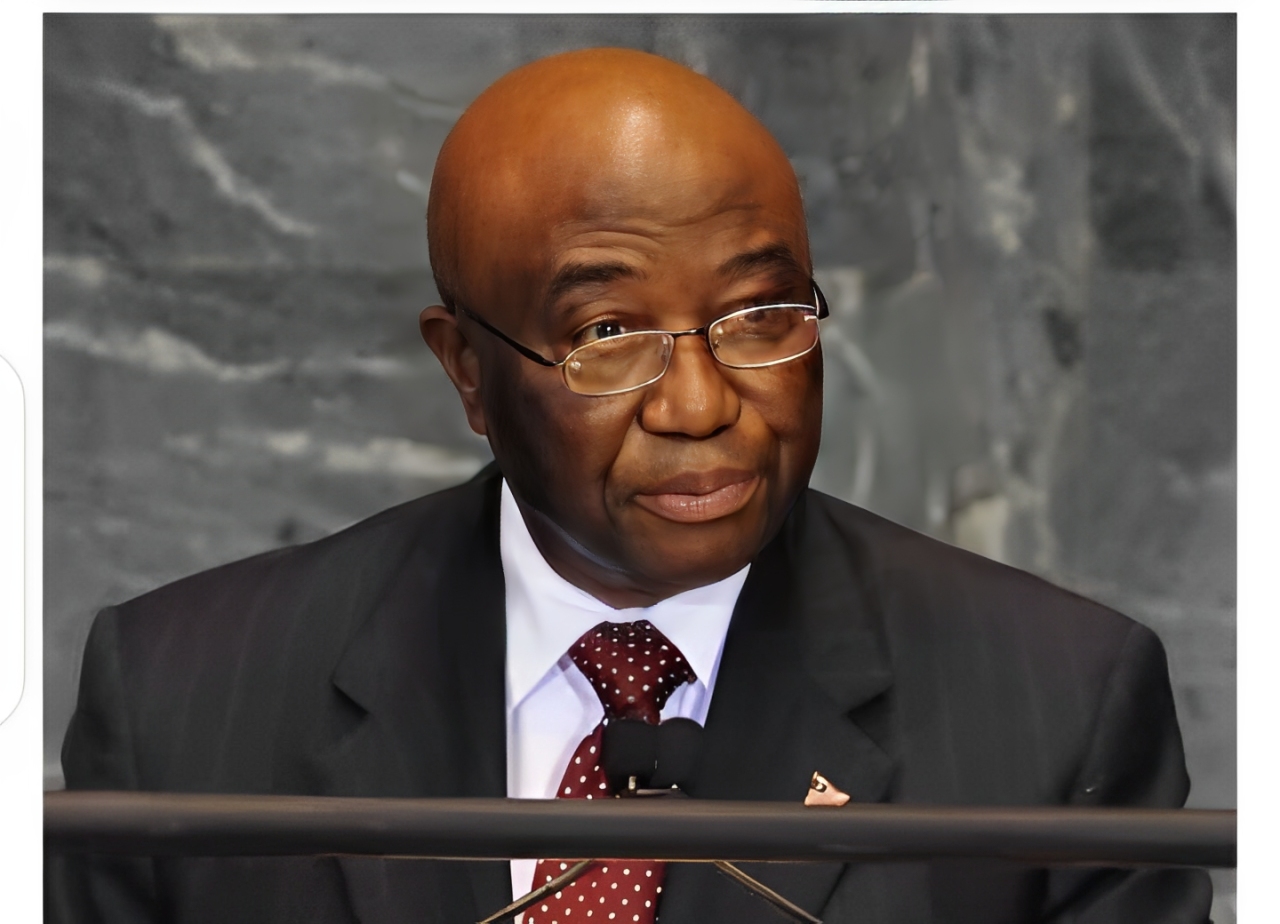
Joseph Nyumah Boakai has served as the 26th president of Liberia since 2024. Credit: Reuters
Liberia was founded in 1822 as an outpost for returning freed slaves from the Americas. It’s a country situated in West Africa, bordered by Sierra Leone, Guinea and the Ivory Coast. The official language of Liberia is English but the majority of the population speaks one of 29 African languages of the Niger-Congo language family.
It grew into a colony, eventually became a commonwealth and achieved independence in 1847 with the help of the American Colonization Society (a private organization based in the United States). Descendants of the freed slaves, generally known as Americo-Liberians, remained in social and political control of the country until 1980.
Liberia was in close cahoots with the United States up until the 1980s, when a military coup overthrew the pro-American government and began what would be an era of civil war (two back to back civil wars to be exact) that would devastate the country’s infrastructure. Similar to the Congo, both of Liberia’s wars involved multiple armed groups, countries, and worst of all, exacted a needless high toll on human life. But Liberia seems to have put its worst days behind, and today is striving for a peaceful future.
Although the country was founded by freed American slaves, descendants of slaves presently make up 5% of the total population, while the majority of the population belongs to different indigenous African ethnic groups such as Kpelle, Bassa, Gio, Kru, Grebo, Mano, Krahn, Gola, Gbandi, Loma, Kisi, Vai, Dei, Bella, Mandingo, and Mende.
Liberians are generally warm people with a rich culture. Liberia’s artistic traditions are strong, but this is especially true in the country’s interior. The country’s capital, Monrovia, generally reflects a more Western culture.
The country has had its fair share of upheavals and full blown crises as well. On the back of protests against rising food prices, William Tolbert, the president, was killed in April 1980 during a military coup led by Sergeant Samuel Doe from the Krahn tribe.
The US considered Liberia a strategic ally in the Cold War, and Doe’s government became the recipient of significant financial largesse from America.
In 1984, Doe lifted a ban on political activity but arrested activists, including Ellen Johnson Sirleaf (who would later in future go on to become Liberia’s first female president), an economist from Harvard University.
Though elections were held in 1985, the results were changed to suit Doe, and he won with 51 per cent. He went on to place members of his own tribe into positions of power, promulgating inter-tribal hostilities.
Meanwhile, Liberia’s economy began to fail, and investors abandoned the country. Following an attempted coup in 1985, Doe grew increasingly violent, punishing tribes associated with the attempt. The repression only intensified.
In 1989, Charles Taylor led the National Patriotic Front of Liberia (NPFL), an army of dissidents from surrounding countries that included child soldiers, in an attack on Doe’s regime, supported by Ivory Coast and Burkina Faso.
After Doe’s demise the next year, the rebel factions split and Liberia’s civil war diversified.
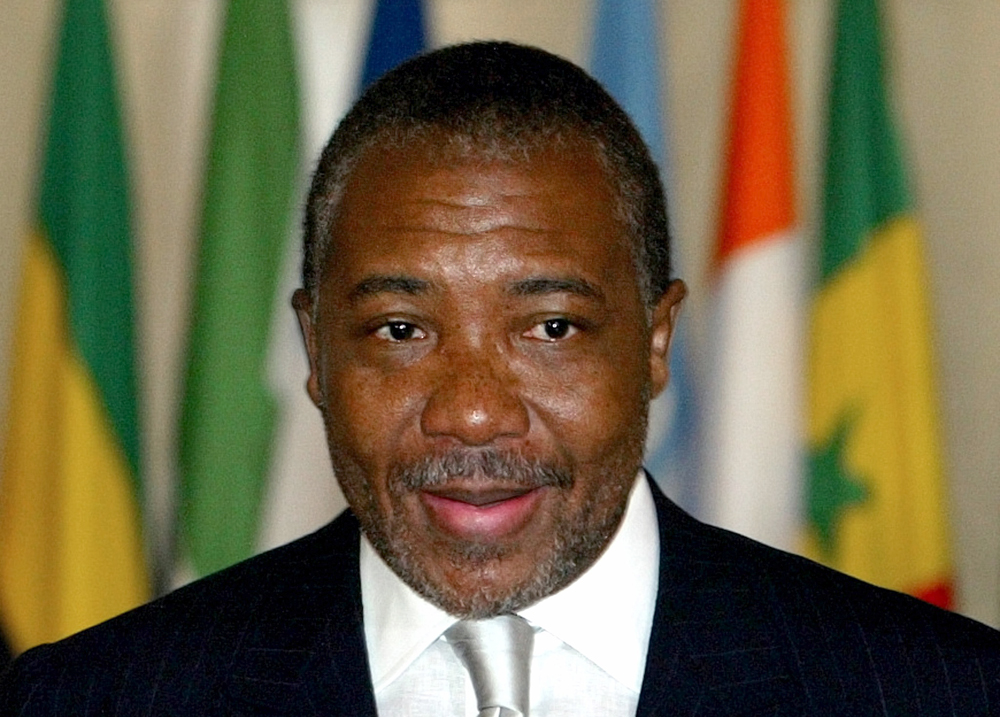
Former Liberian president Charles Taylor was the 22nd president of Liberia from 2 August 1997 until his resignation on 11 August 2003 and is currently in prison for war crimes. Credit: BBC
West African nations became formally involved through the formation of a peacekeeping force known as the Economic Community of West African States Monitoring Group (ECOMOG).
The civil war lasted until 1995, when a peace accord was signed, and Taylor became president in 1997. But Taylor was accused of meddling in Sierra Leone’s diamond trade, providing the rebel Revolutionary United Front with weapons in exchange for diamonds.
The Liberian civil war restarted in 1999, when Liberians United for Reconciliation and Democracy (LURD) began a campaign against Taylor’s regime.
As LURD pressed in the north, another group, the Movement for Democracy and Elections in Liberia (MODEL) attacked from the south and the east.
After four years of fighting, including a month-long siege of the capital Monrovia, Taylor surrendered in 2003 and was allowed to go into exile in Nigeria.
In 2005, Ellen Johnson Sirleaf was elected president, trumping former football legend George Weah in a vote considered to be one of the most free and fair in Liberia’s history.
Johnson-Sirleaf became the first female president in Africa and set up the Truth and Reconciliation Commission (TRC) to deal with crimes committed during the civil war.
Her government asked Nigeria to extradite Taylor, who had been indicted on war crimes by the United Nations-backed Special Court for Sierra Leone before fleeing.
In 2006, he was arrested and handed to the International Criminal Court in The Hague, where he was found guilty in April 2012 of all eleven charges levied by the Special Court, including terror, murder and rape.
In May 2012, Taylor was sentenced to 50 years in prison and is currently incarcerated at the HM Prison Frankland in England.
Liberia is home to a diverse range of landscapes, including tropical rainforests, savannas, and mountain ranges. The country’s varied geography provides a home for a wide range of plant and animal species, many of which are unique to Liberia. Football (soccer) is the most popular sport in Liberia, and the country has produced several notable footballers, including George Weah, who became Liberia’s president in 2018. Other popular pastimes in Liberia include music, dance, and storytelling.
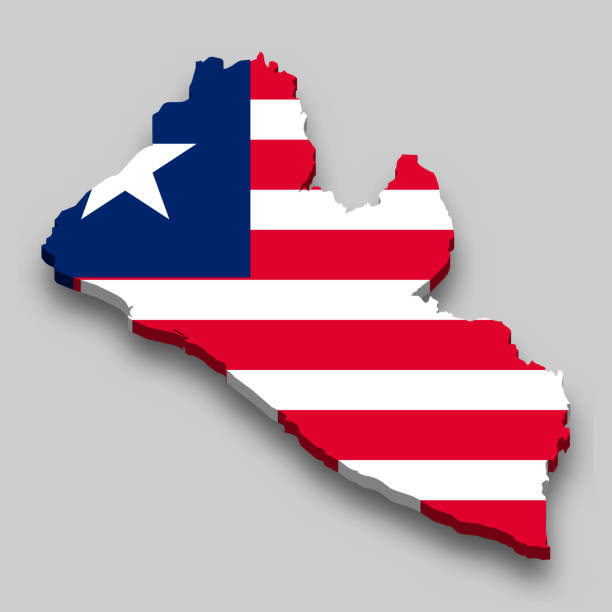
Liberia’s flag features 11 alternating red and white stripes, symbolizing the 11 signatories of the Liberian Declaration of Independence. The flag also features a blue square with a white star in the center, representing the country’s position as a beacon of hope for African freedom. Liberia’s motto is “The love of liberty brought us here.”
Liberia was founded in 1822 as an outpost for returning freed slaves from the Americas. It’s a country situated in West Africa, bordered by Sierra Leone, Guinea and the Ivory Coast. The official language of Liberia is English but the majority of the population speaks one of 29 African languages of the Niger-Congo language family.
It grew into a colony, eventually became a commonwealth and achieved independence in 1847 with the help of the American Colonization Society (a private organization based in the United States). Descendants of the freed slaves, generally known as Americo-Liberians, remained in social and political control of the country until 1980.
Liberia was in close cahoots with the United States up until the 1980s, when a military coup overthrew the pro-American government and began what would be an era of civil war (two back to back civil wars to be exact) that would devastate the country’s infrastructure. Similar to the Congo, both of Liberia’s wars involved multiple armed groups, countries, and worst of all, exacted a needless high toll on human life. But Liberia seems to have put its worst days behind, and today is striving for a peaceful future.
Although the country was founded by freed American slaves, descendants of slaves presently make up 5% of the total population, while the majority of the population belongs to different indigenous African ethnic groups such as Kpelle, Bassa, Gio, Kru, Grebo, Mano, Krahn, Gola, Gbandi, Loma, Kisi, Vai, Dei, Bella, Mandingo, and Mende.
Liberians are generally warm people with a rich culture. Liberia’s artistic traditions are strong, but this is especially true in the country’s interior. The country’s capital, Monrovia, generally reflects a more Western culture.
The country has had its fair share of upheavals and full blown crises as well. On the back of protests against rising food prices, William Tolbert, the president, was killed in April 1980 during a military coup led by Sergeant Samuel Doe from the Krahn tribe.
The US considered Liberia a strategic ally in the Cold War, and Doe’s government became the recipient of significant financial largesse from America.
In 1984, Doe lifted a ban on political activity but arrested activists, including Ellen Johnson Sirleaf (who would later in future go on to become Liberia’s first female president), an economist from Harvard University.
Though elections were held in 1985, the results were changed to suit Doe, and he won with 51 per cent. He went on to place members of his own tribe into positions of power, promulgating inter-tribal hostilities.
Meanwhile, Liberia’s economy began to fail, and investors abandoned the country. Following an attempted coup in 1985, Doe grew increasingly violent, punishing tribes associated with the attempt. The repression only intensified.
In 1989, Charles Taylor led the National Patriotic Front of Liberia (NPFL), an army of dissidents from surrounding countries that included child soldiers, in an attack on Doe’s regime, supported by Ivory Coast and Burkina Faso.
After Doe’s demise the next year, the rebel factions split and Liberia’s civil war diversified.
West African nations became formally involved through the formation of a peacekeeping force known as the Economic Community of West African States Monitoring Group (ECOMOG).
The civil war lasted until 1995, when a peace accord was signed, and Taylor became president in 1997. But Taylor was accused of meddling in Sierra Leone’s diamond trade, providing the rebel Revolutionary United Front with weapons in exchange for diamonds.
The Liberian civil war restarted in 1999, when Liberians United for Reconciliation and Democracy (LURD) began a campaign against Taylor’s regime.
As LURD pressed in the north, another group, the Movement for Democracy and Elections in Liberia (MODEL) attacked from the south and the east.
After four years of fighting, including a month-long siege of the capital Monrovia, Taylor surrendered in 2003 and was allowed to go into exile in Nigeria.
In 2005, Ellen Johnson Sirleaf was elected president, trumping former football legend George Weah in a vote considered to be one of the most free and fair in Liberia’s history.
Johnson-Sirleaf became the first female president in Africa and set up the Truth and Reconciliation Commission (TRC) to deal with crimes committed during the civil war.
Her government asked Nigeria to extradite Taylor, who had been indicted on war crimes by the United Nations-backed Special Court for Sierra Leone before fleeing.
In 2006, he was arrested and handed to the International Criminal Court in The Hague, where he was found guilty in April 2012 of all eleven charges levied by the Special Court, including terror, murder and rape.
In May 2012, Taylor was sentenced to 50 years in prison and is currently incarcerated at the HM Prison Frankland in England.
Liberia is home to a diverse range of landscapes, including tropical rainforests, savannas, and mountain ranges. The country’s varied geography provides a home for a wide range of plant and animal species, many of which are unique to Liberia.
Football (soccer) is the most popular sport in Liberia, and the country has produced several notable footballers, including George Weah, who became Liberia’s president in 2018. Other popular pastimes in Liberia include music, dance, and storytelling.
Liberia’s flag features 11 alternating red and white stripes, symbolizing the 11 signatories of the Liberian Declaration of Independence. The flag also features a blue square with a white star in the center, representing the country’s position as a beacon of hope for African freedom. Liberia’s motto is “The love of liberty brought us here.”
Nigeria will play host to no fewer than 35 countries with different speakers at the 61st Africa Day celebration scheduled for May 24 to May 27 in Abuja.
Mr. Young Piero, Coordinator and Director of Parliament, Africa, Caribbean and Pacific Joint Sessions, Africa Union Simulation, disclosed this at a news conference on Wednesday in Abuja.
According to various reports, Africa Day celebrates the day when the Organisation of African Unity, the precursor to the African Union, was formed in 1963.
NAN also reports that Africa Day celebrations acknowledge the progress Africans have made, while reflecting upon the common challenges faced in a global environment.
Piero said the discussions at the 61st edition of the day would focus on continental unity, borderless Africa, intra-African trade, cultural exchange, and the AU’s Vision 2030 initiative for a single African passport.
He said the event will also spotlight youth and women’s inclusion, patriotism, and African cultural values.
“The 61st Africa Day celebration aims to create a unified continental voice that drives meaningful development and promotes a more united and progressive Africa.
“This year’s celebration is going to be different in the sense that we are collaborating with all organisations in Nigeria and Africa that are doing fabulously well in their own field, in terms of building the Africa that we want,” he said.
Piero added that the event would afford the continent the opportunity to celebrate itself, the culture, originality and instil in the people the concept of “Africa first,
“Africa is where the treasure lies, and we are building Africa that will become a global powerhouse of the future,” he said.
Speaking in the same vein, the President of the Afro-Caribbean Chamber, Quadri-Adu Kehinde, said that ahead of the 2025 Africa Day, a liberation walk would be held to emphasise the essence of freedom.
“The time of slavery is gone, and this is a time that we need to move together and work together. That is the essence of the liberation walk,” he said.
Kehinde said other key activities of the event included discussion on Africa’s development as well as sessions for youths, women, among other groups.
The Chairman of the Planning Committee, Phil Roberts, commended the Nigerian government for its support in hosting the event and stressed the importance of patriotism in Africa’s journey to progress.
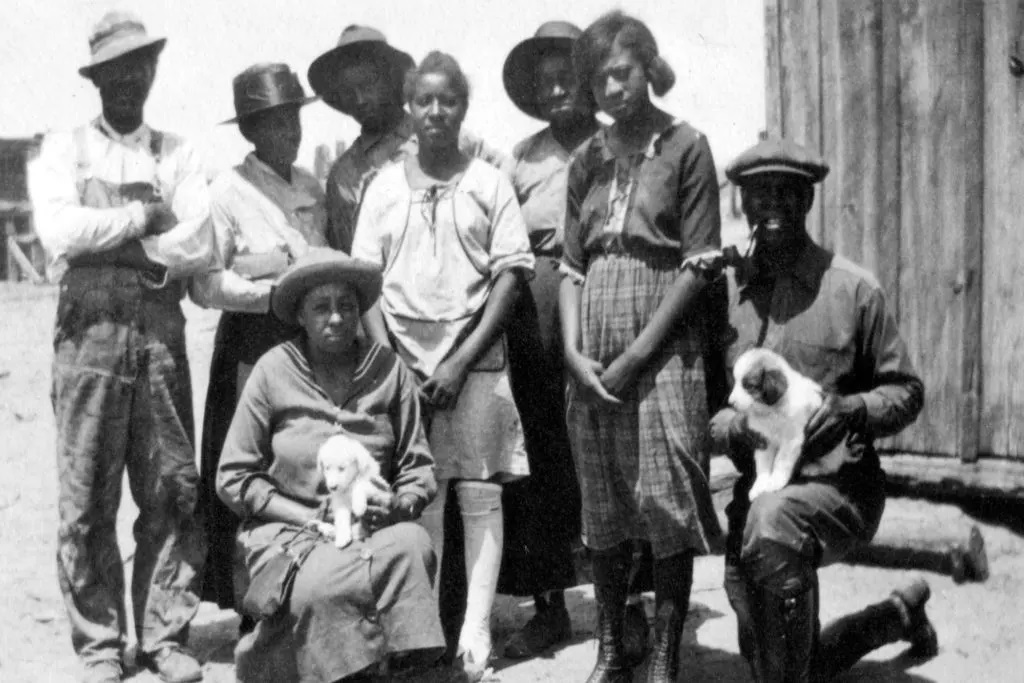
A group of homesteaders at the Dearfield settlement, about 65 miles northeast of Denver. Credit:CPR News
February 2025 marks Black History Month, a time to celebrate the achievements and contributions of Black people. There are various activities and events all over Colorado to mark this special month. Afrik Digest Magazine recommends visiting these 5 great places in Colorado to honor the history and legacy of African Americans in Colorado. Since America’s bicentennial in 1976, Americans have recalled and honored the often-overlooked stories and experiences of black Americans during African-American History Month.
If you are looking to discover and celebrate these stories, you need only explore the landscapes of Colorado. The following places demonstrate how black Coloradans have been, and continue to be, pioneering, disciplined, daring, and resilient, mirroring Colorado history.
El Pueblo History Museum, Pueblo
One of the co-founders of the El Pueblo Trading Post was Jim Beckwourth, who’s featured in the Borderlands of Southern Colorado exhibit in the same spot now known as El Pueblo History Museum. Beckwourth was born into slavery in Virginia, and as a free young man moved out West. He traded with the Cheyenne out of Fort Vasquez in Weld County before helping to build a trading post and found the town of Pueblo. He continued to travel all over the West before settling in Denver in 1859.
Fort Garland, Costilla County
After the Civil War, many African-American soldiers eagerly responded to the government’s call for troops to help create permanent settlements in the West. From 1876–1879, Buffalo Soldiers were stationed at Fort Garland, where the Fort Garland Museum & Cultural Center houses photos and artifacts today.
Dearfield, Weld County
This African-American farming community is the only remaining town in Colorado that exemplifies the national black colonization movement inspired by Booker T. Washington. It was one of 14 rural towns established in the West to provide Americans of African descent with the opportunity to own and work their own land. By 1917, 60 African-American families were working its 15,000 acres.
Five Points Historic Cultural District, Denver
Although Denver had no Jim Crow laws in place, black residents had trouble finding housing and were forced to attend segregated schools. The Five Points neighborhood was the nexus of the black community, supporting the development of entrepreneurs like Madam C.J. Walker. Churches like Zion Baptist served as centers of political life. In the 1930s, the Rossonian Lounge and Hotel became one of the nation’s best jazz clubs, hosting Duke Ellington, Louis Armstrong, Nat King Cole, and Dinah Washington; it was recently awarded a State Historical Fund grant to preserve its legacy. Today’s Black American West Museum was once the home of Dr. Justina Ford, who despite being denied a medical license delivered about 7,000 babies during her esteemed career.
Dearfield, Weld County
This African-American farming community is the only remaining town in Colorado that exemplifies the national black colonization movement inspired by Booker T. Washington. It was one of 14 rural towns established in the West to provide Americans of African descent with the opportunity to own and work their own land. By 1917, 60 African-American families were working its 15,000 acres.
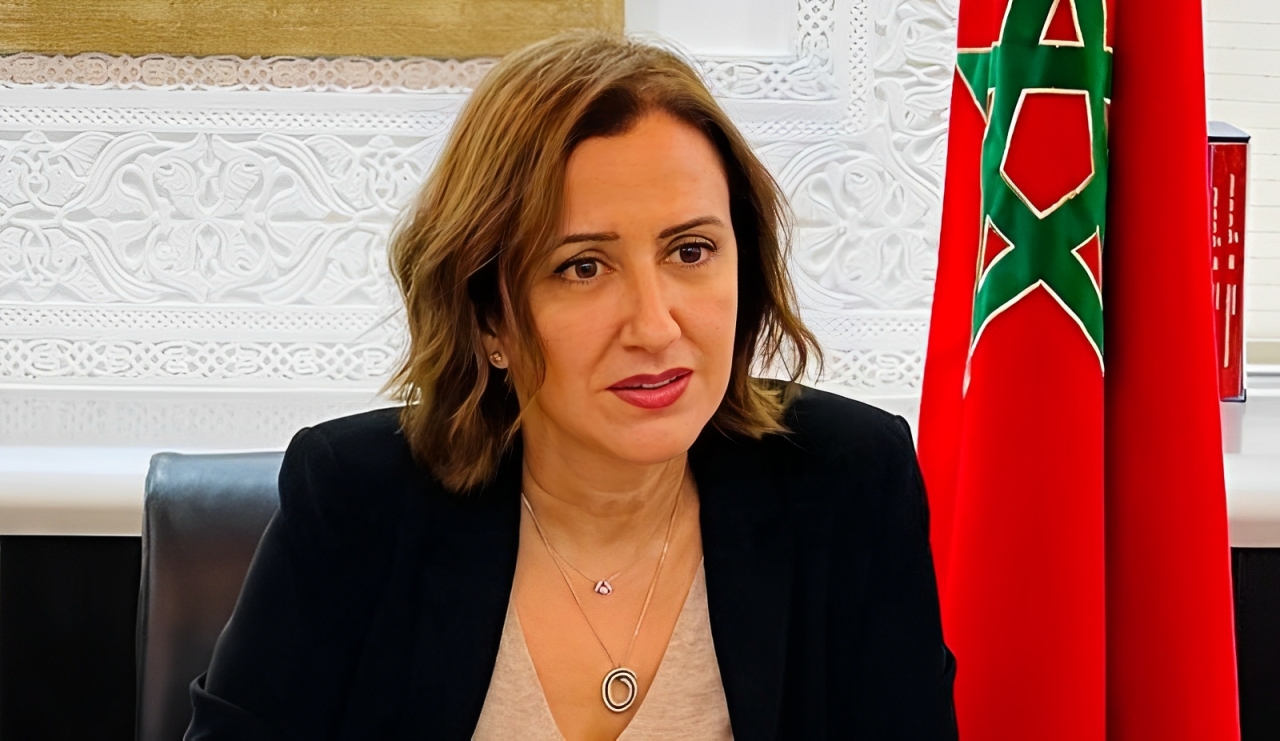
Fatim-Zahra Ammor, the country’s Minister of Tourism says Morocco is open to investors and visitors. Credit: ATTA News
Morocco is positioning itself as a leader in tourism innovation, with a clear and ambitious vision to become Africa’s technology hub for tourism.
Fatim-Zahra Ammor, the country’s Minister of Tourism, Handicrafts, and Social and Solidarity Economy, reaffirmed the nation’s commitment to transforming its tourism sector into a global leader.
Speaking at the International Conference on Technological Innovation and Tourism Investment in Marrakech, Ammor outlined Morocco’s achievements and bold plans for the future.
Moroccan tourism celebrated a landmark year in 2024, with the country welcoming 19.4 million tourists—an unprecedented milestone. This success has been widely attributed to strategic reforms implemented under the leadership of King Mohammed VI.
These reforms, which include advancements in social protection, healthcare, housing support, and the Family Code, have laid the foundation for Morocco’s sustainable economic growth and have made the country an increasingly attractive destination for travelers and investors.
In addition to these socio-economic advancements, Morocco has made significant strides in renewable energy, infrastructure development, and industrial growth, further boosting the country’s appeal. These efforts have collectively positioned Morocco as a leading force in Africa’s tourism landscape.
A key focus of Ammor’s speech was Morocco’s ongoing digital transformation in the tourism sector. As part of the 2023-2026 tourism roadmap, the government has created a competitive framework to encourage digital innovation within the tourism industry.
This initiative aligns with Morocco’s broader goals of driving economic and social development through technology.
“Our ambition is clear: to make Morocco Africa’s technology innovation hub in tourism,” said Ammor.
As part of this initiative, two national tourism startup competitions were launched in collaboration with UN Tourism and SMIT (Moroccan Agency for Tourism Development). These competitions focus on key areas such as gaming, Moroccan gastronomy, rural tourism, and digital service solutions.
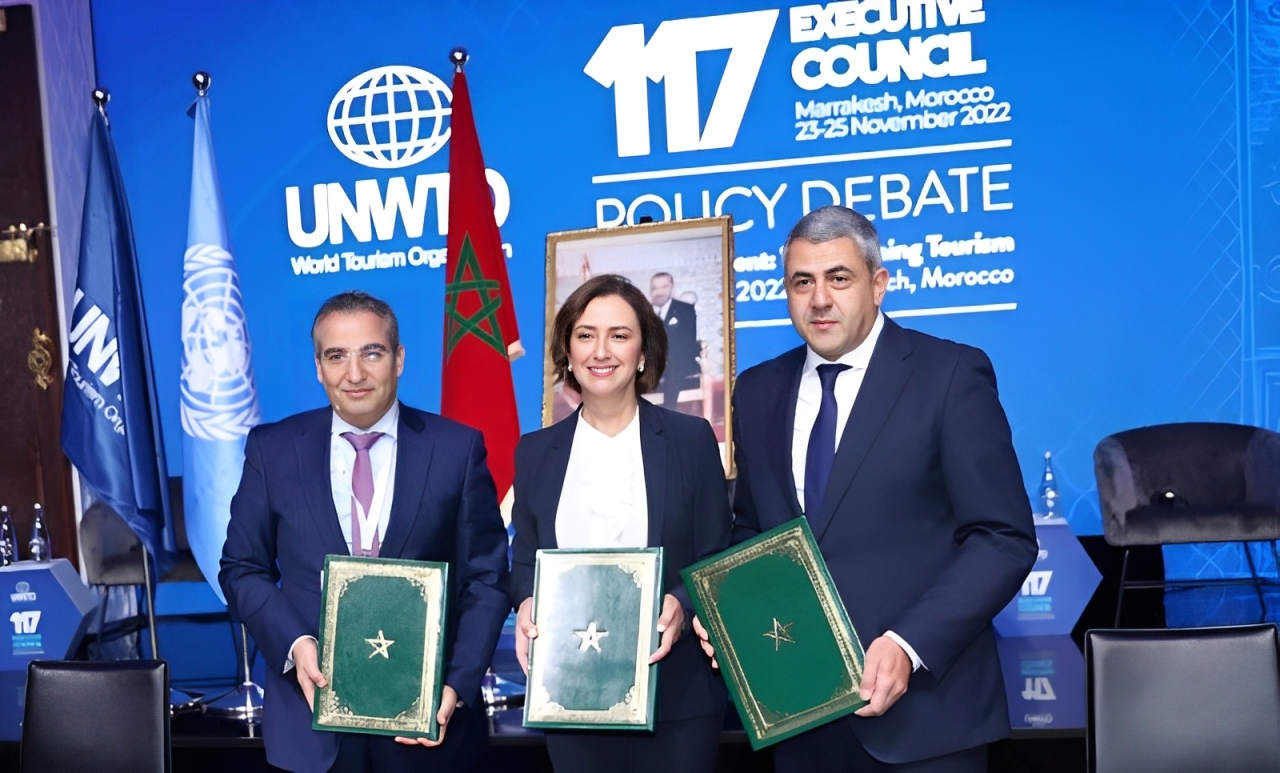
The UN tourism arm, The United Nations World Tourism Organization (UNWTO) recently inaugurated its first thematic office in Africa, located in Rabat, Morocco. The office, established through an agreement signed by Morocco’s Tourism Minister Fatim-Zahra Ammor and UNWTO Secretary-General Zurab Pololikashvili, will focus on fostering innovation and investment in tourism across the continent. Key initiatives include capacity-building programmes, innovation forums, and continent-wide startup competitions aimed at driving sustainable growth and economic development within Africa’s tourism sector. This development aligns with UNWTO’s 2030 Agenda for Africa and Morocco’s broader vision to lead joint African tourism advancements.
The Moroccan government also celebrated the success of the first cohort of tourism startups, which it has described as “bold, creative, and emblematic of Morocco’s new generation.”
Moroccan Tourism Minister Fatim-Zahra Ammor and UN Tourism Secretary-General Zurab Pololikashvili signed an agreement in Marrakech to establish the organization’s first thematic office in Africa, to be located in Rabat. Credit: Morocco World News
These startups are working on a diverse range of projects, including eco-friendly accommodations, Moroccan street food experiences, cultural heritage promotion, and water sports. These innovations reflect the vast potential of Morocco’s tourism sector.
Morocco’s commitment to supporting tourism investment has never been in doubt as the Kingdom has always tried to showcase its culture and open its borders to the world. A clear signal to all and sundry that Morocco is a open for business.
Key initiatives that have been also launched to support tourism investment include the Mohammed VI Investment Fund, the Go Siyaha initiative, and the newly established Tourism Project Bank. The unveiling of a comprehensive tourism investment guide—developed in partnership with UN Tourism and SMIT—was another significant milestone.
The guide provides valuable resources for local and international investors looking to engage with Morocco’s thriving tourism sector.
Tourism investment support in Morocco is stronger than ever, and the government is actively urging global stakeholders to partner with Morocco to build a resilient and innovative tourism industry across Africa.
With a strong emphasis on innovation, sustainability, and investment, Morocco is poised to become the leading destination for technological advancements in tourism.
The country’s clear vision and forward-thinking approach are paving the way for a vibrant, sustainable tourism industry in Africa.
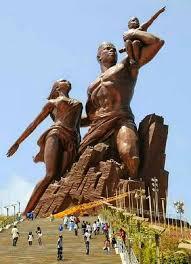
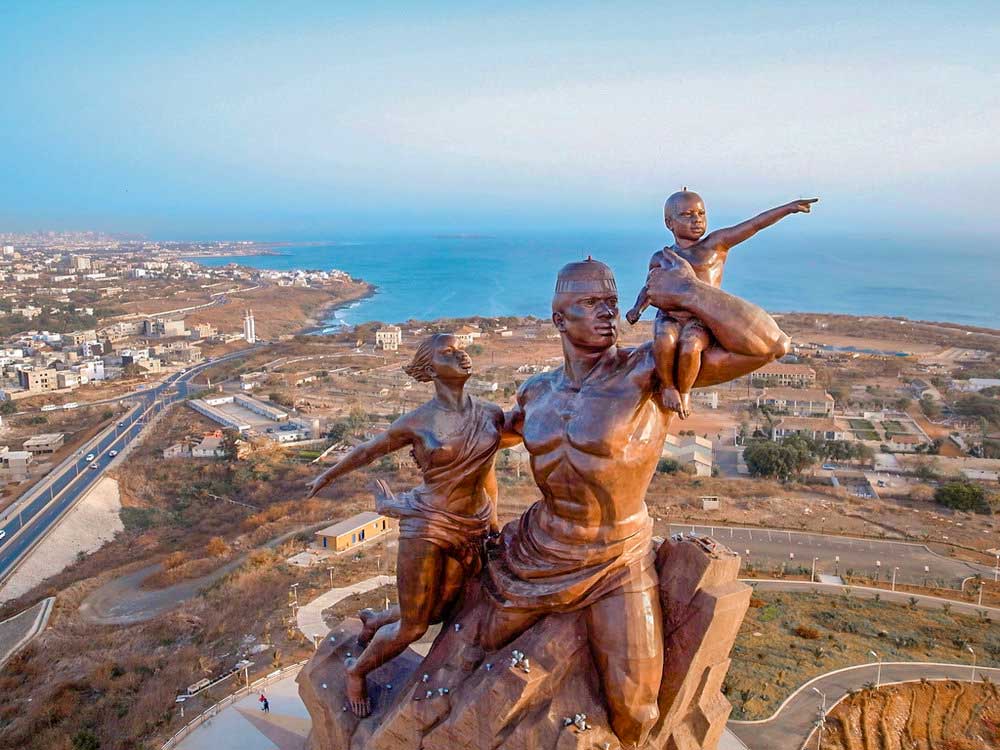
The view of the African Renaissance Monument from above. Credit-Tripadvisor.com
The African Renaissance Monument is a 50-meter tall statue in Dakar, Senegal, erected in 2010 as the project of then-President Abdoulaye Wade. It serves to commemorate the ‘African Renaissance,’ a political ideology that heralds a goal of growth and prosperity for the African continent in the 21st century.
The tallest statue in Africa stands at nearly 200 feet tall and was constructed on top of a 328ft hill, and while it’s a marvel to look at, it was a highly controversial project.
The African Renaissance Monument is Africa’s tallest statue, standing at almost 50 meters tall -taller than both the iconic Christ the Redeemer in Rio de Janeiro and the Statue of Liberty in New York City. While it is intended as a representation of the battle for post-colonial African identity, it has courted controversy for its proximity to authoritarianism and corruption.
The extortionate cost, involvement of North Korean architects and physical design of the statue, has led it to be condemned as both un-Islamic and sexist, raising questions over who exactly the monument is for and what role it plays in the so-called ‘African Renaissance’. However, supporters of the monument claim that the statue represents a much-needed step towards the realisation of an African identity and place in the world, proudly dominating a physical skyline much like the Eiffel Tower, Statue of Liberty and Christ the Redeemers, while others have contended that the monument has failed to make its desired impact on national identity or African pride.
Nineteen African heads of state attended the unveiling ceremony in Dakar. Notable public dignitaries included Bingu wa Mutharika, the Malawian and African Union president, as well as the African presidents of Benin, Cape Verde, Republic of Congo, Ivory Coast, Gambia, Liberia, Mali, Mauritania and Zimbabwe. Additionally, a delegation of 100 African-Americans attended the ceremony, including Reverend Jesse Jackson and Senegalese-American singer Akon.
Conceived by the then-President Abdoulaye Wade and brought to life by Senegalese architect Pierre Goudiaby, the monument was constructed by North Korea’s Mansudae Overseas Projects.
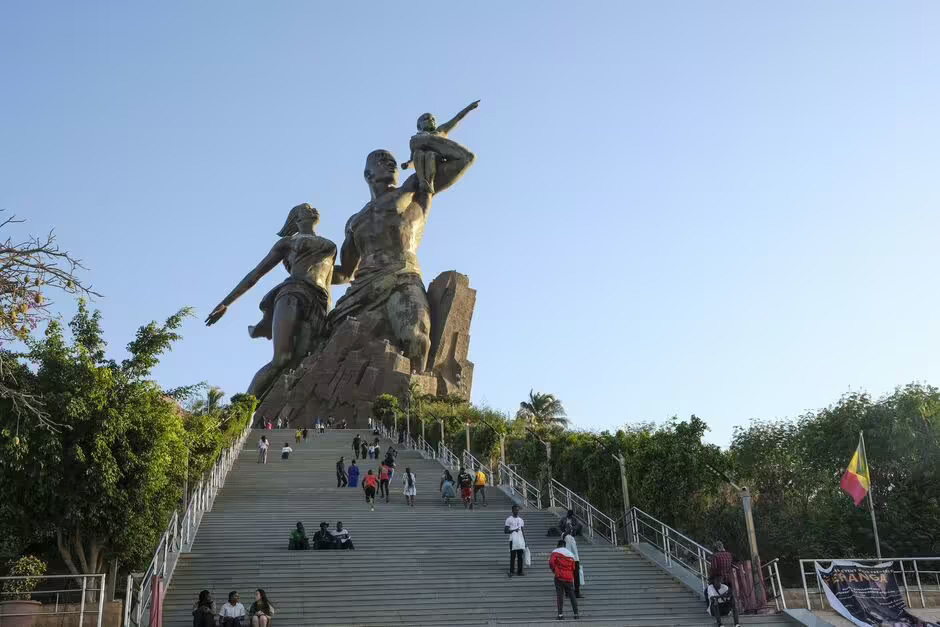
The steps leading up to the statue. Credit-Al-Jazeera
Work to prepare the site on the 328ft high hill commenced in 2006, with the actual construction of the statue starting two years later in 2008.
Although initially set for completion in December 2009, the project faced delays, culminating in its grand unveiling in April 2010, a date that holds significant national pride as Senegal’s “National Day”, marking 50 years since the nation’s emancipation from French colonial rule.
Crafted from bronze, it depicts a man, woman, and child, representing the unity and strength of the African people. The monument is strategically located on a hill, providing visitors with breathtaking views of the Atlantic Ocean and the bustling city of Dakar below.
Aside from its striking architecture and historical significance, the surrounding park area offers a peaceful retreat from the urban hustle. Tourists can enjoy leisurely walks through beautifully landscaped gardens and take in the vibrant atmosphere that envelops the monument. The site is not only a wonderful photo opportunity but also a place for reflection on Africa’s rich history and cultural heritage. Guided tours are available, allowing visitors to delve deeper into the monument’s story and its importance in Senegalese identity.
Visiting the African Renaissance Monument is a quintessential part of a trip to Dakar. Whether you’re an admirer of art, culture, or history, this monument promises an enriching experience that will leave you inspired and in awe of Africa’s enduring spirit.
Every year, the number of exciting titles to look forward to grows and grows, and we couldn’t be more thrilled. On the list below, you will find some outstanding novels and exciting debuts from promising African authors that have been published that you should try and read.
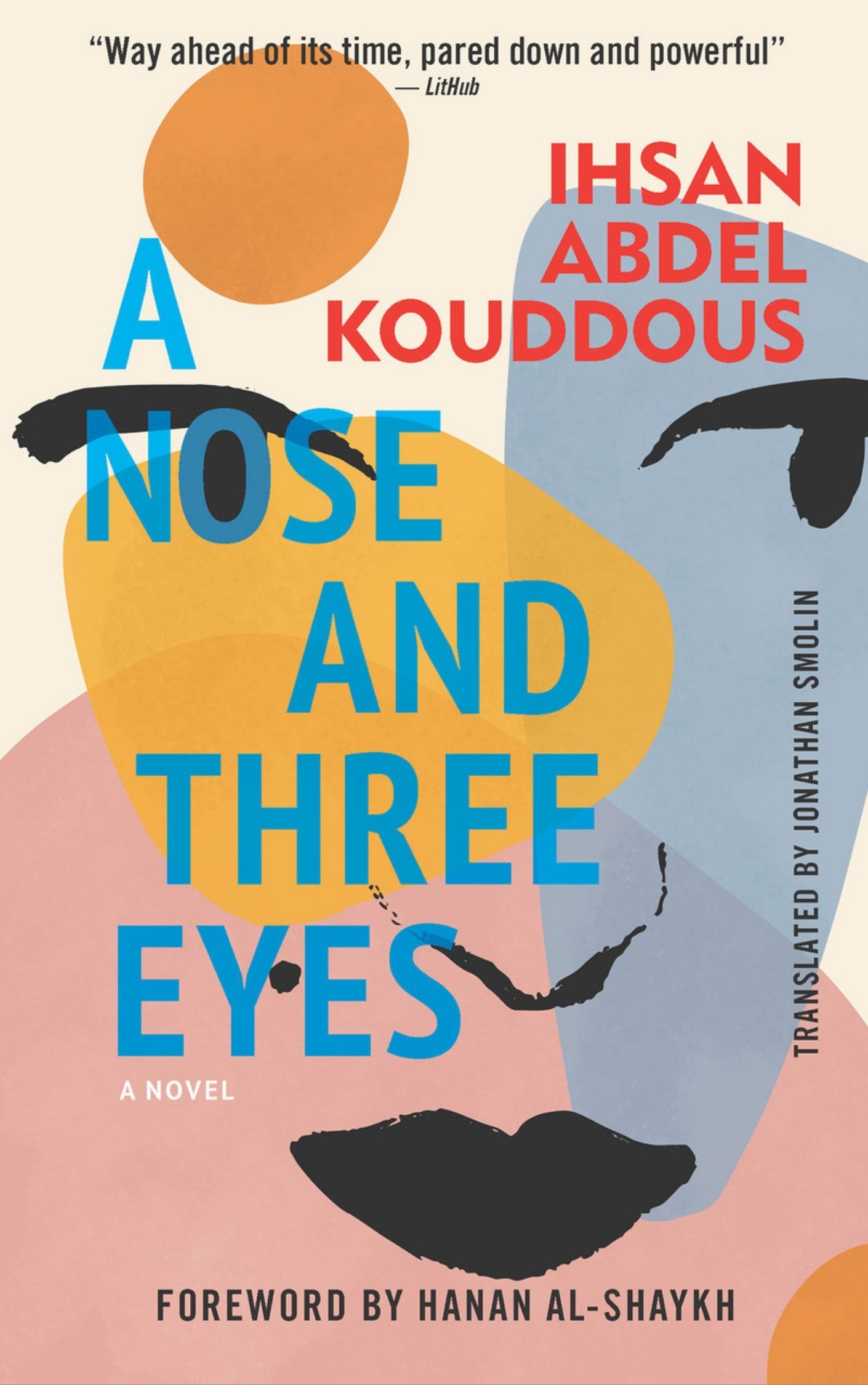
A Nose and Three Eyes (Egypt)
Written by iconic Egyptian novelist Ihsan Abdel Kouddous. A Nose and Three Eyes is a story of female desire and sexual awakening, of love and infatuation, and of exploitation and despair. It quietly critiques the strictures put upon women by conservative social norms and expectations, while a subtle undercurrent of political censure was carefully aimed at the then Nasser regime.
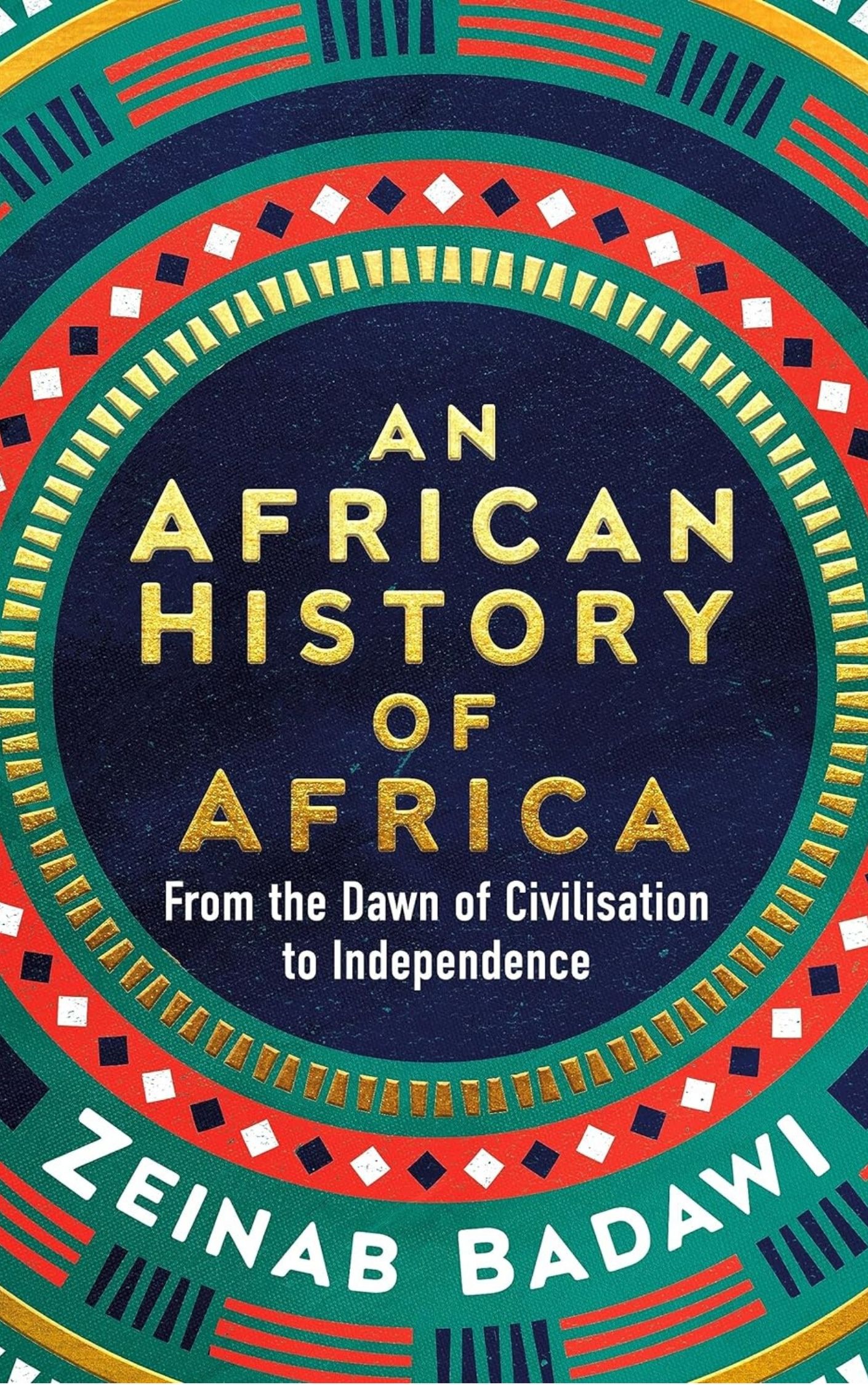
An African History of Africa: From the Dawn of Humanity to Independence (Sudan)
Written by Zeinab Badawi, a Sudanese-British citizen who resides in the UK. For too long, Africa’s history has been dominated by western narratives of slavery and colonialism, or simply ignored. Badawi guides us through Africa’s spectacular history – from the very origins of our species, through ancient civilisations and medieval empires with remarkable queens and kings, to the miseries of conquest and the elation of independence. Visiting more than thirty African countries to interview countless historians, anthropologists, archaeologists and local storytellers, she unearths buried histories from across the continent and gives Africa its rightful place in our global story.The result is a gripping new account of Africa: an epic, sweeping history of the oldest inhabited continent on the planet, told through the voices of Africans themselves.
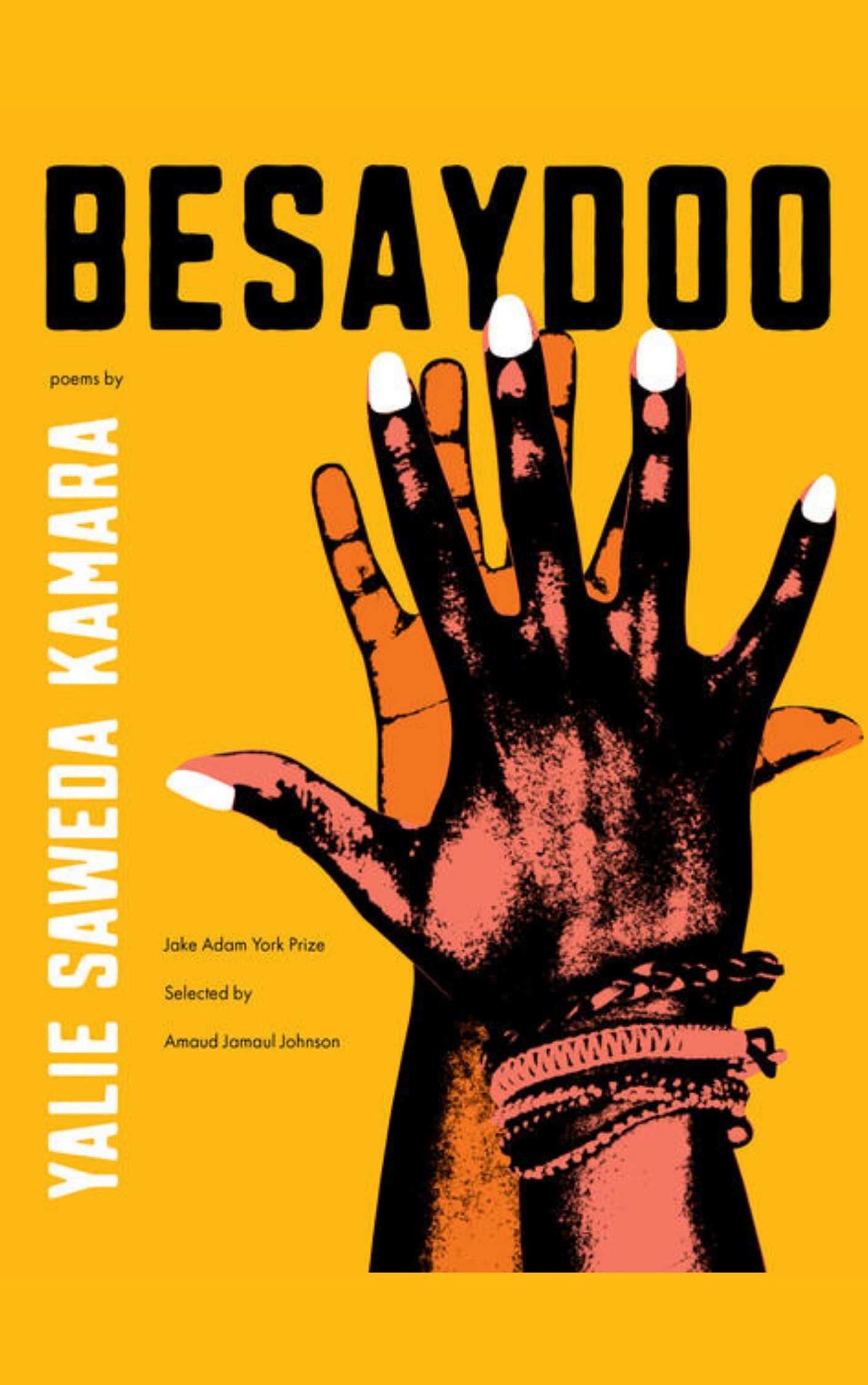
Besaydoo (Sierra Leone)
Yalie Saweda Kamara is a Sierra Leonean American writer, educator, and researcher based in Oakland, California. The book is a fascinating collection of poetry that explores the joy, sadness, and confusion of being a first-generation American. In Besaydoo , Kamara serves as griot for the Freeborn in Oakland, the Sierra Leonean in California, the girl straddling womanhood, the woman re-discovering herself. “I am made from the obsession of detail,” she writes, setting scenes from her own multifaceted legacy in sharp the memory of her mother’s singing, savory stacks of lumpia, a church where “everyone is broken, but trying.” A multitudinous witness.
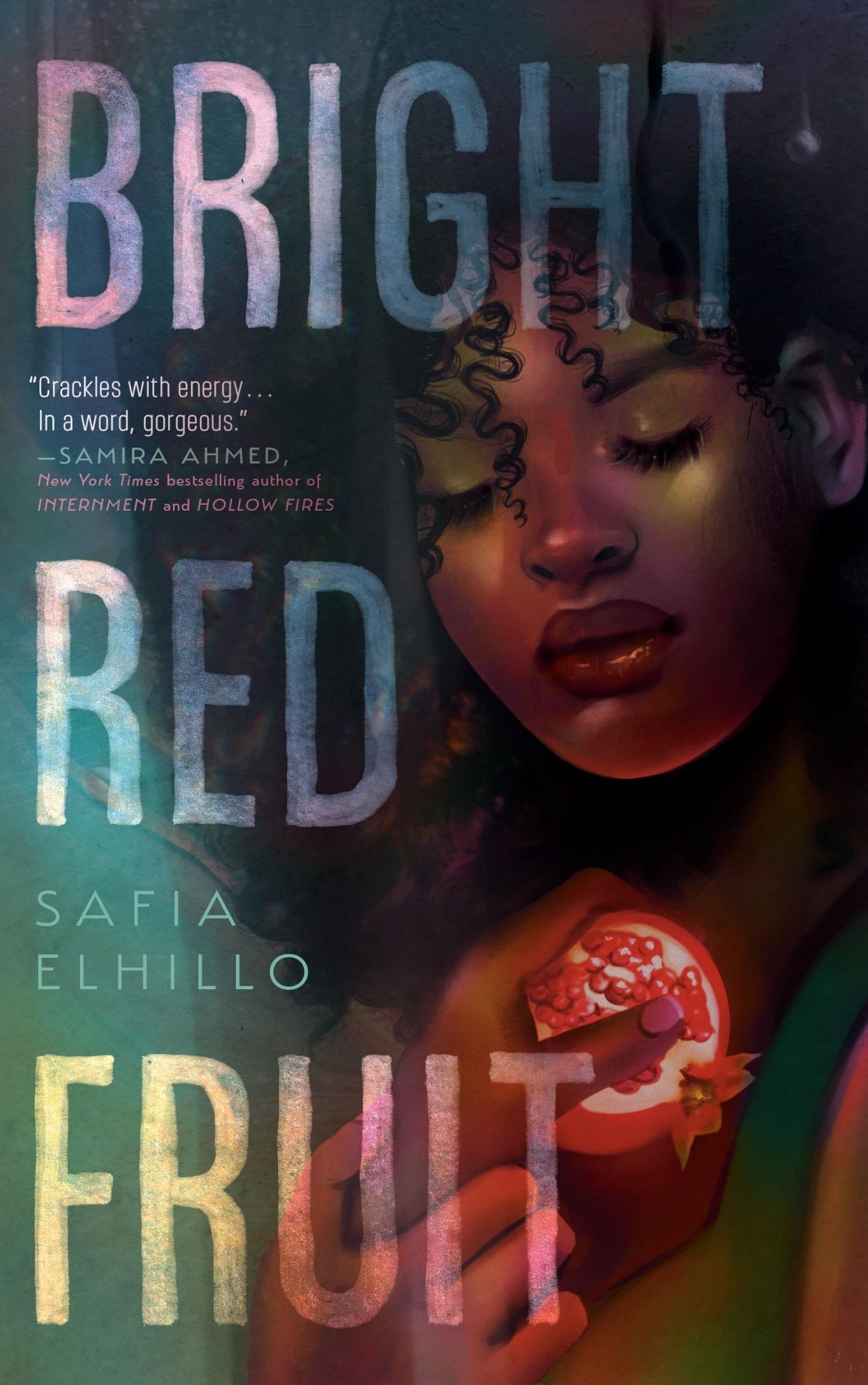
Bright Red Fruit (Sudan)
Safia Elhillo is a Sudanese-American poet known for her written and spoken poetry. An unflinching, honest novel in verse about a teenager’s journey into the slam poetry scene and the dangerous new relationship that could threaten all her dreams. No matter how hard Samira tries, she can’t shake her reputation. She’s never gotten the benefit of the doubt—not from her mother or the aunties who watch her like a hawk. Samira is determined to have a perfect summer filled with fun parties, exploring DC, and growing as a poet—until a scandalous rumor has her grounded and unable to leave her house. When Samira turns to a poetry forum for solace, she catches the eye of an older, charismatic poet named Horus. For the first time, Samira feels wanted. But soon she’s keeping a bigger secret than ever before—one that that could prove her reputation and jeopardize her place in her community. In this gripping coming-of-age novel from the critically acclaimed author Safia Elhillo, a young woman searches to find the balance between honoring her family, her artistry, and her authentic self.
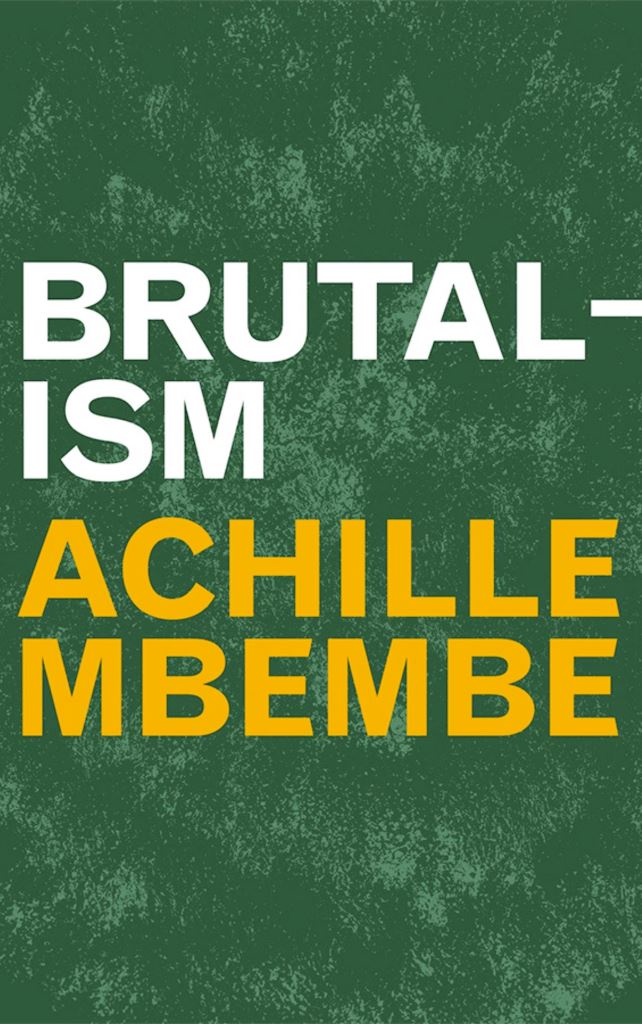
Brutalism (Cameroon)
Joseph-Achille Mbembe, known as Achille Mbembe, is a Cameroonian historian, political theorist, and public intellectual. In Brutalism, Mbembe invokes the architectural aesthetic of brutalism to describe our moment, caught up in the pathos of demolition and production on a planetary scale. Just as brutalist architecture creates an effect of overwhelming weight and destruction, Mbembe contends that contemporary capitalism crushes and dominates all spheres of existence. Mbembe argues that Afro-diasporic thought presents the only solution for breaking the totalizing logic of contemporary capitalism: repairing that which is broken, developing a new planetary consciousness, and reforming a community of humans in solidarity with all living things.
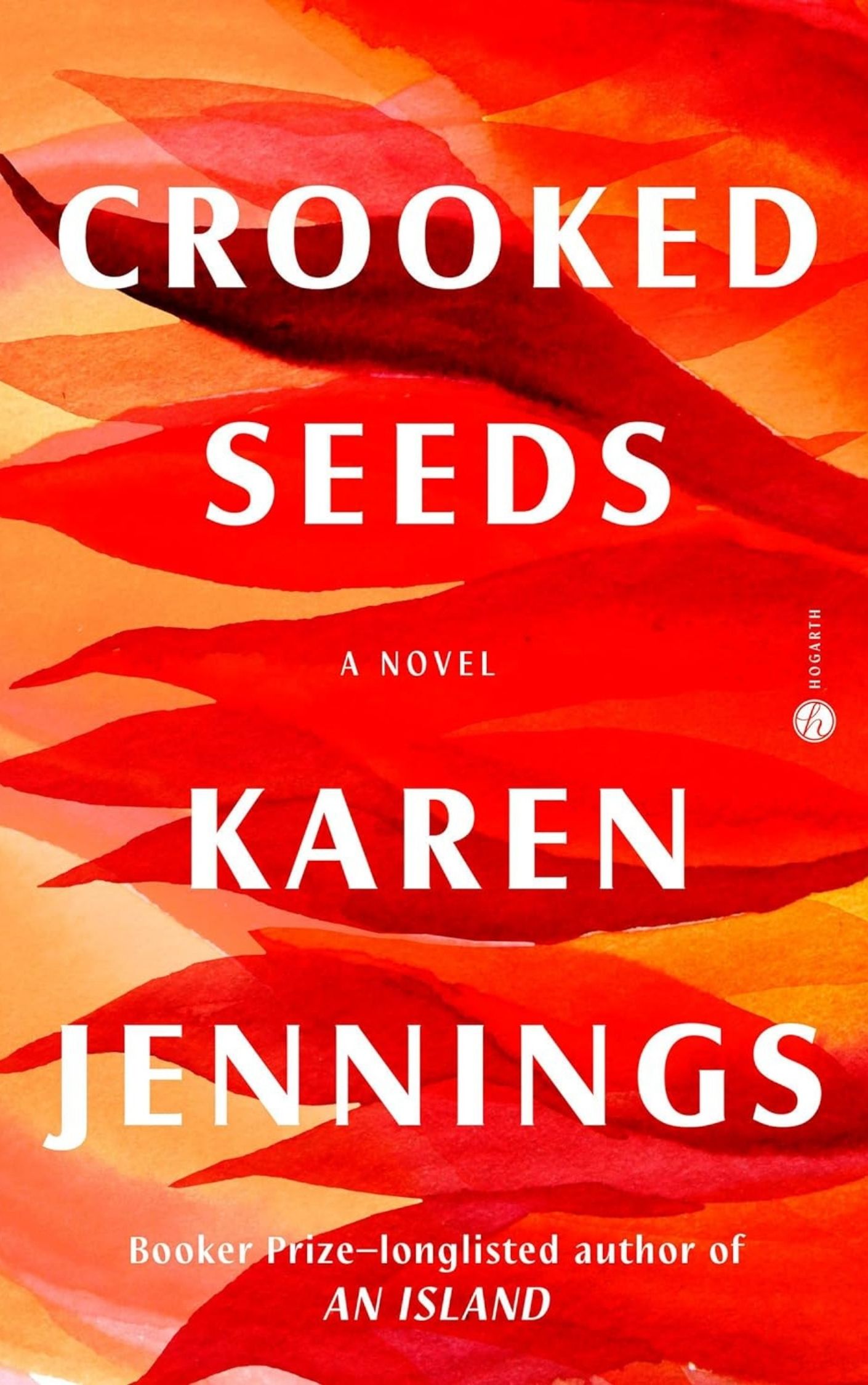
Crooked Seeds (South Africa)
Karen Jennings is a South African author currently living in Brazil with her Brazilian husband. In exquisitely spare prose, Crooked Seeds is a singularly powerful novel about collective guilt, national traumas, and the ways we become trapped in prisons of our own making. A woman in post-apartheid South Africa confronts her family’s troubling past in this taut and daring novel about national trauma and collective guilt.
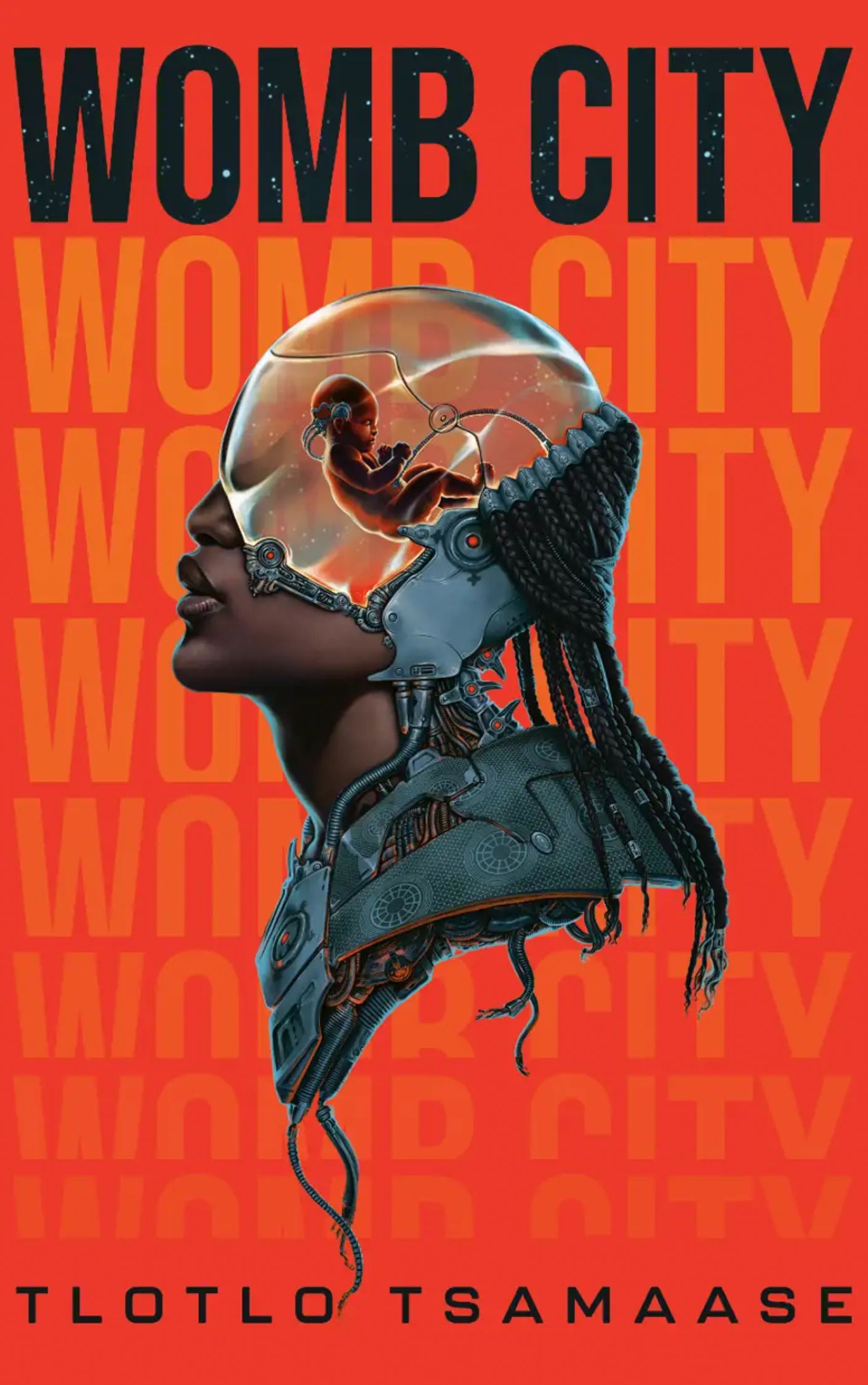
Womb City (Botswana)
Tlotlo Tsamaase is a Motswana speculative fiction writer and poet whose stories and poems have been nominated for or won numerous awards. Womb City imagines a dark and deadly future Botswana, rich with culture and true folklore, which begs the question: how far must one go to destroy the structures of inequality upon which a society was founded? How far must a mother go to save the life of her child?
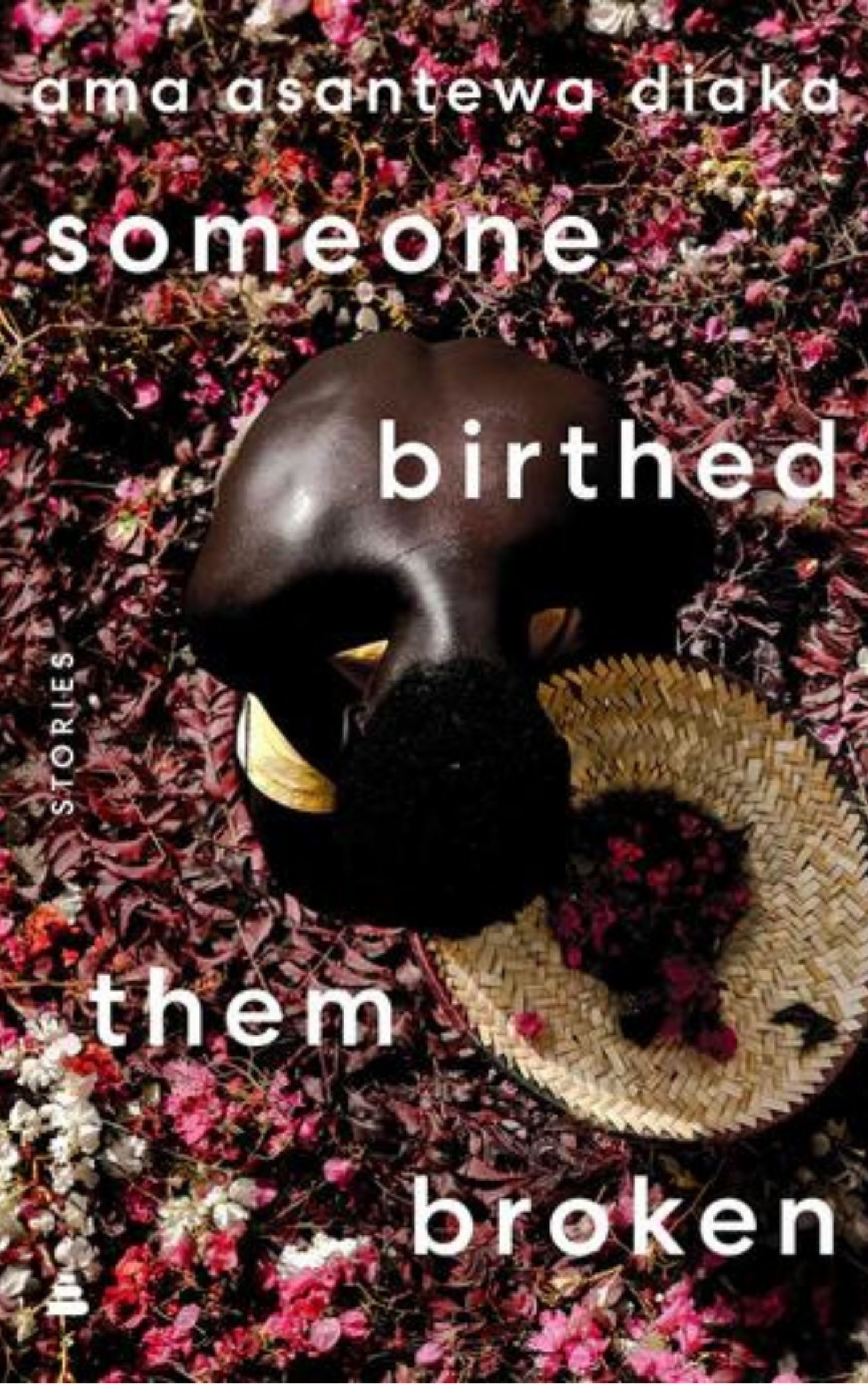
Someone birthed them broken (Ghana)
Ama Asantewa Diaka is a Ghanaian poet, storyteller, and spoken word artist. In this startling collection of short fiction, Ama Asantewa Diaka creates a vibrant portrait of young Ghanaians’ today, captured in the experiences of characters whose lives bump against one other in friendship, passion, hope, and heartache. This emotionally rich work unveils profound truths about her country, its inhabitants, and the universality of human experience.
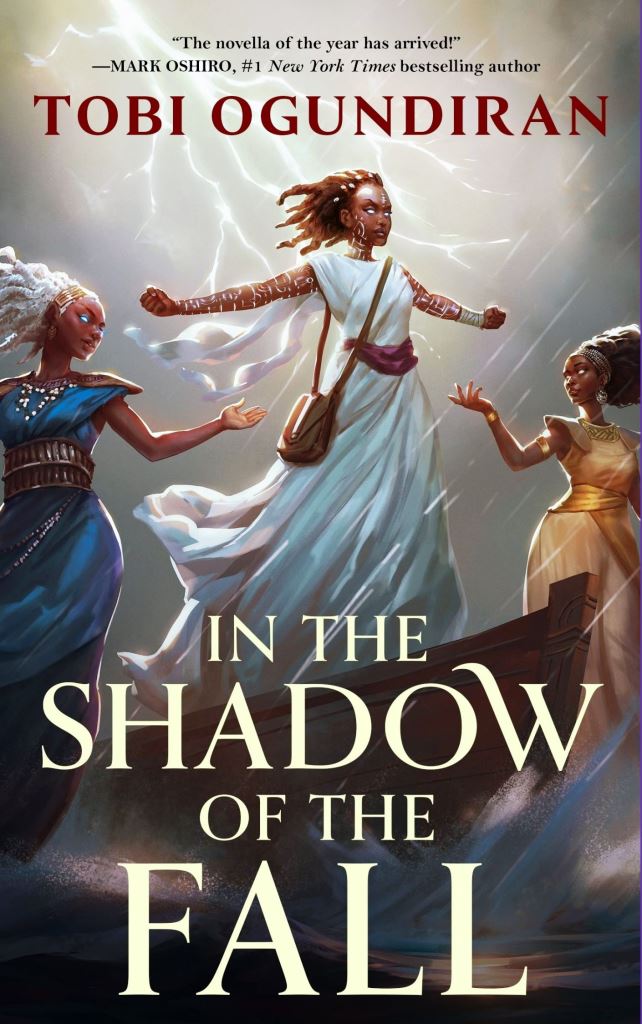
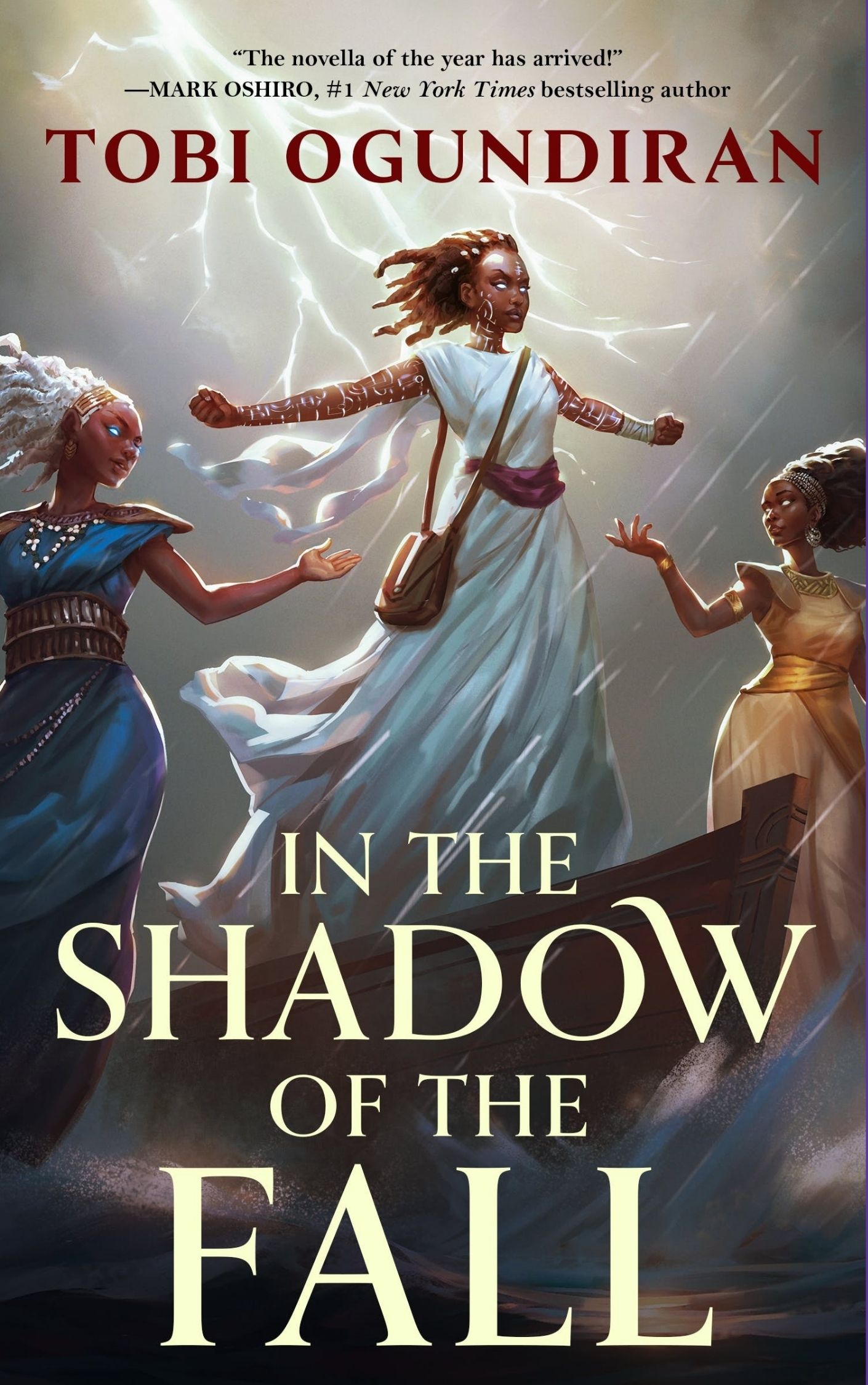
In the Shadow of the Fall (Nigeria)
Tobi Ogundiran is a Nigerian writer whose dark and fantastical tales have appeared in journals such as Lightspeed, The Magazine of Fantasy and Science Fiction. In this book Ashâke is an acolyte in the temple of Ifa, yearning for the day she is made a priest and sent out into the world to serve the orisha. But of all the acolytes, she is the only one the orisha refuse to speak to. Desperate, Ashâke attempts to summon and trap an orisha―any orisha. Instead, she experiences a vision so terrible it draws the attention of a powerful enemy sect and thrusts Ashâke into the center of a centuries-old war that will shatter the very foundations of her world.
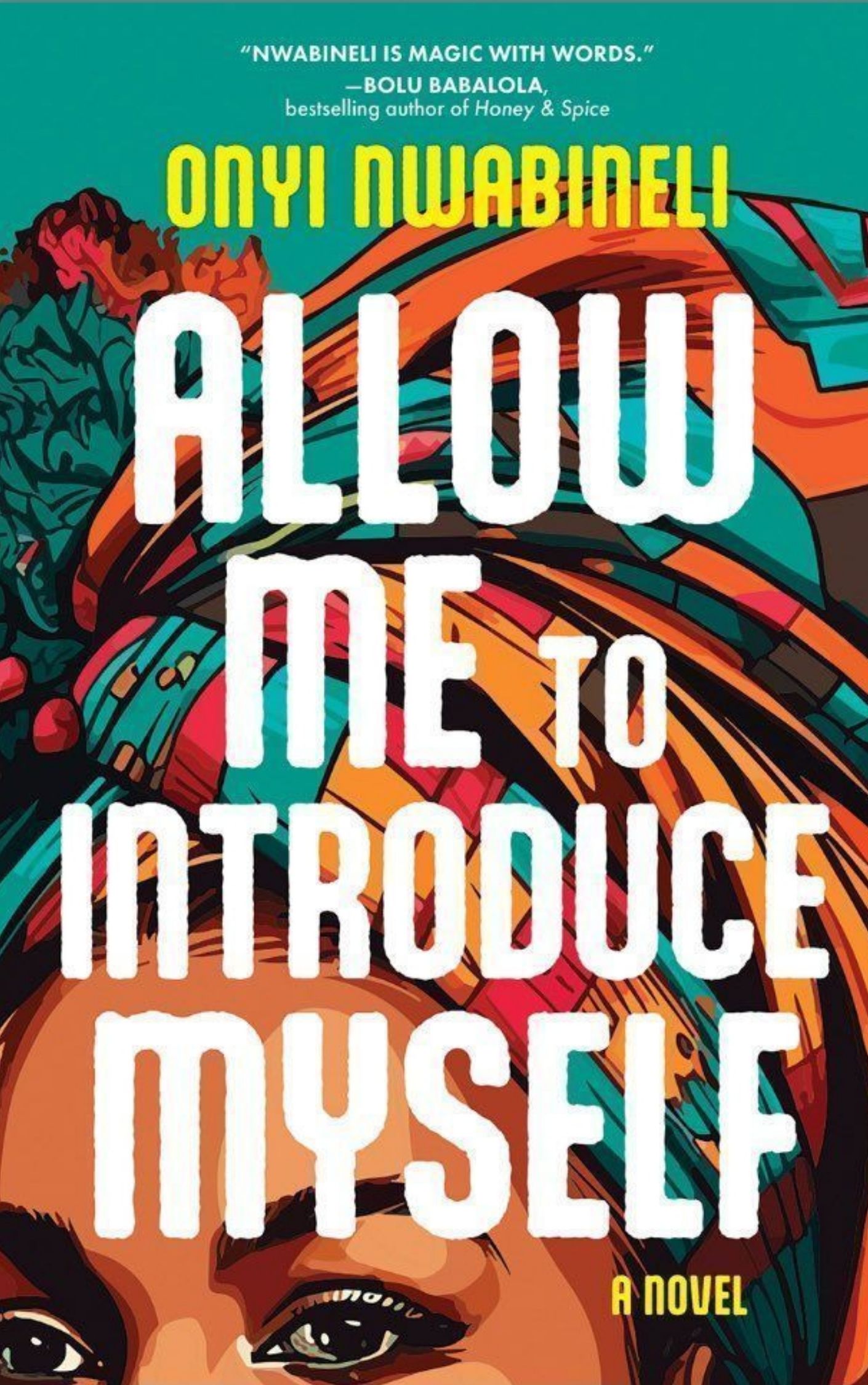
Allow Me to Introduce Myself (Nigeria)
Onyi Nwabineli is a Nigerian British head-wrap aficionado. A tack-sharp beautifully told tale of self-agency and reclaiming your power. Ever since she was a child, Anuri’s life was chronicled and monetized by her influencer stepmother. Now an adult, she’s finally broken free. But when her stepmother starts preying on her young half-sister, Anuri decides she must stop the cycle of abuse. This book is a stunning page-turner about overcoming toxic family and reclaiming identity and, ultimately, hope.
The western movie industry and Hollywood in particular have a long history of misrepresenting the people and cultures of the African continent, often showcasing limited narratives that only focus on themes of suffering, war, and famine.
In the United States and Europe, there tends to be a single story of Africa. This story tends to be negative and presents Africa as a place of danger, darkness, violence, poverty, and hopelessness.
Furthermore, Hollywood has relegated Africans and their stories to the sidelines in films about Africa, using the continent as a backdrop for white characters’ journeys of self-discovery or moral reckoning. Films like, Out of Africa (1985), Blood Diamond (2006), The Constant Gardener (2005). They all center on the white experience with African characters simply acting as extras.
Here are five TV shows and movies to watch that go beyond the “Africa equals poverty” narrative that you need to watch.
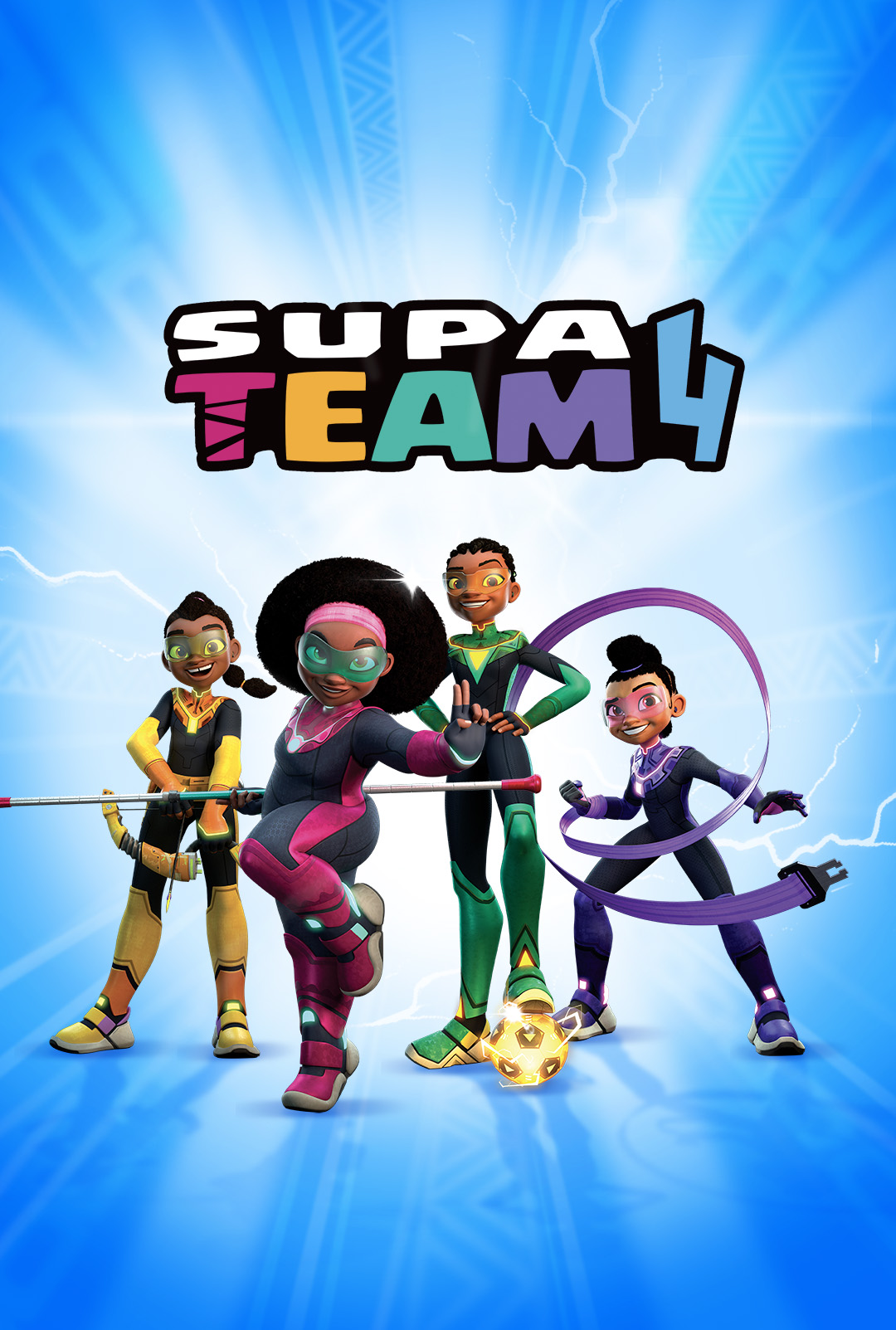
Supa Team 4 (2023)
Step aside Marvel and DC Comics, there’s a new superhero squad in town. They go by Supa Team 4. Bringing a new angle to the superhero genre centered on African stories and girl power, Malenga Mulendema created Netflix’s first African original animated seriesSupa Team 4in 2023.
The animated series is set in the neo-futuristic city of Lusaka, Zambia, and follows four teenage girls who become undercover superheroes after being recruited by a retired secret agent, Their latest assignment? Saving the world.
Showrunner Malenga Mulendema told CBS News: “In creating a superhero show set in Lusaka, I hope to introduce the world to four strong African girls who save the day in their own fun and crazy way. Most importantly, I want to illustrate that anyone from anywhere can be a superhero.”
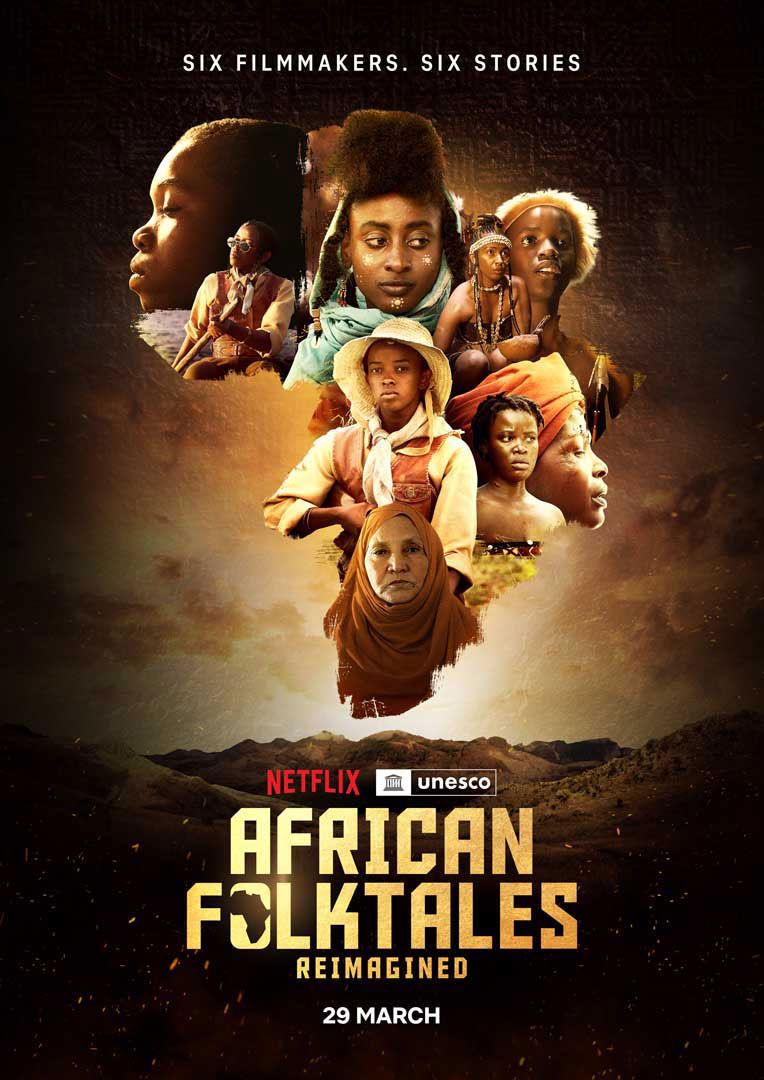
African Folktales Reimagined (2023)
African Folktales Reimagined is a multilingual anthology series that centers traditional African folktale stories for a modern audience, created by Netflix in partnership with UNESCO. The series’ creative team hail from Tanzania, South Africa, Nigeria, Kenya, Mauritania, and Uganda and have turned six traditional African stories into dark fantasy drama shorts that cover topics including domestic violence, love, grief, mysticism, suicide, and child marriage.
Folktales have been an integral part of African culture across the continent for years, passed down orally from generation to generation. These stories are used to teach lessons, communicate cultural values, and convey insights about life, according to Minnesota Libraries Publishing Project.
However, according to a BBC article, the art of traditional storytelling and the folktales are at risk of being lost across Africa. This makes shows like African Folktales Reimagined crucial not only for sharing these tales with a global audience but also for preserving this rich African tradition for future generations.
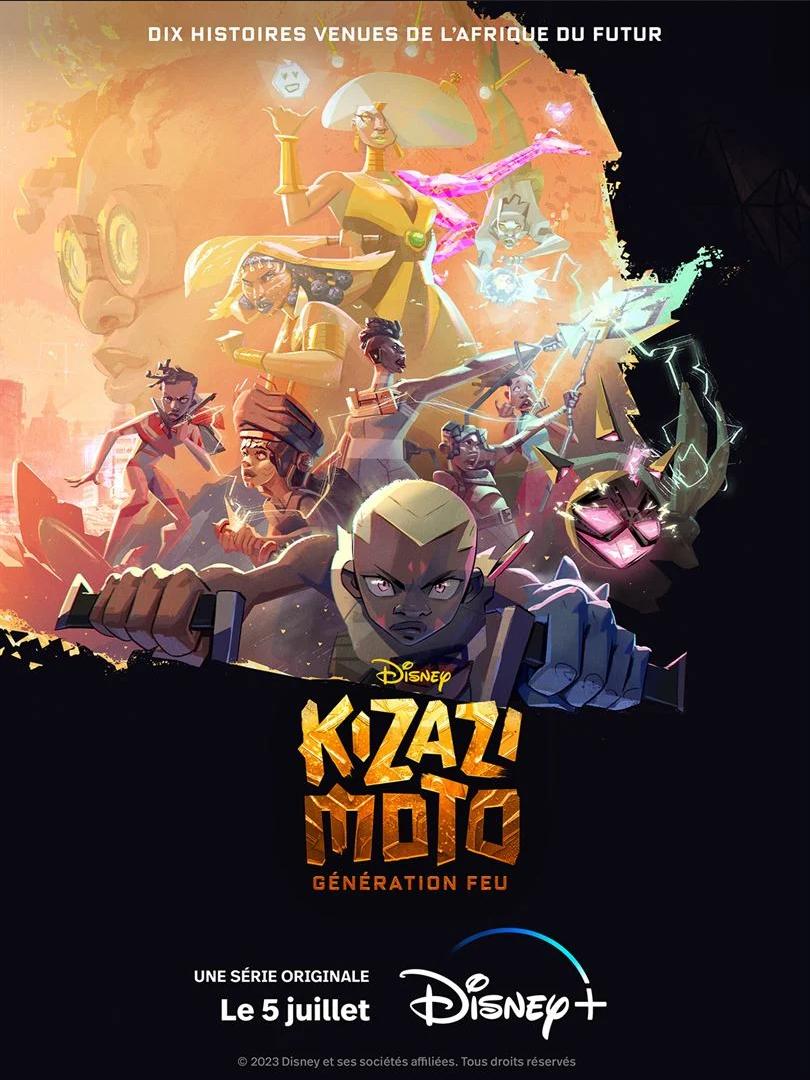
Kizazi Moto: Generation Fire (2023)
A whirlwind trip to 2050 where radioactive octopi are used by criminal gangs and a visit to a society where wannabe gods try to ascend by winning a talent show, are just two of the afrofuturistic tales from this African animated series on Disney+.Kizazi Moto: Generation Fire is a pan-African Disney+ original animated series. The 10-part anthology series is executively produced by Oscar-winning Peter Ramsey, Anthony Silverston of South African animation house Triggerfish, and producer Tendayi Nyeke.
The series presents a unique blend of African mythology, science fiction, and Afrofuturism, offering 10 distinct and brave visions of the future from an entirely African perspective.
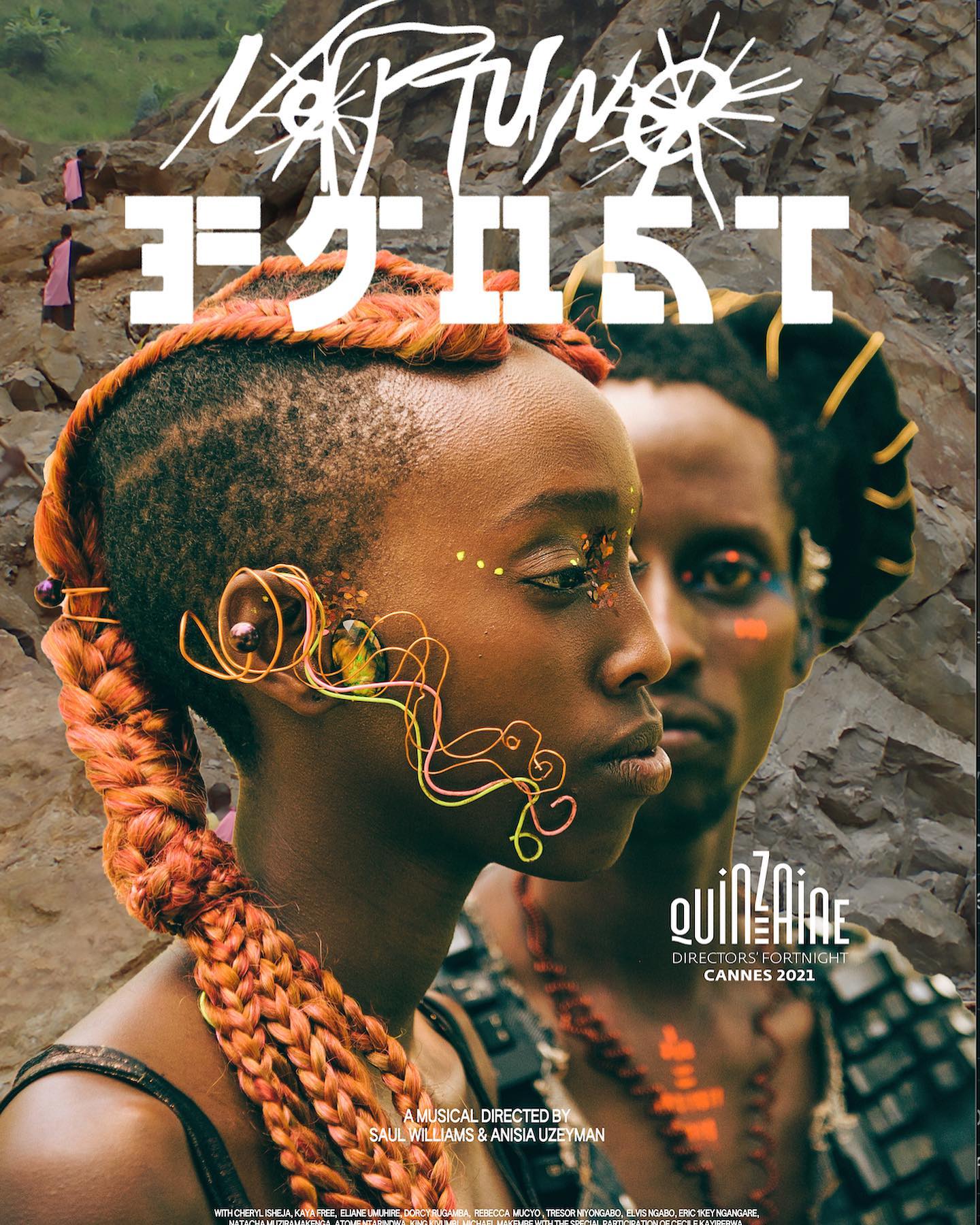
Neptune Frost (2021)
The British Film Institution (BFI) describesNeptune Frost as “a blend of Afrofuturistic and glitch aesthetics,” “anti-capitalist,” and “intoxicatingly original.”
The sci-fi musical, which was filmed entirely in Rwanda, is set in Burundi, in the aftermath of a war. We are introduced to Matalusa (played by actor Bertrand Ninteretse), a coltan miner who witnesses the killing of his younger brother by one of their bosses while they are both at work. The movie also presents a fresh take on economic inequality in the African mining region by highlighting the role of technology as both oppressor and liberator.
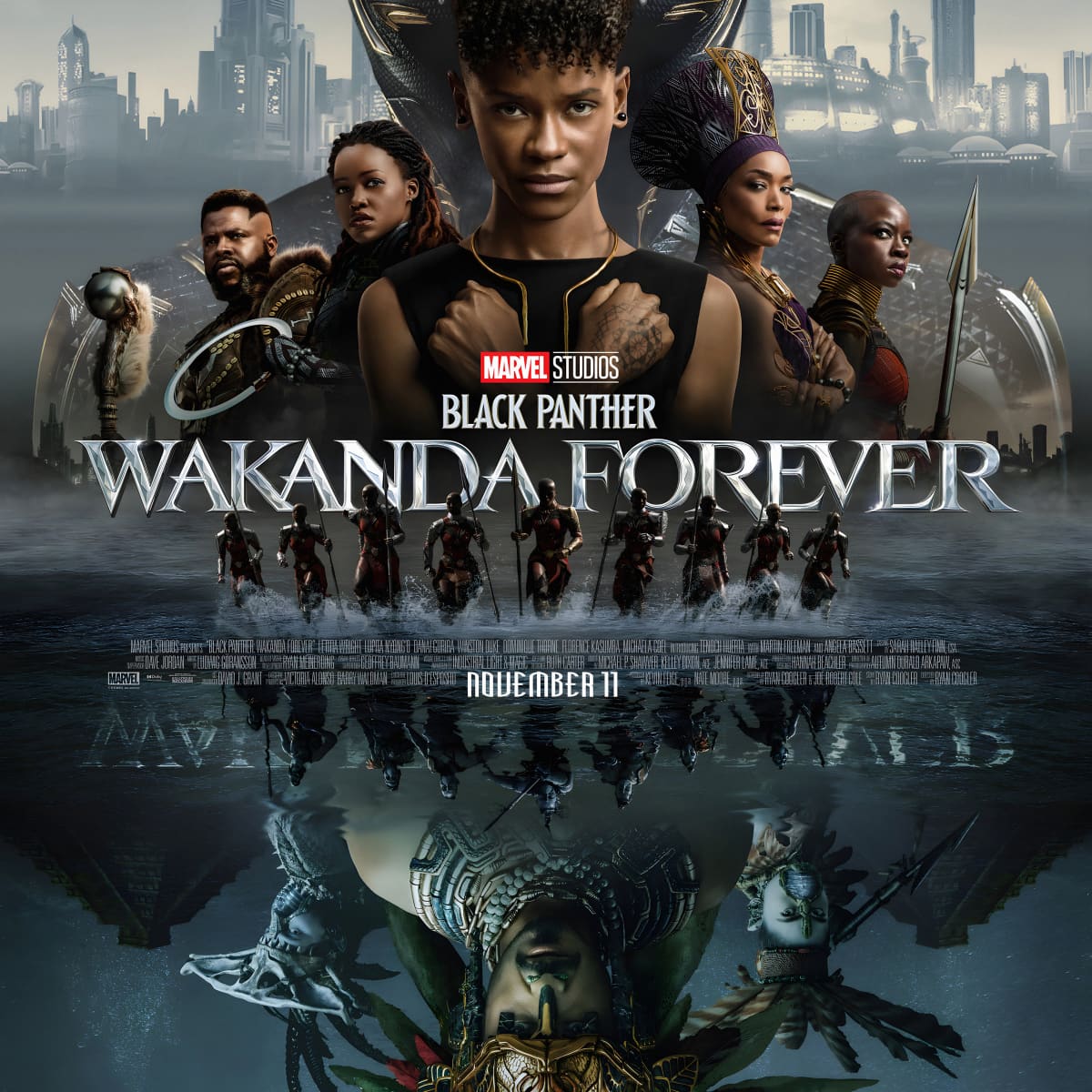
Black Panther: Wakanda Forever (2022)
To understand Black Panther: Wakanda Forever, we need to go back to 2018 when director Ryan Coogler first brought to life Marvel’s comic book and introduced us to the fictional African state of Wakanda in Black Panther.
The fictional Wakanda was portrayed as a technologically advanced nation located west of Lake Victoria, on territory that is occupied in the real world by Uganda, Rwanda, and northern Tanzania. The movie was the first time the world saw an African superhero on the big screen within the Marvel cinematic universe, with a majority Black cast and a Black director, according to an article from Independent.
The move was a resounding success, receiving five Oscar nominations across all categories. Picking up from the first film, Black Panther: Wakanda Forever opens with the Wakanda kingdom in mourning after the death of King T’Challa, also known as Black Panther (played by the late actor Chadwick Boseman).
For years, the leaders of Wakanda have kept their homeland and resources, in particular their possession of vibranium safe from the outside world. However, this secret was exposed in the first film, and now outside forces including the mysterious underwater Mesoamerica-inspired kingdom known as Talocan present an unsure threat.
Newsletter Signup
Subscribe to our weekly newsletter below and never miss the latest news and updates.