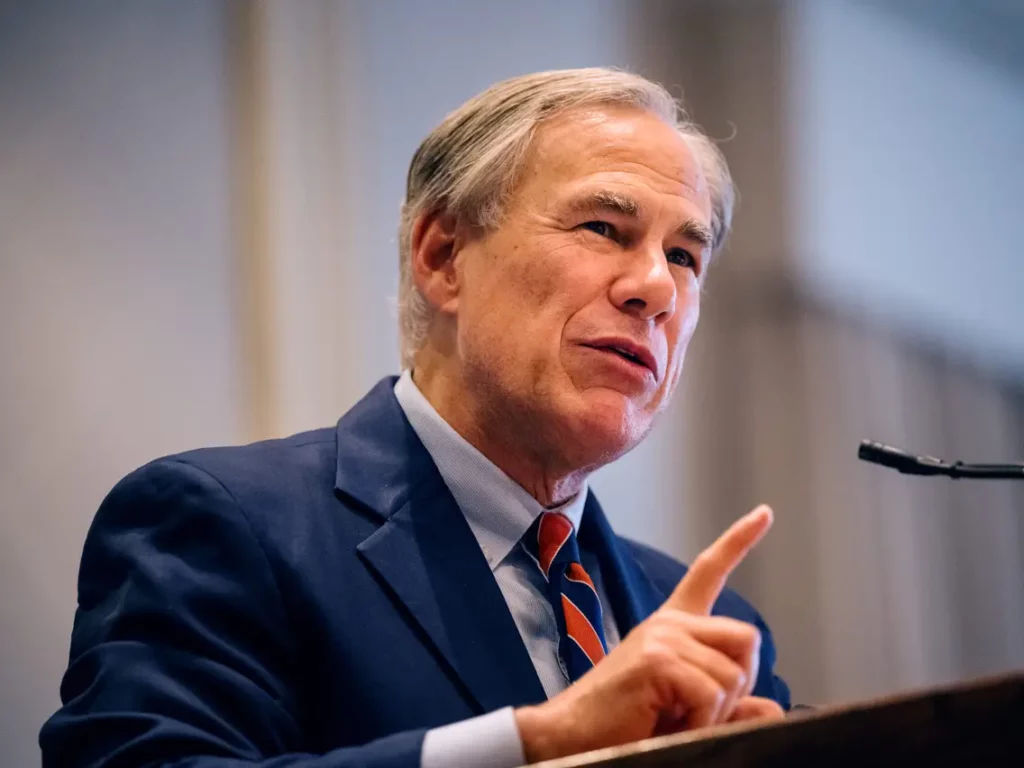
Daniel Okwena has a passion for helping people. In his several years of immigration law practice, he has volunteered half the time to ensure that immigrant families get the help they need to navigate the complexities of the U.S. immigration system. The publisher and CEO of Afrik Digest Magazine, Azuka Idam, sat down recently with this gentleman who has had many sleepless nights while working to unite families, in this very honest conversation about his life, career, and the challenges of being an immigration attorney in the United States, amongst other topics. Please read.
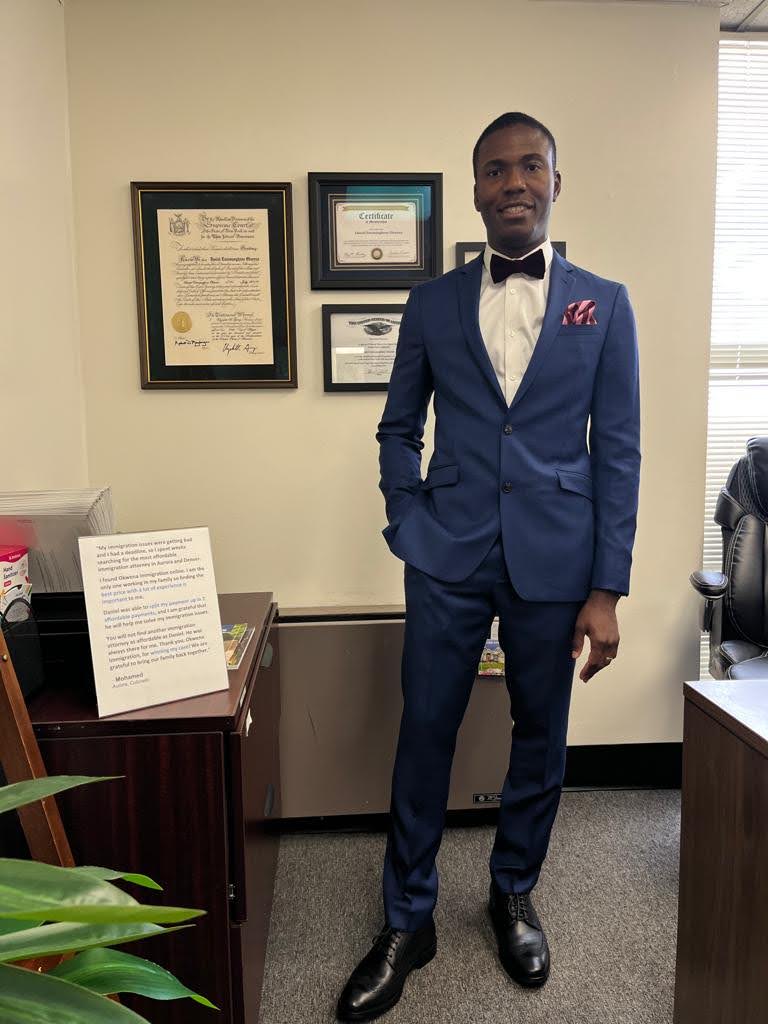
Afrik Digest: Can you please introduce yourself?
Okwena: I am Daniel Okwena. I graduated with honors from the Faculty of Law, University of Lagos, Nigeria in 2010. I am licensed to practice law in the U.S. and Nigeria with a combined practice experience of over 12 years. I am admitted to the U.S. District Court of Colorado, and licensed in the Executive Office of Immigration Review (EOIR) Courts. I am an active member of the American Immigration Lawyers’ Association (AILA), as well as the New York and Colorado Bar Associations. I am the managing attorney at Okwena Immigration LLC, where I offer premium legal representation to immigrants and their families.
I do a lot of volunteering within our community. I am the co-chair of the ALG Legal Clinic which conducts a monthly free legal workshop to community members. I am a staff attorney at the Center for Immigrants, a non-profit which caters to legal and socio-economic needs of new immigrants in Colorado. I am also a volunteer attorney with the Rocky Mountain Immigrant Advocacy Network (RMIAN), and the Colorado Lawyers Committee (CLC). I am a frequent volunteer at the Denver Rescue Mission Homeless Center where we serve meals to the homeless. Preparing and serving meals is another wonderful way I give back to my community. I am a current cohort member at the African Leadership Group’s Leadership Africa.
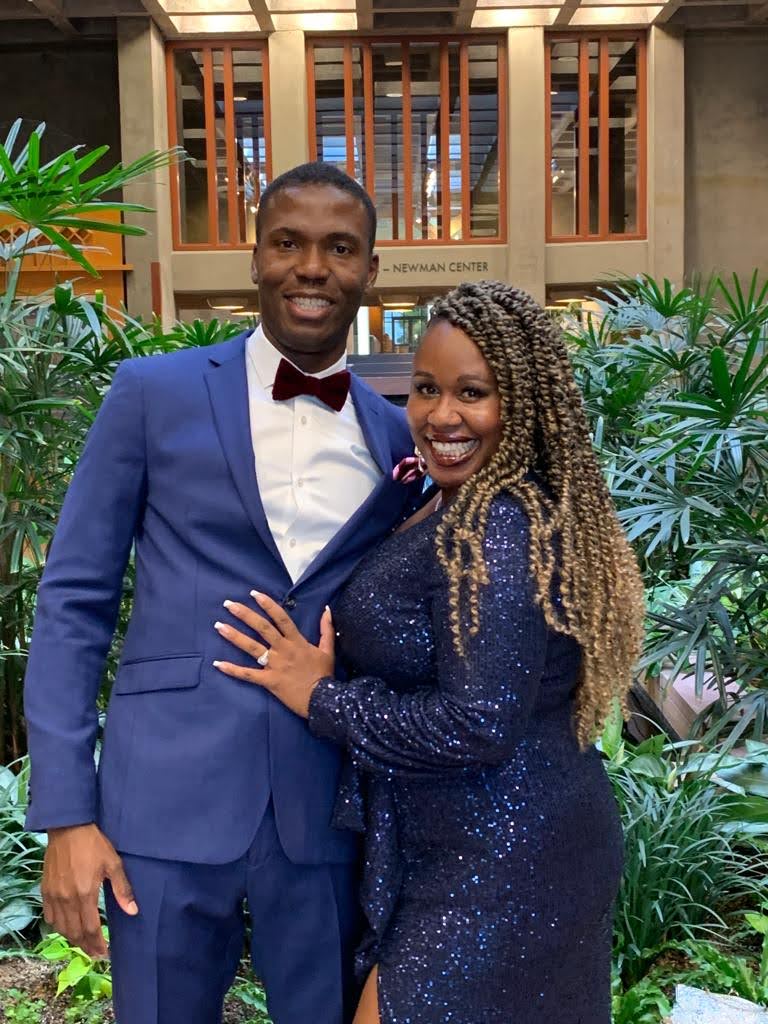
I am happily married to my soulmate, Deidra Okwena. When I am not working, I enjoy running, playing tennis, and spending quality time with my family.
Afrik Digest: Can you talk to us about your legal immigration practice and the ways you work with the community?
Okwena: The essence of my work is to help immigrants like myself become recognized for the benefits and value that they bring to the United States. I started my legal immigration firm here in Colorado in 2020 and have been privileged to offer my expertise in the area of family immigration law to scores of individuals and families, helping them navigate the complex and ever-changing sphere of U.S. immigration laws. One of the biggest satisfactions of the work I do is the joy of providing help to those who need it. I run my law practice, and at the same time involve myself with some volunteer work. I do many of these volunteering work because there are always a lot of community members who cannot afford to hire attorneys to represent them. I also realize that there are a lot of unqualified and untrained individuals in the community who unwittingly offer poor advice or outrightly mess up the cases of many people.
Afrik Digest: Why have clients trusted your services over others in the immigration practice?
Okwena: Three words sum up my answer to this question – competence, empathy, and affordability. I am able to connect with my clients on a deeper level because I am an immigrant who went through the immigration process. To a large extent, I understand their journeys and walked in those same shoes. And as such I can empathize with them and offer some comfort that is hard to find these days.
Afrik Digest: What do you find most challenging about running a legal immigration office in Colorado?
Okwena: There’s no more peculiar challenge in running an immigration law office in Colorado than there is in any other state simply because immigration is governed by federal laws. So, challenges we face in Colorado are similar to those faced in all other states in the nation. Moreso, because I represent clients in all 50 States. That being said, I would say the major challenge right now is the crisis level delays in the system which frustrates both me and my clients. Secondly, immigration lawyers, like myself, are often caught in between traumatized clients and stressed government systems, resulting in burnout. I recently started learning about the concepts of “compassion fatigue” and “secondary trauma” which many immigration attorneys face stemming from their work with immigrants.
Afrik Digest: What worries you about your field?
Okwena: In addition to my responses to your last question, I would say the absence of initiatives in Congress worries me. The U.S. immigration laws are largely moribund and do not pass muster when compared to those of other developed countries.
Secondly, there is a crisis level backlogs and delays in the system. Currently, you must “jump through lots of hoops” to get help from USCIS. The backlogs with USCIS are piling up and this has caused unimaginable stress for my clients, especially those who have been waiting for years to be reunited with their families. This is the primary concern for myself as it’s a concern for my clients. This backlog keeps families separated and delays the possibility of legal work for others.
Afrik Digest: What does a typical day look like for you?
Okwena: Every day is different, but a typical day starts with me saying my prayers, grabbing a cup of coffee and then going for a quick 3-mile run. If I do not have a court or USCIS appointment, I then head to the office and spend the first 2 hours or so focusing on the most important tasks I had planned for that day. My morning hours are my most productive of the day. This is when my focus and concentration is at its best. As much as possible, I schedule my client meetings between the late morning hours and midday. I try to take a lunch break on most days. Then I round up the day with the less mentally demanding tasks like organizing my schedule for the next day or checking off my never-ending to-do lists, and then I head home to have dinner with my family. When I am home, I like to make sure that I turn off work to have quality time with my loved ones, and to rest.
Afrik Digest: What do you look for when building a great team?
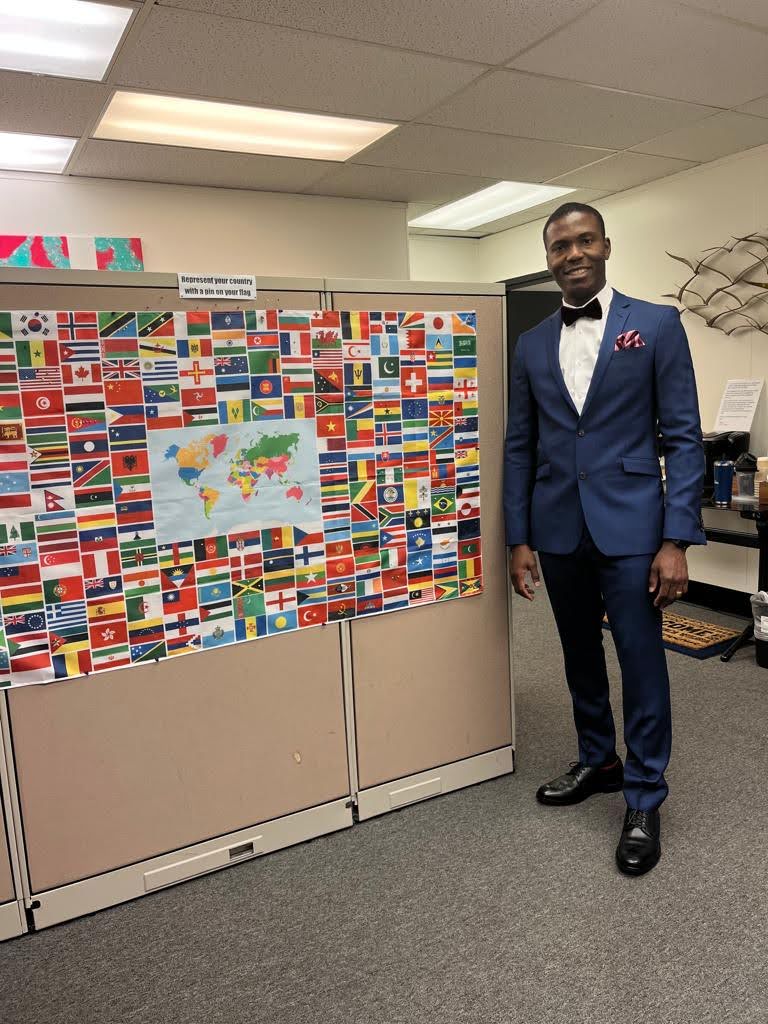
Okwena: Right now, I am a solo practitioner with just one staff member. So, team building is a learning curve for me. But I love to think of building a great team in terms of how a sports team is structured. Everyone has a role that they are the best at, and complement their other teammates. Everyone should be able to contribute their fair share. I look for a conscientious, passionate, and teachable spirit in a team member. In a team, open communication is also critical. This helps create an environment where honest and constructive feedback can be given. Just like the clients we serve; team members should be diverse so that they each bring unique perspectives and culture to the firm. It is also very important for team members to have great organizational skills and be able to attend to details as some errors could be very costly to clients. Lastly, a great team must have fun together and enjoy what they do. Think about it, you spend roughly half your day with your teammates. It’s best if you love being around them.
Afrik Digest: By your standard, what makes an effective leader?
Okwena: An effective leader is one who empowers and inspires others to be the best version of themselves. He is not a micro manager but one who leads by example. Effective listening is a non-negotiable trait for a leader. There’s a wise saying that goes, “Man, know thyself”. In terms of leadership, this simply means that a leader should understand his personality and the limits of his ability, and use that knowledge to achieve utmost results.
Afrik Digest: Do you ever wish you could have done anything differently?
Okwena: Honestly, I believe that everything happens for a reason and God has a path for me which has brought me to where I am today. I am grateful for the opportunity to serve my community in the capacity in which I do. I wouldn’t trade it for anything.
Afrik Digest: What advice would you give to someone just starting a business?
Okwena: You shouldn’t reinvent the wheel. Be open to being mentored by other small business owners. Learn what worked and didn’t work for them when they started out. Make sure that you have a solid support system and outlet to de-stress, because there will be many long days and nights at the outset. Educate yourself about running a business. The technical skills of lawyering, for example, is quite different from the skill sets required to manage a successful business. Delegate as much as possible. Keep evolving. Always be open to change and doing things differently. The initial months and years may be hard, but stay the course and be resilient.
Afrik Digest: What do you consider non-negotiable in the way you run your business?
Okwena: The first thing I would consider non-negotiable is customer satisfaction. My parents are small business owners too, and so I came to learn early on in life that satisfied clients tell fewer people about you than unsatisfied ones. And in my years of practice, experience has shown me that over 70% of my clients are from referrals from satisfied clients. Secondly, the legal profession is a highly regulated profession, as such, professional ethics, competence, diligence, effective communication with clients, are non-negotiable. A retired immigration judge, Vincent White, who was a mentor to me when I started my practice, said to me, “There always seems to be an oversaturation of lawyers, but there will never be too many competent and ethical lawyers.” Those words have been my guiding light. Doing my work ethically, competently, and professionally is the only way I will conduct my practice.
Afrik Digest: Do you ever get feelings of doubt, and if so, how do you manage those feelings?
Okwena: Yes, I do. Who doesn’t? The moments doubts arise, I lean on my faith and trust in God’s plan for my life. This truly gets me through and keeps me focused. I am also encouraged when I remember all the good times, and cases won, and the happy cheers of those who I have been fortunate to help. I am reminded that the work I am doing is vital and appreciated.
Afrik Digest: If you could travel back to the past to correct a wrong decision you once made, what would that be?
Okwena: I believe that the decisions I made in the past, even those that seemed bad at the time, have led me to where I am today. So, I wouldn’t change a thing. I just strive to be better each day.
Afrik Digest: What is your personal philosophy?
Okwena: I do not have a single personal philosophy. I have several. One of them is to stand for what is right even if you’re standing alone. Another is, be open to new and different perspectives, because there is always a learning opportunity if you apply yourself. One other thing is that I do not take myself too seriously. I try to find the humor in everything.
Afrik Digest: What role has risk played in your life or career?
Okwena: Taking risks is oftentimes daunting, but I like to think about risk in the context of conviction and reward. When I’m convinced about a plan of action and its potential benefits, I go all in despite the fear of failure. I cannot think of any major achievement in my life and career that didn’t require taking risks. It is always worth it in the end.
Immigrating from Nigeria to the U.S. was the biggest risk I have taken. It turned out to be a life altering decision for me. Leaving behind everything I had ever known; family, friends, career, culture, climate, etc., to a place where everything was different, was challenging. It was like starting all over again from scratch. But my determination to succeed propelled me forward. My career as an attorney is another great example. After dropping out of college twice, I took a bet on myself to go to law school. Today, I am the managing attorney of a thriving family immigration law practice. Establishing my practice, especially as a solo practitioner, amounted to going against the grain. But I knew that establishing my own practice would help me make the most impact and afford me a better work-life balance.
Afrik Digest: What are things that motivate you?
Okwena: I am motivated by the impact my work is having in the community, especially the joy of seeing families reunited and offered the opportunity of getting a better life in the United States. Constructive feedback, both positive and negative, helps me to keep improving and get better at how I do my work.
Afrik Digest: It’s been a wonderful conversation with you Mr. Okwena. I will be coming back to you for community relations. You hold all the aces.
How do you prefer your clients to reach you?
Okwena: There is no preference in the method of communication. Most of my clients prefer to communicate via phone. We are also reachable via our website (www.okwenaimmigration.com) where clients can schedule a time that works best for them to communicate with us. And we do our best to respond in a timely fashion. We also have a social media presence where clients can connect with us and get information as well.
We can be reached on: Instagram: @OkwenaImmigration, Facebook: @Okwena Immigration; Office location: 1450 S Havana St #336 Aurora, CO 80012; Office Phone number: (303) 217-6209